Find Treatment By
Rehabs by Location


Learn
About Us
Recovery.com combines independent research with expert guidance on addiction and mental health treatment. Our mission is to help everyone find the best path to recovery through the most comprehensive, helpful network of treatment providers worldwide.
Advisory Council
Our advisory council brings together leaders in behavioral health, technology, and business. Their diverse expertise ensures our resources and product are innovative, evidence-based, and effective. They guide our mission as accomplished individuals dedicated to improving the landscape of addiction recovery and mental wellness.
Kratom: Uses, Effects, Dangers & Addiction



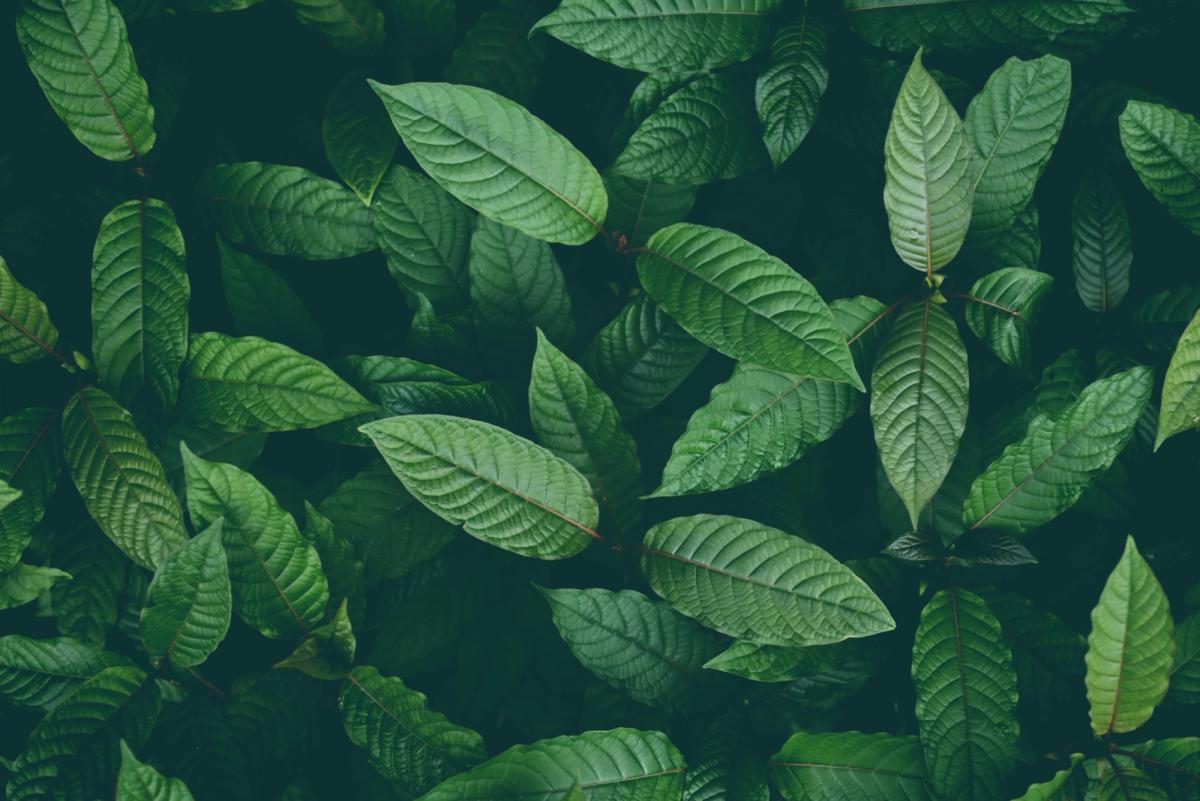
Millions of people in the United States use kratom, often to manage pain, low energy, anxiety, or opioid withdrawal.1,2 The U.S. Food and Drug Administration (FDA) has not approved kratom for any medical use, warning that it carries real risks, including the potential for kratom dependence and problematic patterns of use or addiction.1,3
If you or someone you love is struggling with kratom use, effective treatment and support are available, and recovery is possible.
What Is Kratom?
Kratom is an herbal substance made from the leaves of the Mitragyna speciosa tree, which grows in Southeast Asia.2 Its leaves can be dried and crushed into a powder that can be brewed into tea, packed into capsules, pressed into tablets, or concentrated into extracts, gummies, and drink mixes.2
People in Southeast Asia have used kratom for generations, where laborers traditionally chewed the fresh leaves or brewed them into tea to ease fatigue, boost energy, and relieve pain.2 Over the past few decades, kratom has become widely available in the United States, sold online and in smoke shops, gas stations, and convenience stores.1
Kratom contains several active alkaloids, including mitragynine, its most abundant psychoactive component.4 When mitragynine is consumed, the body converts some of it into 7-hydroxymitragynine (7-OH), a more potent compound that is also naturally present in only trace amounts in kratom leaves.4 Both mitragynine and 7-OH activate mu-opioid receptors in the brain.4 Mitragynine and other kratom compounds may also interact with the dopamine, serotonin, and adrenergic systems, potentially impacting things like mood, alertness, and motivation.2,4
7-OH is substantially more potent than mitragynine.4 For this reason, concentrated and synthetic 7-OH products (which contain far higher levels than the natural leaf) have drawn significant concern from regulators.1,4,5
Find The Perfect Treatment For You
Answer a few questions and we'll match you with the best options.
What Are You Struggling With?
What Kind of Care Do You Need?
What Insurance Do You Have?
What Is Kratom Used For?
The FDA has not approved kratom for any medical use in the United States, as it has not been proven safe or effective to treat any medical condition.1
However, people report using kratom for a variety of physical and psychological concerns.
Some common reasons people may use kratom includes:1,2,3
- Managing pain, including long-lasting or chronic pain.
- Boosting energy, focus, and alertness at low doses.
- Easing anxiety, low mood, or mental health disorders like depression.
- Managing opioid withdrawal symptoms or attempting to reduce or stop opioid use.
Explore Kratom Treatment Centers
Is Kratom Legal?
Botanical kratom is not currently a federally controlled substance, however, the Drug Enforcement Administration (DEA) lists kratom as a “drug and chemical of concern,” a label that signals caution without imposing federal restrictions.5
In 2016, the DEA announced its intent to temporarily place two of kratom's primary active compounds, mitragynine and 7-OH, in Schedule I under the Controlled Substances Act.6 However, the agency later withdrew that proposal after considerable public response to the substances potentially being placed in that highly restricted category.5
More recently, the DEA has taken steps to temporarily place 7-OH above a specified concentration threshold and several related substances in Schedule I. This proposed action targets products containing elevated concentrations of 7-OH and related substances and does not apply to botanical kratom containing naturally occurring 7-OH below the specified threshold.5 In the meantime, kratom laws vary across the country and even at the local level, with some states and local jurisdictions regulating or prohibiting its sale or possession.5














Effects and Dangers of Kratom
Kratom can affect the body and brain in different ways, and your experience can vary considerably depending on the specific kratom product and how you use it.2 Factors such as the amount consumed, the concentration of its active compounds, frequency of use, and method of ingestion can all influence its effects.2
Although kratom is sometimes marketed or perceived as a natural or low-risk substance, its use can carry health risks.
What Are the Effects of Kratom?
Something unique about kratom is that it can produce both stimulant-like and opioid- or sedative-like effects, with people commonly reporting a range of effects depending on how much they use.2 People often report more opioid- or sedative-like effects with larger amounts of kratom, while smaller amounts are more often associated with stimulant-like effects.4
Stimulant-like effects associated with smaller doses of kratom can include:2,7
- Alertness.
- Talkativeness.
- Increased heart rate.
- Increased energy.
When consumed in higher doses, opioid-like effects can occur, including:
- Relaxation.
- Pain relief.
- Confusion.
Despite these reported distinctions, research has not established a predictable dose-response relationship, and effects can vary considerably between kratom products.2
What Are the Dangers of Kratom?
Kratom use can carry health risks, both from the substance itself and from variability in the potency, purity, and composition of commercially available products.
The FDA has warned consumers against using kratom due to the risk of serious and potentially life-threatening adverse effects.1 Some of the more serious dangers associated with kratom use are discussed below.
Liver problems
In rare cases, regular use of kratom has been linked to acute hepatotoxicity (liver injury). Reported cases have typically developed within 1-8 weeks after beginning regular use, with symptoms that can include nausea, fatigue, itchiness, dark urine, and jaundice.8
Cardiovascular complications
Cardiovascular effects have been reported in association with kratom use, with the most common being high blood pressure and increased heart rate.9 Cardiac arrest, certain types of arrhythmias, and changes in the heart’s electrical activity have also been reported. However,current evidence does not establish kratom as the direct cause of these or other cardiovascular outcomes.9
Potential seizures
A handful of smaller studies have made a connection between kratom use and seizures, however more research needs to be conducted to better understand the scope of this risk.10,11,12
Contamination and Polysubstance Use
Some commercially available kratom products have been found to contain potentially harmful contaminants. The FDA has previously issued warnings to the public after certain kratom products were found to be contaminated with salmonella or high levels of heavy metals.1 Additionally, studies have shown that mitragynine levels in some kratom products are highly variable, which can increase the risk of health-related dangers in those who use them.13
Using kratom with other substances can increase the risk of serious or potentially fatal complications.1 Most reported deaths involving kratom have involved one or more additional substances, while deaths attributed to kratom alone have been documented far less frequently.1
Variations in Potency
Concentrated 7-OH products may carry additional risks because they can contain levels of 7-OH far exceeding those naturally present in kratom leaves, potentially increasing the risk of dependence and overdose.2
Is Kratom Addictive?
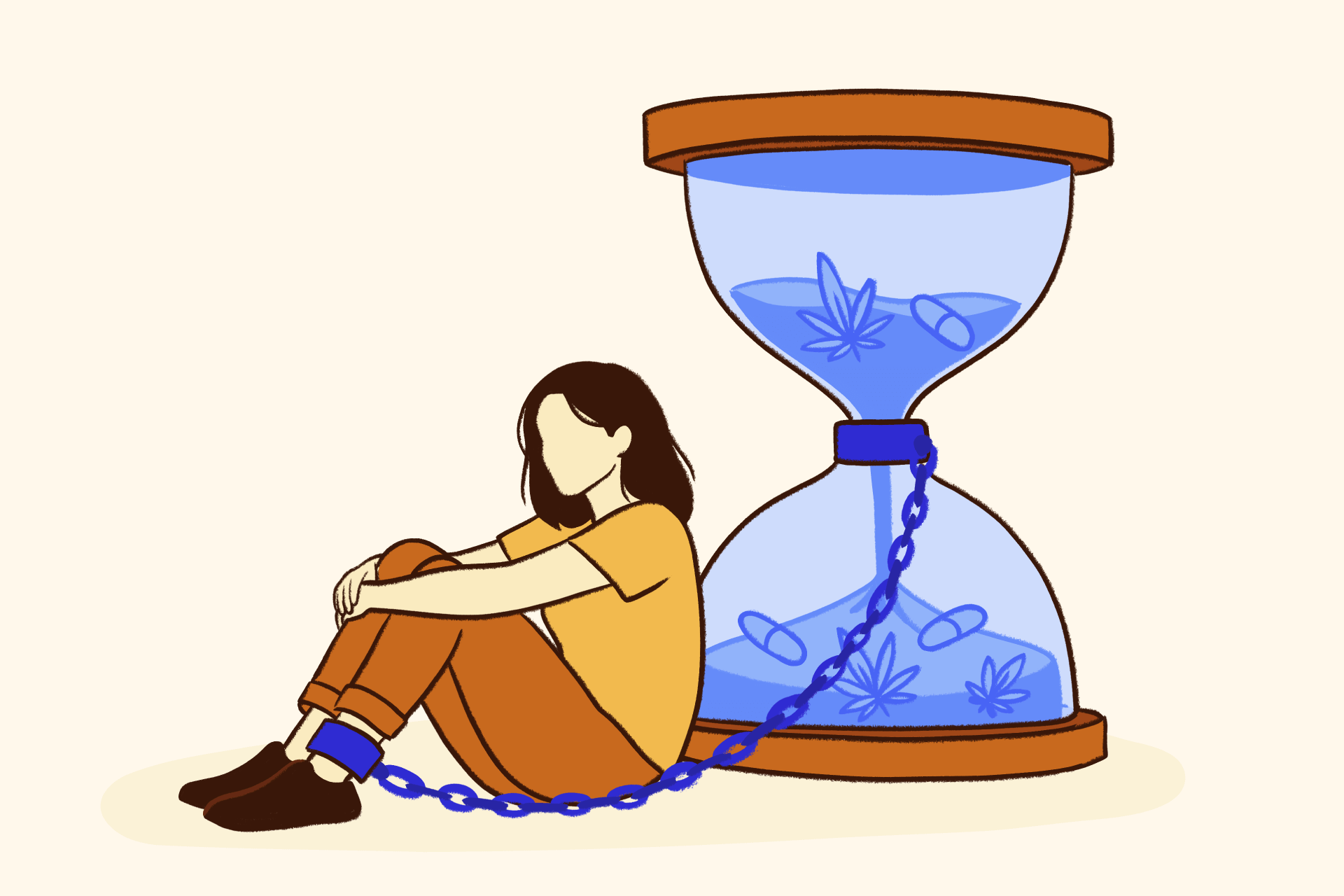
Yes, as research continues, it is becoming more apparent that kratom addiction is a real concern.1,6 Regular kratom use can lead to tolerance, where you need more of the drug to achieve the desired effects, as well as physical dependence, where your body adapts to the drug, causing you to experience withdrawal symptoms when you stop use.1,2,6 Some people who use kratom go on to develop compulsive patterns of kratom use consistent with a substance use disorder.1
Although the DSM-5 does not identify a kratom-specific substance use disorder, compulsive kratom use can be evaluated using its criteria for Other (or Unknown) Substance Use Disorder. As they apply to kratom use, these include:14
- Using more kratom, or using it for longer, than you intended
- Wanting to cut down or stop but being unable to
- Spending a lot of time getting, using, or recovering from kratom
- Experiencing strong cravings or urges to use kratom
- Failing to keep up with responsibilities at work, school, or home because of use
- Continuing to use despite relationship or social problems it causes.
- Giving up important activities in order to use
- Using kratom in situations where it is physically risky
- Continuing to use even though it is causing a physical or psychological problem
- Needing more kratom over time to get the same effect
- Experiencing withdrawal symptoms when you stop
Meeting two or more of these criteria within a year points to a substance use disorder, which can be mild, moderate, or severe depending on how many apply.
Kratom Addiction Treatment
While addiction is a complex condition, it is treatable, and the right support can make recovery possible. Because each person’s needs are different, addiction treatment can vary in intensity and structure, allowing care to be tailored to your health, circumstances, and stage of recovery.
Available treatment options include the following:15
- Medical detoxification: For many, detox serves as the first step in the treatment process.16 During this time, you can safely detox from kratom while being monitored and treated by medical professionals.
- Inpatient treatment: Inpatient treatment programs offer the most intensive level of addiction treatment available, and require you to live at the facility for the duration of your care. While there, you will participate in several evidence-based therapies.
- Partial hospitalization program (PHP): A partial hospitalization program, or PHP, might be the right choice for you if you require daily treatment, but do not need to live at the facility to receive it. Most PHPs run 4 to 8 hours per day during the week and allow you to return home afterwards.
- Intensive outpatient program (IOP): Intensive outpatient programs are relatively less time intensive that PHPs, offering treatment a few days a week for a couple of hours at a time. This gives you the opportunity to continue working, taking care of your family, and upholding any other responsibilities while getting the care you need.
- Outpatient treatment: Outpatient programs are the least intensive form of addiction treatment available, often requiring you to attend at least one session a week for an hour or two at a time. During that time, you continue to receive therapeutic services deemed to help you maintain your sobriety.
Research shows that many people with substance use disorders, such as opioid use disorder or stimulant use disorder, respond well to a combination of behavioral therapies, medications, and recovery supports.16 Therefore, in addition to finding the right level of care, you will also work with professionals to determine which therapies and medications (if necessary) might be right for you.
Start Your Recovery Journey
If you’re ready to find addiction treatment for yourself or a loved one, we’re here to help. Browse top medical detox centers in the US, inpatient addiction treatment facilities, aftercare options, and more to start on the path to recovery. You can search for rehab by insurance carrier, location, amenities, and more for free. Don’t wait. Get help today.
FAQs
Kratom is an herbal substance from the leaves of the Mitragyna speciosa tree in Southeast Asia. People commonly report stimulant-like effects with smaller doses and opioid-like effects at higher doses, although these effects can vary considerably.2 Kratom is not approved by the FDA for any medical use.1
Yes. Regular kratom use can lead to tolerance, physical dependence, and, in some people, a substance use disorder.1 Stopping after regular use can cause withdrawal symptoms.2
Botanical kratom is not a federally controlled substance in the United States, and the DEA lists it as a “Drug and Chemical of Concern”.4 Some states and cities restrict or ban it, and federal regulators have moved to schedule concentrated and synthetic 7-OH products, so legality depends on where you live.4
Common side effects include nausea, constipation, dizziness, and drowsiness.2 Serious risks such as liver toxicity, seizures, and confusion have also been reported.1
Kratom overdose can occur, although deaths linked to kratom most often involve other substances.2 The risk of serious or potentially fatal effects may increase when kratom is combined with alcohol or other drugs.2




Our Promise
How Is Recovery.com Different?
We believe everyone deserves access to accurate, unbiased information about mental health and recovery. That's why we have a comprehensive set of treatment providers and don't charge for inclusion. Any center that meets our criteria can list for free. We do not and have never accepted fees for referring someone to a particular center. Providers who advertise with us must be verified by our Research Team and we clearly mark their status as advertisers.
Our goal is to help you choose the best path for your recovery. That begins with information you can trust.