

























Drug & Alcohol Rehabs in New York

The best rehab is one that meets your needs. Our research team evaluated 916 alcohol and drug rehabs in New York. Review our curated list of rehab centers providing detox, residential, and outpatient treatment. Insurance covers rehab for addiction, making recovery more accessible and affordable.

Evidence and ethics matter to us. Since 2017, our expert team has built comprehensive resources you can trust to find the right treatment for you.

Unbiased and independent resource

100% editorially independent with no provider affiliations.

Accurate & comprehensive information

Comprehensive provider profiles backed by 10+ years of research.

We are trusted by millions

Now over 1 million users per month.

We adhere to ethical standards

Direct provider connections; we don't profit from referrals.

916 Centersin New York

Rehabs by Accepted Insurance

New York insurance plans typically cover mental health and addiction treatment.
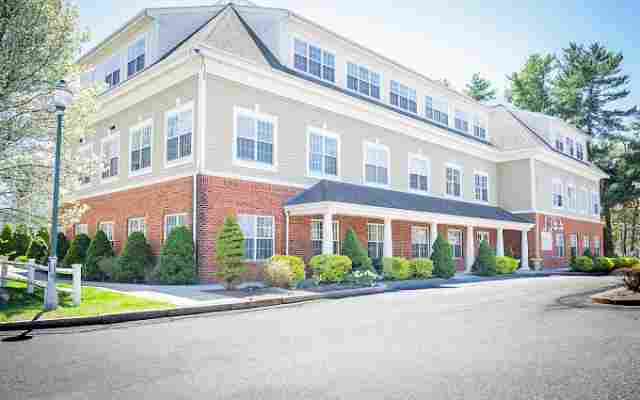
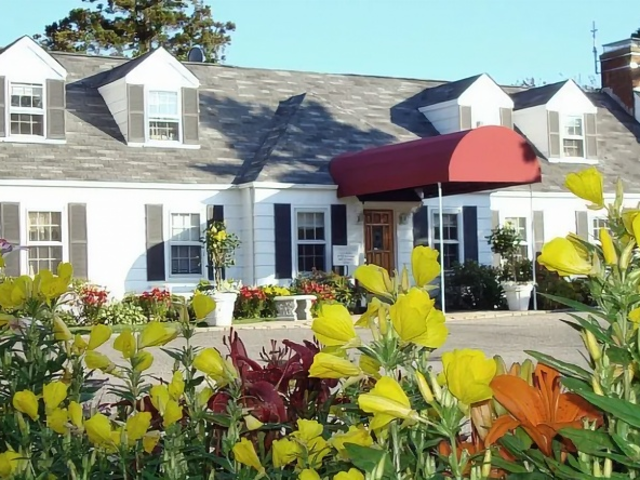
Recovery Centers of America at Bracebridge Hall - Photo 1
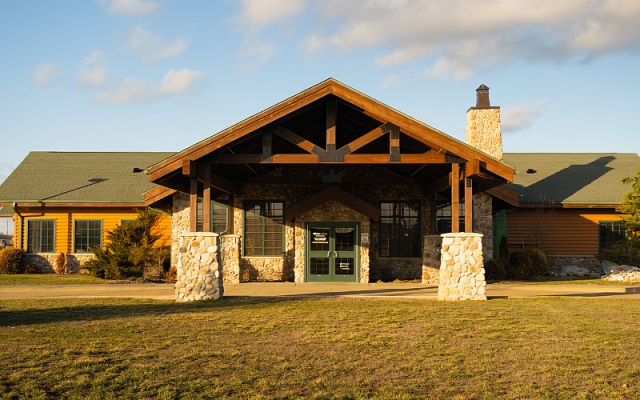
Recovery Centers of America at Bracebridge Hall - Photo 2
Recovery Centers of America at Bracebridge Hall - Photo 3
Recovery Centers of America at Bracebridge Hall - Photo 4
Residential
Ad
Earleville, Maryland, United States

Recovery Centers of America at Bracebridge Hall

4.7(449)
Accredited
Check your Insurance
Substance Use
Co-Occurring Mental Health
Veterans
Family Program
Intensive Outpatient Program
Flexible technology policies
Detox
Residential
Day Treatment

Empowers clients to break the cycle of drug addiction with inpatient and outpatient care in an estate overlooking Chesapeake Bay; top-ranked in Maryland by Newsweek. Provides medical detox, 12-Step programming, therapy, and medication management to lay a strong foundation for recovery... More

  • Medically Assisted Detox

    Medically Assisted Detox

  • Nature Lovers

    Nature Lovers

  • Perfect for Professionals

    Perfect for Professionals

Virtual Treatment Providers

Virtual, accredited addiction treatment with the flexibility to start from home

Popular Types of Rehab in New York

Explore rehab options by level of care, tailored to specific needs, or based on treatment approach.

Dual Diagnosis Treatment in New York

Therapy for co-occurring mental health and substance use disorders, treating both conditions through integrated care.

Recovery Guide

Rehab in New York

New York has one of the largest addiction treatment systems in the country. The state’s Office of Addiction Services and Supports (OASAS) oversees about 1,700 treatment programs and runs 12 state-operated Addiction Treatment Centers of its own.1 That means real choice: rehab centers in New York range from Medicaid-funded community programs to private luxury residences, and from city outpatient clinics you can attend after work to inpatient campuses in the Catskills, the Adirondacks, and the Finger Lakes.

The need for care is still high. Overdose deaths in New York dropped 32% from 2023 to 2024, from 6,688 to 4,567, based on provisional CDC data. About 77% of 2024 deaths still involved opioids such as fentanyl or heroin.2 Getting into treatment, and staying connected to support afterward, is one of the most reliable ways to lower that risk.

Inpatient and Outpatient Rehab in New York

Inpatient Rehab

Inpatient rehab in New York, also called residential rehab, means living at the facility with 24/7 support, usually for 28 days or longer.

It’s often the right fit if outpatient care hasn’t worked before, your home environment makes recovery harder, or you need medical monitoring. Many residential programs are outside the city, on Long Island or in the Hudson Valley and upstate, where a change of scenery can help you focus.

Outpatient Rehab

Outpatient rehab in New York lets you live at home while you keep up with work, school, or family. Partial hospitalization programs (PHP) and intensive outpatient programs (IOP) meet several hours a day, 3 to 5 days a week.

Standard outpatient care is usually one or two sessions a week and works well as a step down after residential treatment, or as a sole form of treatment for less-intensive needs.

Detox And Medication-Assisted Treatment

If you’re physically dependent on alcohol, opioids, or benzodiazepines, treatment often starts with medically supervised withdrawal. Browse detox centers in New York to find programs that manage withdrawal safely.

Many New York programs also offer medication-assisted treatment (MAT) for opioid and alcohol use disorders, either on-site or through opioid treatment programs.

Paying for Rehab in New York

Rehab in New York That Accepts Insurance

New York has some of the strongest insurance protections for addiction treatment in the country. For state-regulated health plans, insurers can’t require preauthorization for the first 28 days of inpatient treatment at an in-network, OASAS-certified facility, or for the first 4 weeks (up to 28 visits) of outpatient treatment.3

Self-funded employer plans aren’t regulated by the state and may follow different rules, so call your insurer to confirm. Start with New York rehabs that accept insurance.

Rehab in New York That Accepts Medicaid

You can find plenty of affordable rehab programs in New York. New York Medicaid pays for OASAS-certified addiction treatment through both fee-for-service and managed care plans, including withdrawal and stabilization, inpatient, residential, outpatient, and opioid treatment programs.4

Adults with significant mental health or substance use needs may also qualify for a Health and Recovery Plan (HARP), which adds care coordination and support with housing, employment, and peer services.5

Browse New York rehabs that accept Medicaid or rehabs that accept Medicare.

Luxury Rehab in New York

Private-pay programs offer amenities like private rooms, smaller groups, and more one-on-one therapy. Many are set on quiet estates on eastern Long Island or in the Hudson Valley, a short drive from the city.

Costs vary widely: some luxury residential stays in New York list estimated cash prices around $50,000 for a 30-day program. Compare options on our New York luxury rehabs page.

Dual Diagnosis Treatment in New York

Many people who struggle with drugs or alcohol also live with depression, anxiety, PTSD, or another mental health condition. Treating both at the same time gives you a better chance at lasting recovery than treating one and waiting on the other.

If you’re looking for the best rehab in New York for addiction and mental health, choose a program with psychiatric staff on-site and therapy for both conditions. Browse the best dual diagnosis treatment centers in New York.

How to Choose the Best Rehab in New York for Addiction

The best rehab is the one that fits your needs. As you compare programs, check these first:

  • OASAS certification. New York law requires programs that provide addiction treatment to hold an operating certificate from OASAS.6 Ask the program for its certification, or look it up in the OASAS provider directory.
  • Accreditation. Joint Commission or CARF accreditation shows a program meets national quality standards. You’ll see it noted on each listing.
  • Level of care. Match the program to what you need now, whether that’s detox, residential, or outpatient.
  • Mental health support. If you have a co-occurring condition, confirm the program offers dual diagnosis care.
  • Cost and coverage. Verify your insurance or Medicaid before admission and ask about out-of-pocket costs.
  • Location. Some people do best close to family and their support network. Others benefit from getting away from daily triggers.

New York State Addiction Resources

  • NYS HOPEline: Call 1-877-8-HOPENY (1-877-846-7369) or text HOPENY (467369). Free, confidential, and available 24/7 for substance use and gambling concerns, with referrals to treatment. Support is offered in several languages, with interpreters for more than 170 others.
  • OASAS provider directory: Search for state-certified treatment programs by location and service type.
  • 988 Suicide & Crisis Lifeline: Call or text 988 for mental health or substance use crises.
  • SAMHSA National Helpline: 1-800-662-4357, free and confidential, 24/7.
  • Emergency: If you or someone else is in immediate danger or may be overdosing, call 911.

Resources:

  1. NYS OASAS, “Meeting the Needs of All New Yorkers.” https://oasas.ny.gov/treatment/
  2. Healthbeat, “New York sees sharp decline in overdose deaths, according to new data,” May 22, 2025. https://www.healthbeat.org/newyork/2025/05/22/overdose-death-decline-racial-disparities/
  3. NYS Department of Financial Services, Insurance Circular Letter No. 13 (2019). https://www.dfs.ny.gov/industry_guidance/circular_letters/cl2019_13
  4. NYS OASAS, Reimbursement. https://oasas.ny.gov/reimbursement
  5. NYS Department of Health, Behavioral Health Information for Consumers/Medicaid Recipients. https://www.health.ny.gov/health_care/medicaid/redesign/behavioral_health/consumer_info/index.htm
  6. N.Y. Mental Hygiene Law § 32.05. https://law.justia.com/codes/new-york/2015/mhy/title-e/article-32/32.05/
Recovery Guide

Addiction & Rehab

Millions of people worldwide are affected by Substance Use Disorder (SUD), a widespread issue that impacts individuals, families, and communities.

Choosing to find help for addiction is one of the most important steps you can take. While there are several things to consider when choosing treatment, finding the right rehab center tailored to your needs can make a significant difference in your recovery journey.

Our guide will help you better understand addiction and treatment options so you can find the best rehab that fits your needs.

We’ll cover types of substances and addictions treated at rehabs (including alcohol, opioids, and other drugs), as well as different levels of care (like detox, residential, outpatient treatment programs). We’ll also discuss the importance of dual diagnosis treatment for individuals dealing with both substance use and mental health concerns.

Choosing the Right Rehab

The first step to recovery is deciding to go to rehab. Once you make that choice, it’s important to find a rehab center that fits your unique needs.

Below are some key factors to consider when choosing a rehab to treat your addiction.

Types of Substance Addiction

While some rehabs specialize in treating specific substances, most rehab centers are able to treat addiction to a wide range of substances. Some of the most common substances treated in rehab include:

  • Alcohol
  • Benzodiazepines
  • Cocaine
  • Heroin
  • Marijuana
  • Methamphetamine
  • Opioids
  • Prescription Drugs

Additionally, two-thirds of individuals struggling with addiction, also have co-occurring mental health needs that are typically treated alongside the substance use.

Addiction Treatment Options

Substance use disorders (SUD), like alcohol use or drug addiction, often involve multiple levels of care for treatment. Each level of care is a different degree of treatment and the best starting point to recovery depends on the severity of your substance use, co-occurring conditions and treatment history.

Below are some of the more common levels of care for treating addiction:

Detox Centers

Detox is a medically supervised process to help you safely manage withdrawal symptoms. This first step in treatment for addiction typically lasts 3 to 7 days. Detox is essential for many people, particularly with alcohol, opiates and benzodiazepines dependence.

Residential Rehab

Residential rehab works best for someone seeking 24/7 support to focus on long-lasting recovery. You’ll live in a rehab for 28+ days and engage in treatment with a comprehensive staff and a community of peers.

Intensive Outpatient Programs

A type of outpatient program (sometimes referred to as PHP and IOP) that offers more flexibility to those who need structure support but do not need 24/7 care. IOPs typically last 3 to 6 months. You’ll live at home (or a sober living) and go to treatment 3-5 days a week, for a few hours a day.

Outpatient Treatment

Outpatient treatment works best for individuals who need an option that allows them to maintain daily obligations or for continued support for individuals stepping down from residential care. Treatment often takes place during the evening, but there are day programs as well.

Sober Living

Sober living homes keep you connected to others in sobriety. You live in these safe, structured homes as you adjust to life outside treatment. You can attend day treatment and IOP in sober living.

Treating Dual Diagnosis

Dual Diagnosis, also known as co-occurring disorders is the presence of mental health disorders that accompany substance use disorders. Approximately 50% of people with substance use disorders have dual diagnoses.

Common mental health conditions you might experience along with addiction include:

  • Anxiety Disorders
  • Attention-Deficit/Hyperactivity Disorder (ADHD)
  • Bipolar Disorder
  • Chronic Pain
  • Depression
  • Eating Disorders
  • Personality Disorders
  • Post Traumatic Stress Disorder (PTSD)
  • Sleep Disorders

If you’re dealing with any of these mental health issues along with your addiction, it’s important that you find dual diagnosis treatment.

Understanding Addiction

Substance Use Disorder (SUD) is a medical condition defined as the uncontrolled use of a substance despite its harmful consequences to you, your loved ones, and your community.

While SUD is complex, it can be treated. Below we’ll walk you through signs and symptoms of drug and alcohol addiction, how addiction affects your body, and how to determine when you need treatment.

Signs and Symptoms of Drug Addiction

Drug addiction is when you feel like you can’t stop using a drug, even though you know it’s hurting your body, your mind, and sometimes your relationships. Drugs change how your brain works, making you experience cravings and feelings of sickness when you go without them.

Here are some signs to look out for if you’re unsure or suspect you might have a drug addiction:

  • Unable to go a day without using
  • Experience withdrawal symptoms when you’re not using
  • Constantly worry about where and when you’ll get your next dose.
  • Find more pleasure in using than in activities you once enjoyed.
  • Hiding or being dishonest about your drug use
The Effects of Drug Addiction

Drug addiction can have a lasting, destructive impact on your brain and physical health. Not only that, but the recent rise in fentanyl and other highly potent substances makes the risk of an overdose even greater. And the more drugs you use, the greater your tolerance will become, leading to higher doses and an increased risk of an overdose.

Drug addiction can also affect your relationships and social life. You may lose friendships and ties with your family if your addiction has unintentionally become more important.

When You Need Drug Rehab

You’ll know your drug use has turned into an addiction when you feel physically dependent on it to stay well. For example, if you’re addicted to opioids and stop using them, you’ll soon need to take more just to avoid the arduous withdrawals . Addiction also includes cravings. Even if you don’t feel sick from withdrawals, you may still feel a deep need, or craving, for the drug you take.

Signs and Symptoms of Alcohol Addiction

Alcohol is a common substance used in many societies and cultures around the world. However, drinking too much and not responsibly can lead to addiction, bad behaviors, and problems for you and those close to you. Some signs of alcohol addiction include:

  • Having cravings and an intense desire to drink
  • Experiencing withdrawal symptoms like shaking, sweating, or anxiety when not drinking
  • Blackouts or not being able to remember events when drinking
  • Being unable to stop drinking until you’re drunk
  • Using alcohol to cope with stress, anxiety, depression, or other emotional problems
  • Facing legal or financial issues due to alcohol consumption
The Effects of Alcohol Use

Drinking too much, whether in one setting or over time, can take a detrimental toll on your physical and mental health. It is well known and research backed that alcohol has damaging effects on your organs, affecting:

The Brain - Alcohol impacts the brain’s communication pathways, the way it looks, and how it functions. These changes can affect your mood and behavior.

The Heart - Drinking can damage the heart, causing stretching or drooping of the heart muscle, irregular heartbeats or high blood pressure.

The Liver - Drinking can lead to a variety of liver problems, including difficulties detoxing, fatty liver and cirrhosis.
Immune System - Drinking too much can weaken your immune system, slowing down your body’s ability to fight colds, infections and disease.

While some people may feel happier and pleasantly disinhibited with moderate alcohol consumption, regular, heavy drinking can lead to symptoms of depression, anxiety, psychosis, or self-harm. However, everyone’s response to alcohol may be different, so it’s essential to pay attention to how you feel mentally and emotionally when drinking alcohol.

When You Need Alcohol Rehab

Addiction to alcohol requires proper treatment in order to recover. Recognizing your compulsive alcohol use, loss of control around drinking, or your inability to cope without it are vital steps to getting help. If you’re starting to question your relationship with alcohol, then it may be a sign that you have a problem.

Helping Someone With Addiction

The decision to get treatment isn’t yours to make. Your loved one must have that desire themselves. But you can support them along the way.

One way you can help is by verbally offering your support, a listening ear, and compassion. For example, your loved one may ask you to help them find a good treatment center. You can work through that process together. Your support may give them the final push they need to get help.

If you’re comfortable, you can be straightforward and ask if your loved one has an addiction. Stay non-judgemental if you take this route. Though you don’t support their addiction, you’ll want to make it clear you do support them and their recovery. Staying non-judgemental and non-condemning can open them up to the idea of treatment.

Explore Top Treatment Destinations

Residential rehab offers you or your loved one the opportunity to start anew in a setting tailored to your needs. With a variety of available options, one is sure to be perfect for you.

Arizona

Enjoy beautiful natural scenery and treatment from experienced providers.

Colorado

Experience quality treatment with awe-inspiring views in naturally beautiful settings.

Florida

Sunshine, beaches, and warm climate attract clients seeking treatment through wellness and rejuvenation