
















































Drug & Alcohol Rehabs in Colorado

The best rehab is one that meets your needs. Our research team evaluated 482 alcohol and drug rehabs in Colorado. Review our curated list of rehab centers providing detox, residential, and outpatient treatment. Insurance covers rehab for addiction, making recovery more accessible and affordable.

Evidence and ethics matter to us. Since 2017, our expert team has built comprehensive resources you can trust to find the right treatment for you.

Unbiased and independent resource

100% editorially independent with no provider affiliations.

Accurate & comprehensive information

Comprehensive provider profiles backed by 10+ years of research.

We are trusted by millions

Now over 1 million users per month.

We adhere to ethical standards

Direct provider connections; we don't profit from referrals.

482 Centersin Colorado

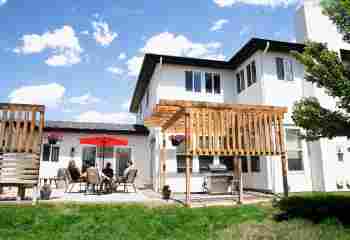
The Ranch at The Raleigh House - Photo 1
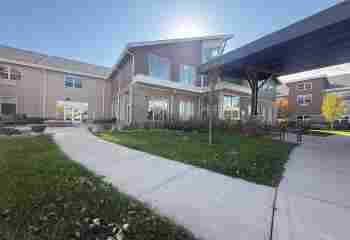
The Ranch at The Raleigh House - Photo 2
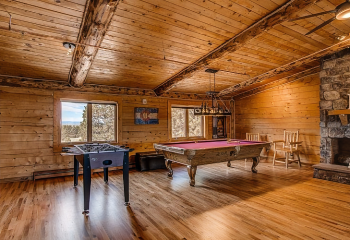
The Ranch at The Raleigh House - Photo 3
The Ranch at The Raleigh House - Photo 4
Residential
Watkins, Colorado, United States

The Ranch at The Raleigh House

Accredited
Check Your Insurance
Substance Use and Mental Health
Drug Addiction
Co-Occurring Disorders
Equine Therapy
Alcohol
Anxiety
Depression
Licensed Primary Mental Health
Trauma

A 40-acre Colorado retreat treating mental health and addiction through structured, nature-based care, seeing clients move from stabilization to recovery. Provides drug addiction treatment with detox, residential care, therapy, and experiential activities that address underlying causes and rebuild.. More

  • Co-Occurring Disorders Treatment

    Co-Occurring Disorders Treatment

  • Concierge Approach

    Concierge Approach

  • Equine Therapy

    Equine Therapy

Sandstone Care Colorado Detox - Photo 1
Sandstone Care Colorado Detox - Photo 2
Sandstone Care Colorado Detox - Photo 3
Sandstone Care Colorado Detox - Photo 4
Detox
Colorado Springs, Colorado, United States

Sandstone Care Colorado Detox

4.4(107)
Accredited
Check Your Insurance
Substance Use
Co-Occurring Mental Health
Drug Addiction
Cocaine
Methamphetamine
Opioids
Detox
Heroin
Alcohol

Provides medical detox with medication-assisted treatment and inpatient care with a 3:1 staff-to-client ratio to treat drug addiction. Their 18-bed home has mountain views, 24/7 staffing, and evidence-based treatments... More

  • Recently helped 6 people via Recovery.com

Sandstone Care Broomfield Outpatient Center  - Photo 1
Sandstone Care Broomfield Outpatient Center  - Photo 2
Sandstone Care Broomfield Outpatient Center  - Photo 3
Sandstone Care Broomfield Outpatient Center  - Photo 4
Outpatient
Boulder, Colorado, United States

Sandstone Care Broomfield Outpatient Center

4.1(39)
Accredited
Check Your Insurance
Substance Use
Co-Occurring Mental Health
Drug Addiction
Adolescents
Family Therapy
Young Adults
Alcohol
Marijuana
Opioids

Outpatient treatment for drug addiction in teens 13-17 and young adults 18-35, using individualized age-specific care, evidence-based therapies, and family support to address both symptoms and underlying causes of addiction... More

  • Accredited

    Accredited

  • Certified Professionals

    Certified Professionals

  • Customized Treatment Plans

    Customized Treatment Plans

Rehabs by Accepted Insurance

Colorado insurance plans typically cover mental health and addiction treatment.
Sandstone Care Colorado Springs Outpatient Center - Photo 1
Sandstone Care Colorado Springs Outpatient Center - Photo 2
Sandstone Care Colorado Springs Outpatient Center - Photo 3
Sandstone Care Colorado Springs Outpatient Center - Photo 4
Outpatient
Colorado Springs, Colorado, United States

Sandstone Care Colorado Springs Outpatient Center

4.4(103)
Accredited
Check Your Insurance
Substance Use
Co-Occurring Mental Health
Drug Addiction
Adolescents
Family Therapy
Young Adults
Alcohol
Opioids

Outpatient treatment for drug addiction in teens 13-17 and young adults 18-35, using individualized age-specific care, evidence-based therapies, and family support to address both symptoms and underlying causes of addiction... More

  • Accredited

    Accredited

  • Certified Professionals

    Certified Professionals

  • Customized Treatment Plans

    Customized Treatment Plans

Popular Types of Rehab in Colorado

Explore rehab options by level of care, tailored to specific needs, or based on treatment approach.

The Recovery.com team paid a visit to Colorado to find out what makes treatment here so special. Hear from experts at All Points North Lodge and Gallus Detox Center about how this special setting promotes recovery.

Get an Inside Glimpse of Colorado Rehabs

Rehab is an opportunity for all-around healing. Although you will receive clinical care during your stay, that care is just one aspect of the experience. You’ll also get to connect with people at a similar point in their lives, develop healthy new habits, and redefine your own wants, needs, and goals. In order to do this effectively, it’s important to choose the right environment for you.

Colorado Rehabs: A Beautiful Backdrop for Creating Life Change

Dual Diagnosis Treatment in Colorado

Therapy for co-occurring mental health and substance use disorders, treating both conditions through integrated care.

Recovery Guide

Rehab in Colorado

Compare drug and alcohol rehabs in Colorado by level of care, insurance, cost, location, and specialty to find a treatment center that fits your needs.

Drug & Alcohol Rehabs in Colorado

Colorado has many drug and alcohol rehab options, from residential programs in mountain settings to flexible outpatient care closer to home. Finding the best rehab in Colorado starts with understanding what kind of addiction treatment program support you need. Use the search tools on this page to compare treatment centers by level of care, location, cost, insurance, and specialty.

More About Rehab in Colorado

Drug and alcohol rehab in Colorado includes a range of programs designed to help people stop using substances and build skills that support recovery. In 2022 and 2023, more than 1 in 5 Coloradans aged 12 or older had a substance use disorder, including drug and alcohol addiction, in the past year.1 Many people who needed treatment did not receive it.1

Addiction is a treatable medical condition, and recovery is possible with the right support. Evidence-based treatment can help people manage substance use, build healthier coping skills, and work toward long-term addiction recovery.2 Alcohol is one of the substances Coloradans report struggling with most, and heavy drinking can affect the brain, heart, liver, and immune system over time.1,3

If you or someone you care about is considering treatment, comparing Colorado rehab centers can help you find a program that fits your needs, preferences, and budget.

Levels of Care at Colorado Rehabs

Addiction treatment is not one-size-fits-all. The level of care that makes sense for you depends on factors such as the severity of substance use, your physical and mental health, your home environment, and your treatment history.4 Some people begin with a more intensive level of care and gradually transition to less intensive support.

Common levels of care in Colorado include:4

Treatment may also include medication-assisted treatment (MAT), which combines FDA-approved medications with counseling and other support, or therapies such as cognitive behavioral therapy (CBT), which can help you recognize and change patterns that contribute to substance use.

Dual Diagnosis Treatment in Colorado

Substance use and mental health disorders often overlap. When someone has both a substance use disorder and a mental health condition, such as anxiety, depression, or post-traumatic stress disorder, they are known as co-occurring disorders.5

In Colorado, about 12% of adults had both a substance use disorder and a mental illness in the same year.1 When both conditions are present, treating them together can help provide more coordinated care.5

Dual diagnosis treatment centers in Colorado address both substance use and mental health needs as part of the same treatment plan. Depending on the program and your needs, treatment may include approaches such as dialectical behavior therapy, which teaches skills for managing difficult emotions, or EMDR therapy, which may help people process traumatic experiences.

If trauma is affecting your substance use or mental health, you may also want to compare programs that offer trauma treatment.

Cost, Insurance, and Licensing for Rehab in Colorado

The cost of rehab in Colorado depends on the type and length of treatment, the center you choose, and how you plan to pay. Insurance may cover some or most of treatment, but deductibles, copays, network rules, and covered services vary by plan. You can compare Colorado rehab centers that accept insurance before contacting a provider.

Health First Colorado, the state's Medicaid program, covers a range of substance use disorder services, including outpatient, intensive outpatient, residential, inpatient, and withdrawal management services when coverage requirements are met.6 If you have Medicaid, you can compare Colorado rehabs that accept Medicaid. A center may be licensed to provide treatment but not participate in Medicaid, so it is important to check both.

Some Colorado centers are private-pay and may not contract with Medicaid or commercial insurance. These programs may offer additional amenities or specialized services, but higher cost does not necessarily mean better treatment. If cost is a concern, you can also compare budget-friendly rehab centers and ask centers about payment plans, scholarships, or sliding-scale fees.

Colorado's Behavioral Health Administration oversees licensing requirements for many behavioral health providers and services.6 When comparing programs, consider licensing and accreditation along with staff credentials, treatment approaches, co-occurring disorder care, and aftercare planning for continuing support.

Colorado also funds some behavioral health services, including case management, for people who are uninsured or underinsured. These services are separate from Medicaid and depend on eligibility, provider availability, and funding.7

Who Colorado Rehabs Help

Colorado rehab centers serve people with a wide range of backgrounds, experiences, and treatment needs. Some programs are designed for specific groups or stages of life.

For example, you can compare men's rehab programs in Colorado and women's rehab programs in Colorado, as well as programs created for younger patients, including teen rehab centers in Colorado and young adult rehab programs in Colorado.

Colorado also has rehab programs for veterans, including programs that address substance use alongside trauma or other mental health concerns related to military service.

A specialized program or tailored medication management is not necessary for everyone, but for some people, receiving care in a setting that understands their experiences can make treatment feel more relevant and supportive.

Finding Rehab in Colorado by Location

Colorado rehab centers can be found throughout the state. If location matters to your decision, you can compare residential addiction treatment options, including drug and alcohol rehabs in Denver, Colorado Springs, Boulder, and Fort Collins, as well as smaller communities and mountain settings.

Location can play an important role in choosing treatment. Staying close to home may make it easier to involve loved ones through family therapy, keep up with certain responsibilities, or continue care after treatment. For others, traveling to another part of Colorado may provide access to a specific level of care, specialty program, or treatment environment.

Use the location and treatment filters on this page to compare centers and narrow the options that fit your needs.

Why People Choose Colorado for Treatment

Colorado's mix of cities, smaller communities, and mountain settings gives people several different treatment environments to consider.

If you prefer a quieter or more secluded setting, you can explore treatment centers in mountain settings. Some programs also incorporate activities, such as mindfulness meditation, outside of traditional individual and group therapies.

Depending on your preferences and treatment needs, you can compare holistic rehab programs in Colorado or experiential treatment programs in Colorado, which may incorporate hands-on activities as part of treatment.

Some Colorado centers also offer equine therapy, which involves working with horses as part of a structured therapeutic program.

These approaches may appeal to some people, but they should complement appropriate clinical treatment rather than replace it.

Find Drug and Alcohol Rehab in Colorado Near You

Choosing a rehab center can feel like a lot to sort through, especially when you're trying to compare treatment options, insurance coverage, cost, and location at the same time.

The search and filter tools on this page can help you narrow Colorado rehab centers by level of care, location, insurance, price, and specialty. As you compare programs, look at the services offered, treatment approaches, staff credentials, licensing or accreditation, and whether the center can meet your specific needs.

Once you've narrowed your options, review individual center profiles to compare insurance information, pricing when available, treatment services, amenities, reviews, and ways to contact the provider. Taking these steps can help you move from researching treatment to finding a program that fits you or your loved one.

Sources

  1. Substance Abuse and Mental Health Services Administration. (2024). 2022-2023 National Survey on Drug Use and Health: Model-based prevalence estimates (Colorado). U.S. Department of Health and Human Services.
  2. National Institute on Drug Abuse. (2018). Principles of drug addiction treatment: A research-based guide (3rd ed.). U.S. Department of Health and Human Services.
  3. National Institute on Alcohol Abuse and Alcoholism. (n.d.). Alcohol's effects on the body. U.S. Department of Health and Human Services.
  4. Substance Abuse and Mental Health Services Administration. (2014). What is substance abuse treatment? A booklet for families (HHS Publication No. SMA 14-4126). U.S. Department of Health and Human Services.
  5. Substance Abuse and Mental Health Services Administration. (2024). Co-occurring disorders and other health conditions. U.S. Department of Health and Human Services.
  6. Colorado Department of Health Care Policy & Financing. (2025). Overview of substance use disorder services.
  7. Colorado Department of Health Care Policy & Financing. (2025). Behavioral Health Administration Community Services FAQ.
Recovery Guide

Addiction & Rehab

Millions of people worldwide are affected by Substance Use Disorder (SUD), a widespread issue that impacts individuals, families, and communities.

Choosing to find help for addiction is one of the most important steps you can take. While there are several things to consider when choosing treatment, finding the right rehab center tailored to your needs can make a significant difference in your recovery journey.

Our guide will help you better understand addiction and treatment options so you can find the best rehab that fits your needs.

We’ll cover types of substances and addictions treated at rehabs (including alcohol, opioids, and other drugs), as well as different levels of care (like detox, residential, outpatient treatment programs). We’ll also discuss the importance of dual diagnosis treatment for individuals dealing with both substance use and mental health concerns.

Choosing the Right Rehab

The first step to recovery is deciding to go to rehab. Once you make that choice, it’s important to find a rehab center that fits your unique needs.

Below are some key factors to consider when choosing a rehab to treat your addiction.

Types of Substance Addiction

While some rehabs specialize in treating specific substances, most rehab centers are able to treat addiction to a wide range of substances. Some of the most common substances treated in rehab include:

  • Alcohol
  • Benzodiazepines
  • Cocaine
  • Heroin
  • Marijuana
  • Methamphetamine
  • Opioids
  • Prescription Drugs

Additionally, two-thirds of individuals struggling with addiction, also have co-occurring mental health needs that are typically treated alongside the substance use.

Addiction Treatment Options

Substance use disorders (SUD), like alcohol use or drug addiction, often involve multiple levels of care for treatment. Each level of care is a different degree of treatment and the best starting point to recovery depends on the severity of your substance use, co-occurring conditions and treatment history.

Below are some of the more common levels of care for treating addiction:

Detox Centers

Detox is a medically supervised process to help you safely manage withdrawal symptoms. This first step in treatment for addiction typically lasts 3 to 7 days. Detox is essential for many people, particularly with alcohol, opiates and benzodiazepines dependence.

Residential Rehab

Residential rehab works best for someone seeking 24/7 support to focus on long-lasting recovery. You’ll live in a rehab for 28+ days and engage in treatment with a comprehensive staff and a community of peers.

Intensive Outpatient Programs

A type of outpatient program (sometimes referred to as PHP and IOP) that offers more flexibility to those who need structure support but do not need 24/7 care. IOPs typically last 3 to 6 months. You’ll live at home (or a sober living) and go to treatment 3-5 days a week, for a few hours a day.

Outpatient Treatment

Outpatient treatment works best for individuals who need an option that allows them to maintain daily obligations or for continued support for individuals stepping down from residential care. Treatment often takes place during the evening, but there are day programs as well.

Sober Living

Sober living homes keep you connected to others in sobriety. You live in these safe, structured homes as you adjust to life outside treatment. You can attend day treatment and IOP in sober living.

Treating Dual Diagnosis

Dual Diagnosis, also known as co-occurring disorders is the presence of mental health disorders that accompany substance use disorders. Approximately 50% of people with substance use disorders have dual diagnoses.

Common mental health conditions you might experience along with addiction include:

  • Anxiety Disorders
  • Attention-Deficit/Hyperactivity Disorder (ADHD)
  • Bipolar Disorder
  • Chronic Pain
  • Depression
  • Eating Disorders
  • Personality Disorders
  • Post Traumatic Stress Disorder (PTSD)
  • Sleep Disorders

If you’re dealing with any of these mental health issues along with your addiction, it’s important that you find dual diagnosis treatment.

Understanding Addiction

Substance Use Disorder (SUD) is a medical condition defined as the uncontrolled use of a substance despite its harmful consequences to you, your loved ones, and your community.

While SUD is complex, it can be treated. Below we’ll walk you through signs and symptoms of drug and alcohol addiction, how addiction affects your body, and how to determine when you need treatment.

Signs and Symptoms of Drug Addiction

Drug addiction is when you feel like you can’t stop using a drug, even though you know it’s hurting your body, your mind, and sometimes your relationships. Drugs change how your brain works, making you experience cravings and feelings of sickness when you go without them.

Here are some signs to look out for if you’re unsure or suspect you might have a drug addiction:

  • Unable to go a day without using
  • Experience withdrawal symptoms when you’re not using
  • Constantly worry about where and when you’ll get your next dose.
  • Find more pleasure in using than in activities you once enjoyed.
  • Hiding or being dishonest about your drug use
The Effects of Drug Addiction

Drug addiction can have a lasting, destructive impact on your brain and physical health. Not only that, but the recent rise in fentanyl and other highly potent substances makes the risk of an overdose even greater. And the more drugs you use, the greater your tolerance will become, leading to higher doses and an increased risk of an overdose.

Drug addiction can also affect your relationships and social life. You may lose friendships and ties with your family if your addiction has unintentionally become more important.

When You Need Drug Rehab

You’ll know your drug use has turned into an addiction when you feel physically dependent on it to stay well. For example, if you’re addicted to opioids and stop using them, you’ll soon need to take more just to avoid the arduous withdrawals . Addiction also includes cravings. Even if you don’t feel sick from withdrawals, you may still feel a deep need, or craving, for the drug you take.

Signs and Symptoms of Alcohol Addiction

Alcohol is a common substance used in many societies and cultures around the world. However, drinking too much and not responsibly can lead to addiction, bad behaviors, and problems for you and those close to you. Some signs of alcohol addiction include:

  • Having cravings and an intense desire to drink
  • Experiencing withdrawal symptoms like shaking, sweating, or anxiety when not drinking
  • Blackouts or not being able to remember events when drinking
  • Being unable to stop drinking until you’re drunk
  • Using alcohol to cope with stress, anxiety, depression, or other emotional problems
  • Facing legal or financial issues due to alcohol consumption
The Effects of Alcohol Use

Drinking too much, whether in one setting or over time, can take a detrimental toll on your physical and mental health. It is well known and research backed that alcohol has damaging effects on your organs, affecting:

The Brain - Alcohol impacts the brain’s communication pathways, the way it looks, and how it functions. These changes can affect your mood and behavior.

The Heart - Drinking can damage the heart, causing stretching or drooping of the heart muscle, irregular heartbeats or high blood pressure.

The Liver - Drinking can lead to a variety of liver problems, including difficulties detoxing, fatty liver and cirrhosis.
Immune System - Drinking too much can weaken your immune system, slowing down your body’s ability to fight colds, infections and disease.

While some people may feel happier and pleasantly disinhibited with moderate alcohol consumption, regular, heavy drinking can lead to symptoms of depression, anxiety, psychosis, or self-harm. However, everyone’s response to alcohol may be different, so it’s essential to pay attention to how you feel mentally and emotionally when drinking alcohol.

When You Need Alcohol Rehab

Addiction to alcohol requires proper treatment in order to recover. Recognizing your compulsive alcohol use, loss of control around drinking, or your inability to cope without it are vital steps to getting help. If you’re starting to question your relationship with alcohol, then it may be a sign that you have a problem.

Helping Someone With Addiction

The decision to get treatment isn’t yours to make. Your loved one must have that desire themselves. But you can support them along the way.

One way you can help is by verbally offering your support, a listening ear, and compassion. For example, your loved one may ask you to help them find a good treatment center. You can work through that process together. Your support may give them the final push they need to get help.

If you’re comfortable, you can be straightforward and ask if your loved one has an addiction. Stay non-judgemental if you take this route. Though you don’t support their addiction, you’ll want to make it clear you do support them and their recovery. Staying non-judgemental and non-condemning can open them up to the idea of treatment.

Explore Top Treatment Destinations

Residential rehab offers you or your loved one the opportunity to start anew in a setting tailored to your needs. With a variety of available options, one is sure to be perfect for you.

Arizona

Enjoy beautiful natural scenery and treatment from experienced providers.

Colorado

Experience quality treatment with awe-inspiring views in naturally beautiful settings.

Florida

Sunshine, beaches, and warm climate attract clients seeking treatment through wellness and rejuvenation