Find Treatment By
Rehabs by Location


Learn
About Us
Recovery.com combines independent research with expert guidance on addiction and mental health treatment. Our mission is to help everyone find the best path to recovery through the most comprehensive, helpful network of treatment providers worldwide.
Advisory Council
Our advisory council brings together leaders in behavioral health, technology, and business. Their diverse expertise ensures our resources and product are innovative, evidence-based, and effective. They guide our mission as accomplished individuals dedicated to improving the landscape of addiction recovery and mental wellness.
Drug Withdrawal Symptoms: What to Expect, What's Dangerous, and How to Get Through It Safely



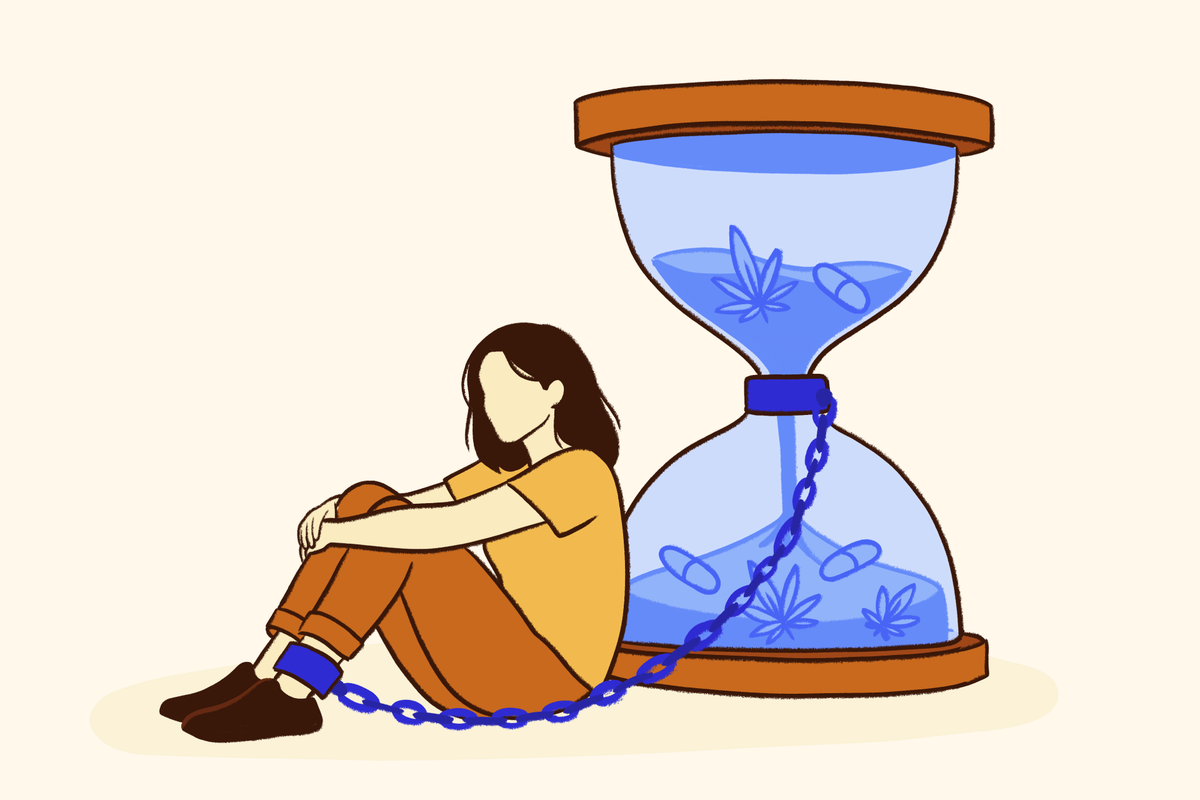
Deciding to make a change in your relationship with drugs can take a great deal of courage. After taking that important step, facing the discomfort and challenges of withdrawal can feel especially difficult.
Withdrawal symptoms can be physically and emotionally overwhelming, and at times, they may even cause you to question your decision to stop using drugs. Understanding what to expect during this process (and whether medical care might be beneficial), can help you feel more prepared and supported as you move forward.
What is Drug Withdrawal?
Withdrawal is the term used to describe the onset of behavioral, physiological, and cognitive symptoms that develop when someone who has engaged in heavy, prolonged use of a drug suddenly stops or significantly reduces their use.1 Experiencing withdrawal generally indicates that a person has developed physical dependence on a drug, with symptoms appearing as the body adjusts to functioning without the substance.2
Each person’s experience with drug withdrawal is unique. The type of symptoms they develop, as well as how long they experience them, may vary considerably depending on the substance involved, the pattern and duration of use, and a person’s health and individual circumstances.
Find The Perfect Treatment For You
Answer a few questions and we'll match you with the best options.
What Are You Struggling With?
What Kind of Care Do You Need?
What Insurance Do You Have?
Drug Withdrawal Symptoms & Timelines
Withdrawal symptoms are substance-specific, meaning the type and severity of symptoms a person experiences can vary depending on the substance they stop using.1 The onset and duration of withdrawal can also differ from person to person based on individual circumstances. Because of this variability, a fixed withdrawal timeline may not accurately reflect what every person can expect during the detox process.3
Several factors can influence which symptoms a person experiences, when those symptoms begin, and how long the withdrawal process lasts, including:4
- How long the drug was being used for.
- How much of the drug was being used at a time.
- The route of administration for the drug (e.g., smoking, snorting, injecting, etc.).
- Whether other substances were also being used.
- The current health and wellbeing of the individual.
Because withdrawal can vary based on several factors, there is no one set of symptoms that everyone experiences when they stop using a drug. However, withdrawal does commonly involve changes in gastrointestinal function, sleep patterns, mood, and appetite, as well as cravings for continued use.1
Opioids
Opioids, such as heroin, fentanyl, and prescription painkillers like oxycodone and hydrocodone, can produce extremely uncomfortable withdrawal symptoms.
These symptoms can include:1
- Depressed mood.
- Nausea or vomiting.
- Diarrhea.
- Muscle aches.
- Watery eyes or runny nose.
- Sweating.
- Fever.
- Insomnia.
For many commonly used, and relatively short-acting drugs, opioid withdrawal symptoms can begin around 8-12 hours after the last use, with symptoms peaking at about 48-72 hours.5 Generally speaking, opioid withdrawal symptoms tend to clear within one week to 10 days after onset.5
Stimulants
Drugs such as cocaine, methamphetamine, and prescription medications like Adderall and Ritalin, are stimulant substances, meaning they increase activity in the central nervous system.1
Stimulant-related withdrawal symptoms can include:1
- Depressed or dysphoric mood.
- Fatigue.
- Vivid, unpleasant dreams.
- Insomnia or hypersomnia (excessive sleepiness).
- Increased appetite.
- Slowed movement, speech, or activity.
- Slowed heart beat.
- Restlessness.
Stimulant withdrawal looks different from many other types of substance withdrawal syndromes. It is often experienced as a “crash” involving fatigue, increased sleep, depressed mood, and reduced energy.6
For many stimulants, the initial withdrawal period may involve 12 to 24 hours of increased sleepiness and irritability.6 Other symptoms can continue beyond this period, and some people experience post-acute symptoms—including depression, anxiety, insomnia, and paranoia—that last for weeks to months.6
Suicide risk may increase as stimulant intoxication subsides and acute withdrawal begins.6 If you or someone you know feels hopeless or has thoughts of self-harm, call or text 988 to reach the 988 Suicide & Crisis Lifeline at any time.
Marijuana
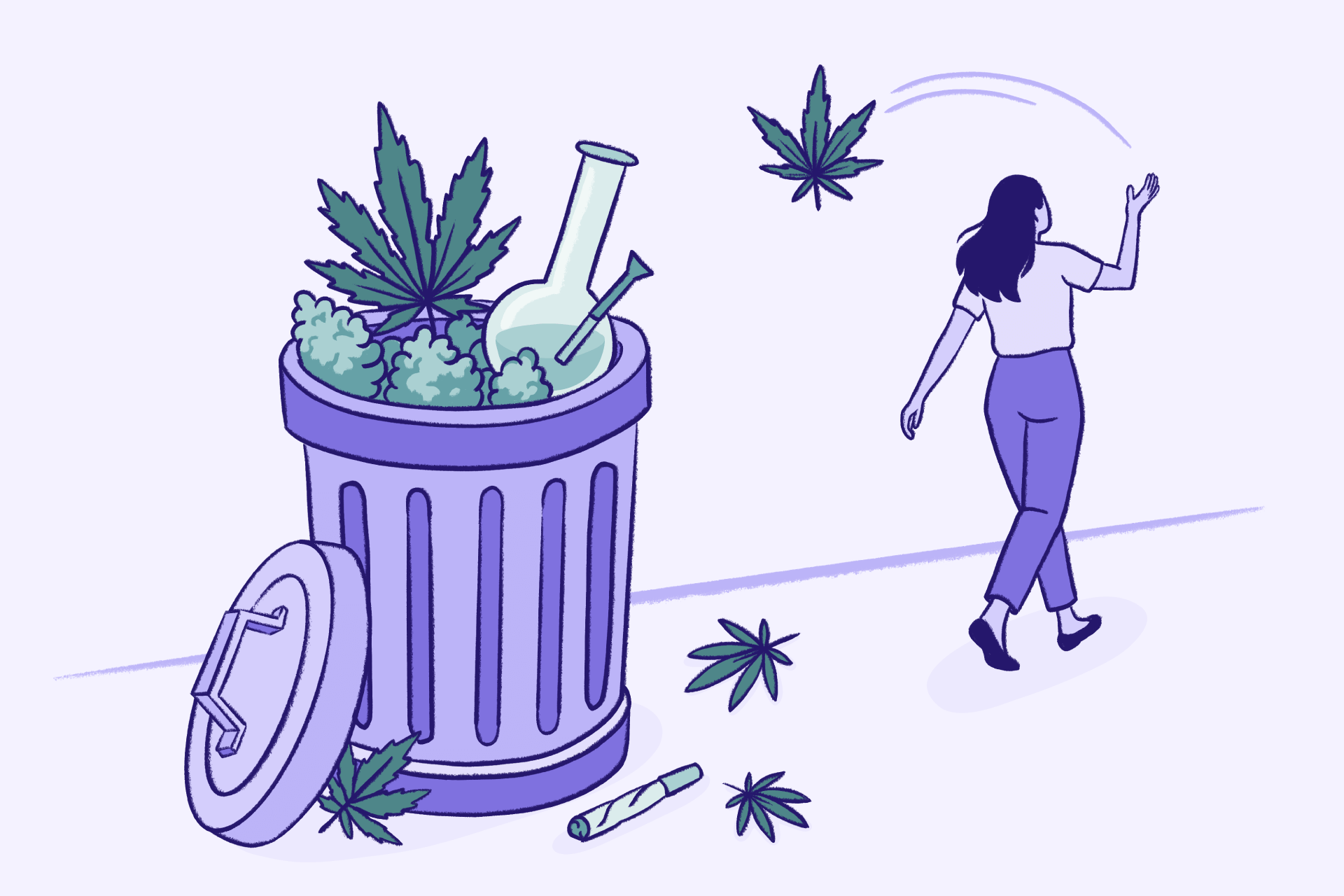
As with other drugs, after someone engages in heavy, prolonged marijuana use to the point of physical dependence, suddenly stopping or substantially reducing use can trigger the onset of withdrawal symptoms. Although marijuana withdrawal is not typically medically dangerous, its symptoms can be distressing and uncomfortable.
These symptoms can include:1
- Anxiety or nervousness.
- Irritability.
- Anger or aggression.
- Sleep difficulty or disturbing dreams.
- Decreased appetite.
- Restlessness.
- Depressed mood.
- Physical symptoms such as headache and abdominal pain.
Sedatives
Withdrawal from sedatives, including barbiturates and benzodiazepines such as Valium, Klonopin, and Ativan, can carry significant medical risks.1 Although complications can occur during withdrawal from many substances, severe benzodiazepine withdrawal can cause seizures, delirium, and other potentially life-threatening symptoms.
Other sedative withdrawal symptoms include:1
- Sweating.
- Tachycardia (high pulse rate).
- Increased respiratory rate.
- Increased blood pressure.
- Anxiety or agitation.
- Insomnia.
- Brief visual, tactile, or auditory hallucinations.
- Grand mal seizures.
Benzodiazepine withdrawal often starts later than other drugs and can stretch on for weeks for some people. Because it carries similar risks for seizures and other severe withdrawal symptoms as alcohol withdrawal, clinicians usually lower the dose slowly with a taper instead of stopping all at once. If you have been misusing benzodiazepines and want to stop, seek advice from a qualified healthcare professional prior to doing so.7
Though some people may complete a gradual taper in an outpatient setting, more closely supervised and medically managed withdrawal may be appropriate, should severe or complicated withdrawal be expected or if other risks cannot be safely managed in outpatient care.7
Each person’s experience with drug withdrawal is unique and can vary based on their individual circumstances, therefore applying a fixed timeline to withdrawal symptoms is not an accurate reflection of what a person can expect.3 However, guidelines are often made available to better illustrate how long the process of withdrawal might take.4
Explore Detox Treatment Centers
What is Post-Acute Withdrawal Syndrome (PAWS)?
Most acute withdrawal symptoms resolve within days or weeks after a person’s last use. However, some people experience symptoms that persist beyond the initial withdrawal period and may last for months or, in some cases, years.8 This is often referred to as protracted withdrawal, or post-acute withdrawal syndrome (PAWS).9
PAWS is not a formally defined diagnosis, and its definition varies across the clinical literature. Much of the existing research on PAWS has focused primarily on alcohol withdrawal. Research examining PAWS more broadly remains limited, highlighting the need for further study.10 However, one important consideration regarding PAWS is its potential impact on recovery, as persistent post-acute withdrawal symptoms may increase a person’s risk of relapse.9,10
Smaller case studies and anecdotal reports have documented post-acute withdrawal symptoms associated with other substances:9
- Opioids - PAWS symptoms may include anxiety, depression, and sleep disturbances that continue for weeks or months after the initial withdrawal phase.
- Methamphetamine - Deficits in executive control functions have been documented in those with PAWS.
- Cocaine - Some research shows that impulse control did not improve in people recovering from cocaine addiction four weeks after the initial withdrawal phase.
- Marijuana - A small number of studies collectively reported that some people who stopped their marijuana use experienced sleep problems and strange dreams for at least 45 days after cessation.
- Benzodiazepines - Determining PAWS in someone who is no longer taking benzodiazepines is historically challenging, as symptoms may often be confused with rebound symptoms and other conditions such as depression or anxiety.














Getting Help and Staying Safe During Withdrawal
You don’t have to push through withdrawal alone—and with some substances, it may not be safe to. The safest approach is to have support from providers who can help ease your symptoms, monitor your health, and step in if complications arise. Two ways to get that support are through medical detoxification and a comprehensive care plan.
What is Medical Detox?
Medical detox is often the first step in the treatment process and can be especially important for stopping substance use safely.11
During medical detox, qualified healthcare professionals supervise you throughout the withdrawal process. They can help with withdrawal management, keep you as comfortable as possible, and monitor your health and safety.
Medical detox is particularly important when withdrawing from alcohol or benzodiazepines. Withdrawal from these substances can cause serious and potentially life-threatening complications, making professional medical supervision highly recommended in many cases.
Medication-Assisted Treatment
Medication-assisted treatment is an approach to treating substance use disorders that combines FDA-approved medications and evidence-based therapies.12 This can be an important part of treatment for both opioid use disorder (OUD) and alcohol use disorder (AUD).
For OUD, medications have proven to be highly effective in reducing illicit drug use and the risk of overdose while helping people remain engaged in ongoing treatment.12 These specific medications include:
Buprenorphine and methadone are able to reduce or eliminate withdrawal symptoms, while all three of the medications listed above are effective in blunting or blocking the effects of opioids and reducing or eliminating cravings for opioids.12
Similar to OUD, alcohol use disorder (AUD) can also be treated with FDA-approved medications. These include:
- Acamprosate.
- Disulfiram.
- Naltrexone.
Acamprosate can help people maintain abstinence from alcohol and may reduce certain symptoms associated with protracted abstinence.13 Disulfiram discourages drinking by causing an unpleasant reaction when alcohol is consumed, which can include nausea, vomiting, facial flushing, and heart palpitations.13 Naltrexone blocks opioid receptors, helping to reduce alcohol cravings and the rewarding effects of drinking.13 These medications are used for ongoing AUD treatment rather than the management of acute alcohol withdrawal.
Ongoing medication management should be overseen by a qualified healthcare professional who can consider factors such as your substance use history, overall health, other medications, and treatment goals. Regular follow-up allows providers to monitor effectiveness and side effects and adjust your treatment plan as recovery progresses.
Therapies for Substance Use Disorder
Evidence-based therapies can be used to treat substance use disorders in people who are using medication as a part of their recovery, as well as those who aren’t. There are many therapies available, and all of which can be helpful in their own way. Some of the most commonly used therapies to treat substance use disorders include:
- Cognitive behavioral therapy (CBT).
- Individual therapy.
- Group therapy.
- Dialectical behavioral therapy (DBT).
- Motivational interviewing (MI).
These therapies utilize the best available research and rely heavily on clinical expertise to help shape and provide the best care possible.14 The type of therapies that are included in your treatment plan will be determined based on your own personal needs, and can be adjusted as you move forward in the process of getting sober.
Get Help For Yourself or A Loved One Today
Recovery may seem daunting, but effective help is available. Explore residential drug rehabs or specialized alcohol addiction treatment programs to find the right environment for healing. Use our free tool to search for addiction treatment by insurance, location, and amenities now.
FAQs
Most acute withdrawal symptoms last from a few days to about two weeks, depending on the substance and how your body responds. Short-acting opioids often ease within 4 to 5 days, while alcohol and benzodiazepine withdrawal can last longer and carry more risk. Emotional symptoms like low mood or cravings can linger for weeks or months.
Alcohol and benzodiazepine withdrawal are the most dangerous, because they can cause seizures and, in severe cases, become life-threatening.10,12 Opioid and stimulant withdrawal produce unpleasant symptoms, but are rarely fatal on their own. If you're dependent on alcohol or benzodiazepines, get medical supervision before stopping.
Sometimes, but it depends on the substance. Milder opioid or stimulant withdrawal is often managed with medical guidance, but stopping alcohol or benzodiazepines on your own can be dangerous or even deadly, in some cases.10,12 A provider can tell you whether home withdrawal is safe or whether you need medical detox to do it safely.
Post-acute withdrawal syndrome, or PAWS, refers to symptoms that linger after the acute phase ends.7 These are mostly emotional: low mood, irritability, poor sleep, anxiety, and cravings. PAWS can come and go for weeks or months as your brain rebalances, and it's a common reason people return to use.7
Medical supervision helps most, because providers can use medications to ease specific symptoms and keep you safe. Rest, fluids, and good nutrition support your body, while therapy addresses the emotional side. For opioids and alcohol, specific medications can also reduce cravings and lower the risk of relapse.11,12




Our Promise
How Is Recovery.com Different?
We believe everyone deserves access to accurate, unbiased information about mental health and recovery. That's why we have a comprehensive set of treatment providers and don't charge for inclusion. Any center that meets our criteria can list for free. We do not and have never accepted fees for referring someone to a particular center. Providers who advertise with us must be verified by our Research Team and we clearly mark their status as advertisers.
Our goal is to help you choose the best path for your recovery. That begins with information you can trust.