Find Treatment By
Rehabs by Location


Learn
About Us
Recovery.com combines independent research with expert guidance on addiction and mental health treatment. Our mission is to help everyone find the best path to recovery through the most comprehensive, helpful network of treatment providers worldwide.
Advisory Council
Our advisory council brings together leaders in behavioral health, technology, and business. Their diverse expertise ensures our resources and product are innovative, evidence-based, and effective. They guide our mission as accomplished individuals dedicated to improving the landscape of addiction recovery and mental wellness.
Online Therapy: 5 Easy Steps to Find the Right Fit


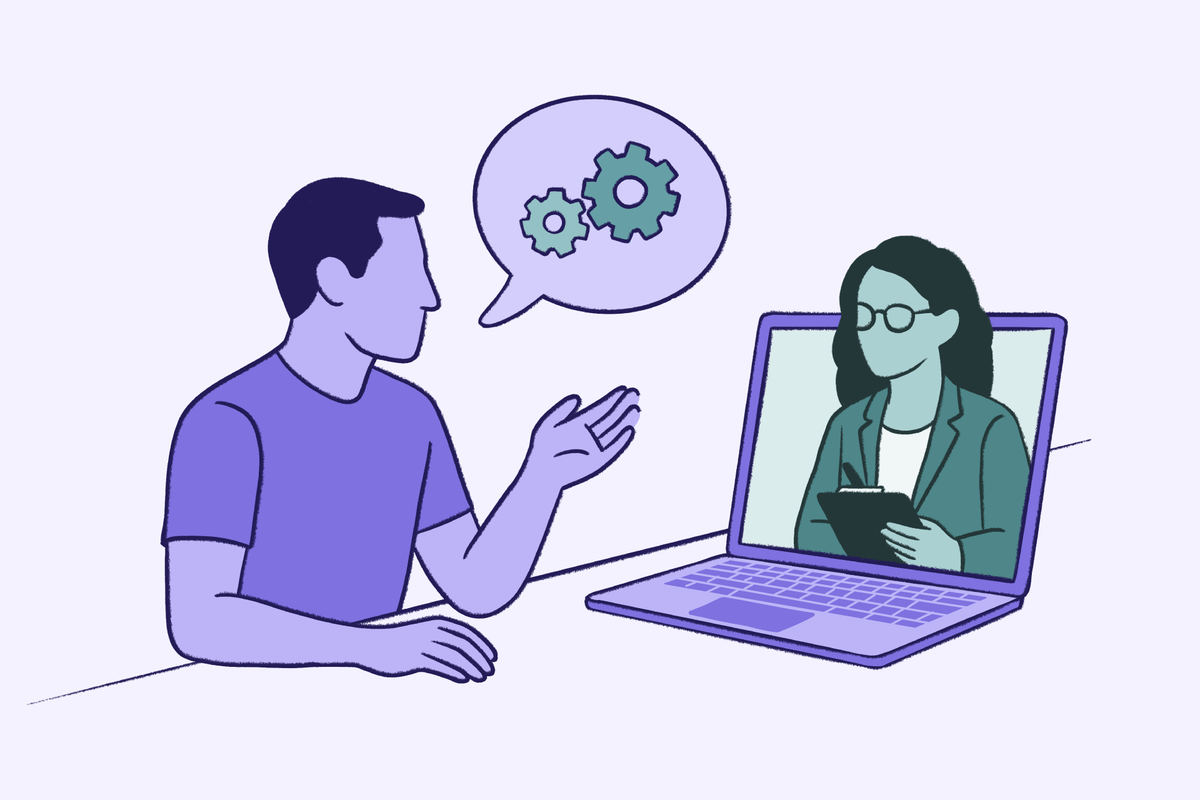
Finding the right virtual therapist can feel overwhelming, especially when you're already dealing with stress, anxiety, or other challenges. The good news is that online therapy has made getting support more accessible than ever. These convenient and confidential online therapy platforms mean you can connect with licensed therapists from the comfort of your home, on your schedule, without the hassle of commuting or sitting in waiting rooms.
Curious about platforms like BetterHelp and Talkspace or wondering how to choose between different online therapy options? We explain what online therapy actually is, how to find the best online therapy platform for your needs, and answer the most common questions people have when they're getting started.
How Online Therapy Works: Connect With Care From Anywhere
Online therapy (also called teletherapy, telemedicine, or e-therapy) connects you with licensed mental health professionals through digital platforms instead of in-person office visits. Most online platforms offer individual therapy, though some also provide group therapy sessions. You can talk to your therapist through video calls, phone sessions, live chat, or messaging—whatever feels most comfortable.
These are often the same licensed therapists you'd find in traditional therapy settings—many offer both online and in-person sessions. And research shows online therapy is just as effective for treating conditions like depression, anxiety, and PTSD.
Find The Perfect Treatment For You
Answer a few questions and we'll match you with the best options.
What Are You Struggling With?
What Kind of Care Do You Need?
What Insurance Do You Have?
Types of Online Therapy Platforms
Understanding the different types of therapy platforms can help you find one that fits your budget and preferences.
Subscription-Based Online Therapy Platforms
Virtual therapy platforms like BetterHelp and Talkspace charge a weekly or monthly fee for unlimited messaging and scheduled sessions. You complete a questionnaire, get matched with a licensed therapist, and can start immediately. These virtual therapy platforms typically don't accept insurance but often cost less than traditional out-of-pocket rates.
Virtual Therapy Platforms That Take Insurance
Some virtual therapy platforms like Headway, Grow Therapy, and MDLive work directly with insurance companies to reduce your costs. Check if therapists are in-network with your plan to maximize your benefits. Some subscription platforms provide invoices you can submit to your insurance for potential reimbursement. Verify that your plan covers telehealth services and check your copay before starting.
Specialized Virtual Therapy Platforms
Certain online therapy platforms focus on specific populations, such as:
- Teen Counseling services for adolescents
- Pride Counseling for LGBTQIA+ affirming care
- Regain for couples therapy
If you have specific needs or want expertise in a certain area, these specialized platforms may help you find a better match faster.
*Pricing and features may vary; always confirm details directly with the platform.
Explore Online Therapy Treatment Centers
How to Choose the Right Online Therapy Platform
Picking the right virtual therapy platform doesn't have to be complicated. Here are 5 simple steps to guide your search:
#1 Consider Your Specific Therapy Needs
Start by thinking about what you're looking for in therapy options. Do you need help with anxiety, bipolar disorder, ADHD, relationship issues, or trauma? Are you looking for specific therapy modalities like dialectical behavioral therapy (DBT) or EMDR? What's your budget, and how much can you realistically spend each month? Also consider your schedule: Do you need evening or weekend appointments? Some online therapy platforms offer more flexibility than others, so knowing your priorities helps you narrow down your options.
#2 Check Therapist Credentials and Licensing
Your therapist should be fully licensed in your state to practice. Legitimate online therapy platforms will clearly display their clinicians' credentials, including their license type (LCSW, LPC, PhD, PsyD, etc.) and license numbers. Don't hesitate to verify these credentials through your state's licensing board website. A qualified therapist has completed graduate-level education, supervised clinical hours, and passed state exams.
Note: Therapists must be licensed in the state where you're located during your session. Reputable platforms verify this automatically, but always confirm your therapist holds a valid license in your state before starting treatment.
#3 Look for Security and Privacy Features for Virtual Care
Your therapy conversations should be completely confidential. Look for online platforms that are HIPAA-compliant, which means they follow strict federal privacy standards for mental health care information. Check that the platform uses encrypted communication for all virtual sessions and messaging. Virtual therapy platforms should also have clear privacy policies about how they store and protect your data. Your mental health information is sensitive, and it deserves the highest level of protection.
#4 Read Reviews and Try Free Trials of Multiple Virtual Therapy Platforms
Before committing, see what other users say about their experiences. Look for reviews on independent sites, not just testimonials on the platform's own website. Many online therapy platforms offer free trials or consultation calls, which let you test the interface and see if it feels like a good fit. Pay attention to how easy the platform is to navigate and whether customer service is responsive if you have questions.
#5 Match with Your Communication Preference
Think about how you communicate best. If you process your thoughts better by writing, a virtual therapy platform with robust messaging features might work well. If you need to see someone's face to feel connected, prioritize platforms with reliable high-quality video. Some people prefer phone sessions because they can talk while walking or doing other calming activities. There's no wrong answer—just what works best for you.














Comparing Online Therapy Options: Which Platform Is Right for You?
If you’re exploring online therapy, each platform offers different pricing, communication styles, and insurance options. Here’s a clear breakdown to help you choose what fits your needs:
- BetterHelp
- Costs about $65–$100 per week
- Offers video, phone, messaging, and live chat
- Does not accept insurance
- Best for general mental health support
- Includes a large therapist network, unlimited messaging, and easy therapist switching
- Talkspace
- Costs about $69–$109 per week
- Offers video sessions and messaging
- Accepts some insurance plans
- Best for ongoing support between sessions
- Includes psychiatry services and a focus on asynchronous (non-real-time) messaging
- Headway
- Cost depends on your insurance copay
- Offers video sessions
- Accepts insurance
- Best for patients who want to use their insurance coverage
- Includes direct insurance billing and a vetted therapist network
- MDLive
- Costs about $108 per session or a copay with insurance
- Offers video and phone sessions
- Accepts insurance
- Best for quick access to care
- Includes same-day appointments and prescription services
- Grow Therapy
- Cost depends on your insurance copay
- Offers video sessions
- Accepts most major insurance plans
- Best for affordability with insurance
- Includes transparent pricing and the ability to browse therapists before booking
Benefits of Online Therapy
Virtual therapy offers several advantages that make mental health services more accessible and convenient.
- Accessibility and convenience: Connecting with therapists from anywhere with internet access reduces location- and transportation-related challenges.
- Flexibility in scheduling: Many platforms offer evening and weekend appointments, plus messaging options that let you communicate on your schedule.
- Comfort of a familiar environment: Being in your own space can help you feel more relaxed and open during sessions.
- Often more affordable: Depending on your provider, online sessions may cost less than in-person therapy, especially without insurance, making affordable therapy more accessible.
- Reduces common barriers: Online therapy services can reduce the need for childcare, commuting, and sitting in waiting rooms, making it more accessible for people with busy schedules, disabilities, or social anxiety.
- Supports ongoing wellness: Regular access to mental health support helps you maintain your progress and address concerns before they become crises.
Limitations to Consider
You'll need reliable internet and a private space for sessions, and technical issues can be disruptive. Some insurance plans don't cover telehealth or cover it at lower rates. Some people simply prefer in-person connection for reading body language and building rapport.
Online psychotherapy isn't appropriate for mental health crises or severe symptoms requiring immediate care. If you're in crisis, call 988 for the Suicide and Crisis Lifeline, text "HELLO" to 741741 for the Crisis Text Line, or go to your nearest emergency room.
Is Online Therapy Effective?
Research consistently shows online therapy produces outcomes comparable to in-person therapy for a variety of mental health conditions. The convenience factor helps people stick with their treatment plan longer, which has a big impact on your results.
A 2024 analysis of over 5,600 participants also found that mental health programs delivered through social media platforms effectively reduced symptoms of anxiety, depression, and stress when guided by real professionals.
Effectiveness depends on finding the right therapist and consistently showing up and doing the work. Online therapy requires the same commitment as any form of therapy, but can lower the barriers that often prevent people from getting help.
Getting Started with Online Therapy
Ready to take the first step towards better well-being? Use our treatment finder to browse the best online therapy providers, compare your options, and find someone who meets your unique needs.
FAQs
A: Some virtual therapy platforms offer free consultations or trial periods, but ongoing therapy typically requires payment. If cost is a barrier, look into community mental health centers, reduced-fee therapy networks like Open Path Collective, or therapists who offer sliding-scale fees based on income.
A: The "best" online therapy platform depends on your individual needs. BetterHelp has the largest network, Talkspace offers psychiatry services, and insurance-based platforms like Headway can be most affordable if you have coverage. Consider your budget, insurance situation, and communication preferences when choosing.
A: No, BetterHelp is not free. It operates on a subscription model costing approximately $65–$100 per week. However, they offer financial aid for those who qualify, which can reduce the weekly cost significantly.
A: Research shows online therapy is about as effective as face-to-face therapy for treating depression, anxiety, PTSD, and many other mental health conditions. Success depends on finding the right therapist and actively participating in treatment, regardless of format.
A: Many insurance plans now cover online therapy, especially after the COVID-19 pandemic expanded telehealth coverage. However, coverage varies by plan. Check with your insurance provider and use platforms like Headway or Grow Therapy that work directly with insurance.
A: Pros include convenience, affordability, flexible scheduling, and access from anywhere. Cons include technology requirements, potential for technical issues, limited ability to handle crisis situations, and some people's preference for in-person connection.
A: Look for proper licensing in your state, experience treating your specific concerns, a therapeutic approach that resonates with you, and someone you feel comfortable talking to. Don't hesitate to try a few therapists before settling on one—finding the right fit matters more than sticking with the first match.



Our Promise
How Is Recovery.com Different?
We believe everyone deserves access to accurate, unbiased information about mental health and recovery. That's why we have a comprehensive set of treatment providers and don't charge for inclusion. Any center that meets our criteria can list for free. We do not and have never accepted fees for referring someone to a particular center. Providers who advertise with us must be verified by our Research Team and we clearly mark their status as advertisers.
Our goal is to help you choose the best path for your recovery. That begins with information you can trust.