Find Treatment By
Rehabs by Location


Learn
About Us
Recovery.com combines independent research with expert guidance on addiction and mental health treatment. Our mission is to help everyone find the best path to recovery through the most comprehensive, helpful network of treatment providers worldwide.
Advisory Council
Our advisory council brings together leaders in behavioral health, technology, and business. Their diverse expertise ensures our resources and product are innovative, evidence-based, and effective. They guide our mission as accomplished individuals dedicated to improving the landscape of addiction recovery and mental wellness.
Prescription Stimulant Addiction: Types and Treatment Options




Stimulant addiction, also known as stimulant use disorder, is a pattern of compulsive drug use that continues despite the problems it causes.1 Stimulants are a broad class of drugs that increase activity in the central nervous system. They include prescription medications such as Adderall, Ritalin, Concerta, and Dexedrine, in addition to substances more commonly associated with nonmedical or illicit use, such as cocaine, methamphetamine, bath salts, and khat.2
In 2021, an estimated 3.7 million people in the United States misused a prescription stimulant in the past year, and 1.5 million met the criteria for a prescription stimulant use disorder.3 Effective, evidence-based treatment for stimulant addiction exists, and recovery is possible.4
What Is Stimulant Addiction?
Stimulant addiction is diagnosed by treatment professionals as a stimulant use disorder. The DSM-5 describes two common patterns of stimulant use for both cocaine and amphetamine-type drugs: chronic daily use and episodic use, in which intense periods of use are separated by several days of abstinence.5 Stimulants such as dextroamphetamine and methylphenidate act on the brain's dopamine and norepinephrine systems, increasing chemical activity involved with reward, motivation, and alertness.6
When stimulants are used in excessive amounts or in ways other than prescribed, they can produce rapid, pronounced increases in dopamine signaling in the brain. This can result in an intense euphoria and a powerful reinforcement to continued use.6 Over time, repeated use can result in tolerance to the drug effects, which can further drive increasing use. Essentially, the brain adapts in ways that lead to the development of both significant physical dependence and eventual compulsive patterns of use.7
Dependence and addiction often occur together, but they aren't the same thing. It's possible to become physically dependent on a prescription stimulant, meaning your body adjusts to it and may experience withdrawal without it, and separately or additionally develop the compulsive, harmful pattern of use that defines a stimulant use disorder.6
Find The Perfect Treatment For You
Answer a few questions and we'll match you with the best options.
What Are You Struggling With?
What Kind of Care Do You Need?
What Insurance Do You Have?
Types of Stimulant Use
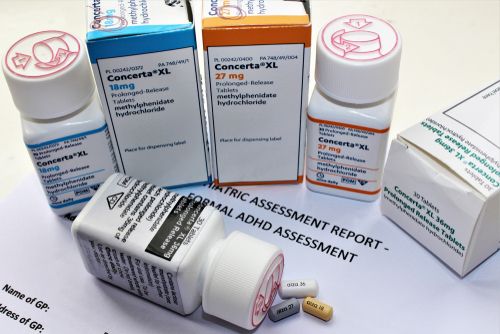
Stimulant use includes both prescription medication use as well as illicit or non-medical use Prescription stimulant addiction and treatment most often involves medications intended for prescription use for attention-deficit hyperactivity disorder (ADHD), narcolepsy, and occasionally treatment-resistant depression, including Ritalin, Concerta, and Dexedrine.6 When taken exactly as prescribed, these medications can safely improve focus and wakefulness, but taking a different dose than prescribed, using them a different way, or using someone else's prescription all count as misuse and can make addiction development more likely.8
Cocaine and methamphetamine, along with less common substances like bath salts, flakka, and khat, are all associated with widespread illicit use.2 Methamphetamine is a synthetic stimulant with a high potential for addiction that produces intense euphoria, increased alertness, and decreased appetite, but it also carries serious risks including irregular heartbeat, kidney damage, and overdose.9
Explore Prescription Drugs Treatment Centers
Signs and Symptoms of Stimulant Misuse and Addiction
Signs of stimulant use, misuse, and addiction vary depending on the specific drug and how long someone has used it, but they generally fall into physical and emotional or behavioral categories.6
Physical symptoms
- Increased heart rate and blood pressure.6
- Decreased appetite and noticeable weight loss.9
- Insomnia or disrupted sleep.6
- Chest pain or a racing heart, especially at high doses.11
- Dangerously high body temperature at high doses.6
- Irregular heartbeat, and in severe cases, cardiovascular failure.6
- Seizures.6
- Increased risk of muscle damage and related kidney injury with methamphetamine use specifically.9
- Needing more of the drug over time to feel the same effects, known as tolerance.10
Emotional and behavioral symptoms
- Intense cravings or urges to use.10
- Continuing to use despite negative effects on health, relationships, or work.10
- Psychological withdrawal symptoms like anhedonia and depression.6
- Hostility, paranoia, or in severe cases, psychosis with repeated misuse.6
- For prescription stimulants specifically, requesting early refills or using more than prescribed.8
A healthcare provider uses the criteria in the DSM-5 to diagnose a stimulant use disorder. According to the DSM-5, a diagnosis requires at least two of the following within a 12-month period:10
- Taking the stimulant in larger amounts or for longer than intended.
- A persistent desire or unsuccessful attempts to cut down or control use.
- Spending a lot of time getting, using, or recovering from the drug.
- Cravings or a strong desire to use.
- Recurrent use that leads to failing to fulfill major responsibilities at work, school, or home.
- Continued use despite ongoing social or relationship problems caused by the drug.
- Giving up or reducing important activities because of use.
- Using the drug in situations where it's physically hazardous.
- Continued use despite knowing it's causing or worsening a physical or psychological problem.
- Tolerance, or needing more of the drug to get the same effect.
- Withdrawal symptoms, or using the drug to avoid withdrawal.
The last two criteria don't count toward a diagnosis if a person is taking a prescription stimulant exactly as prescribed.10














What Causes Stimulant Addiction?
No single factor causes stimulant addiction. Instead, it develops through a combination of biological, psychological, and environmental influences.7
Biologically, stimulants act directly on the brain's dopamine reward pathway. Each time dopamine floods the brain in response to stimulant use, the circuits that drive motivation and memory become more strongly activated, which reinforces the urge to use again.7 Cocaine and methamphetamine also differ in how long they stay active in the body: cocaine's effects last around 60 minutes, while methamphetamine's last closer to 10 hours, which can shape how often and how much a person uses.7
Environmentally, easy access to prescription stimulants, peer pressure, and pressure to perform academically or athletically can all increase the likelihood of misuse.8
How Stimulant Addiction Affects Daily Life
Stimulant addiction can take a serious toll on the body, mind, and daily life. Repeated stimulant use strains the cardiovascular system and can contribute to complications ranging from chest pain to cardiac arrhythmias to more catastrophic cardiovascular events (infarction, stroke, sudden cardiac death), especially at high doses or in combination with other drugs.11 The condition can also affect memory, concentration, and mood, making it harder to keep up with work, school, or relationships over time.6
Overdose is also a real risk. In 2023, an estimated 33 percent of U.S. drug overdose deaths involved psychostimulants with abuse potential, such as methamphetamine, and in the 37 states and the District of Columbia that track this data, 47 percent of overdose deaths involved both opioids and stimulants together, largely because illicit stimulants are increasingly contaminated with fentanyl.12 Signs of a stimulant overdose can develop quickly and require emergency medical attention, and mixing opioids and stimulants raises that risk even further.12
These effects are serious, but they're also treatable. Many of the physical and cognitive effects of stimulant addiction improve with sustained treatment and time away from the drug.4
Treatment for Stimulant Addiction
There are currently no medications approved by the U.S. Food and Drug Administration to treat stimulant use disorder, so behavioral therapy is the primary evidence-based approach.9 Prescription stimulant treatment options and general stimulant treatment programs typically draw from the same core set of therapies.
Cognitive behavioral therapy helps people identify and change the thought patterns and behaviors that drive stimulant use.9 Contingency management, which offers tangible rewards for meeting treatment goals like negative drug tests, is considered one of the most effective approaches specifically for stimulant use disorder.4 Motivational interviewing helps people work through ambivalence about change and build their own motivation to reduce or stop using.9
Treatment can happen in outpatient settings, where a person attends regular counseling sessions while living at home, or in more structured inpatient settings that provide around-the-clock support.4 For prescription stimulants specifically, quitting Concerta safely or quitting bath salts often involves a supervised tapering process to help manage withdrawal symptoms safely.6 And though there are no medications specifically FDA-approved for stimulant addiction, in some cases certain medications (both psychostimulant and non-stimulant types) may be prescribed off-label by treatment professionals to reduce use, manage withdrawal, address co-occurring conditions, and otherwise treat people with stimulant use disorder.
How to Help Someone With a Stimulant Addiction
If you're worried about a friend or family member's stimulant use, you're not alone, and there are ways to help. Addiction can develop regardless of where someone lives or how capable they are, so it isn't something a loved one could have simply avoided through more willpower.1
Start by having a calm, honest conversation when the person isn't under the influence, focusing on your concern rather than blame. If your loved one is unwilling to acknowledge the problem, a formal intervention with the help of a counselor or interventionist can sometimes open the door to treatment. Throughout the process, try to avoid enabling behaviors, like providing money that could be used to buy drugs, and make time to protect your own well-being.1 too. If you're not sure where to start, talking with a trusted healthcare provider or counselor can help you figure out the right next step.1
Find Treatment Centers for Prescription Stimulant Addiction
Misusing prescription stimulants like Adderall, Ritalin, or Dexedrine can quickly impact your health, school, work, and relationships. If you or someone you love is struggling, Recovery.com can help you find treatment centers that offer detox, inpatient rehab, outpatient programs, and ongoing support for stimulant use disorder. Compare trusted options and take the first step toward lasting recovery today.
Yes. Stimulant use disorder is the clinical term for what's commonly called stimulant addiction, and the two terms describe the same condition.5
Dependence means your body has adjusted to a stimulant and experiences withdrawal symptoms without it, which can happen even when a medication is taken exactly as prescribed. Though physiological dependence is part of the diagnostic criteria for substance use disorders, it is not entirely synonymous. Instead the concept of addiction more broadly involves a compulsive pattern of use that continues despite negative consequences.6
Misusing prescription stimulants can lead to serious health risks such as high There's no set timeline. How quickly someone develops a stimulant use disorder depends on factors like the specific drug, how it's used, and individual biological and psychological risk factors.7 Because addiction can develop unpredictably, it's worth paying attention to early signs of misuse rather than waiting for a specific amount of time to pass.1
There are currently no medications approved by the FDA specifically to treat stimulant use disorder.9 However, this may be changing with off-label pharmaceutical management of stimulant addiction becoming more of a possibility in recent years. Today, treatment relies on behavioral therapies like cognitive behavioral therapy and contingency management, which have strong evidence behind them.4
Treatment for prescription stimulant addiction often includes inpatient rehab, outpatient programs, behavioral therapy, and aftercare planning. Because addiction is a chronic but treatable condition, individualized treatment plans are important for long-term recovery. With the right support, many people can manage stimulant use disorder and rebuild their lives.
It's possible, though taking a prescription stimulant exactly as directed lowers the risk compared to misuse.6 Tolerance and withdrawal alone don't count toward a stimulant use disorder diagnosis when a medication is used as prescribed, but a compulsive pattern of use can still develop and is worth discussing with your prescriber.10



Our Promise
How Is Recovery.com Different?
We believe everyone deserves access to accurate, unbiased information about mental health and recovery. That's why we have a comprehensive set of treatment providers and don't charge for inclusion. Any center that meets our criteria can list for free. We do not and have never accepted fees for referring someone to a particular center. Providers who advertise with us must be verified by our Research Team and we clearly mark their status as advertisers.
Our goal is to help you choose the best path for your recovery. That begins with information you can trust.