Find Treatment By
Rehabs by Location


Learn
About Us
Recovery.com combines independent research with expert guidance on addiction and mental health treatment. Our mission is to help everyone find the best path to recovery through the most comprehensive, helpful network of treatment providers worldwide.
Advisory Council
Our advisory council brings together leaders in behavioral health, technology, and business. Their diverse expertise ensures our resources and product are innovative, evidence-based, and effective. They guide our mission as accomplished individuals dedicated to improving the landscape of addiction recovery and mental wellness.


About Rancho Recovery
Rancho Recovery provides high-end substance use treatment in an intimate, 10-bed setting where clients benefit from the individual attention they deserve instead of getting lost in the shuffle. Guided by the understanding that recovery is a personal journey, they strive to find the unique key that frees each client from addiction, empowering them to embrace a renewed life of sobriety in comfort and style.
Explore Many Options for Healing
Rancho Recovery offers multiple therapeutic modalities tailored to each client’s needs. Clients participate in individual therapy to get to the root of addiction, counselor-facilitated group therapy to share experiences with others in similar circumstances, and family therapy to heal relationships together. Cognitive behavioral therapy (CBT) helps clients gain control over addictive tendencies, while neurofeedback encourages healthier brain activity through real-time feedback. Relapse prevention education provides practical tools to manage temptation and navigate the changes that accompany sobriety.
Experience a Bit of Paradise in a Central Location
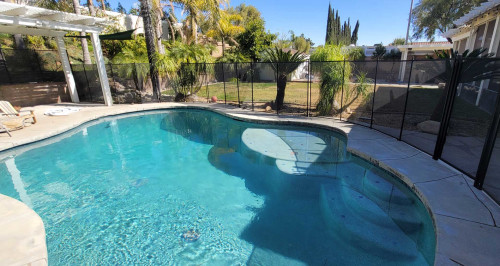
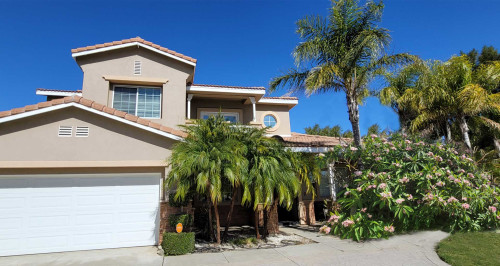
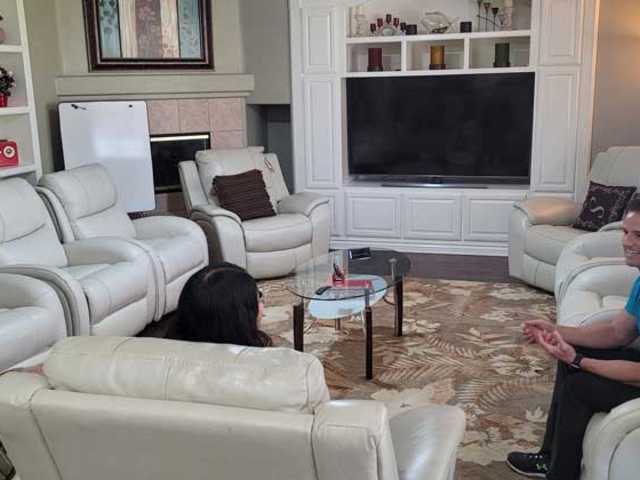
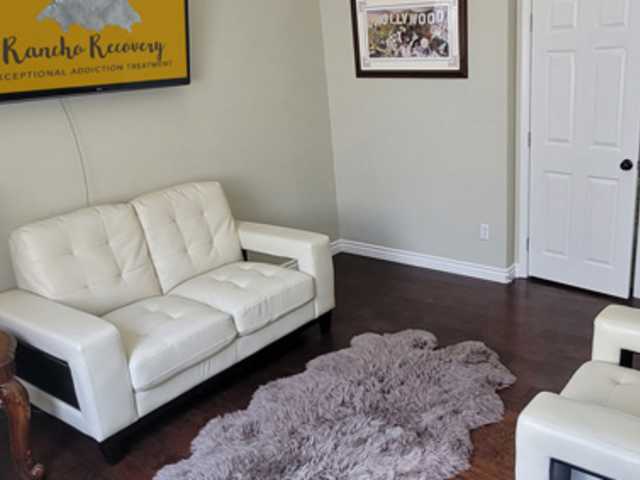
Conveniently situated near major freeways yet tucked away from the hustle and bustle of city life, Rancho Recovery offers a serene setting to relax and rejuvenate. Just a stone’s throw away from the vibrant Victoria Gardens, clients enjoy an inclusive home-like setting with foothill views, a lush garden backyard, a saltwater pool, and spacious shared bedrooms with balconies. Gourmet meals prepared by a private chef, outdoor yoga sessions, massage and spa treatments, and a gym membership support overall well-being.
Maintain Momentum After Residential Treatment
Rancho Recovery’s commitment to clients extends beyond their time on site. They provide aftercare and alumni services, including ongoing support groups, social events, and workshops, to help clients maintain their recovery and stay connected to their supportive community. Flexible outpatient programs allow clients to continue their recovery journey while maintaining daily commitments.
Highlights from the Center
Pool
Medically Assisted Detox
Certified Professionals
12-Step Approach
Center Overview
Insurance Accepted

















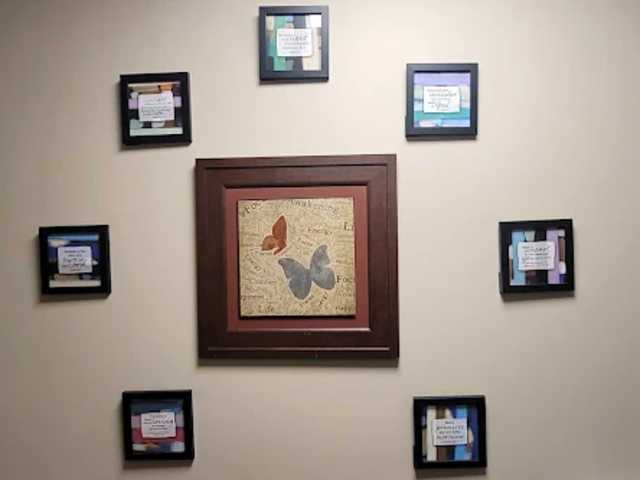
Recovery.com Verified Listing
Recovery.com verified that the name, location, contact information and license to operate for this treatment provider are valid and up-to-date.
Joint Commission Accredited
Licensed by California DHCS
Recovery.com is an independent, third-party mental health resource. Verification does not imply endorsement and does not guarantee the quality of treatment services.
Supportive Medication for Recovery
Medication-Assisted Treatment (MAT) is an evidence-based approach that pairs FDA-approved medications with counseling to treat addiction. The medications are used to reduce cravings, ease withdrawal symptoms, or block the effects of substances. More about MAT
Methadone

Naltrexone
Buprenorphine

Note: Treatment centers offer different forms of MAT—such as oral tablets, dissolvable films, or monthly injections—and their policies can vary based on state regulations, provider preferences, and insurance coverage. Because of these differences, it's best to contact the center directly to learn what options are available and what might be right for your situation.
Your Care Options
Specializations
Who We Treat
Treatment Services
Approaches
Therapies
Languages
Conditions We Treat
Substances We Treat
Aftercare
Care Designed for Your Needs
Personal Amenities
Amenities
Special Considerations
Activities
Off-Site Activities
Smoking and Vaping Policy
Learn More About the Center
The Value of Family-Focused Care in Recovery
Discover how family-focused care strengthens healing and supports lasting recovery for everyone involved.
How to Cope With Cravings in Recovery
Learn practical strategies to manage cravings and stay grounded throughout the recovery journey.
Ins and Outs of Group Therapy
Explore how group therapy builds connection, accountability, and confidence in recovery.
Addressing the Impact of Cannabis Use Disorder on Young People
Understand how cannabis use disorder affects young people and what supports meaningful recovery.