Find Treatment By
Rehabs by Location


Learn
About Us
Recovery.com combines independent research with expert guidance on addiction and mental health treatment. Our mission is to help everyone find the best path to recovery through the most comprehensive, helpful network of treatment providers worldwide.
Advisory Council
Our advisory council brings together leaders in behavioral health, technology, and business. Their diverse expertise ensures our resources and product are innovative, evidence-based, and effective. They guide our mission as accomplished individuals dedicated to improving the landscape of addiction recovery and mental wellness.
Physical Effects of Alcohol on the Body


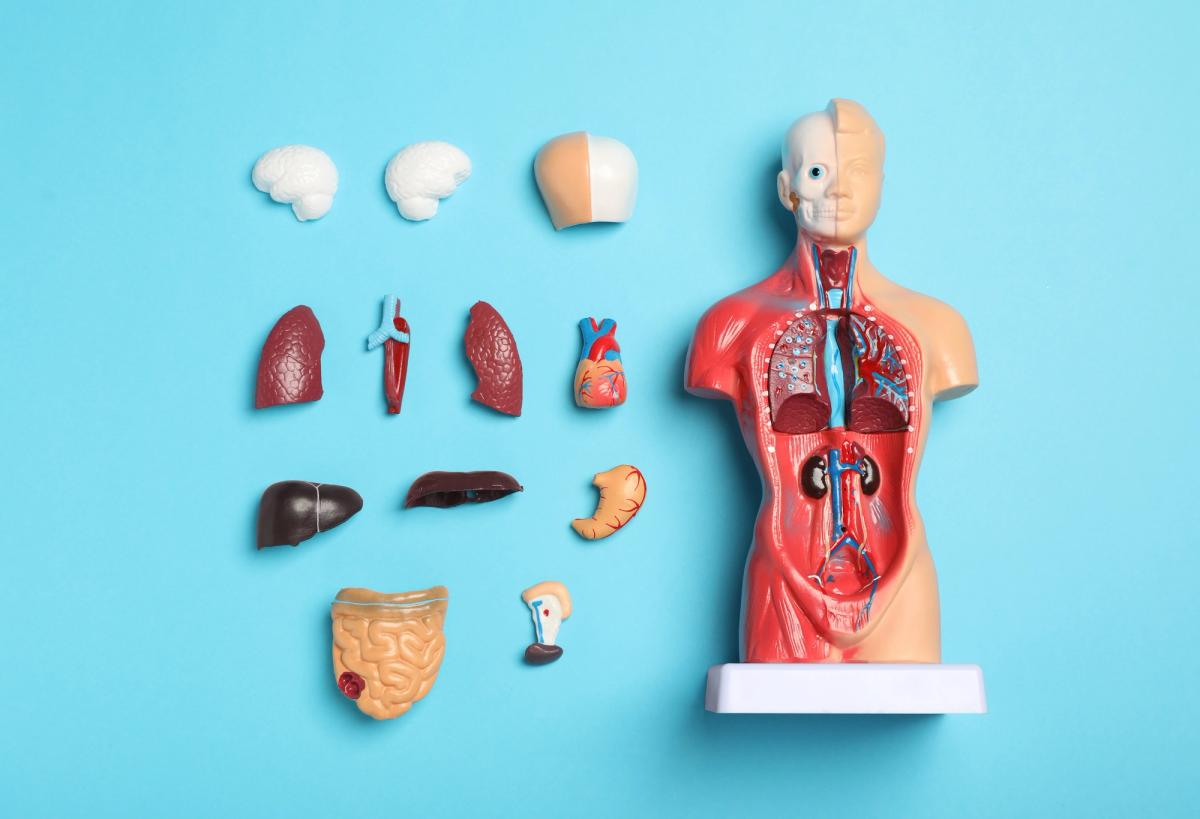
Alcohol affects nearly every organ in the body and plays a causal role in more than 200 diseases, health conditions, and injuries worldwide.1,2 It has both short- and long-term effects, causing immediate impairment after drinking and, with ongoing heavy use, increased risk of serious damage across several organ systems in the body.2
If you or someone you care about is struggling with alcohol use, understanding how alcohol affects the body can help you make informed decisions about your health. This guide walks through the short- and long-term physical effects of alcohol, including its impact on different body systems and organs. You'll also learn about evidence-based treatment options that can help if drinking is affecting your health or well-being.
How Alcohol Moves Through the Body
When someone drinks alcohol, it quickly moves from the stomach to the intestines and into the bloodstream.2 When you drink on an empty stomach, alcohol is absorbed more quickly than it would be after a meal, resulting in a relatively faster rise in blood concentration (BAC).2
The liver starts breaking down alcohol almost immediately, but it can only process a limited amount at a steady rate.2 Body size, genetics, liver function, whether someone has eaten, and how quickly they drink all play a role in how rapidly the body processes alcohol. In any scenario, however, drinking faster than the body can metabolize alcohol causes BAC to climb, resulting in cumulative intoxication and greater impairment.2
Understanding Standard Drinks
Understanding the different types of alcoholic beverages and how their alcohol content varies can help you or a loved one track how much you’re consuming in a sitting.
A standard drink in the U.S. contains 14 grams (or about 0.6 fluid ounces) of pure ethanol, which is equivalent to:2
- 12 ounces of regular beer (5% ABV).
- 8 to 10 ounces of malt liquor or flavored malt beverages such as hard seltzer (7% ABV).
- 5 ounces of wine (12% ABV).
- 1.5 ounces of distilled spirits (40% ABV).
Heavy Drinking vs. Binge Drinking
Different drinking patterns carry different levels of risk. The National Institute on Alcohol Abuse and Alcoholism (NIAAA) defines heavy drinking as 15 or more drinks per week or five or more drinks on any single day for men, and eight or more drinks per week or four or more drinks on any single day for women.2
Binge drinking means consuming enough alcohol within about two hours to raise your blood alcohol concentration (BAC) to 0.08% or higher. For most adults, this means four or more drinks for women or five or more drinks for men.2
Find The Perfect Treatment For You
Answer a few questions and we'll match you with the best options.
What Are You Struggling With?
What Kind of Care Do You Need?
What Insurance Do You Have?
Short-Term Physical Effects of Alcohol
The physical effects of alcohol can begin within minutes of drinking and become more pronounced as BAC rises.3,4 At lower BAC levels (up to 0.05%), many people feel effects they perceive as pleasurable, like feeling more relaxed or sociable.4 But even at these levels, alcohol can start to impair attention, coordination, memory, speech, and reaction time.4
As BAC rises, these impairments become more severe.4 Balance and coordination worsen, reaction times slow, judgment becomes impaired, and the risk of injury and other alcohol-related harms increases. At very high BACs, an alcohol overdose can occur, which can be life-threatening.4
Other short-term physical effects of alcohol include:3,4
- Poor decision-making and judgment.
- Impaired driving ability.
- Slower reaction times.
- Reduced balance and coordination, increasing the risk of injury.
- Nausea and vomiting.
- Increased risk of violent acts.
- Memory blackouts.
- Loss of consciousness.
Alcohol Overdose
When someone drinks a large amount of alcohol in a short time, their BAC can rise to a dangerous level, resulting in an alcohol overdose, also known as alcohol poisoning. This is a medical emergency that requires immediate treatment.4
Warning signs of an alcohol overdose include:4
- Mental confusion or stupor.
- Inability to stay awake or loss of consciousness.
- Vomiting.
- Seizures.
- Slow or irregular breathing (fewer than eight breaths per minute or more than 10 seconds between breaths).
- Blue, clammy, or pale skin.
- Dulled responses (e.g., no gag reflex).
- Extremely low body temperature.
If you think someone is experiencing an alcohol overdose, call 911 immediately. Do not wait for all of the symptoms to appear, and never leave the person alone. If vomiting occurs, keep the person on their side or leaning forward to help prevent choking. Avoid giving them coffee, putting them in a cold shower, or trying to make them walk. These actions will not reverse alcohol poisoning and may make the situation worse.4
Explore Alcohol Treatment Centers
Long-Term Physical Effects of Alcohol
Over time, alcohol use can have long-term effects that impact nearly every organ and system in the body, increasing the risk of serious health problems.5
Brain and Nervous System
Long-term heavy drinking can cause functional and structural changes to the brain.5 Over time, alcohol disrupts communication between brain cells and changes neuronal activity, making it harder to think clearly, remember information, maintain balance, coordinate movements, and use good judgment.5,6
Alcohol also affects the peripheral nervous system, the network of nerves outside the brain and spinal cord.5 Chronic alcohol use is linked to peripheral neuropathy, which can cause burning and numbness in the arms and legs.5 Some alcohol-related nerve damage can also contribute to problems such as irregular heartbeat, low blood pressure when standing, diarrhea, and erectile dysfunction.5
Wernicke-Korsakoff Syndrome
Wernicke-Korsakoff syndrome (sometimes referred to as “wet brain”) is one of the most serious neurological complications of long-term heavy alcohol use. It is a two-stage brain disorder caused by alcohol-related brain injury combined with a severe deficiency of thiamine (vitamin B1).7
The first stage, Wernicke encephalopathy, can include confusion, poor muscle coordination, vision problems, low blood pressure, and hypothermia.7 Without prompt treatment, it can progress to Korsakoff syndrome (also called Korsakoff psychosis), which is characterized by severe memory impairment, including difficulty forming new memories. Some people may also experience hallucinations. Memory problems associated with Korsakoff syndrome are often permanent.7
Heart and Cardiovascular System
Alcohol can have complex effects on the cardiovascular system. Current evidence does not clearly support even low levels of alcohol consumption as beneficial for cardiovascular health. In contrast, binge drinking and heavy drinking are consistently associated with increased cardiovascular risk.8
Over time, chronic, heavy alcohol use can damage and weaken the heart muscle, increasing the risk of alcohol-related cardiomyopathy, a condition that reduces the heart’s ability to pump blood effectively.8 Chronic heavy drinking is also linked to high blood pressure and abnormal heart rhythms and increases the risk of ischemic heart disease and heart attack.5
Liver
The liver is the body's primary site for alcohol metabolism, making it especially vulnerable to damage from long-term heavy alcohol use.9 Alcohol-related liver disease (ALD) develops along a spectrum that begins with fatty liver (alcohol-associated steatosis) and can progress to alcohol-associated hepatitis, fibrosis, and eventually cirrhosis, in which extensive scarring permanently impairs liver function.9
Not everyone who drinks heavily develops advanced liver disease, but the risk increases with chronic excessive alcohol use. Genetics and underlying health conditions can also influence disease progression. In its most advanced stages, cirrhosis can lead to liver failure and other associated life-threatening complications, such as gastrointestinal bleeding, infections, and hepatorenal syndrome.9
Gastrointestinal System and Pancreas
Long-term heavy alcohol use can damage both the gastrointestinal system and the pancreas, leading to inflammation and other serious digestive complications.5,10
Alcohol use can irritate and inflame the stomach lining, increasing the risk of chronic gastritis.10 Alcohol can also increase intestinal permeability, leading to what is sometimes called "leaky gut."
A leaky gut may be more likely to result in an imbalance of microorganisms in the intestines and allow bacterial toxins and other potentially harmful substances to cross into the body more easily. Long-term alcohol use is also associated with an increased risk of colorectal cancer.5
Alcohol causes the pancreas to produce toxic substances that can trigger inflammation, leading to pancreatitis. While pancreatitis can occur suddenly, repeated episodes can become chronic and permanently damage pancreatic tissue.10 Chronic pancreatitis can lead to impaired digestion, poor blood sugar control, and increased risk of diabetes and pancreatic cancer.5
Immune System
Long-term heavy alcohol use can weaken the immune system, making it harder for the body to fight off infections and recover from illness.5 People who drink heavily over time are more likely to develop infectious diseases such as pneumonia and may have a harder time recovering when they get sick.5
Alcohol-related immune dysfunction can also contribute to damage in other organs, including the digestive system and liver, increasing the risk of long-term health complications. Because the immune system plays a critical role in protecting the body from disease, chronic heavy alcohol use can reduce the body's ability to maintain overall health and respond effectively to illness.5
Endocrine System
The endocrine system is a network of glands that produce hormones that regulate development, energy, metabolism, reproduction, stress responses, and other essential body functions.5,11
Long-term heavy alcohol use can disrupt communication between the nervous, endocrine, and immune systems, causing hormone imbalances that affect the entire body.11 Over time, these changes may contribute to reproductive and thyroid disorders, weakened immune function, poor bone health, certain cancers, and changes in the body's stress response, mood, and behavior.11














Alcohol and Cancer Risk
Alcohol is classified as a Group 1 carcinogen by the International Agency for Research on Cancer (IARC), meaning there’s strong scientific evidence that alcohol can cause cancer.12
According to the World Health Organization (WHO), alcohol was responsible for approximately 401,000 cancer deaths worldwide in 2019, accounting for 4.4% of all cancer diagnoses globally.1 In the U.S., alcohol contributed to an estimated 100,000 cancer cases and 25,000 cancer deaths in 2019 alone.12
The cancers most strongly linked to alcohol use include:
- Cancers of the mouth, throat, and larynx: The risk is approximately 1.1 times higher in light drinkers and up to 5 times higher in heavy drinkers compared to people who do not drink.12
- Esophageal cancer: The risk ranges from 1.3 times higher in light drinkers to 5 times higher in heavy drinkers.12
- Liver cancer: The risk roughly doubles in heavy drinkers.12
- Colorectal cancer: The risk is 1.2 to 1.5 times higher in moderate to heavy drinkers.12
- Breast cancer: Even light drinking raises breast cancer risk slightly (approximately 1.04 times), with heavier drinking associated with a 1.6-fold increase.12
When Drinking Becomes a Health Concern
Occasional alcohol use doesn't always lead to health problems, but alcohol misuse and alcohol use disorder (AUD) can increase the risk of physical, mental, and social consequences.13
Alcohol misuse means drinking in an amount, frequency, manner, or situation that could harm you or the people around you. This includes both binge drinking and heavy drinking.13 Over time, repeated alcohol misuse can contribute to the development of an alcohol use disorder (AUD).13 An AUD is a medical condition characterized by an impaired ability to control or stop alcohol use despite the negative consequences it causes.13
According to the Diagnostic and Statistical Manual of Mental Disorders, Fifth Edition (DSM-5), AUD exists on a spectrum and is classified as mild, moderate, or severe based on the number of diagnostic criteria a person meets.14 Recognizing the signs of AUD, such as drinking more than intended, experiencing cravings, developing tolerance, or continuing to drink despite its impact on health, relationships, or responsibilities, is an important first step toward getting help.14
Can the Physical Effects of Alcohol Be Reversed?
According to the National Institute on Alcohol Abuse and Alcoholism (NIAAA), many of alcohol's harmful effects on the body are reversible or can improve significantly with sustained abstinence and appropriate treatment.15 That said, how much recovery is possible depends on the part of the body affected and how long alcohol misuse has continued.15 Getting treatment early can help reduce the risk of permanent damage and support long-term physical and emotional health.
If you or a loved one is struggling, know that AUD is treatable, and evidence-based care can help you stop drinking and improve your overall health and wellbeing.15
Recovery looks different for everyone, but for people who are physically dependent on alcohol, treatment often begins with medical detox, which helps manage withdrawal symptoms safely under medical supervision.15 Detox addresses the physical effects that can occur when a person cuts back or stops drinking alcohol, but it's only the first step. Ongoing treatment, like inpatient or outpatient rehab, helps people maintain recovery and reduce the risk of relapse.15
Ongoing treatment is tailored to each person's needs and may include behavioral therapies, medication, mutual support groups, or a combination of these approaches. Evidence-based behavioral treatments include cognitive behavioral therapy (CBT), motivational enhancement therapy, contingency management, 12-Step facilitation, and couples or family therapy.15
In some cases, a person may be prescribed medications such as naltrexone, acamprosate, and disulfiram, which can help reduce cravings or support abstinence.15 Many people also find ongoing support through mutual aid groups such as Alcoholics Anonymous (AA), SMART Recovery, LifeRing, or other secular recovery programs.15
Because no single treatment works for everyone, the most effective approach is one that is personalized and addresses any co-occurring mental health conditions alongside AUD.15
Take the Next Step and Find a Treatment Program Today
If alcohol is affecting your health, effective treatment is available. Treatment for AUD can take many forms, from medical detox and residential programs to outpatient counseling and medication-assisted support. A healthcare provider can help you understand your options and identify the right level of support for your situation.
Recovery.com is a resource for alcohol addiction and recovery information and makes it easy to search for treatment programs by location, insurance, and level of care. When you’re ready to take the next step, find alcohol rehab centers near you and reach out to a program to get started.
FAQs
Alcohol begins affecting the body within minutes of consumption. Initial physical effects include slowed reaction time, mild relaxation, slightly impaired coordination, and a small rise in heart rate.3 These effects are tied directly to how quickly your BAC rises, which depends on how much you have had, how fast you drank it, and individual factors like body weight and food intake.2 As BAC climbs, effects become more pronounced and can progress to serious impairment.
Chronic heavy drinking drives a three-stage progression of liver disease: fatty liver (steatosis), which is reversible with abstinence; alcoholic hepatitis, which can range from mild to life-threatening; and cirrhosis, which causes permanent scarring and cannot be reversed.8 The liver processes roughly 95% of the alcohol you consume, making it one of the organs most vulnerable to long-term damage.8 The earlier someone stops drinking, the better the chances of preventing irreversible harm.
Many of the physical effects of alcohol can be partially or fully reversed with abstinence, particularly when addressed early. Fatty liver, elevated blood pressure, some cognitive changes, and immune suppression can all improve when drinking stops.5,8 Advanced cirrhosis, severe neurological damage such as Korsakoff syndrome, and certain cardiovascular changes are not fully reversible.6,8 Early intervention significantly improves the range of physical recovery possible.
Yes. People with female physiology generally experience stronger physical effects from the same amount of alcohol because they typically have less body water to dilute it and produce lower levels of the ADH enzyme that breaks alcohol down.2 This means they reach higher BAC levels more quickly and face a greater risk of organ damage at lower levels of consumption over time. Drinking thresholds for low-risk use are lower for women than for men as a result.2
The NIAAA defines heavy drinking as more than more drinks per week or more than three drinks on any single day for women, and more than 14 drinks per week or more than four drinks on any single day for men.2 Exceeding these thresholds significantly raises the risk of AUD and physical health complications. For cancer risk specifically, research has not identified a level of consumption that is completely without risk.9




Our Promise
How Is Recovery.com Different?
We believe everyone deserves access to accurate, unbiased information about mental health and recovery. That's why we have a comprehensive set of treatment providers and don't charge for inclusion. Any center that meets our criteria can list for free. We do not and have never accepted fees for referring someone to a particular center. Providers who advertise with us must be verified by our Research Team and we clearly mark their status as advertisers.
Our goal is to help you choose the best path for your recovery. That begins with information you can trust.