Find Treatment By
Rehabs by Location


Learn
About Us
Recovery.com combines independent research with expert guidance on addiction and mental health treatment. Our mission is to help everyone find the best path to recovery through the most comprehensive, helpful network of treatment providers worldwide.
Advisory Council
Our advisory council brings together leaders in behavioral health, technology, and business. Their diverse expertise ensures our resources and product are innovative, evidence-based, and effective. They guide our mission as accomplished individuals dedicated to improving the landscape of addiction recovery and mental wellness.
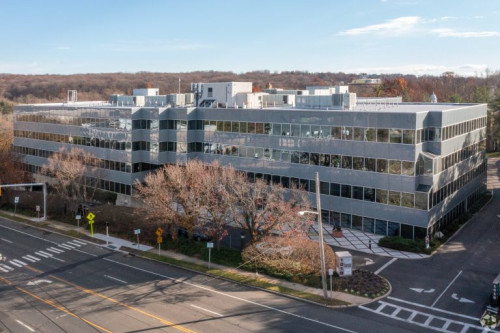
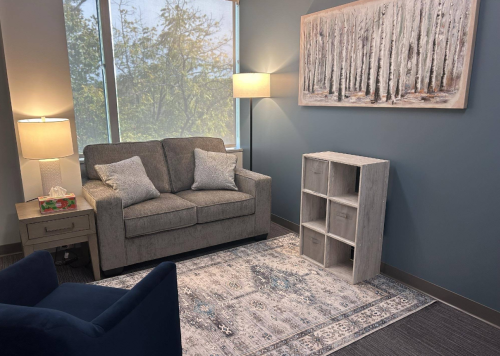
Ellie Mental Health - Great Neck
Ellie Mental Health - Great Neck
Ellie Mental Health - Great Neck
About Ellie Mental Health - Great Neck
With a mission to make mental health care accessible in every community, Ellie Mental Health in Great Neck, New York, serves children, teens, adults, couples, and families through outpatient therapy. The clinic provides in-person and telehealth services for anxiety, depression, attention-deficit/hyperactivity disorder (ADHD), autism spectrum disorder (ASD), bipolar disorder, obsessive-compulsive disorder (OCD), postpartum and perinatal concerns, personality disorders, trauma, post-traumatic stress disorder (PTSD), eating disorders, self-harm, grief, addiction, and relationship concerns. The location also supports first responders, justice-involved clients, LGBTQ+ individuals, and multicultural communities.
Therapy That Fits Different Needs
Ellie Mental Health uses cognitive behavioral therapy (CBT), dialectical behavior therapy (DBT), trauma-focused CBT (TF-CBT), eye movement desensitization and reprocessing (EMDR), internal family systems (IFS), mindfulness-based, person-centered, play, attachment-based, psychodynamic, exposure, acceptance and commitment, emotionally focused, and narrative therapies. The team also uses parent-child interaction therapy (PCIT), art therapy, solution-focused/brief therapy, rational emotive behavior therapy (REBT), and nutritional therapy. The clinic also provides gender-affirming and culturally responsive care, with clinicians experienced in supporting LGBTQ+ and BIPOC communities.
Groups and Specialized Support
In addition to individual, family, and couples therapy, the Great Neck location offers age-specific groups and special-interest based therapy. The social skills group helps children ages 10–13 build confidence,strengthen coping skills, and navigate peer relationships, while “Hear Me Roar” supports girls ages 13–16 with self-esteem, self-image, healthy relationships, and social media challenges. The clinic also incorporates interests such as gaming, tabletop role-playing games, anime, and cosplay into treatment when they help clients engage more comfortably in treatment. First responders can receive support for occupational stress and trauma, and justice-involved clients can receive therapy for concerns including trauma, substance use, anger, emotional regulation, and shame.

Center Overview

Insurance Accepted



















Cash Pay Rates
Levels of Care

