Find Treatment By
Rehabs by Location


Learn
About Us
Recovery.com combines independent research with expert guidance on addiction and mental health treatment. Our mission is to help everyone find the best path to recovery through the most comprehensive, helpful network of treatment providers worldwide.
Advisory Council
Our advisory council brings together leaders in behavioral health, technology, and business. Their diverse expertise ensures our resources and product are innovative, evidence-based, and effective. They guide our mission as accomplished individuals dedicated to improving the landscape of addiction recovery and mental wellness.
Neurodiversity 101: 5 Essential Things To Know



In recent years, there’s been a surge in conversations around neurodiversity. Many people are openly discussing autism, ADHD, neurodivergence, and neuroaffirmative therapy. But, in these conversations, many people are often confused about what these terms actually mean.
In this article, you’ll learn 5 essential things to know about neurodiversity. Better understanding these topics can help you better support all of the people in your life, whether you or they are neurodivergent or neurotypical.
1. Neurodiversity Is All-Inclusive
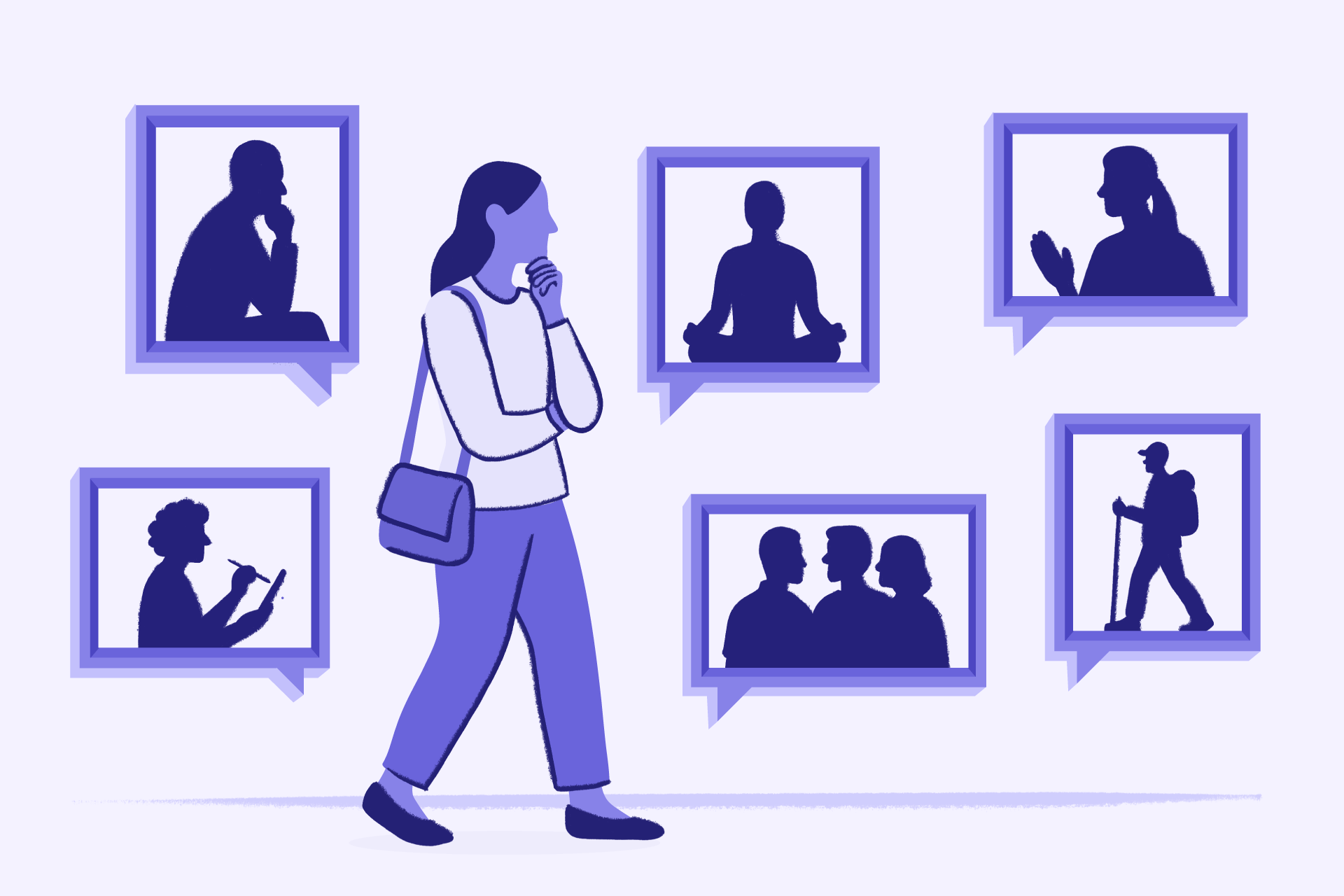
Neurodiversity is a term for the natural variability of human minds. Every single person has a unique neurotype, or way their brain is wired to think, feel, process, learn, communicate, and experience the world. People naturally vary in their neurotype, exactly as they naturally vary in the color of their skin, their sex, and other characteristics.
While the concept of neurodiversity was originally coined and discussed among Autistic adults and activists in the 1990s, neurodiversity includes everyone. And, the neurodiversity framework—which views the variation and diversity of human neurotypes as natural and valuable—applies to everyone, whether they’re Autistic, otherwise neurodivergent, or neurotypical.1
Find The Perfect Treatment For You
Answer a few questions and we'll match you with the best options.
What Are You Struggling With?
What Kind of Care Do You Need?
What Insurance Do You Have?
2. Neurodiversity vs. Neurodivergence: What's the Difference?
Some people are neurotypical, meaning their neurotype falls within what is considered “typical” and “neuronormative” in their culture. For example, a neurotypical person may talk, walk, and reach other developmental milestones at ages determined normative or “appropriate” by their doctors and teachers. They may easily socialize and communicate with most people.
Generally, a neurotypical person’s thinking and functioning are similar to those of those around them.
In contrast, neurodivergent is a term used to describe a person whose neurotype lands somewhere outside what’s considered normative. Their thinking or functioning will notably differ in some (or many) ways from most people around them.
Autism is one example of neurodivergence. When a group of people includes individuals with different neurotypes, that group can be called neurodiverse. Neurodiversity includes all neurotypes and all people, both neurotypical and neurodivergent.
Explore Neurodivergent Treatment Centers
3. Neurodivergence Includes More Than Autism and ADHD
In conversations about neurodiversity, many people mistakenly believe “neurodivergent” means autistic and/or ADHD specifically. But neurodivergence includes many other neurological experiences.
For example, neurodivergent people may experience dyslexia (difficulties with reading or writing), aphantasia (inability to visualize things in your mind), prosopagnosia (impaired ability to recognize faces), or synesthesia (when one sense experience triggers an involuntary and simultaneous experience of another sense, such as seeing colors when you listen to music).
Some people believe that psychiatric diagnoses are forms of neurodivergence as well.
Neurodivergent is an identity for anyone who thinks, perceives, feels, communicates, socializes, or otherwise functions differently than the neurotypical majority. Importantly, neurodivergent is an identity that someone claims for themself; it is not a psychiatric or medical diagnosis.














4. Every Neurodivergent Person Has a Unique Experience
The same way every person has a unique neurotype, as does every neurodivergent person. Everyone has unique strengths, difficulties, preferences, and lived experiences.
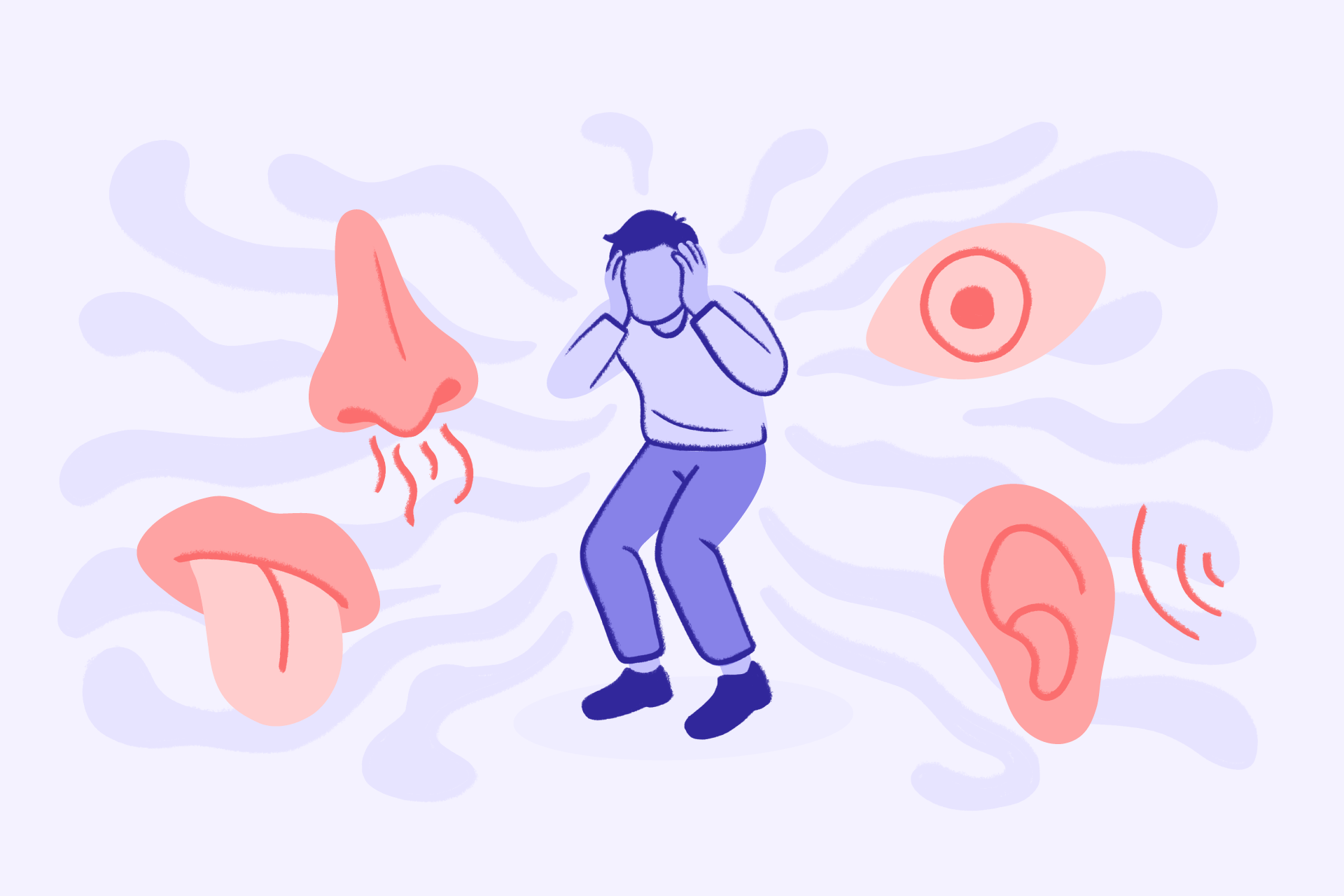
For example, Autistic people commonly have sense experiences that differ from neurotypical people’s sense experience. But, one Autistic person may feel hyper-sensitive to sound, becoming easily overwhelmed by noises around them, while another Autistic person may be hypo-sensitive to sound, seeking out loud noises as a way to self-regulate.
Autistic professor and advocate Dr. Stephen Shore has said, “if you’ve met one person with autism, you’ve met one person with autism.” This idea captures the fact that even two Autistic people can experience the world very differently.
Neurodivergent people can differ in a variety of ways. A person can have more than one neurodivergent neurotype (sometimes called “multiply neurodivergent”). For example, a person can be both Autistic and ADHD (sometimes called “AuDHD”).
A person can be allistic (non-Autistic) and still be neurodivergent. Some neurodivergent people also identify as disabled, and some do not. Recognizing and respecting this diversity is what makes the Neurodiversity Movement important.
5. Creating A More Neuroaffirming World
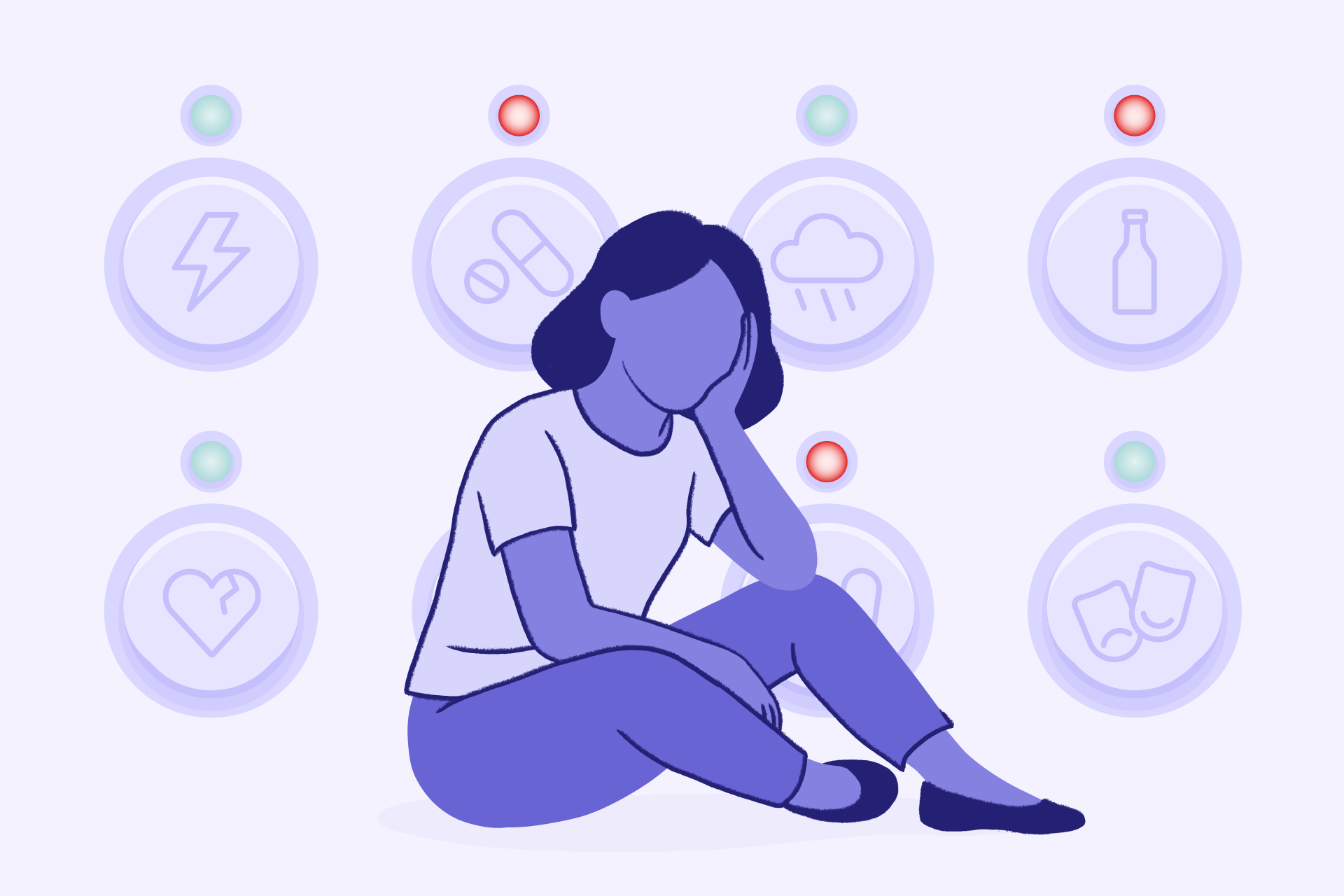
Many modern cultures assume and reward neurotypicality, while stigmatizing and pathologizing neurodivergence. Neurodivergent people may experience more mental health struggles because of these neuronormative expectations.
They may unnecessarily suffer from shame or stress around parts of themselves that are natural. Neuronormative expectations harm everyone, not just neurodivergent people. Assuming everyone thinks and functions the same can impede communication, teamwork, and collective functioning.
The Neurodiversity Movement fights against the marginalization of neurodivergent people. It advocates that there is no such thing as a “normal” brain, and that neurodivergent people should not be treated as if they are inherently flawed or disordered. In fact, the natural variability in human minds is arguably helpful for our communities.
People with different neurotypes bring different perspectives and strengths to our shared problems.
Of course, people with different neurotypes will experience different limits, needs, pains, and struggles as well. This diversity is why mental healthcare practitioners are starting to think more about how to make therapy more neuroaffirmative and respectful of neurodiversity.
How can we provide people with the professional help they need for their mental health struggles, without pathologizing or invalidating the lived experiences related to their natural neurotypes? This question is not just relevant for neurodivergent people.
Neuroaffirmative healthcare offers every person, whether neurodivergent or neurotypical, the autonomy and support to make decisions for themselves about what a healthy, joyful, and meaningful life looks like for them.
The Neurodiversity Movement hopes to create a world where everyone would be offered more opportunities to thrive according to their natural abilities and preferences, and every person would be offered more accommodations or support to cope with the experiences of their neurotype that cause pain or difficulty.
In these ways, a deeper understanding of and appreciation for neurodiversity benefits everyone.
Find Neuroaffirmative Mental Health Care
From treatment centers that offer neuroaffirmative, individualized care to intensive individual therapy programs to 24/7 structured support, the right solution is out there. Explore options for wellness-focused mental health treatment, trauma treatment centers, and more to find a safe space to heal. Find a mental health facility today and begin your journey toward stability and peace.
FAQs
Neurodiversity is the idea that differences in how people's brains work are a natural part of human diversity, rather than something that is inherently wrong or needs to be fixed.2
It recognizes that people think, learn, communicate, and experience the world in different ways, while acknowledging that some individuals may still benefit from support or accommodations.
Neurodiversity refers to the natural variation in human brains across the entire population. Neurodivergent describes an individual whose brain functions differently from what is considered typical, such as someone with autism, ADHD, dyslexia, or another neurodevelopmental difference.
Common examples of neurodivergence include autism spectrum disorder (ASD), attention deficit hyperactivity disorder (ADHD), dyslexia, dyspraxia, dyscalculia, and Tourette syndrome. There is not universal agreement on every condition that falls under the neurodivergent umbrella, but these are among the most widely recognized.
No. Neurodiversity is not a diagnosis or medical condition. It is a framework for understanding and valuing natural differences in how brains develop and function, while individual conditions such as ADHD or autism can still be medically diagnosed.
Supporting a neurodivergent person starts with recognizing that everyone's needs and strengths are different. Listening to their preferences, offering reasonable accommodations when needed, communicating clearly, and creating inclusive environments can help people thrive at school, work, and in daily life.

Our Promise
How Is Recovery.com Different?
We believe everyone deserves access to accurate, unbiased information about mental health and recovery. That's why we have a comprehensive set of treatment providers and don't charge for inclusion. Any center that meets our criteria can list for free. We do not and have never accepted fees for referring someone to a particular center. Providers who advertise with us must be verified by our Research Team and we clearly mark their status as advertisers.
Our goal is to help you choose the best path for your recovery. That begins with information you can trust.