
































More About Detox Centers
Detox is the process of removing substances from the body. These substances can include alcohol, illicit drugs, prescription drugs, and synthetic drugs. Detoxing typically takes 3-10 days, depending on what you were taking and how much you usually took. Detox is often the first step in addiction treatment.
At a detox center, you may receive medication-assisted treatment (MAT), holistic therapies, and talk therapy. Professionals use these to make the experience more comfortable and safe.
What’s The Detox Process Like?
First, you’ll likely undergo a medical assessment. This helps your treatment providers tailor the experience to your needs. Depending on the center, you may also receive medications (methadone, buprenorphine, antabuse, suboxone, tramadol, some benzodiazepines, and more) to ease withdrawals and maintain sobriety.
As you detox, nurses, doctors, or other clinical staff check on you daily to monitor your symptoms and progress. They may check in more often, depending on your needs. Detox is considered complete once your withdrawal symptoms subside and all toxins have left your system. You’ll then move into the therapeutic healing process to address what led to addiction and explore new coping mechanisms.
What Are The Success Rates of Detox Centers?
Detox centers often remove toxins and drugs from the body with success. But that’s just the first step in treatment. Detox doesn’t address the thoughts, traumas, and circumstances that may have caused addiction. That’s why detox is only considered the first, but very important, step in recovery.
Detox centers also have the element of safety since professionals lead and monitor the process. Detoxing on your own could have dangerous, and even fatal, results.
How Long Does a Typical Detox Program Last?
Detox usually lasts 5-10 days, but the total time depends on your unique circumstance. Providers will initiate detox as slow or fast as your symptoms demand.
What Kind of Support Is Offered During Detox?
Your providers may provide medication-assisted treatment, holistic treatments, and alternative services. Some holistic services include diet changes, supplements, sauna sessions, massage, and acupuncture. Other providers may use alternative treatments like ibogaine, ketamine, or psilocybin to ease withdrawals.
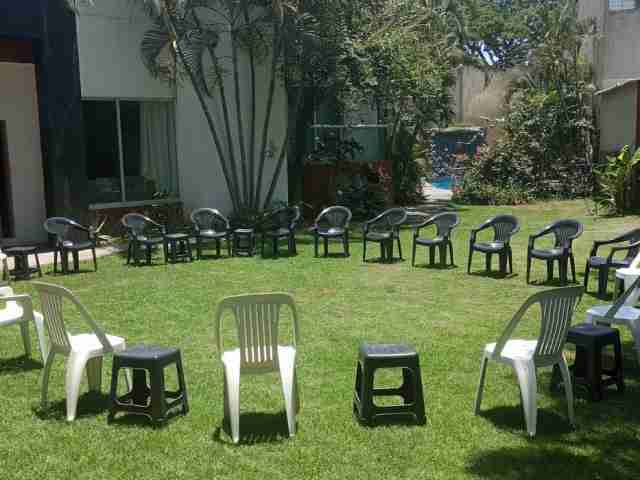
If/when you’re up for it, your treatment center may also invite you to begin therapy, usually in a group setting with others in detox. This offers emotional support during a potentially tumultuous time.
What Qualifications Do Detox Staff Members Have?
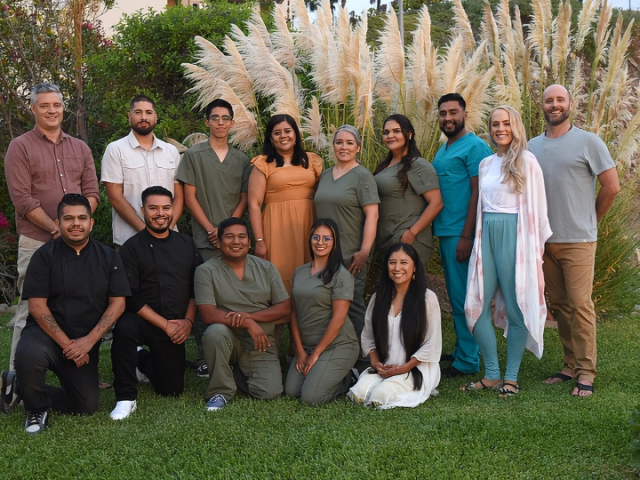
Detox staff often have specialized qualifications in detoxification and/or experience applying their clinical expertise to the detox level of care. Staff may include registered nurses, doctors, physician’s assistants, behavioral technicians, and holistic services providers.
Clinical staff (nurses, doctors, psychiatrists) prescribe and distribute all detox medications. They’re also the ones monitoring your symptoms and making sure nothing goes awry.