All CentersLindner Center of Hope

Lindner Center of Hope

Substance Use and Mental Health
Hospital
3.2
(314)
Unclaimed
Insurance

Well-Known Treatment

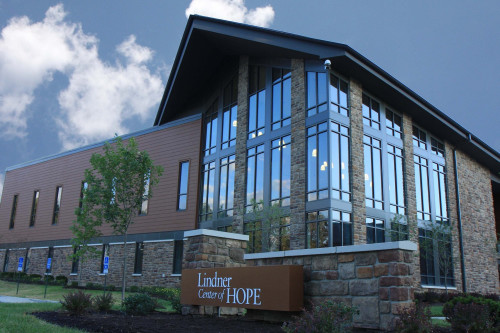
Lindner Center of Hope is a renowned treatment center known for treating a wide range of mental health conditions. Lindner Center is affiliated with UC Health as well as the University of Cincinnati (UC) College of Medicine. Some of the state's highest rated providers are offered through this alliance. Their state-of-the-art mental health facility offers short-term residential services for adults, and outpatient treatment for adolescents ages 11 and older. Lindner treats primary mental health conditions, eating disorders, and drug and alcohol addiction.

Private Bedrooms

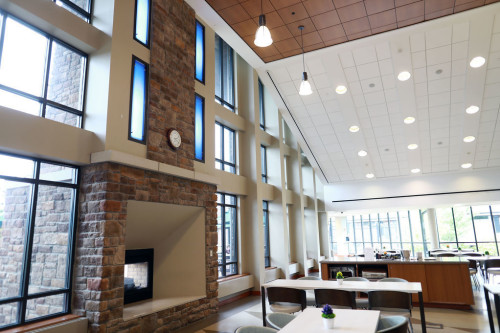
Adults needing acute inpatient care for mental health or addiction have several options. Lindner has 48 private rooms in total, with 16 rooms for acute hospital stays. For adults, 2 residential homes offer a structured environment, and 24/7 round the clock care. Adolescent mental health treatment takes place in a safe and secure outpatient setting.

Depression-Specific Therapy

The Lindner Center of HOPE's clinical programming is based on the most recent, reliable scientific research. Exposure response prevention (ERP), cognitive behavioral therapy (CBT), dialectical behavior therapy (DBT), radical open dialectical behavior therapy (RO DBT), and psychopharmacology are examples of therapies offered during treatment. Lindner also offers specialized treatment for depression using transcranial magnetic stimulation (TMS), Electroconvulsive therapy (ECT), and esketamine nasal spray.

A Science-Based Approach

The staff of the Lindner Center of HOPE is a varied group who share the belief that through uniting, they can provide hope and healing for those struggling from mental illness.

Lindner Center of Hope thumbnail
AT A GLANCE

Center Overview

Location
4075 Old Western Row Rd, Mason, OH 45040 View Map
Primary Focus
This center treats substance use disorders and mental health conditions....
Accreditation
Joint Commission
Typical Program Length
6-28 days
Founded in 2008
18 years in business
Occupancy
31-50 beds
Conditions We Treat
ADHD, Anger, Anxiety, Bipolar +15 More
Substance Use We Treat
Alcohol, Benzodiazepines, Co-Occurring Disorders, Drug Addiction +2 More
lindnercenterofhope.org
Are you the owner of this center? Claim it
MEDICATION ASSISTED TREATMENT

Supportive Medication for Recovery

Medication-Assisted Treatment (MAT) is an evidence-based approach that pairs FDA-approved medications with counseling to treat addiction. The medications are used to reduce cravings, ease withdrawal symptoms, or block the effects of substances. More about MAT

This center accepts patients receiving MAT prescribed elsewhere for opioid use disorder, but does not prescribe it.

Note: Treatment centers offer different forms of MAT—such as oral tablets, dissolvable films, or monthly injections—and their policies can vary based on state regulations, provider preferences, and insurance coverage. Because of these differences, it's best to contact the center directly to learn what options are available and what might be right for your situation.

How to pay

Insurance Accepted

Provider's Policy: In general, Lindner Center of Hope accepts payment from major insurance carriers for hospitalization. Some other services, depending upon the patient's coverage, may also be covered. They strongly encourage individuals and/or families to call their carrier and verify coverage prior to receiving care.
(513) 450-3740
Private Pay Option

Cash Pay Rates

If you are not using insurance, the pricing listed below is an estimate of the cash pay rate.
10 days
$20,000
28 days
$40,000
(513) 450-3740
Care Options

Levels of Care

Substance use and mental health issues can occur simultaneously or as primary conditions. Effective treatment explores how mental health conditions contribute to addiction, and vice-versa. Many rehabs treat substance use disorders and mental health conditions with personalized care plans.
Included
Detox
Typically the initial stage of treatment for substance use, focusing on medically supervised management of withdrawal symptoms.
Included
Residential
Residential programs for substance use and mental health with structured care and 24/7 monitoring. Treatment takes place on-site, with behavioral health professionals often providing care in group, individual, and family settings.
Not included
Sober Living
Not Offered at This Center
Transitional housing designed to support individuals recovering from substance use disorders offering a safe, supportive and structured environment for practicing long-term sobriety, while reintegrating back into daily living.
Included
Day Treatment
In a PHP, patients live at home but follow an intensive schedule of treatment. Most programs require you to be on-site for about 40 hours per week.
Included
Intensive Outpatient Program
An intensive outpatient program (IOP) falls between inpatient care and traditional outpatient services, with therapy and skills-building activities designed to support recovery and provide flexibility. IOP is ideal for those needing support but not the 24/7 care of a residential facility.
Included
Outpatient
Outpatient treatment offers flexible therapeutic and medical care without the need to stay overnight in a hospital or inpatient facility. Outpatient care typically offers a range of therapies and medical interventions individuals can attend alongside daily life.
Included
Virtual Care
Therapy and treatment delivered online through video sessions, messaging, or phone calls, so you can get care from anywhere, on a schedule that works for you.
Not included
In-Home Care
Not Offered at This Center
Clinicians come to you, providing treatment and support in the privacy and comfort of your own home.
Included
Intensive Inpatient
The highest level of care, medically managed with 24-hour nursing and physician care in a residential or medically-based setting, and can include any combination of medication, counseling and therapy.
Included
Licensed Primary Mental Health
Some primary care providers offer mental health diagnosis and treatment. This can prevent patients from developing more serious conditions.
Included
Co-Occurring Disorders
Substance use and mental health can occur simultaneously as co-occurring disorders. Treatment for co-occurring disorders involves therapy and other personalized interventions to address both conditions.
Treatment

Your Care Options

Specializations

Adolescents
Bipolar
Depression
Eating Disorders
Obsessive Compulsive Disorder (OCD)

Who We Treat

Men
Women
Couples
Older Adults
Adolescents
Children
Young Adults
LGBTQ+
Men and Women

Approaches

Evidence-Based
Individual Treatment
Non 12 Step

Therapies

1-on-1 Counseling
Acceptance and Commitment Therapy (ACT)
Cognitive Behavioral Therapy
Couples Counseling
Dialectical Behavior Therapy
Didactic Group Therapy
Expressive Arts
Family Therapy
Group Therapy

Languages

English

Conditions We Treat

ADHD
Anger
Anxiety
Bipolar
Depression
Eating Disorders
Grief and Loss
Internet Addiction
Neurodiversity

Substances We Treat

Alcohol
Benzodiazepines
Co-Occurring Disorders
Drug Addiction
Heroin
Opioids
Experience

Care Designed for Your Needs

Personal Amenities

Air-Conditioned Rooms
Desk
En Suite Bathroom
Allow Cell Phones
Private Rooms
TV

Amenities

Access to Nature
Fitness Center
Gardens
Library
Chef-prepared Meals
Outdoor Space
Snacks
Walking Trails
Lounge

Special Considerations

Dietary Accommodations
Family Program
Transition Program
Young Adults Program
Gender-specific groups

Activities

Yoga
AA/NA Meetings
Physical Fitness
Reading
Alternative Support Meetings

Smoking and Vaping Policy

Smoking Allowed in Designated Areas
Vaping Not Allowed
Frequently Asked Questions

Further Research

While costs may vary due to program length and insurance benefits, it typically costs $20,000 - $40,000.
The following therapies are included: spiritual care, stress management and more.
Mason, Ohio, United States.
In general, Lindner Center of Hope accepts payment from major insurance carriers for hospitalization. Some other services, depending upon the patient's coverage, may also be covered. They strongly encourage individuals and/or families to call their carrier and verify coverage prior to receiving care.
The typical length is 6-28 days.

Explore More

Easily search by condition, location, and other programs tailored to meet your needs.