Find Treatment By
Rehabs by Location


Learn
About Us
Recovery.com combines independent research with expert guidance on addiction and mental health treatment. Our mission is to help everyone find the best path to recovery through the most comprehensive, helpful network of treatment providers worldwide.
Advisory Council
Our advisory council brings together leaders in behavioral health, technology, and business. Their diverse expertise ensures our resources and product are innovative, evidence-based, and effective. They guide our mission as accomplished individuals dedicated to improving the landscape of addiction recovery and mental wellness.
Heroin Use and Addiction: Signs, Effects, and Dangers


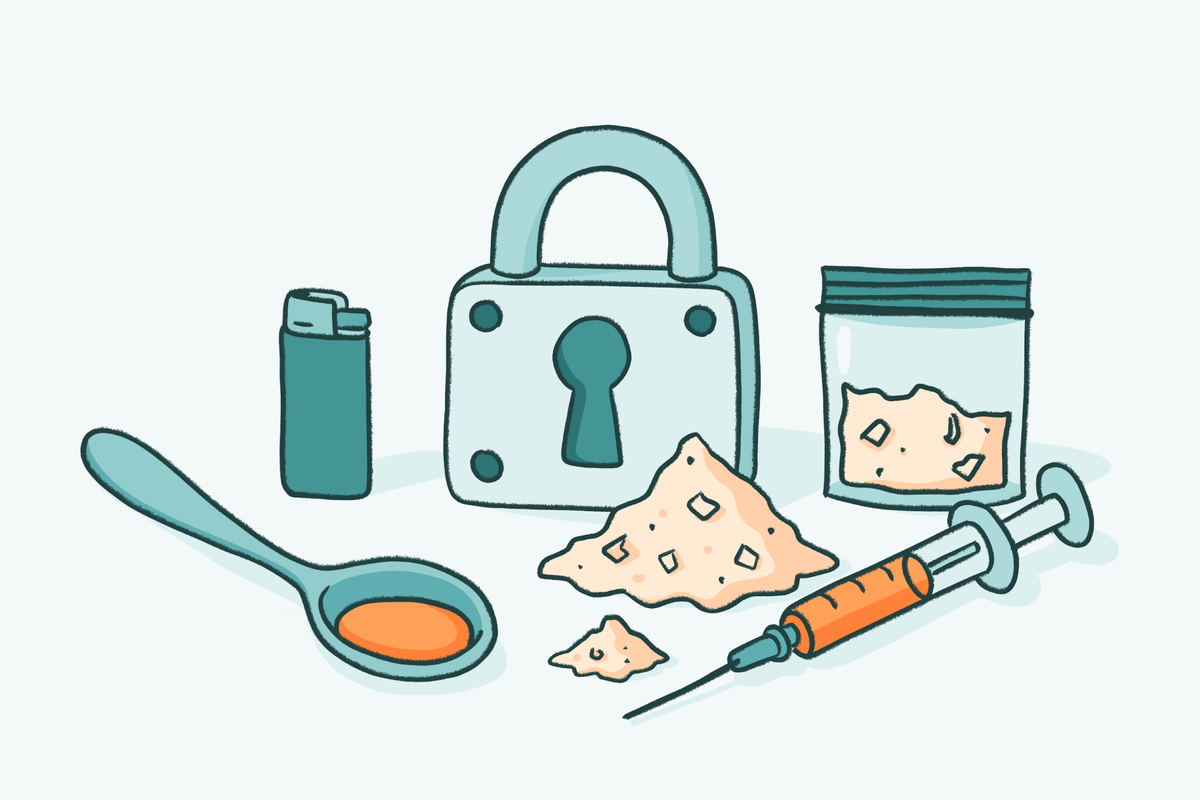
It is common for people who use heroin to find themselves caught in a cycle of chasing the initial euphoria and experiencing withdrawal symptoms that become more intense and difficult to manage over time.
Even if a person desires to stop using, the cycle of cravings, withdrawal, and temporary relief can make them feel trapped, compulsively reinforcing their addiction. This cycle is incredibly difficult to break without professional help.
10 Early Warning Signs of Heroin Addiction
Heroin addiction doesn’t appear out of nowhere. It comes on gradually and is influenced by personal, biological, environmental, and social factors.
People may start using heroin out of a desire to relieve emotional or physical pain, to cope with trauma or untreated mental health challenges, or after becoming dependent on prescription opioids.
Not all who use heroin become addicts and there’s no clear way to determine who will develop addiction. There are risk factors that increase the likelihood of developing a substance use disorder, which is a medical condition.
Here are the 10 warning signs to be aware of.
1. History of Prescription Opioid Use
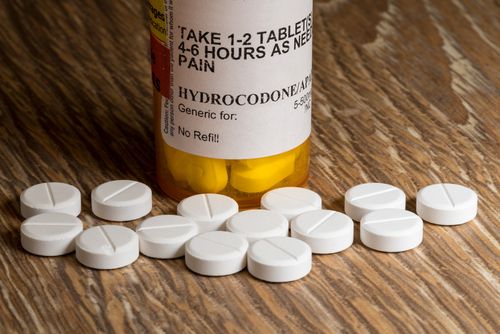
If you or a loved one becomes dependent on legal opioids like oxycodone or hydrocodone, stay alert. Approximately 80% of heroin users started off by mis-using their prescription for legal opioids.1
The greatest risk is when a prescription expires or a person is looking for a cheaper alternative.
2. Existing Mental Health Challenges
Some people with co-occurring mental health challenges including anxiety, depression, and PTSD self-medicate with heroin, finding short-term relief while high.
The unfortunate irony is that heroin actually worsens your mental health over time, leaving you now with a bigger problem than when you first started using: declined mental health now coupled with substance use disorder.
3. Family History
Having a parent or sibling with a history of addiction significantly increases your risk of addiction. We learn from those around us, and thus we can unconsciously inherit traits and learned behaviors, increasing susceptibility to substance use disorder.
4. Trauma And/or Adverse Childhood Experiences (Aces)
If you or a loved one has experienced physical abuse, neglect, sexual trauma, or witnessed violence in childhood, this can make you more prone to addiction depending on resulting brain development and emotional regulation.
It is important to note that the highest rates of opioid-involved overdose and death is in young adults aged 18-25.2
5. Environmental and Socioeconomic Factors
If you live in a community where drugs are highly available and people spend a lot of time on the street due to unemployment, this increases the chances of you developing a dependence on heroin.3 Poverty and limited healthcare access can also increase this risk.4
If your neighbors or friends are using, the peer pressure can lead you to use, even if you never thought you would.
Unstable housing and lack of opportunities can also contribute to people searching for a pleasant escape, which they temporarily find in heroin and then, before they even realize it, are stuck in the cycle of dependency.
6. Substance Use in Youth
If you or your loved one started using any substance in youth, it increases the likelihood of using heroin use later on in life.5
Using alcohol, tobacco, or other drugs in developing brains makes a person more vulnerable to addictive substances in the future.
7. Limited Access to Mental Health and Addiction Services
Real talk: being human is hard. Even people with relatively privileged childhoods coming from affluent families need professional, therapeutic help.
Anyone who is unable to access affordable, culturally appropriate, trauma-informed care may self-medicate, which could develop into addiction. Making these services accessible is critical for both prevention and recovery of all addictions including heroin.
8. Physical Warning Signs
The body often shows signs of heroin use before anything else.
Here are physical warning signs that family and friends of heroin users might recognize:
- Needle marks or track marks on arms, legs, hands, or between toes
- Very small (pinpoint) pupils that don’t react normally to light
- Sudden weight loss
- Noticeable decline in personal hygiene
- Constant sleepiness or “nodding off” at inappropriate times
- Itching
- Flushed skin
- Dry mouth
- Bruises, infections, or pus-filled sores (abscesses) at injection sites
- Runny nose or constant sniffing (for people who snort heroin)
9. Behavioral Warning Signs
As the addiction takes hold, it changes how a person behaves. If you suspect a loved one may be dependent on heroin, pay attention to the following behavior patterns:
- Secrecy
- Loss of interest in hobbies
- Withdrawing from relationships,
- Neglecting responsibilities
- Stealing, borrowing money, or selling personal items (to fund use)
- Avoiding eye contact
- Frequently lying about whereabouts
- Wearing long sleeves (to hide injection marks)
- Sudden changes in performance at work or school
10. Emotional and Psychological Warning Signs
After just a few times using, a person’s mood and mental health may start to be affected. Early psychological signs include:
- Mood swings
- Increased anxiety
- Sudden irritability
- Depression
- Hopelessness
- Emotional numbness
- Paranoia or extreme distrust of others
- Obsession with obtaining heroin
- Lack of motivation
- Inability to experience pleasure
Find The Perfect Treatment For You
Answer a few questions and we'll match you with the best options.
What Are You Struggling With?
What Kind of Care Do You Need?
What Insurance Do You Have?
Treating Heroin Addiction: What Really Works for Recovery
Because heroin addiction is progressive, early intervention is crucial to lay the groundwork for successful and sustainable recovery. When threatening heroin addiction, physical dependence, psychological triggers, and social factors need to be addressed.
When approached holistically, recovery from heroin addiction is possible. This means receiving:
- Acute medical care
- Evidenced-based behavior therapies
- Ongoing support
While the discomfort of withdrawal and risk of relapse can feel overwhelming, research shows that with access to these three things, the likelihood of achieving positive long-term outcomes significantly increases.6
Explore Opioids Treatment Centers
Detoxification: The First Step
For most people addicted to heroin, treatment begins with medically supervised detoxification, to ensure that withdrawal symptoms are managed safely.
Once detox is complete, a person can then begin long-term recovery which requires learning coping strategies, building healthy relationships, and creating a stable, heroin-free lifestyle.
Medication-Assisted Treatment (MAT)
The following FDA-approved medications, when coupled with counseling and behavioral therapy, can be effective for treating heroin addiction:
- Methadone: Reduces cravings and withdrawal symptoms
- Buprenorphine: Eases withdrawal and cravings
- Naltrexone: Blocks effects of opioids
These medications offer support in establishing stable brain chemistry, reducing use, preventing overdose, and promoting daily functioning.
Behavioral Therapy Options
The following behavioral therapy modalities address the thoughts, emotions, and behaviors that drive substance use.
- Cognitive Behavioral Therapy (CBT): Identifies triggers and establishes coping strategies.
- Motivational Interviewing (MI): Encourages internal motivation for change.
- Contingency Management (CM): Uses tangible rewards to reinforce sobriety.
Behavioral therapy can be provided through inpatient rehab programs or outpatient treatment programs - individually, in groups, or with family - and is most effective when combined with MAT.7














Aftercare Planning
Once a person has reached a certain level of stability, treatment becomes less intense as there is increased integration back into work, school, and other responsibilities.
Whether being discharged from inpatient rehab, moving out of recovery housing, or simply stepping down to less-intensive outpatient therapy, planning is key for maintaining commitment to recovery.
Programs like Narcotics Anonymous or SMART Recovery support people in staying accountable and maintaining connection. Additionally, having access to employment assistance and safe housing prevent relapse.
It is also crucial to make sure all relevant follow up appointments are scheduled if health conditions like Hepatitis or HIV require ongoing management.
No matter what your aftercare treatment looks like, remaining committed to an ongoing program makes it possible to manage heroin addiction and thrive heroin free.
There Is Hope for Recovery
Addiction is treatable, and a life of freedom is possible. Connect with drug and alcohol treatment centers that specialize in your specific needs, from holistic care to medication-assisted treatment. Don’t wait another day to get help; find a recovery program that works for you.
FAQs
A: Early signs of heroin use include drowsiness, mood changes, constricted pupils, itching, and slowed breathing. Physical signs may also include weight loss, poor hygiene, and injection marks on the arms or legs.
A: Heroin withdrawal usually begins 6–12 hours after the last use, peaks within 1–3 days, and typically lasts 5–7 days. Some symptoms, such as sleep problems or cravings, may persist longer.
A: Yes, heroin addiction is treatable. Effective treatment often includes medication-assisted treatment, behavioral therapy, and ongoing support to reduce relapse risk and support long-term recovery.
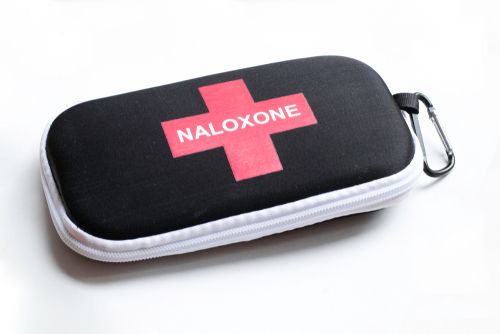
A: You can help by offering nonjudgmental support, avoiding enabling behaviors, and encouraging professional treatment. Having harm reduction resources and treatment options ready can make it easier to act when they’re open to help.
A: The most effective treatments for heroin addiction combine medication-assisted treatment, counseling, and long-term support. Medications like methadone, buprenorphine, and naltrexone help reduce cravings and withdrawal while therapy addresses behavioral and emotional factors.
Our Promise
How Is Recovery.com Different?
We believe everyone deserves access to accurate, unbiased information about mental health and recovery. That's why we have a comprehensive set of treatment providers and don't charge for inclusion. Any center that meets our criteria can list for free. We do not and have never accepted fees for referring someone to a particular center. Providers who advertise with us must be verified by our Research Team and we clearly mark their status as advertisers.
Our goal is to help you choose the best path for your recovery. That begins with information you can trust.