All CentersThe Barry Robinson Center

The Barry Robinson Center

Mental Health

Treatment Focus

This center treats mental health conditions and co-occurring substance use. You receive collaborative, individualized treatment that addresses both issues for whole-person healing.

Residential

Primary Level of Care

Offering intensive care with 24/7 monitoring, residential treatment is typically 30 days and can cover multiple levels of care. Length can range from 14 to 90 days typically.

3.7
(91)
Claimed

Claimed

Recovery.com has connected directly with this treatment provider to validate the information in their profile.

Insurance

Provider's Policy

The Barry Robinson Center accepts most commercial insurance plans and is a TRICARE-approved facility, including TRICARE East, West, SOS, Prime, and Select, and is approved for Virginia, West Virginia, and North Carolina Medicaid. Insurance approval may take up to 1–2 days.

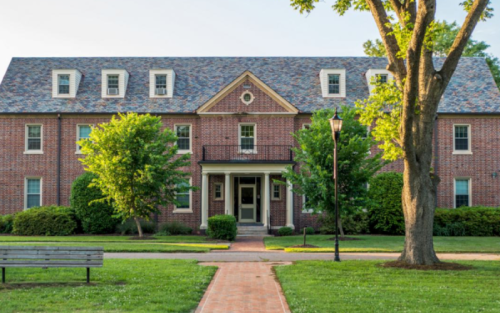
Surrounding a 20-acre campus on the border of Norfolk and Virginia Beach, adolescents ages 11 to 17 from military-connected families receive residential treatment for depression, anxiety, bipolar disorder, PTSD, and ADHD. Youth are admitted following a pre-screening process to confirm program fit, live in supervised dorms, and attend an on-site accredited K-12 school during an average 6-month stay, while staff trained in military family dynamics coordinate therapy, school requirements, and discharge planning steps from admission through transition home.

Trauma-Based Treatment and Team Coordination

Care is delivered through individualized plans where residents receive 1-to-1 therapy twice weekly, daily group sessions, and weekly family therapy with active parent participation. Therapists apply trauma-informed cognitive behavioral therapy (CBT), dialectical behavior therapy, and eye movement desensitization and reprocessing (EMDR) within models such as Risking Connection and the Restorative Approach, while psychiatrists meet residents weekly to assess symptoms and adjust medications. Interdisciplinary teams including therapists, teachers, nurses, and residential staff meet weekly, with staffing ratios of approximately 1:3 for direct care and 1:6 for therapists, to review behaviors and coordinate care.

Monitored Daily Flow and Activities

Residents attend classes, participate in group sessions, and complete individual therapy while staff accompany and monitor movement between dorms, school, meals, and activities across campus. Youth take part in equine-assisted sessions, rock wall climbing, scouting, gardening, and team sports such as basketball and volleyball, with staff guiding participation and behavior during each activity. Residents follow structured routines that include scheduled evening calls with approved contacts, overnight checks every 15 minutes, and access to on-site medical care with nearby hospital support when needed.

AT A GLANCE

Center Overview

Location
443 Kempsville Rd., Norfolk, VA 23502 View Map
Primary Focus
This center treats mental health conditions and co-occurring substance u...

Treatment Focus

This center treats mental health conditions and co-occurring substance use. You receive collaborative, individualized treatment that addresses both issues for whole-person healing.

Accreditation
CARF

CARF Accredited

CARF stands for the Commission on Accreditation of Rehabilitation Facilities. It's an independent, non-profit organization that provides accreditation services for a variety of healthcare services. To be accredited means that the program meets their standards for quality, effectiveness, and person-centered care.

Typical Program Length
6 months
Founded in 1933
93 years in business
Occupancy
50+ beds
Conditions We Treat
ADHD, ADD, Anger, Anxiety, Bipolar +5 More
Substance Use We Treat
Co-Occurring Disorders, Drug Addiction
How to pay

Insurance Accepted

Provider's Policy: The Barry Robinson Center accepts most commercial insurance plans and is a TRICARE-approved facility, including TRICARE East, West, SOS, Prime, and Select, and is approved for Virginia, West Virginia, and North Carolina Medicaid. Insurance approval may take up to 1–2 days.
(757) 455-6100
Private Pay Option

Cash Pay Rates

Estimated Cash Pay Rate

Center pricing can vary based on program and length of stay. Contact the center for more information. Recovery.com strives for price transparency so you can make an informed decision.

We don't have pricing information for this center. Please contact the center for more information.
Care Options

Levels of Care

Mental health care includes a range of services such as counseling, therapy, medication management, and support groups, all designed to address issues from everyday stress and anxiety to more severe conditions like depression and schizophrenia. These practices are essential for helping individuals manage their emotions, improve their relationships, and navigate life's challenges in healthier, more adaptive ways.
Included
Residential
Intensive monitoring and care for conditions like depression, trauma, suicidality, and anxiety. Residential mental health facilities offer a safe setting with activities and structure, plus opportunities to practice life skills and bond with peers.
Not included
Outpatient
Not Offered at This Center
Outpatient treatment offers flexible therapeutic and medical care without the need to stay overnight in a hospital or inpatient facility. Outpatient care typically offers a range of therapies and medical interventions individuals can attend alongside daily life.
Not included
Virtual & In-Home Care
Not Offered at This Center
The delivery of therapeutic services utilizing technology such as video conferencing, online messaging or phone calls, allowing for flexibility, comfort and increased access to care.
Included
Licensed Primary Mental Health
Licensed primary mental health facilities provide specialized care for diagnosing and treating mental health conditions. By offering early intervention and comprehensive services, they promote overall well-being and prevent long-term complications.
Included
Co-Occurring Substance Use
Substance use disorders often occur alongside primary mental health conditions. Programs for co-occurring substance use disorders focus on both conditions, tailoring treatment for comprehensive recovery.
Treatment

Your Care Options

Specializations

Adolescents

Adolescents

Teens receive the treatment they need for mental health disorders and addiction, with the added support of educational and vocational services.

Anxiety

Anxiety

Anxiety is a common mental health condition that can include excessive worry, panic attacks, physical tension, and increased blood pressure.

Depression

Depression

Symptoms of depression may include fatigue, a sense of numbness, and loss of interest in activities. This condition can range from mild to severe.

Post Traumatic Stress Disorder

Post Traumatic Stress Disorder

PTSD is a long-term mental health issue caused by a disturbing event or events. Symptoms include anxiety, dissociation, flashbacks, and intrusive thoughts.

Trauma

Trauma

Some traumatic events are so disturbing that they cause long-term mental health problems. Those ongoing issues can also be referred to as "trauma."

Who We Treat

Adolescents

Adolescents

Teens receive the treatment they need for mental health disorders and addiction, with the added support of educational and vocational services.

Girls
Boys
Neurodivergent

Approaches

Evidence-Based

Evidence-Based

A combination of scientifically rooted therapies and treatments make up evidence-based care, defined by their measured and proven results.

Family Involvement

Family Involvement

Providers involve family in the treatment of their loved one through family therapy, visits, or both–because addiction is a family disease.

Individual Treatment

Individual Treatment

Individual care meets the needs of each patient, using personalized treatment to provide them the most relevant care and greatest chance of success.

Trauma Informed

Therapies

1-on-1 Counseling

1-on-1 Counseling

Patient and therapist meet 1-on-1 to work through difficult emotions and behavioral challenges in a personal, private setting.

Art Therapy

Art Therapy

Visual art invites patients to examine the emotions within their work, focusing on the process of creativity and its gentle therapeutic power.

Dialectical Behavior Therapy
Equine Therapy

Equine Therapy

Guided interactions with trained horses, their handler, and a therapist can help patients improve their self-esteem, trust, empathy, and social skills.

Eye Movement Therapy (EMDR)

Eye Movement Therapy (EMDR)

Lateral, guided eye movements help reduce the emotional reactions of retelling and reprocessing trauma, allowing intense feelings to dissipate.

Family Therapy

Family Therapy

Family therapy addresses group dynamics within a family system, with a focus on improving communication and interrupting unhealthy relationship patterns.

Group Therapy
Life Skills

Life Skills

Teaching life skills like cooking, cleaning, clear communication, and even basic math provides a strong foundation for continued recovery.

Nutrition Counseling

Nutrition Counseling

Nutritious food helps patients heal from within, setting them up for mental and bodily wellness as they learn about healthy eating.

Languages

English

Conditions We Treat

ADHD, ADD

ADHD, ADD

ADHD is a common mental health condition caused by dopamine imbalance. Common symptoms include inattention, hyperactivitiy, and impulsivity.

Anger

Anger

Although anger itself isn't a disorder, it can get out of hand. If this feeling interferes with your relationships and daily functioning, treatment can help.

Anxiety

Anxiety

Anxiety is a common mental health condition that can include excessive worry, panic attacks, physical tension, and increased blood pressure.

Bipolar

Bipolar

This mental health condition is characterized by extreme mood swings between depression, mania, and remission.

Depression

Depression

Symptoms of depression may include fatigue, a sense of numbness, and loss of interest in activities. This condition can range from mild to severe.

Neurodiversity
Post Traumatic Stress Disorder

Post Traumatic Stress Disorder

PTSD is a long-term mental health issue caused by a disturbing event or events. Symptoms include anxiety, dissociation, flashbacks, and intrusive thoughts.

Stress

Stress

Stress is a natural reaction to challenges, and it can even help you adapt. However, chronic stress can cause physical and mental health issues.

Trauma

Trauma

Some traumatic events are so disturbing that they cause long-term mental health problems. Those ongoing issues can also be referred to as "trauma."

Substances We Treat

Co-Occurring Disorders

Co-Occurring Disorders

A person with multiple mental health diagnoses, such as addiction and depression, has co-occurring disorders also called dual diagnosis.

Drug Addiction

Drug Addiction

Drug addiction is the excessive and repetitive use of substances, despite harmful consequences to a person's life, health, and relationships.

Aftercare

Follow-up Sessions (in-person)
Mentoring and Peer support
Experience

Care Designed for Your Needs

Personal Amenities

Access to Nature
Air-Conditioned Rooms
Outdoor Space
Shared Bathroom
Shared Rooms
Walking Trails

Amenities

Soccer Field
Access to Nature
Basketball Court
Gardens
Library
Walking Trails

Special Considerations

Dietary Accommodations
Healthy Meals are provided

Healthy Meals are provided

Great food meets great treatment, with providers serving healthy meals to restore nutrition, wellbeing, and health.

Wheelchair Accessible
Members of Military Families
Clients Who Have Experienced Sexual Abuse
Gluten-Free
Other dietary needs (vegan, vegetarian, gluten-free, etc.)

Activities

Farming, Gardening
Games
Frequently Asked Questions

Further Research

The following therapies are included: spiritual care, group therapy and more.
Norfolk, Virginia, United States.
The Barry Robinson Center accepts most commercial insurance plans and is a TRICARE-approved facility, including TRICARE East, West, SOS, Prime, and Select, and is approved for Virginia, West Virginia, and North Carolina Medicaid. Insurance approval may take up to 1–2 days.
The typical length is 6 months.
The Barry Robinson Center provides licensed primary mental health, residential and more.

Explore More

Easily search by condition, location, and other programs tailored to meet your needs.