Find Treatment By
Rehabs by Location


Learn
About Us
Recovery.com combines independent research with expert guidance on addiction and mental health treatment. Our mission is to help everyone find the best path to recovery through the most comprehensive, helpful network of treatment providers worldwide.
Advisory Council
Our advisory council brings together leaders in behavioral health, technology, and business. Their diverse expertise ensures our resources and product are innovative, evidence-based, and effective. They guide our mission as accomplished individuals dedicated to improving the landscape of addiction recovery and mental wellness.
Sober Living Cost: How to Find Affordable Recovery-Friendly Housing Near You



Stepping out of an inpatient treatment center or finishing medical detox is an exciting milestone, but it can also feel overwhelming. Returning to daily life after addiction treatment often means facing old stressors, environments, and routines while trying to protect your recovery journey. Housing instability can also add additional stress and lead to more challenges.1 This is where sober living homes can help.
Sober living facilities provide a supportive environment where people recovering from substance use disorders (SUDs) and mental health conditions can continue building stability, accountability, and healthy habits.2 While many people enter sober living after completing a treatment program, others move into recovery housing without formal treatment beforehand as they seek a stable, substance-free environment to support their recovery goals.
Because SUDs are increasingly understood as chronic health conditions that often require ongoing care and long-term support, recovery outcomes improve when people have access to continued support beyond short-term treatment models such as medical detox or 28-day residential programs.3
Affordability is one of the main reasons people choose a specific sober living option.4 While many people worry about the cost of sober living homes, there are affordable sober living options, nonprofit organizations, and payment plans that can make recovery housing more accessible. With the right information, you can make an informed decision that supports your well-being and long-term recovery.
The Reality of Sober Living Costs
To find affordable sober living, it helps to understand what you’re paying for. Sober living programs provide more than housing—they create a structured environment designed to provide ongoing care, support long-term sobriety, and personal growth.
What Is Sober Living?
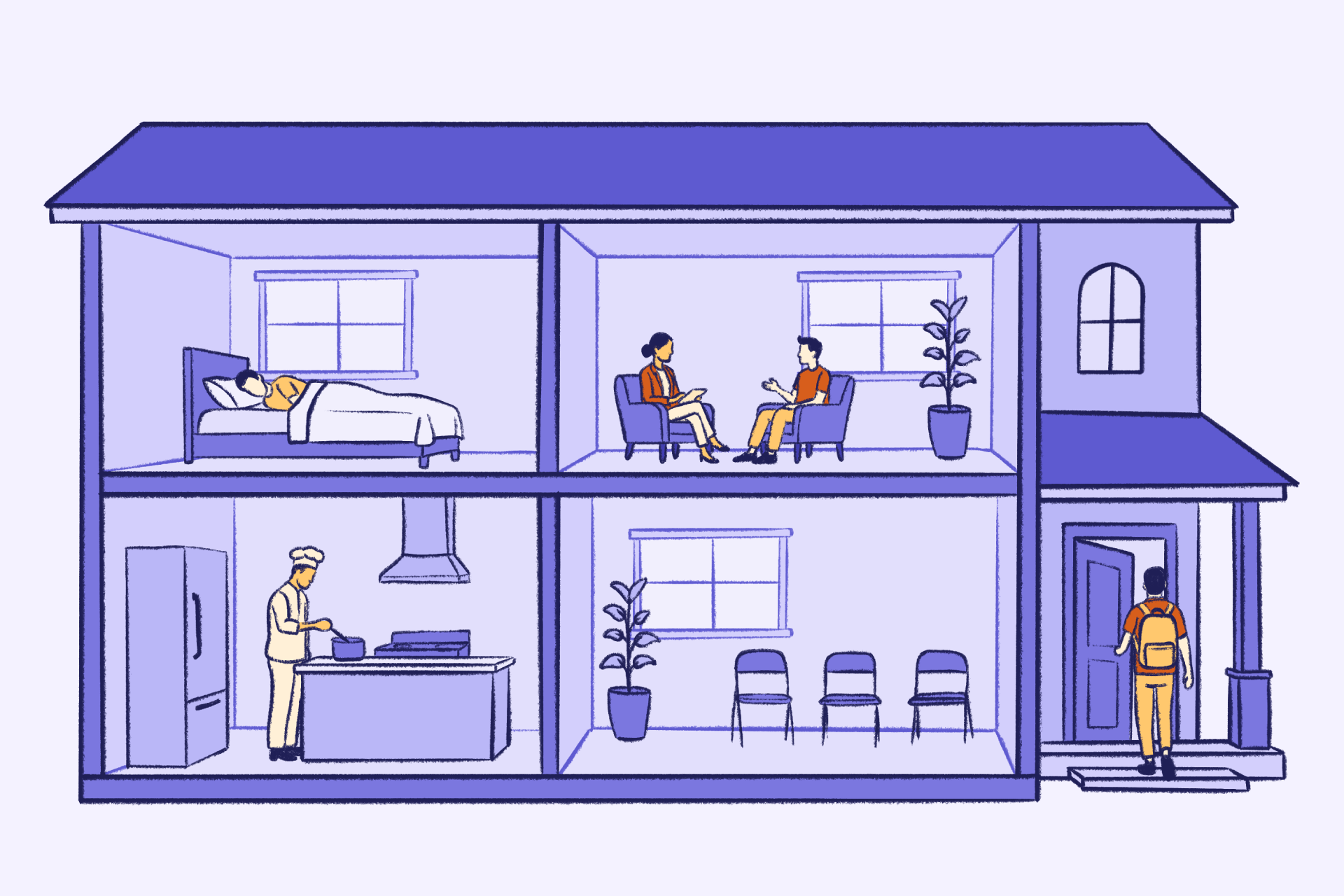
A sober living home is a substance-free residence that helps people transition from inpatient treatment, outpatient programs, or treatment facilities back into independent living. These recovery residences offer more freedom than rehab while still providing accountability, peer support, and structure.
Unlike treatment centers, sober living homes do not usually provide around-the-clock healthcare or clinical care. Instead, residents often participate in aftercare, PHP (partial hospitalization programs), outpatient programs, support groups, or behavioral health services while living in the home.
The National Alliance for Recovery Residences (NARR) identifies different levels of support based on need, from peer-led housing to a therapeutic community with clinical oversight.5 Most sober living programs include house rules designed to support recovery goals and maintain a sober living environment. Residents may be expected to attend support groups, complete chores, participate in peer support activities, maintain employment, or attend school.
For many people recovering from alcohol addiction or drug addiction, sober living serves as a bridge between addiction treatment and independent living. Recovery-centered recovery housing supports the whole person by providing a safe, substance-free home environment that promotes health, purpose, community, and long-term recovery through peer support, meaningful daily activities, and access to resources that help people build stable, self-directed lives.6
Find The Perfect Treatment For You
Answer a few questions and we'll match you with the best options.
What Are You Struggling With?
What Kind of Care Do You Need?
What Insurance Do You Have?
What to Expect in Sober Living
Every sober living facility operates differently, but many share similar expectations and routines. A structured environment can help residents develop life skills, maintain accountability, and strengthen support networks during early recovery.
Here’s what to expect in a sober living home:
- Shared rooms or private rooms.
- Curfews and scheduled house meetings.
- Drug and alcohol testing.
- Chores and community responsibilities.
- Attendance at support groups.
- Peer support and mentorship.
- Connections to outpatient programs and treatment services.
- Wellness and recovery-focused activities.
Living in a sober living environment also gives residents a chance to practice navigating daily life without substances. Residents often learn how to manage cravings, rebuild relationships, handle stress, and create routines that support long-term sobriety.
Some sober living facilities offer additional support services such as transportation assistance, employment support, relapse prevention planning, or access to mental health and behavioral health treatment programs.
Explore Sober Living Treatment Centers
Why the Price Tag Varies So Much
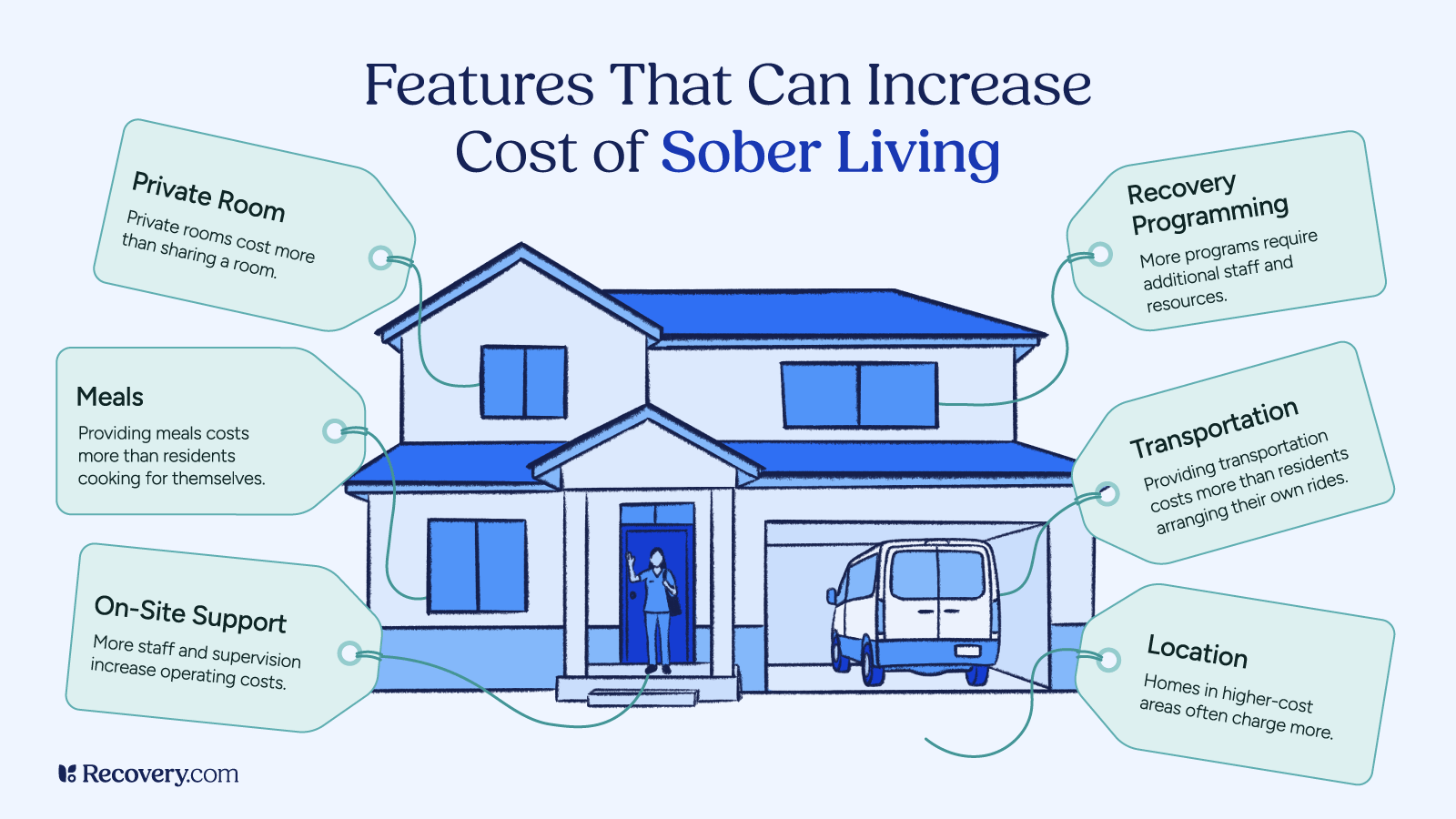
The cost of sober living homes varies widely depending on location, amenities, and the level of support provided. A shared room in a modest sober living house may cost a few hundred dollars per month, while luxury sober living facilities with private rooms and premium amenities may cost significantly more.
Costs may depend on:
- Geography and local housing markets.
- Shared rooms versus private rooms.
- On-site recovery support.
- Access to wellness services.
- Transportation or meal options.
- Connections to treatment centers or treatment programs.
- Staff supervision and structure.
Some sober living homes are connected to larger addiction treatment or mental health programs, while others operate independently as community-based recovery residences.














Can You Actually Find Free Sober Living?
Many people leaving addiction treatment worry about how they will afford recovery housing. While completely free sober living is less common than low-cost options, financial barriers do not have to prevent someone from accessing a supportive recovery environment.
The cost of sober living helps cover housing expenses, utilities, maintenance, staffing, and recovery support services. However, many recovery residences recognize that people in early recovery may have limited financial resources. As a result, some programs offer scholarships, sliding scale fees, payment plans, work opportunities, or funding assistance to help residents access safe, stable housing.
In most cases, there is a cost to sober living. Some low-cost options exist, although availability may depend on your financial situation, location, and recovery needs. Exploring multiple resources can help you find an option that supports both your budget and your long-term recovery goals.
The Role of Nonprofit Organizations and Charities
Many nonprofit organizations and faith-based programs offer sober living support for people who cannot afford standard housing costs. These programs may provide temporary housing, recovery support, peer support, or scholarship opportunities.
Some recovery residences are donor-funded and designed to help people access safe housing regardless of their financial situation. These homes may have stricter schedules or communal living arrangements, but they can provide valuable stability during early recovery.
Government-Funded Programs and Recovery Support
Some states offer recovery housing vouchers or financial assistance through behavioral health agencies and recovery programs. These resources may help cover upfront costs, deposits, or short-term sober living expenses.
Oxford Houses and other democratically run sober living programs may also offer lower-cost sober living options for people seeking affordable recovery housing.7
How to Find Affordable Options Near You
Finding affordable sober living may take some research, but there are several ways to identify programs that fit your budget and recovery goals.
Many sober living facilities use an “employment first” model. Residents may receive a short grace period to find employment before beginning weekly payments.
You can also ask local healthcare providers, social workers, or treatment centers about sober living programs in your area. These professionals often know which homes offer sliding scale fees, payment options, or scholarship opportunities.
Does Insurance Cover Sober Living?
Health insurance usually does not cover room and board costs because sober living houses are not considered inpatient healthcare facilities. However, insurance coverage may apply to connected treatment services such as:
- Outpatient programs.
- PHP services.
- Therapy.
- Medication management.
- Behavioral health treatment..
- Aftercare programs
If a sober living facility partners with treatment centers or addiction treatment providers, your insurance coverage may help reduce some overall expenses.
Scholarships, Sliding Scale Fees, and Payment Plans
Some sober living programs offer:
- Sliding scale pricing
- Payment plans
- Scholarship beds
- Reduced fees for financial hardship
- Work opportunities within the residence
It never hurts to ask about payment options or financial assistance when contacting sober living facilities.
Work-Trade and Peer Leadership Opportunities
In some sober living homes, long-term residents may take on leadership roles such as house manager or peer mentor.8 In exchange, they may receive reduced rent or other financial support.
These opportunities can also help residents strengthen leadership skills, accountability, and community involvement during addiction recovery.

How to Choose a Sober Living Home Based on Cost
The cost of sober living is an important consideration, but it shouldn't be the only factor you use when comparing homes. A lower monthly price may seem appealing, but it's important to understand what's included and whether the home provides the structure and support you need for long-term recovery.
As you compare sober living options, ask questions about both affordability and quality of care.
Learn more: How to Choose a Sober Living Home
Safety and Accreditation
Look for sober living homes that are certified by organizations such as the National Alliance for Recovery Residences (NARR). Accredited recovery residences are more likely to meet established standards for safety, ethics, operations, and peer support, helping ensure you're paying for a high-quality living environment rather than simply the lowest price.
Understand What's Included in the Cost
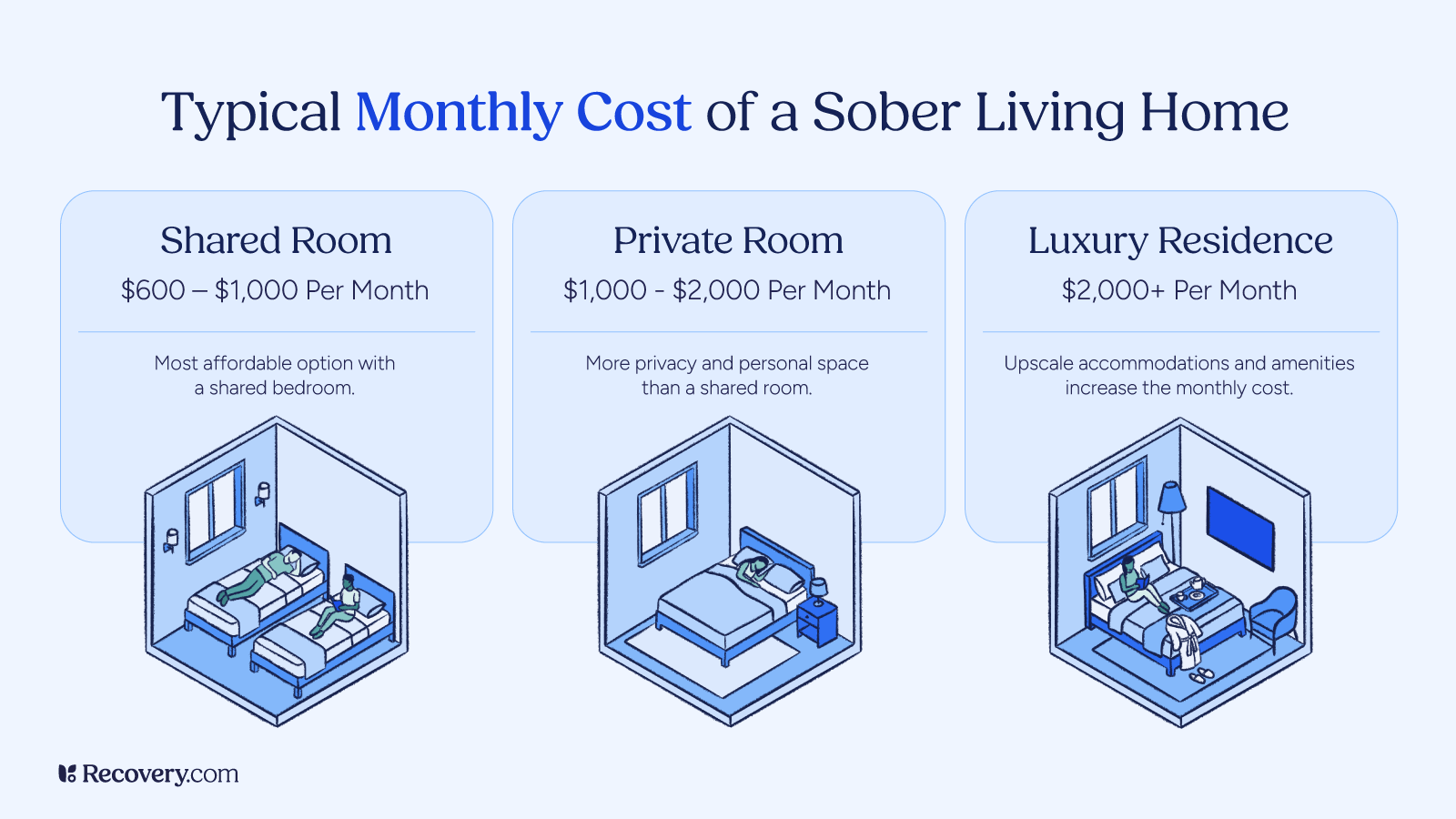
Monthly fees can vary widely depending on the location, amenities, and level of support provided. Before choosing a home, ask exactly what your monthly payment covers. Some residences include utilities, internet, transportation, drug testing, recovery meetings, or household supplies, while others charge additional fees.
You can also ask about:
- Monthly rent.
- Application fees and security deposits.
- Move-in costs.
- Utilities and other household expenses.
- Drug testing or program fees.
- Shared versus private room pricing.
- Refund policies if you leave early.
Understanding the total cost upfront can help you avoid unexpected expenses.
Ask About Financial Assistance
If cost is a concern, don't assume sober living is out of reach. Many recovery residences offer flexible payment options, including:
- Payment plans.
- Sliding scale fees based on income.
- Scholarships or financial assistance.
- Nonprofit or faith-based housing options.
- Employer or vocational assistance programs.
Although health insurance usually doesn't pay for room and board in sober living, it may cover outpatient treatment, counseling, or medication management you receive while living there. This can reduce your overall recovery expenses.
Choose a Recovery Environment That Fits Your Needs
The least expensive option isn't always the best value. Consider whether the home's recovery philosophy, structure, and expectations match your goals.
Ask questions such as:
- What recovery programs or support groups do residents participate in?
- Are house meetings, curfews, and drug testing required?
- Is staff available if residents need support?
- Are people encouraged to work, attend school, or volunteer?
- What happens if someone relapses or has a recurrence of use?
A supportive, well-managed recovery residence can provide the stability and accountability that help many people maintain long-term recovery, making it a worthwhile investment in your future.
Consider Location and Daily Expenses
Monthly rent is only part of the total cost of sober living. Think about expenses you'll have outside the home, including transportation, groceries, work-related costs, and access to outpatient treatment or recovery meetings. Choosing a residence close to your job, treatment providers, or support network may lower your overall expenses and make it easier to stay engaged in recovery.
Red Flags: Don’t Sacrifice Safety for Price
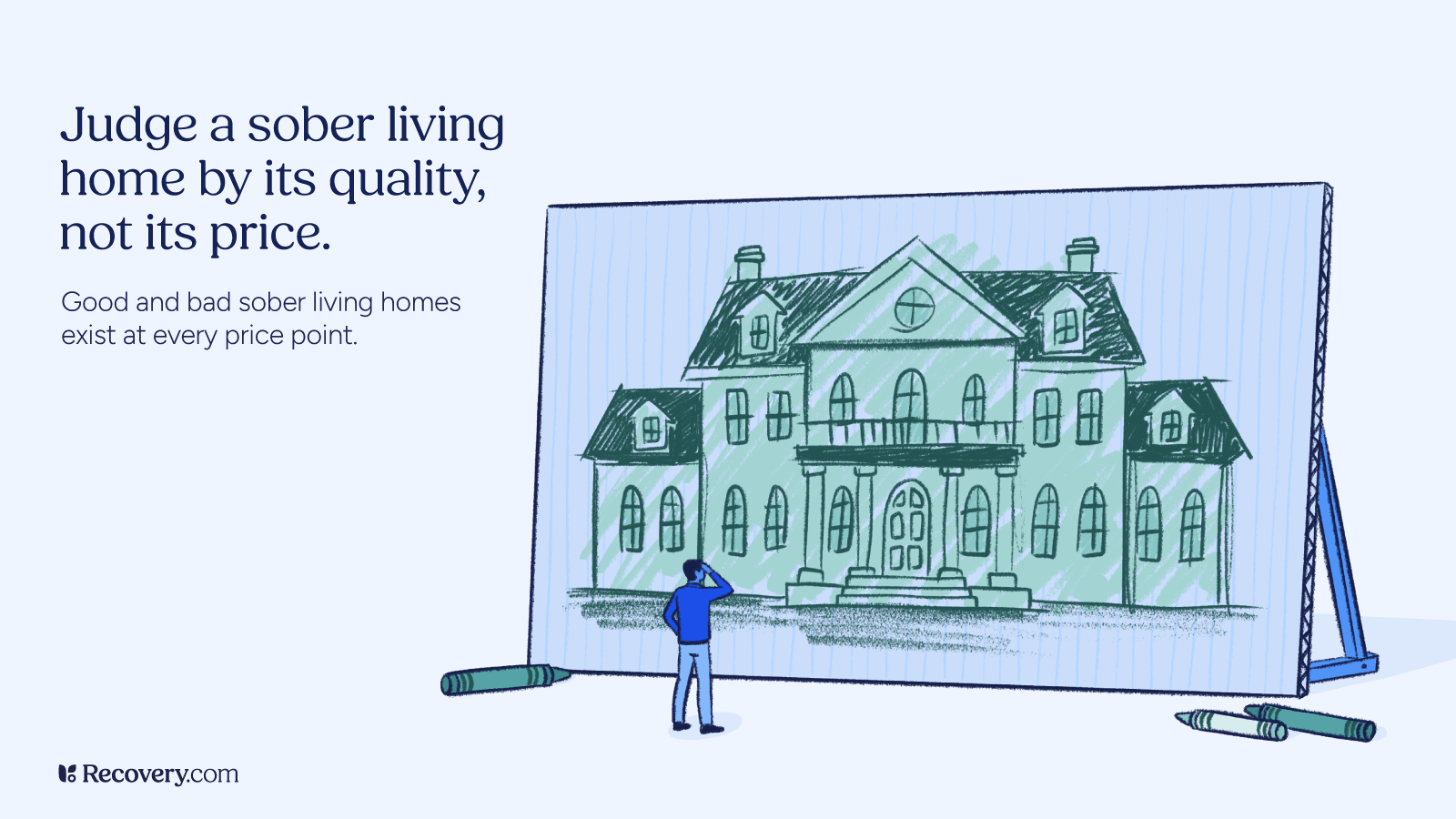
Affordable sober living should still provide safety, accountability, and support. Extremely low-cost homes without structure or oversight may not provide the stable recovery environment needed for long-term recovery.
Be cautious of sober living houses that:
- Lack clear house rules.
- Do not enforce substance-free policies.
- Require excessive unpaid labor.
- Discourage outside support groups or treatment.
- Refuse to answer questions about certifications or standards.
A reputable sober living program should prioritize your wellness, recovery goals, and safety.
How to Start Your Search Today
The best time to look for sober living is before leaving inpatient treatment, medical detox, or another level of care. Planning ahead can help reduce stress and improve your transition into recovery housing.
Sober living is more than temporary housing—it can be an important part of addiction recovery and long-term sobriety. A safe, supportive environment can help people build life skills, strengthen peer support connections, and continue healing after treatment.
Finding the right sober living environment takes time, but investing in recovery, wellness, and stability can have lasting benefits for your future. Learn more about your options for sober living near you today.
FAQs
The cost of sober living varies based on location, amenities, and the level of support provided. A shared room in a sober living house may cost a few hundred dollars per month, while private rooms and luxury sober living facilities can cost significantly more. Many homes also charge deposits or application fees.
In most cases, health insurance does not cover room and board in sober living homes because they are considered housing rather than healthcare services. However, insurance may help cover related services such as outpatient treatment, therapy, medication management, partial hospitalization programs (PHPs), and aftercare.
Yes. Some nonprofit organizations, faith-based programs, recovery residences, and government-funded initiatives offer free or low-cost sober living options. Scholarship programs, recovery housing vouchers, and donor-supported housing may also help reduce or eliminate costs for qualifying residents.
Length of stay varies by program and individual needs. Some residents stay for a few months, while others remain for a year or longer. Many experts recommend staying in a supportive, substance-free environment until you feel stable in your recovery, employment, finances, and daily routines.
Look for a sober living environment that provides safety, accountability, peer support, and clear house rules. Ask about accreditation, recovery expectations, costs, support services, relapse policies, and connections to treatment programs. Choosing a home that aligns with your recovery goals can improve your chances of long-term success.




Our Promise
How Is Recovery.com Different?
We believe everyone deserves access to accurate, unbiased information about mental health and recovery. That's why we have a comprehensive set of treatment providers and don't charge for inclusion. Any center that meets our criteria can list for free. We do not and have never accepted fees for referring someone to a particular center. Providers who advertise with us must be verified by our Research Team and we clearly mark their status as advertisers.
Our goal is to help you choose the best path for your recovery. That begins with information you can trust.