Find Treatment By
Rehabs by Location


Learn
About Us
Recovery.com combines independent research with expert guidance on addiction and mental health treatment. Our mission is to help everyone find the best path to recovery through the most comprehensive, helpful network of treatment providers worldwide.
Advisory Council
Our advisory council brings together leaders in behavioral health, technology, and business. Their diverse expertise ensures our resources and product are innovative, evidence-based, and effective. They guide our mission as accomplished individuals dedicated to improving the landscape of addiction recovery and mental wellness.
What Happens in Sober Living? 7 Common Experiences, Plus Red Flags & Benefits



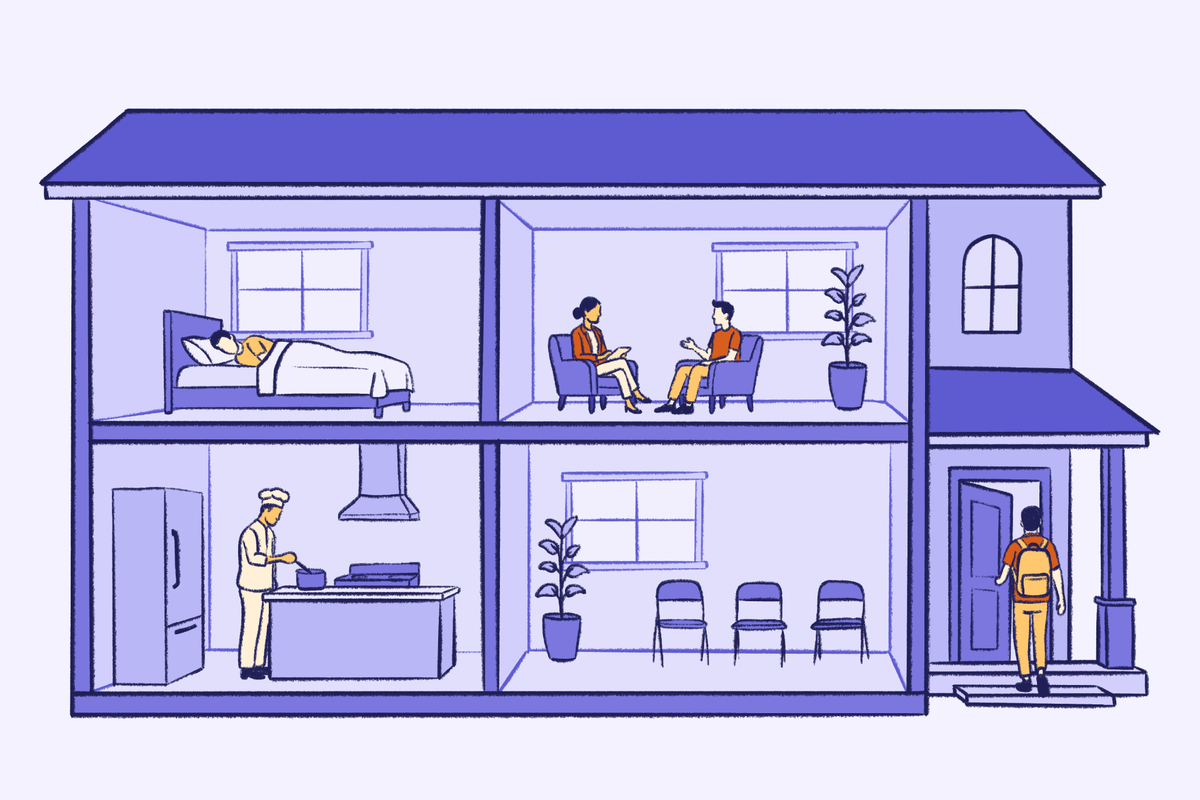
- Sober living provides a structured, substance-free environment that helps bridge the gap between treatment and independent living.
- Daily routines, house rules, peer support, and accountability help residents build healthy habits that support long-term recovery.
- Research suggests that staying in sober living for six months or longer is associated with better recovery outcomes, including sustained sobriety and improved overall well-being.
- Choosing a quality sober living home with clear rules, ethical practices, and a supportive community can make a meaningful difference in the recovery journey.
Sober living provides a stepping stone between treatment and day-to-day life in recovery.
You may have a rough idea of what happens in sober living, maybe because of a movie or a friend. But what’s it really like? What should you expect?
Let’s explore.
What Is a Sober Living Home?
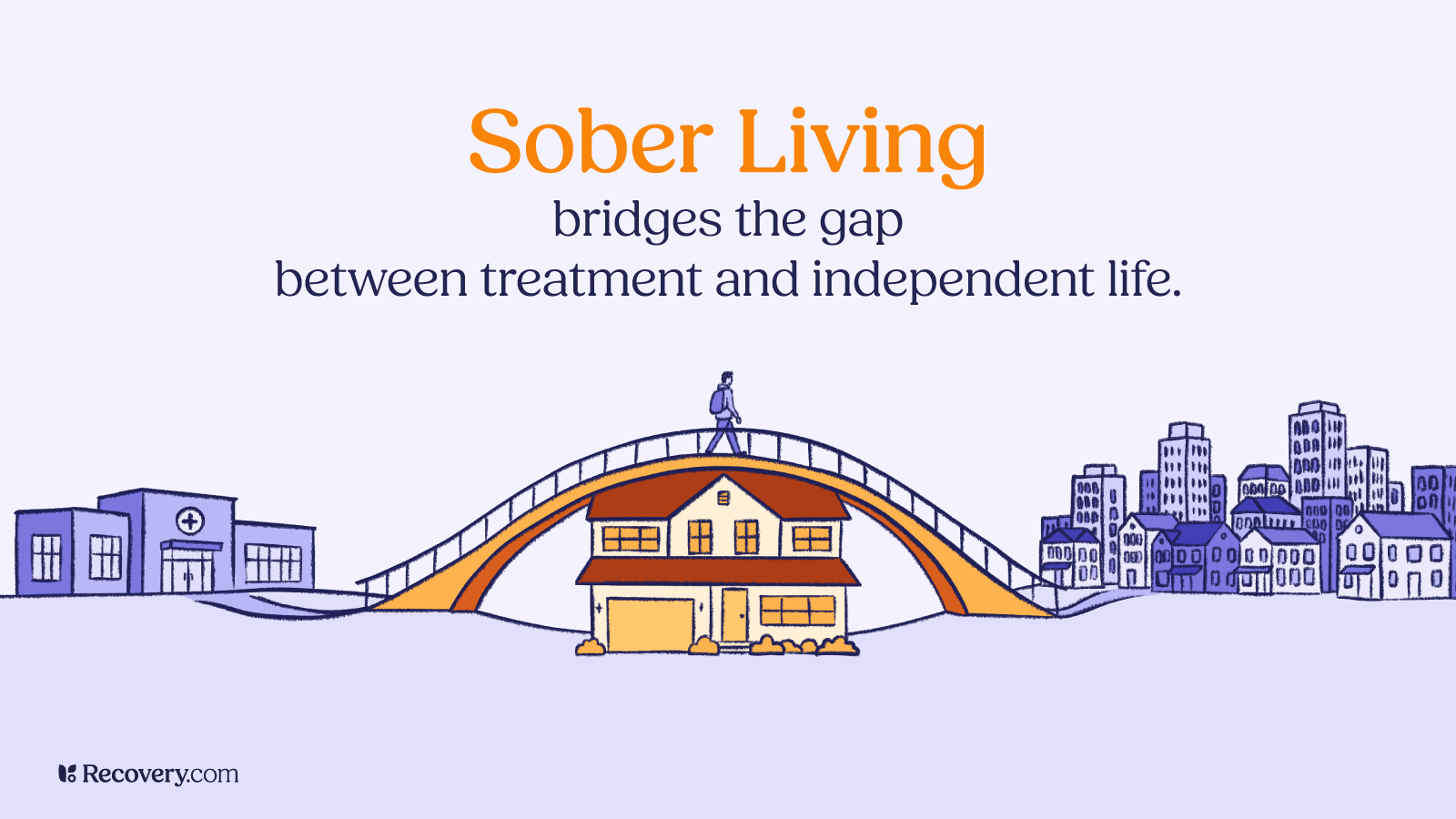
A sober living home often serves as a bridge between substance use disorder (SUD) treatment and regular, everyday life.
A sober living home is not an inpatient rehab or a halfway house, and it’s not independent living. It’s a substance-free housing option for people in early recovery.
In many cases, sober living isn't a treatment program itself. Instead, it provides a structured, substance-free environment that can help you strengthen your recovery before returning to your more usual life and living situation. Sober living may be referred to as recovery housing, a recovery home, transitional housing, or a recovery residence.
There are often strict no-substance policies at sober living, so residents are expected to maintain sobriety while they’re there. You’re also all in the same boat, so your housemates often become your strongest supporters and advocates. Some have house managers who help assign chores, maintain harmony, and help with the practicalities of home life.
Why Are Sober Living Homes Important for Recovery?
What happens right after treatment often matters as much, or more than, what happens during treatment. The first few weeks after detox and rehab, for example, can strain even the most solid states of recovery—but that all changes with the right aftercare support.
Find The Perfect Treatment For You
Answer a few questions and we'll match you with the best options.
What Are You Struggling With?
What Kind of Care Do You Need?
What Insurance Do You Have?
Who Is Sober Living For?
Sober living is for people who:
- Are coming out of inpatient treatment (like rehab) for drug or alcohol addiction.
- Don’t have a stable, substance-free home environment.
- Need support to maintain their recovery, but not clinical treatment.
People of all genders and ages can go to sober living. Many people in sober living have co-occurring mental health conditions too, which also benefit from the supportive, structured environment of sober living.
Explore Sober Living Treatment Centers
What Does Daily Life Look Like in Sober Living?
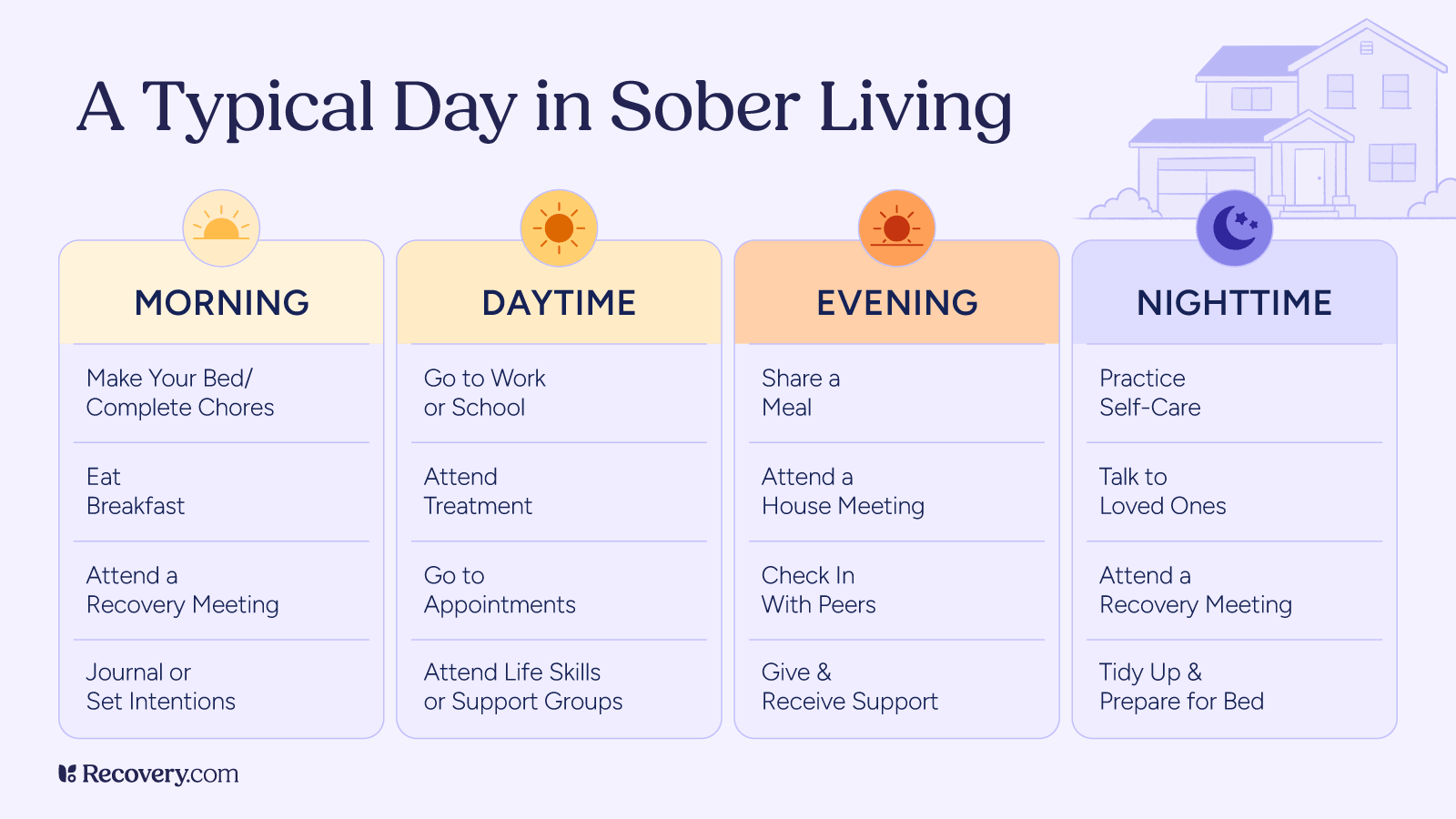
Each sober living home will have its own slight variations, but generally, a day in sober living will include morning, afternoon, and evening activities or expectations.
Morning Routines and Structure
Routines are important for a lot of people, but especially for those whose minds and bodies are adjusting after stopping substance use. Brains like predictability, which is why structure is so vital in this early stage of recovery.1
So, in the morning, you may:
- Wake up at a specific time, like 7 AM.
- Complete chores, like making your bed or taking out the trash.
- Get ready.
- Cook and eat breakfast with roommates.
- Possibly attend a peer support meeting, like Alcoholics Anonymous (AA), or other recovery programs.
- Clean up.
- Journal to check in with your emotions and set your intentions for the day.
Work, School, and Outside Responsibilities
Afternoons in sober living are for work, school, or the pursuit of either. Some people also attend outpatient treatment while they’re in a sober home.
You’re free to leave the house and attend to personal matters, appointments, and most anything else that’s supportive of your recovery. You may also attend life skills courses or other peer support groups in your sober living home.
Some sober living programs offer transportation for those without cars, or have a bus stop not too far away.
House Meetings and Housekeeping
As the day winds down, you’ll likely make and share a meal with your housemates and gather in an informal close-of-day meeting. This serves as a check-in and a space to raise any concerns, questions, or thoughts. Depending on the sober living home, the facilitator may ask participants to share how they’re doing with their recovery journey.
You’ll chat with your peers and provide and receive accountability. All of these skills and practices work towards relapse prevention and personal growth.
Evening Wind-Down
Evenings in sober living are for winding down, practicing self-care, or spending time with sober peers. Common activities include:
- Engaging in a calming hobby, like painting or reading.
- Talking to loved ones.
- Tidying up.
- Hygiene routines.
- Possibly attend 12-Step programs like AA.














What Are the Rules in Sober Living?
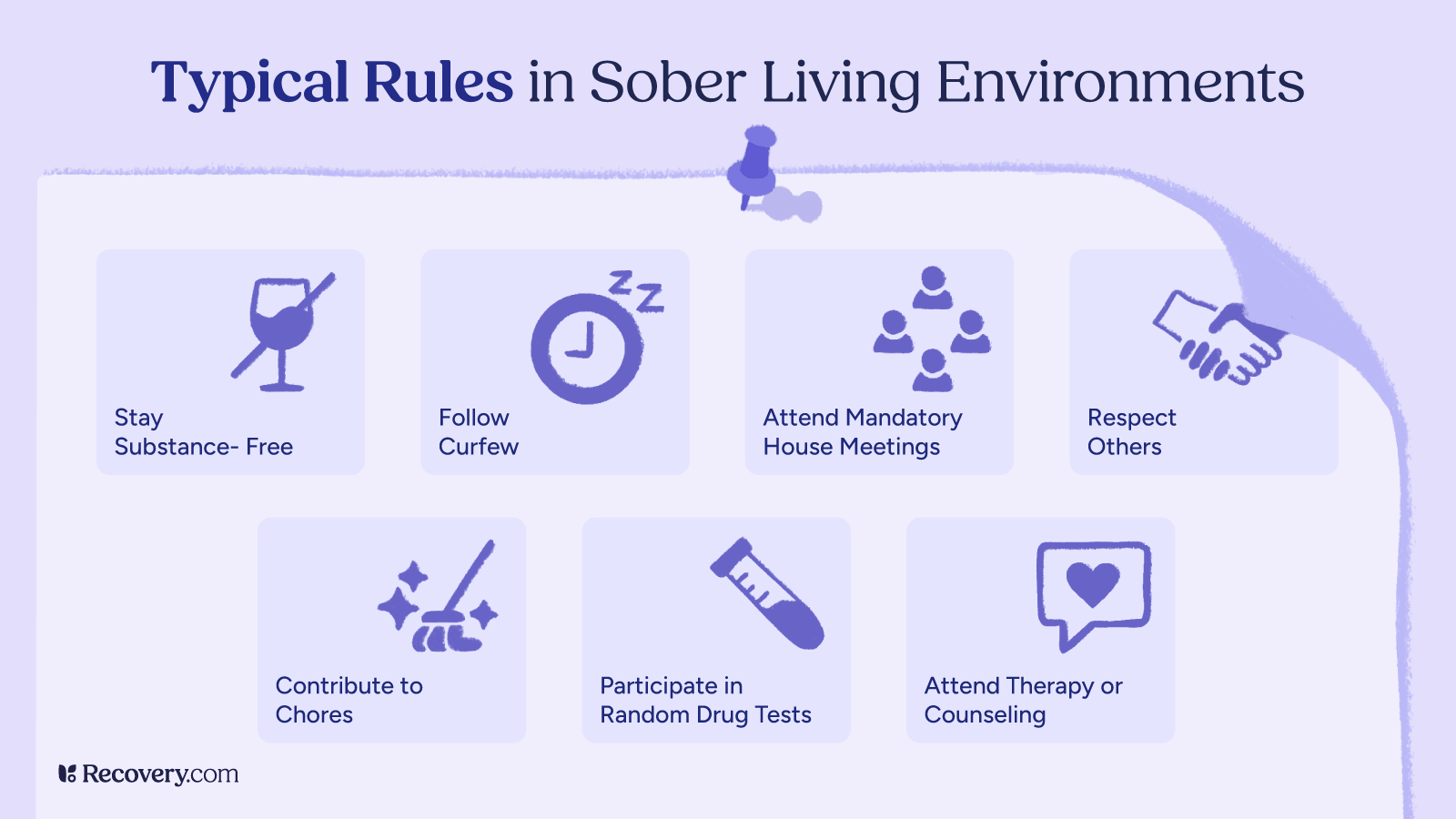
Sober living rules are designed and upheld to protect recovery—for everyone. The supportive environment of sober living often hinges on these rules and on everyone following them together.
It’s also important to note this: not every sober living home will have the same house rules. They can vary quite a bit by house, state, and the people they specialize in helping.
The best way to know the rules of a sober living house is to ask the particular facility what their rules are. Generally, though, you can expect any or all of the following.
Zero Tolerance for Alcohol and Drugs
This is the one rule you can 100% expect at every sober living home helping people transition out of addiction treatment: a drug-free and alcohol-free environment.
To ensure people abide by this rule, sober living homes often do regular drug testing and random room checks to see if anyone has something they shouldn’t. This rule keeps the environment safe and recovery-friendly for everyone in the home, which is essential for building a foundation for long-term recovery.
Curfews and Structured Schedules
Many sober living homes have a curfew in place. This means people need to be home at a certain time, like 9 p.m. This ensures they have enough time for evening meetings and routines and helps maintain safety.
Schedules add structure, an often critical element of substance use disorder recovery.
Participation in Recovery Meetings
You’ll likely be required to attend 12-Step meetings while you’re in sober living or non-12-Step recovery meetings. The point is less about which format they follow and more about giving you a space to speak freely, connect with your housemates, and hold each other accountable.
You may have one group in the morning and one at night. Some sober living homes host these; others coordinate transport to a meeting group nearby.
Chores and Household Responsibilities
Each resident contributes to their home staying clean and in order. That likely means assigned household chores, like one person loads the dishwasher, one unloads, someone sets the table, someone else takes out the trash. Responsibilities often rotate.
The purpose isn’t to just keep a clean house, either. It’s to build life skills, encourage teamwork, and make it clear that each person belongs and has a role.
Financial Responsibilities: Rent and Fees
The cost of sober living can vary greatly. Sober living homes charge rent to cover expenses. Rent can vary quite a bit by location, room type (private or shared) and what services the sober living home offers beyond a supportive living environment.
In many cases, residents pay anywhere from $500 to $2,000 per month for sober living. Shared rooms sit on the lower end; private rooms cost more. A modern, updated house will cost more too, especially if it has amenities like a pool or an on-site gym.
You’ll also have standard everyday life expenses, like food and groceries, and whatever else you may buy for yourself.
Guests and Overnight Policies
You’ll often need approval to have guests over, especially if they’re staying overnight. This is to protect the recovery-supportive environment of sober living.
Many residents enjoy having family members or friends drop by, and these guests are often important parts of their at-home support system. As long as they’re not actively using drugs or alcohol (or selling it), most sober living homes allow guests. They may require them to sign in and out, and in some cases, the home manager or another staff member will be around to monitor visits.
Guests are often not allowed into bedrooms or other areas beyond living spaces.
How Long Do People Stay in Sober Living?
People stay in sober living for a few months, anywhere from three to six months, or longer. Length of stay will vary by each person’s recovery needs. Research shows longer stays make long-term sobriety more likely.2
Longer stays often produce better outcomes because residents have more time to build their recovery capital, which is essentially the new mindset and skills that come with sustained sobriety.3 Having recovery capital means stressors or triggers have less of an effect—like a cushion.
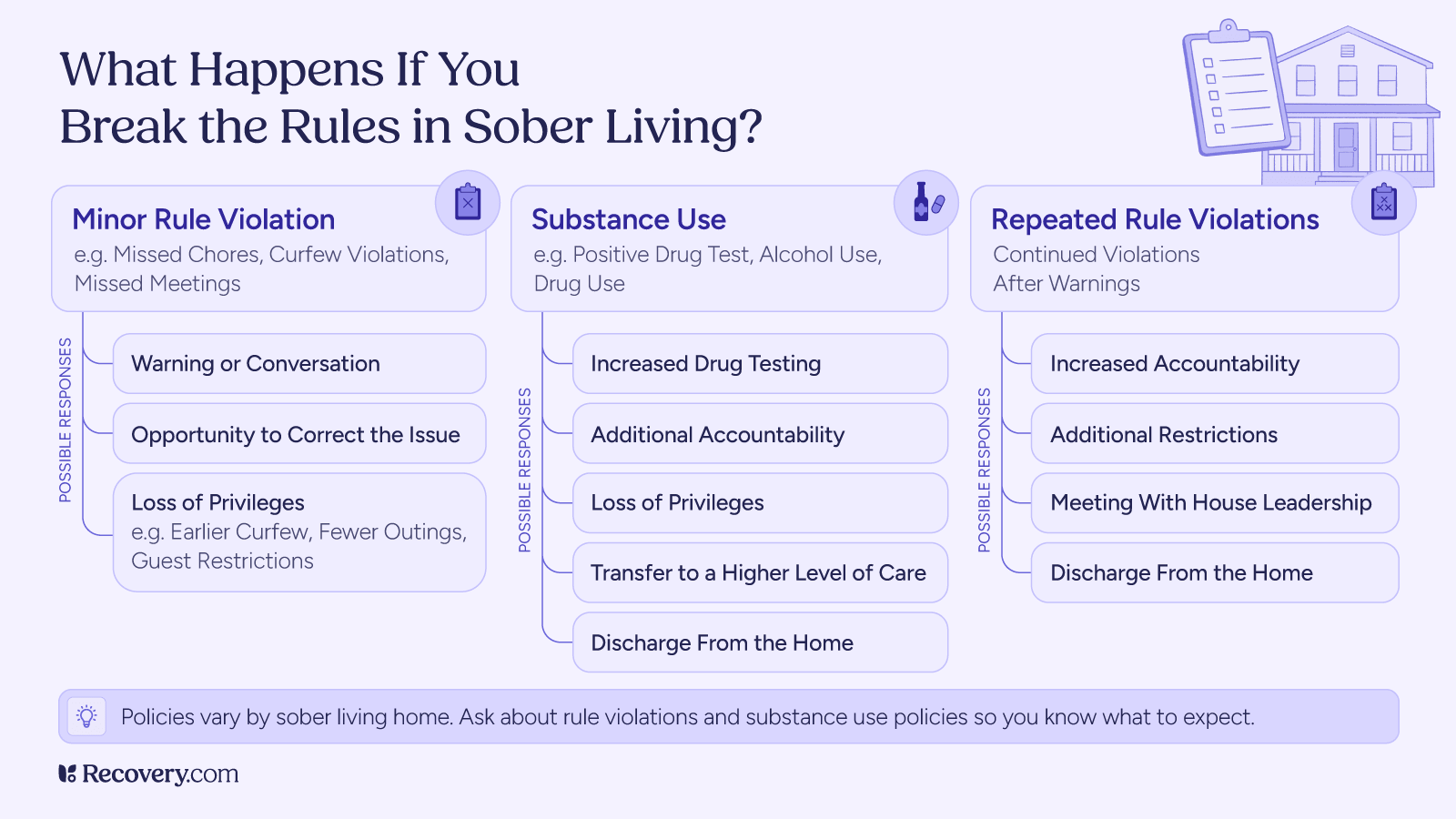
What Happens If You Break the Rules?
Sober living homes don’t expect perfection. Mistakes and accidental rule-breaking happen, especially early on.
For minor offenses, you’ll receive verbal warnings and most likely given a period of time to correct or change the offending behavior. You may also meet with the house manager to discuss what happened, and potentially lose privileges.
Relapses in this level of care can happen, as addiction recovery often isn’t a perfect upward line. Sober living homes know this, too. One recurrence of use with recommitment to recovery may result in more regular drug tests or other accountability efforts, but not eviction. Other recovery homes may have stricter policies around recurrence of use–check with their team to see how they approach relapse.
The Benefits of Sober Living: What the Research Shows
Being in a recovery residence, especially for six months or longer, has proven benefits. Examples include:4
- Sustained sobriety.
- Better general healthcare outcomes.
- Lower rates of crime.
- Sustained employment.
- Healthier relationships.
- A more stable homelife.
How to Choose the Right Sober Living Home
The best sober living home for you will likely be close by, affordable, and aligned with your personal beliefs.
That last part often applies to how the sober living home approaches recovery—do they strictly promote 12-Step programs? Do they support your recovery with more rules, or more agency? Do they value and try to build community?
Feeling safe, supported, and valued is important to your recovery. So is the sober living home, and any other treatment center, operating ethically. Look for National Alliance for Recovery Residences (NARR) certification and state licensure (applies to states like FL, MA, and CA). If they offer any clinical service, like individual therapy, they must have state licensure.
Learn more: How to Choose a Sober Living Home
Questions to Ask Before Moving In
Asking questions can help you determine if a sober living home is the right fit for you. When talking to admissions teams, keep questions like these in mind:
- Is there a live-in house manager?
- What rules do residents follow?
- Are bedrooms shared or private?
- Are 12-Step meetings required?
- What time is curfew?
- Are drug tests conducted?
- What’s included in monthly rent?
- What’s a typical day like?
Red Flags to Watch For
Some sober living homes don’t operate ethically, or have residents’ best interests at heart.
Red flags include unclear fees, no rules at all, no oversight, and not requiring sobriety from every resident. Allowing guests who drink or use substances is another red flag. If possible, tour the sober living home to ensure it matches the quality you saw in photos.
Is Sober Living the Right Next Step for You?
The next step in your recovery may include sober living if you need a supportive, safe environment to live in while navigating early recovery. Beyond the helpful environment, you’ll also gain community and accountability from peers in your same situation.
Reflect on what you need and want in your recovery process. If sober living feels like your next step, you can use Recovery.com to find sober living homes near you.
FAQs
Common rules include no drug or alcohol use, curfew hours, guest limitations, required chores and housekeeping, and attending recovery meetings.
Yes. The flexibility of sober living means you can go to school or work during the day and have somewhere supportive to return to.
A halfway house is often a court-ordered stay for people with criminal offenses related to substance use, like a DUI. Sober living is voluntary.
Most people can expect to spend between $500 - $2,000 per month for sober living. It varies depending on location, amenities, and if the room is private or shared.
In some sober living homes, relapsing results in eviction. Rules depend on the sober living home; a relapse does not always equal eviction.
Sober living isn’t usually covered by insurance. But you may still be able to apply for scholarships or pay on a sliding scale.




Our Promise
How Is Recovery.com Different?
We believe everyone deserves access to accurate, unbiased information about mental health and recovery. That's why we have a comprehensive set of treatment providers and don't charge for inclusion. Any center that meets our criteria can list for free. We do not and have never accepted fees for referring someone to a particular center. Providers who advertise with us must be verified by our Research Team and we clearly mark their status as advertisers.
Our goal is to help you choose the best path for your recovery. That begins with information you can trust.