Find Treatment By
Rehabs by Location


Find Treatment By
Learn
About Us
Recovery.com combines independent research with expert guidance on addiction and mental health treatment. Our mission is to help everyone find the best path to recovery through the most comprehensive, helpful network of treatment providers worldwide.
Advisory Council
Our advisory council brings together leaders in behavioral health, technology, and business. Their diverse expertise ensures our resources and product are innovative, evidence-based, and effective. They guide our mission as accomplished individuals dedicated to improving the landscape of addiction recovery and mental wellness.
Put Me in (Sober) Coach: Q&A with Cindy Feinberg


There are many paths to sobriety. Google the term “addiction recovery” and you’ll find an endless number of sites at your fingertips. But what if those fingertips are wrapped around a vodka bottle or crack pipe?
Let’s face it; as active addicts, we’re not the best motivators or decision makers. But what if you could have someone do that part for you?
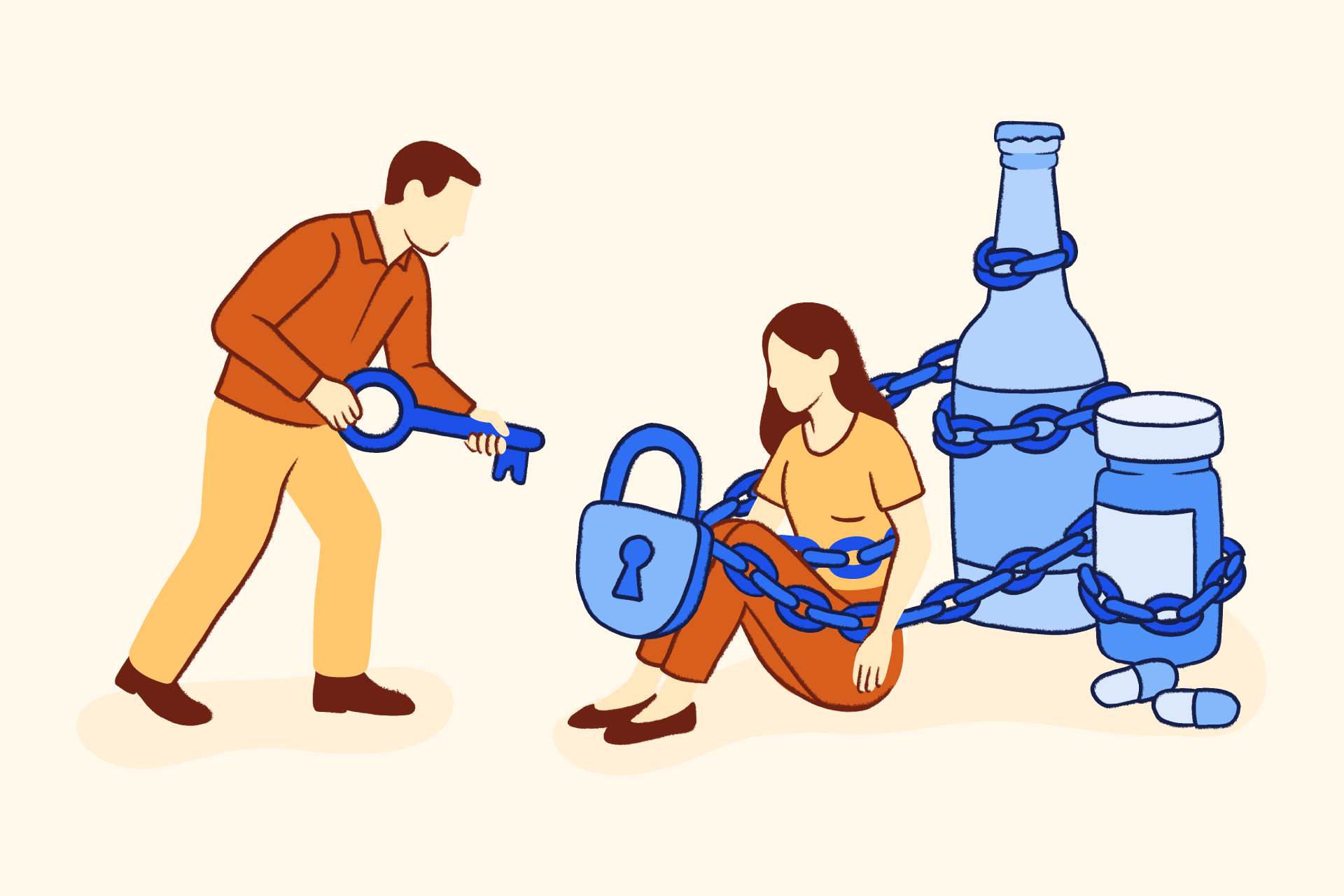
Sober coaches or sober companions are a huge craze in the recovery community. If you have an addiction (and a credit card that’s not maxed out), you can hire someone to take over and get you sober.
Explore Alcohol Treatment Centers
Enter the Sober Coach
So what does a sober coach do? And, more importantly, does it really work?
To get to the bottom of these (and many other important) questions, we reached out to Cindy Feinberg CPC, CAI, a successful recovery coach and founder of The Recovery Coach NY in New York City. She’s a trained addiction councilor, life coach and CBC (Cognitive Behavioral Coach) who specializes in private, confidential, personal life and recovery coaching.
Take a look at what Cindy had to say about the role of a sober coach and how recovery tools can help people achieve long-term sobriety.
Q: Cindy, in your personal opinion, what makes a good sober coach?
A: A good sober companion is someone who is in recovery themselves and, therefore, understands what it takes to get sober, set good boundaries, help clients set realistic goals, assist with time management, find sober communities to support clients and identify triggers.
We go through their phones and remove any dangerous contacts, create daily schedules, help with sorting out finances, help them find jobs and get them on an exercise routine…there’s a lot that goes into this. But most importantly, we meet our clients where they are at.
Q: Do you require your clients join AA or a similar 12-step program?
A: No, we work with people in and out of AA. Though many of our clients do attend 12-step meetings – and we sometimes take them to that first meeting – AA is not the only path.
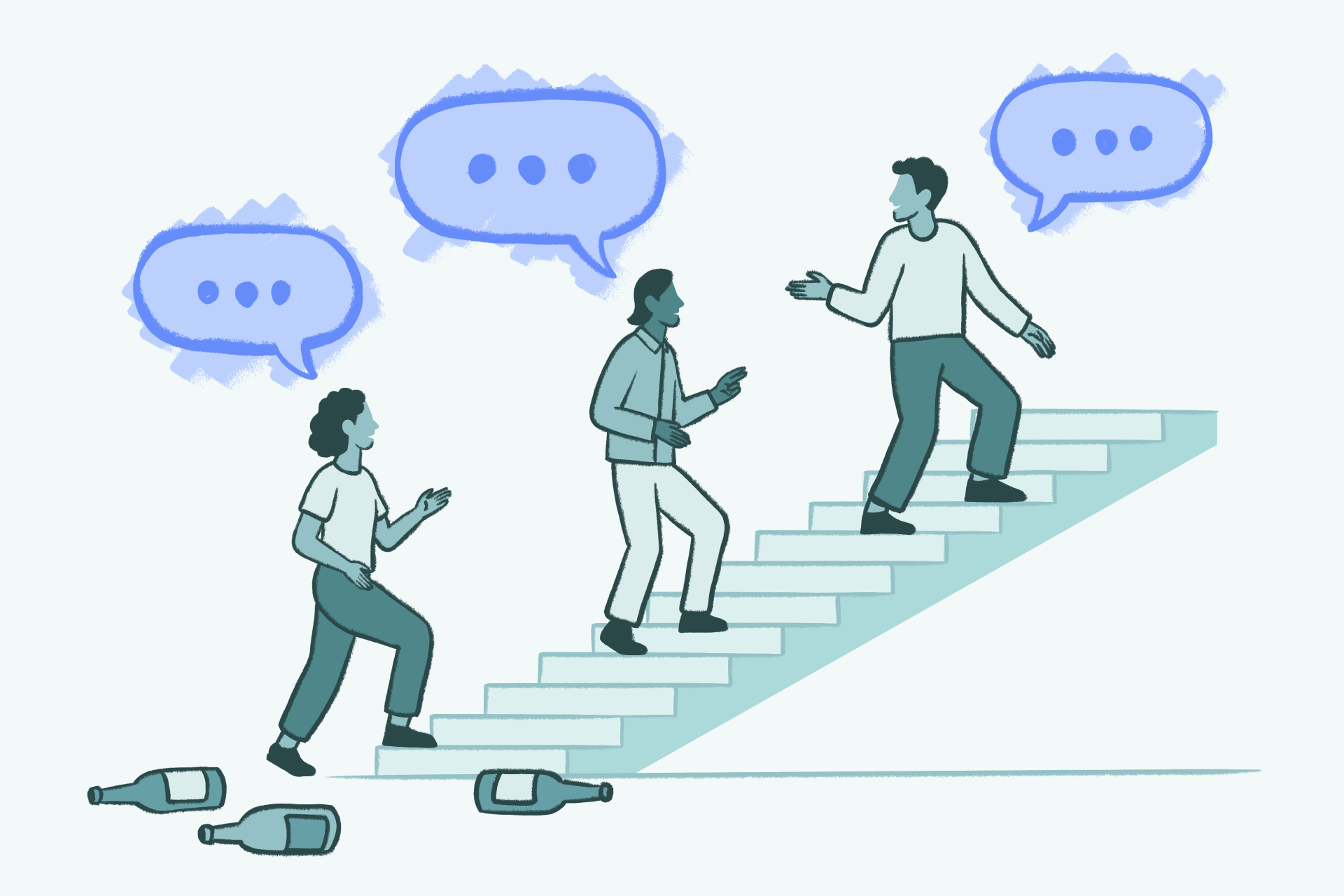
I do tell my clients that they need to find a community of like-minded people for support. For some, that could be church, temple, yoga, or meditation. In fact, Buddhism in recovery has been very helpful for some clients. Noah Levine with Dharma Punx is also popular. But finding a community you identify with is key to staying sober. And not every client that comes to us wants to stop drinking; some want harm reduction. That can be a real challenge for us.
Q: So, how long does someone usually work with a sober coach?
A: It’s different for everyone. I’ve had some clients over five years. I’ve seen some transform from active cocaine addicts to mothers; others stop and start again.
There’s no requirement to start working with me. Most alcoholics and addicts are very skeptical and don’t trust anyone, so I don’t push in the beginning. I want them to trust me. That’s the only way this works. So I often say “let’s start with one or two sessions and see how it goes.”
Q: Let’s talk about setting boundaries. How do you do that? Are there areas of your client’s lives that you won’t touch?
A: Good question…and the short answer is yes.
First off, we don’t do 12-step work with our clients. Again, if that’s the path they choose, we get them into a program and help them find a good sponsor.
When working with a client who has trauma – which 85 percent of the women we work with do –we refer them out to a good physiologist or professional who is equipped to handle those deeper issues.
We are not therapists and we don’t deal with the psychological aspect. I have a Registered Nurse on staff for in-home detoxing. We have many clients with mood disorders like bi-polar or sexual abuse that, again, will need outside help from a psychological professional. We help find these services so we can continue working with them.
Q: You said you help some of your clients find employment, but if they don’t have a job? How can they afford a sober coach?
A: Well, they can’t unless they have some kind of financial backing. We definitely cater to a higher end clientele. Oftentimes, their families are just fed up with them, so they hire me to come in and take over. My clients are often very successful CEOs or twenty-something women whose family is simply out of patience. But yes, they need some kind of financial means to work with us.
A lot of our work is in family-after-tactics, since most of our clients get out of treatment and end up moving back in with their parents or children, which is a huge stressor. I have one sober companion who just moved in with a client and his family to oversee this transition.
Q: Does having a sober companion really give someone an advantage to staying sober over someone who doesn’t?
A: Yes, I think it does. And there are several new studies out that prove this statistic.
Q: I suppose that paying someone to always show up and create a scaffolding of sorts around your sobriety is extra insurance.
A: Yes it is, and speaking of insurance I’m currently working with the APA (American Psychiatrists Association) on approaching insurance companies to cover the cost of sober companion services.
Q: And that’s a significant point since rehab can be so expensive.
A: I mean, this is really preventative care. If we can get [insurance companies] to cover this service, it saves them the cost of sending an addict back into a rehab. It’s truly preventative care. And that’s what we do…we care for people.
Personalized Support on the Path to Sobriety
Recovery does not follow a single script. For some people, sober coaching offers an added layer of support—someone to help create structure, reinforce boundaries, and meet them where they are. As this conversation with Cindy Feinberg highlights, sober coaches do not replace therapy, treatment programs, or peer support groups. Instead, they work alongside these resources to help people navigate the realities of everyday life in recovery.
While sober coaching is not accessible to everyone, it reflects a broader truth about recovery: consistent support, clear boundaries, and community matter. Whether through a sober coach, a treatment program, or a peer network, having people who show up can make a meaningful difference in sustaining long-term sobriety.
Start Your Recovery Journey
If you’re ready to find addiction treatment for yourself or a loved one, we’re here to help. Browse top medical detox centers in the US, inpatient addiction treatment facilities, aftercare options, and more to start on the path to recovery. You can search for rehab by insurance carrier, location, amenities, and more for free. Don’t wait. Get help today.
FAQs











Our Promise
How Is Recovery.com Different?
We believe everyone deserves access to accurate, unbiased information about mental health and recovery. That's why we have a comprehensive set of treatment providers and don't charge for inclusion. Any center that meets our criteria can list for free. We do not and have never accepted fees for referring someone to a particular center. Providers who advertise with us must be verified by our Research Team and we clearly mark their status as advertisers.
Our goal is to help you choose the best path for your recovery. That begins with information you can trust.