Timberline Knolls
Verified Center
This provider's information has been quality-checked by Recovery.com's Research Team for accuracy and completeness, including center verification through appropriate third-party organizations.
Treatment Focus
This center treats substance use disorders and mental health conditions. You'll receive individualized care catered to your unique situation and diagnosis, learn practical skills for recovery, and make new connections in a restorative environment.
Primary Level of Care
Offering intensive care with 24/7 monitoring, residential treatment is typically 30 days and can cover multiple levels of care. Length can range from 14 to 90 days typically.
Treatment Focus
This center treats substance use disorders and mental health conditions. You'll receive individualized care catered to your unique situation and diagnosis, learn practical skills for recovery, and make new connections in a restorative environment.
Primary Level of Care
Offering intensive care with 24/7 monitoring, residential treatment is typically 30 days and can cover multiple levels of care. Length can range from 14 to 90 days typically.
Provider's Policy
Please call our admissions team for more information on insurance coverage. A knowledgeable member of our team can answer any financial questions you might have, and they can also reach out directly to your insurance carrier to verify and maximize your benefits. This service is free and puts you under no obligation to choose our programming.
Timberline Knolls
Timberline Knolls
About Timberline Knolls
Located just 30 miles southwest of Chicago, Timberline Knolls provides individualized care for adult women and adolescent girls ages 12+ who have been struggling with eating disorders, substance use disorders, and mental health concerns. Timberline Knolls crafted their treatment process to address the specific challenges women and adolescent girls face. Often, when females receive care among other females, it can be easier for them to respond with honesty, which may otherwise feel intimidating in the presence of male residents. Removing this pressure helps women and girls thrive in their recovery experience.
Individualized, Comprehensive Care
Timberline Knoll’s focus on individualized service means that no two clients will have an identical experience. Their care will be guided by a unique plan that reflects and addresses specific strengths, needs, and goals. Depending on those factors, women's plans may include ambulatory, nonmedical detoxification, medication management, basic medical services, and individual, group, family, and experiential therapies.
Structured And Expansive Care
A typical day at Timberline Knolls includes multiple group sessions, with experiential, psychoeducational, and process groups. Topics that may be addressed include coping skills, dialectical behavior therapy (DBT) skills, and food discovery. Experiential groups may include recreational activities, yoga, dance and movement, and art therapy. For clients suffering from an eating disorder, they may also participate in dietary consultations and receive monitoring and support during meals and snacks.
Age-Based Programming
To ensure that each person receives the focused, age-appropriate programming that best addresses their needs, Timberline Knoll’s residential services are provided in six lodges. Their lodge format provides a safe and supportive environment where women and girls can receive care alongside others within the same age group. Timberline’s lodges also promote the development of positive peer groups, which help residents learn how to establish healthy interpersonal relationships and begin to trust others for friendship and support.

Highlights from the Center
Highlights
These highlights are provided by and paid for by the center.
Insurance Accepted
Co-Occurring Disorders Treatment
Women Only
Eating Disorders Program
Center Overview

Treatment Focus
This center treats substance use disorders and mental health conditions. You'll receive individualized care catered to your unique situation and diagnosis, learn practical skills for recovery, and make new connections in a restorative environment.
Joint Commission Accredited
The Joint Commission accreditation is a voluntary, objective process that evaluates and accredits healthcare organizations (like treatment centers) based on performance standards designed to improve quality and safety for patients. To be accredited means the treatment center has been found to meet the Commission's standards for quality and safety in patient care.

Supportive Medication for Recovery
Medication-Assisted Treatment (MAT) is an evidence-based approach that pairs FDA-approved medications with counseling to treat addiction. The medications are used to reduce cravings, ease withdrawal symptoms, or block the effects of substances. More about MAT
Methadone
Naltrexone
Buprenorphine
This center accepts patients receiving MAT prescribed elsewhere for opioid use disorder, but does not provide MAT.
Note: Treatment centers offer different forms of MAT—such as oral tablets, dissolvable films, or monthly injections—and their policies can vary based on state regulations, provider preferences, and insurance coverage. Because of these differences, it's best to contact the center directly to learn what options are available and what might be right for your situation.
Insurance Accepted

Cash Pay Rates
Estimated Cash Pay Rate
Center pricing can vary based on program and length of stay. Contact the center for more information. Recovery.com strives for price transparency so you can make an informed decision.
Meet Your Care Team

Sarah Sadkowski
Chief Executive Officer
MA, MS, LCPC
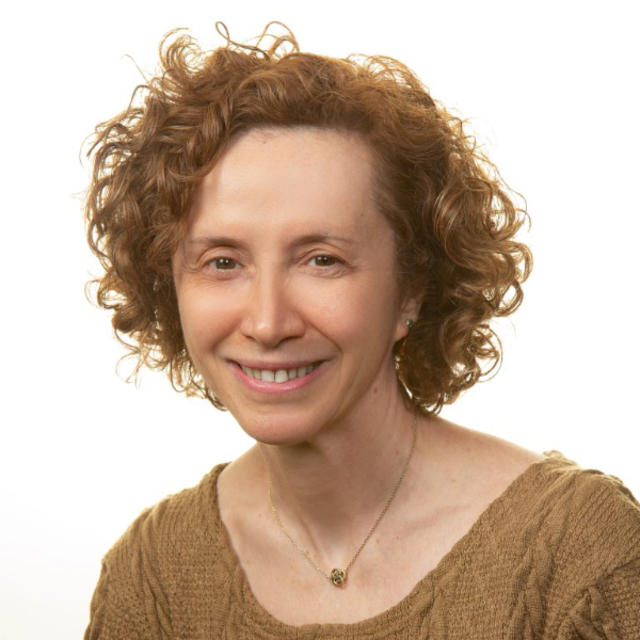
Dr. Ozlem Dubauskas
Medical Director
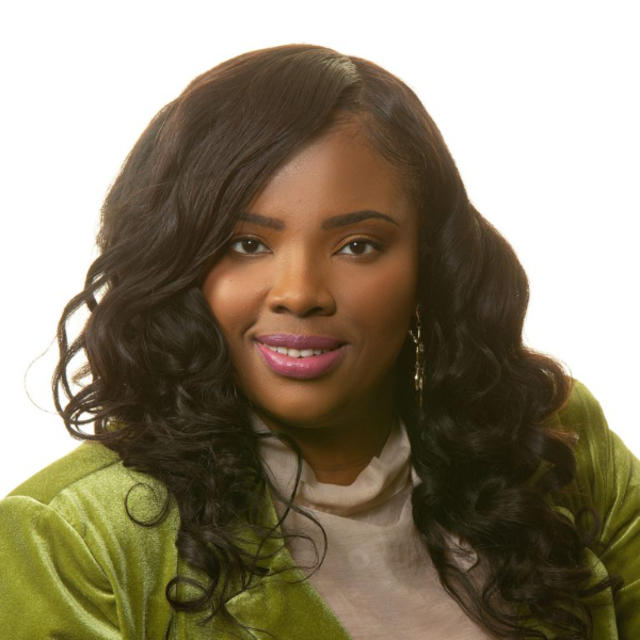
Aisha Ward
Chief Financial Officer
MBA
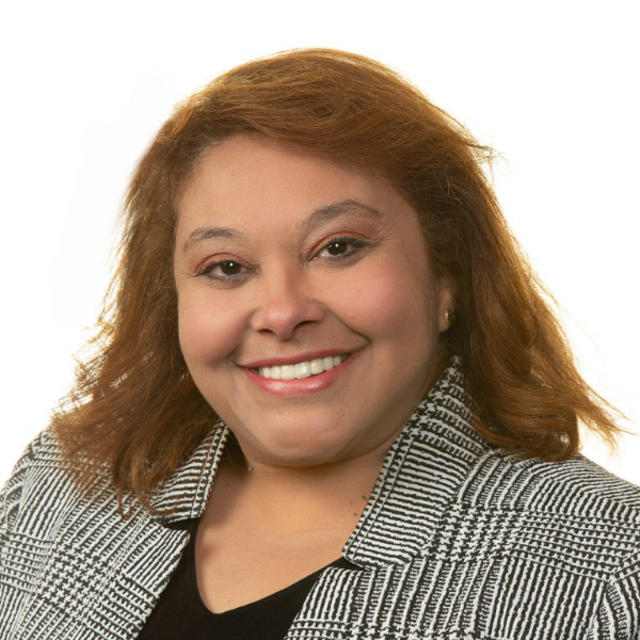
Soraya Soto
Director of Admissions
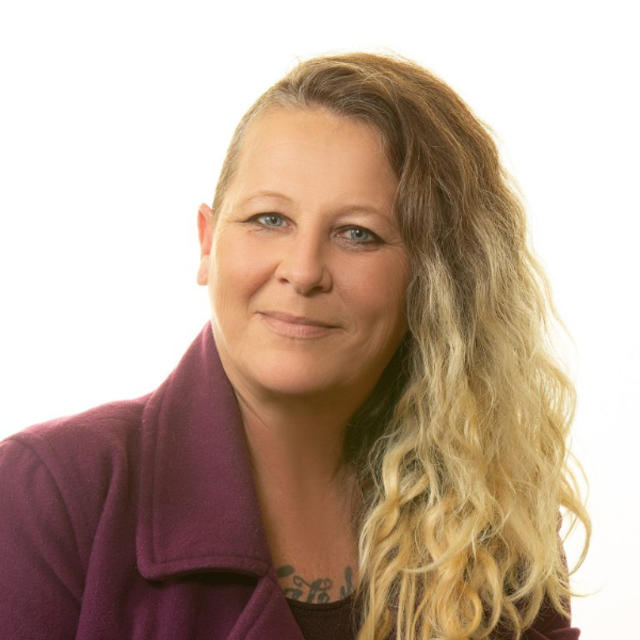
Sherry Thomas
Call Center Manager
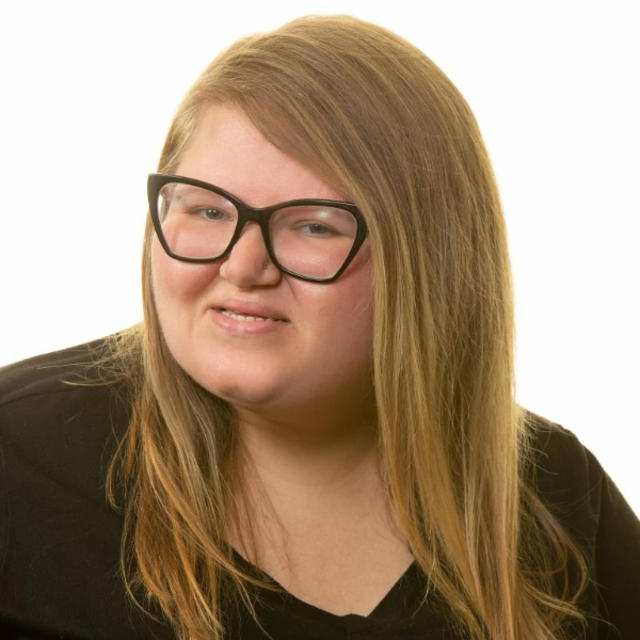
Threasa “Tee” Kluever
Intake Manager
MSW, LCSW

Diana Alarcon
Director of Utilization Management
BSN, RN
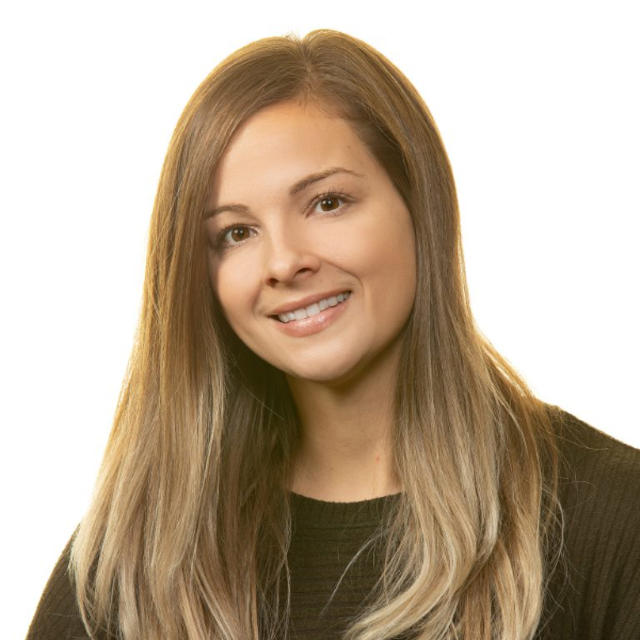
Heather Bartok
Academy Director and Teacher

David Cline
Director of Risk Management and Compliance
RN, BSN

Diane Faison-Roe
Director of Business Development
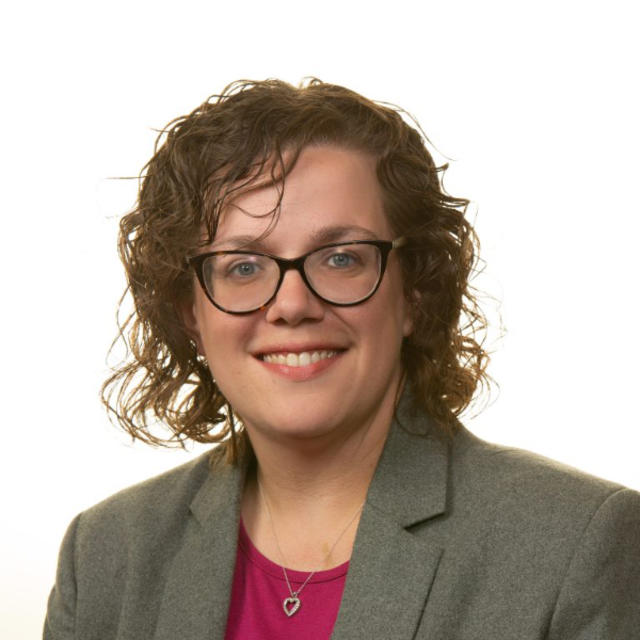
Samantha Gehrig
Assistant Director of Clinical Services
MA, LCPC, C-DBT

Joan Johnson
Chaplain
MAT, MAPS, BCC
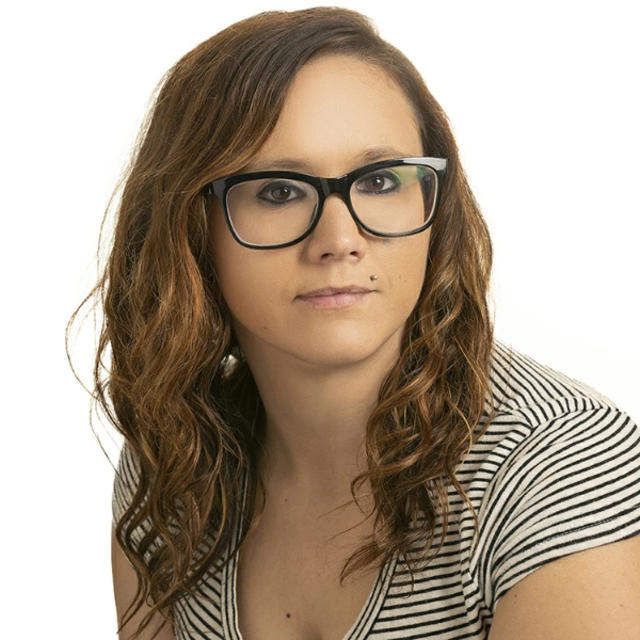
Heather Klajbor
Maple Lodge Director
MHS, CADC, LCPC

David Marinier
Director of Plant Operations – Safety Officer

Hannah McDaniel
Director of Nutrition Services
RD, LDN
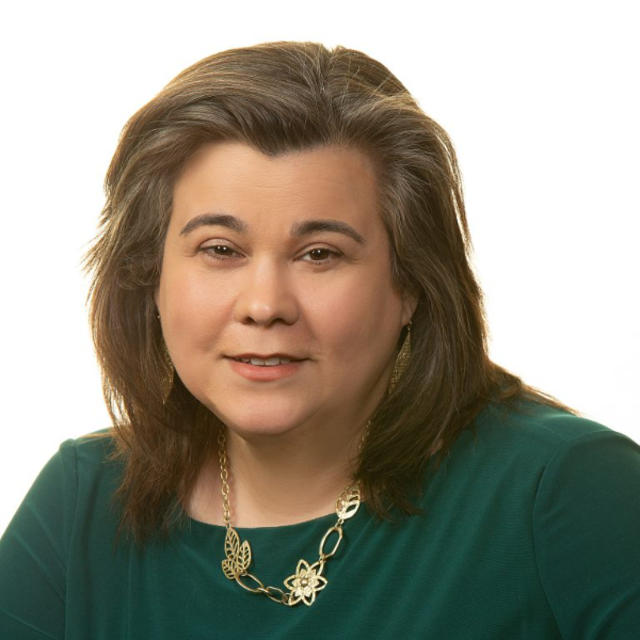
Maria Meintanis
Director of Outpatient Services
MEd, MS, LCPC

JaLisa Nailon
Pine Lodge Director
MA, LCPC
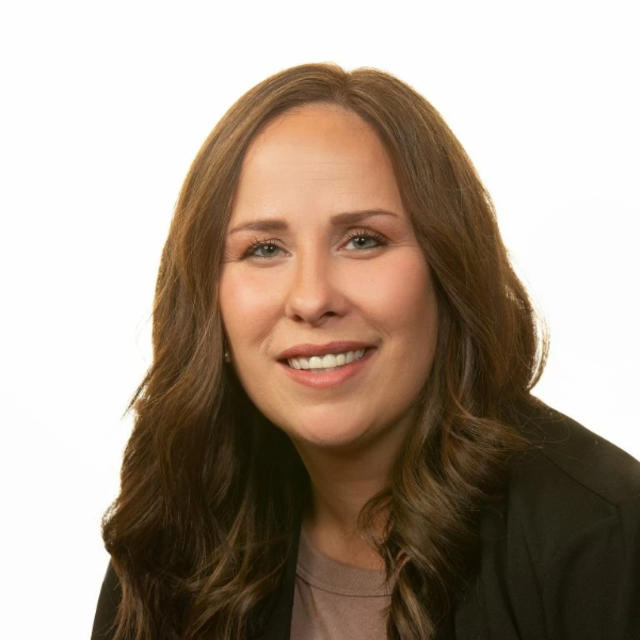
Danielle Rhinehart
Director of Nursing
RN
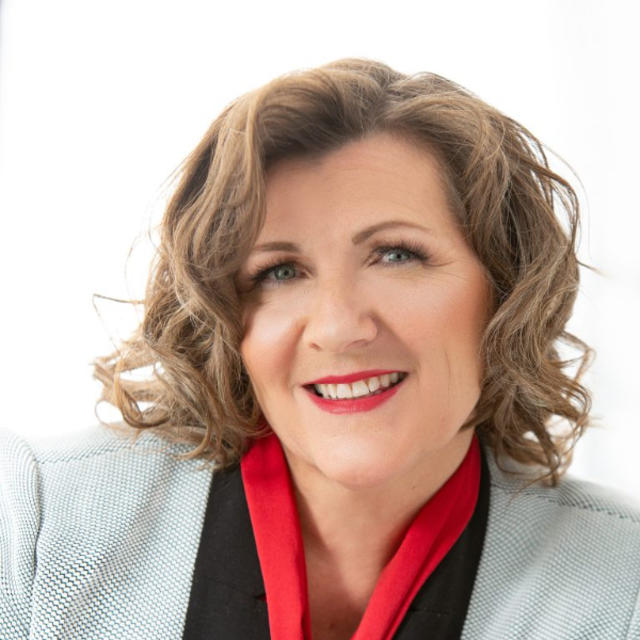
Tracey Papesh
Director of Case Management
MSW, CADC, CDVP
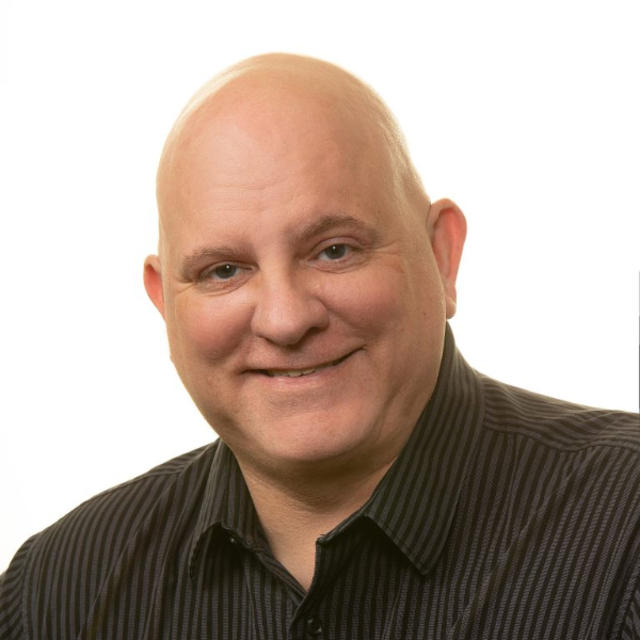
Dan Santangelo
Director of Clinical Services
M.S., LCPC
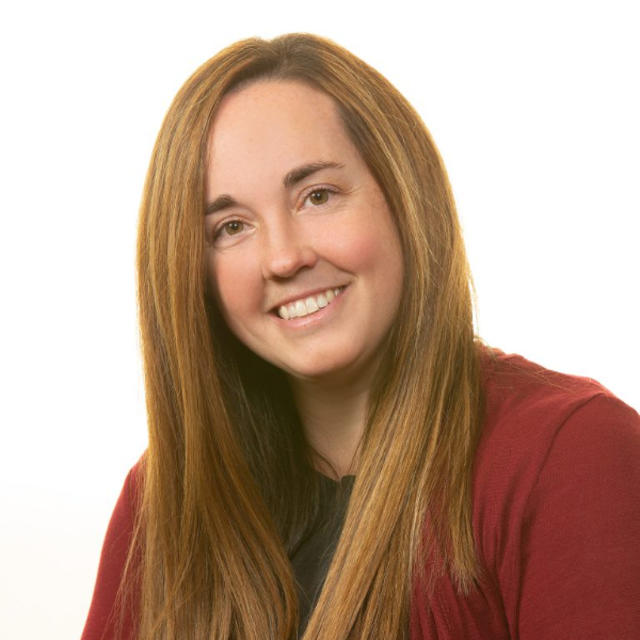
Camille Williams
Eating Disorder Program Coordinator
CEDS-C
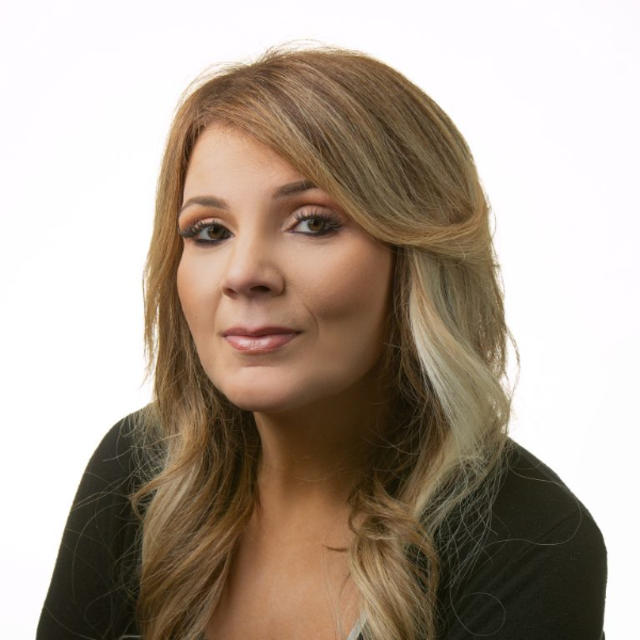
Eiliana Silva
Willow Lodge Director
MA, LCPC, EdD
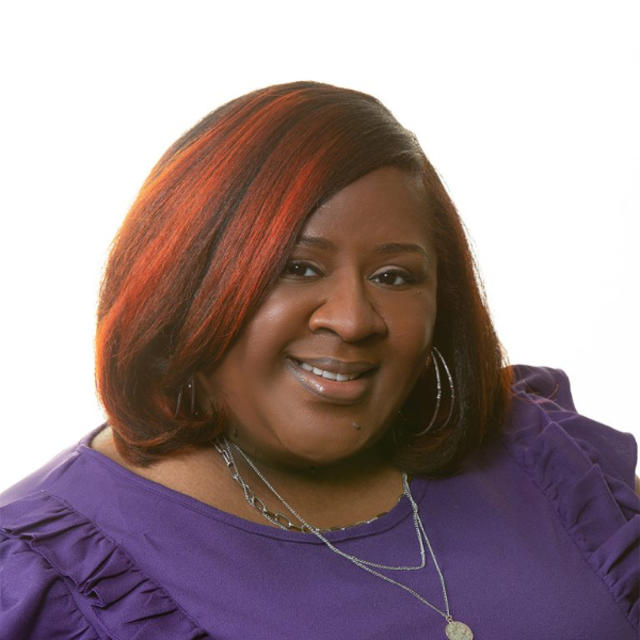
Tiana Williams
Director of Human Resources
Steve Wright
Director of Spiritual Services
MA, LCPC



Levels of Care
Your Care Options
Specializations
Adolescents
Teens receive the treatment they need for mental health disorders and addiction, with the added support of educational and vocational services.
Co-Occurring Disorders
A person with multiple mental health diagnoses, such as addiction and depression, has co-occurring disorders also called dual diagnosis.
Eating Disorders
An eating disorder is a long-term pattern of unhealthy behavior relating to food. Most people with eating disorders have a distorted self-image.
Licensed Primary Mental Health
Some primary care providers offer mental health diagnosis and treatment. This can prevent patients from developing more serious conditions.
Personalized Treatment
The specific needs, histories, and conditions of individual patients receive personalized, highly relevant care throughout their recovery journey.
Trauma
Some traumatic events are so disturbing that they cause long-term mental health problems. Those ongoing issues can also be referred to as "trauma."
Women only
Women attend treatment in a gender-specific facility, with treatment delivered in a safe, nourishing, and supportive environment for greater comfort.
Who We Treat
Adolescents
Teens receive the treatment they need for mental health disorders and addiction, with the added support of educational and vocational services.
Women only
Women attend treatment in a gender-specific facility, with treatment delivered in a safe, nourishing, and supportive environment for greater comfort.
Approaches
Christian
Through surrender and commitment to Christ, patients refocus the efforts and source of their recovery with clinical and spiritual care.
Evidence-Based
A combination of scientifically rooted therapies and treatments make up evidence-based care, defined by their measured and proven results.
Experiential
Expressive tools and therapies help patients process past situations, learn more about themselves, and find healing through action.
Gender-Specific
Separate treatment for men or women can create strong peer connections and remove barriers related to trauma, shame, and gender-specific nuances.
Individual Treatment
Individual care meets the needs of each patient, using personalized treatment to provide them the most relevant care and greatest chance of success.
Therapies
1-on-1 Counseling
Patient and therapist meet 1-on-1 to work through difficult emotions and behavioral challenges in a personal, private setting.
Acceptance and Commitment Therapy (ACT)
This cognitive behavioral therapy teaches patients to accept challenging feelings and make the appropriate changes to reach personal goals.
Art Therapy
Visual art invites patients to examine the emotions within their work, focusing on the process of creativity and its gentle therapeutic power.
Body Image Therapy
Therapists use cognitive behavior techniques to challenge how patients perceive their body and their worth, rewriting negative thoughts and attitudes.
Experiential Therapy
With this approach, patients heal by doing. Therapists help patients process difficult emotions to speak, using guided activities like art or dance.
Expressive Arts
Creative processes like art, writing, or dance use inner creative desires to help boost confidence, emotional growth, and initiate change.
Eye Movement Therapy (EMDR)
Lateral, guided eye movements help reduce the emotional reactions of retelling and reprocessing trauma, allowing intense feelings to dissipate.
Languages
Conditions We Treat
ADHD, ADD
ADHD is a common mental health condition caused by dopamine imbalance. Common symptoms include inattention, hyperactivitiy, and impulsivity.
Anxiety
Anxiety is a common mental health condition that can include excessive worry, panic attacks, physical tension, and increased blood pressure.
Bipolar
This mental health condition is characterized by extreme mood swings between depression, mania, and remission.
Depression
Symptoms of depression may include fatigue, a sense of numbness, and loss of interest in activities. This condition can range from mild to severe.
Eating Disorders
An eating disorder is a long-term pattern of unhealthy behavior relating to food. Most people with eating disorders have a distorted self-image.
Obsessive Compulsive Disorder (OCD)
OCD is characterized by intrusive and distressing thoughts that drive repetitive behaviors. This pattern disrupts daily life and relationships.
Personality Disorders
Personality disorders destabilize the way a person thinks, feels, and behaves. If untreated, they can undermine relationships and lead to severe distress.
Post Traumatic Stress Disorder
PTSD is a long-term mental health issue caused by a disturbing event or events. Symptoms include anxiety, dissociation, flashbacks, and intrusive thoughts.
Self-Harm
The act of intentionally harming oneself, also called self-injury, is associated with mental health issues like depression.
Substances We Treat
Alcohol
Using alcohol as a coping mechanism, or drinking excessively throughout the week, signals an alcohol use disorder.
Co-Occurring Disorders
A person with multiple mental health diagnoses, such as addiction and depression, has co-occurring disorders also called dual diagnosis.
Cocaine
Cocaine is a stimulant with euphoric effects. Agitation, muscle ticks, psychosis, and heart issues are common symptoms of cocaine abuse.
Drug Addiction
Drug addiction is the excessive and repetitive use of substances, despite harmful consequences to a person's life, health, and relationships.
Heroin
Heroin is a highly addictive and illegal opioid. It can cause insomnia, collapsed veins, heart issues, and additional mental health issues.
Methamphetamine
Methamphetamine, or meth, increases energy, agitation, and paranoia. Long-term use can result in severe physical and mental health issues.
Opioids
Opioids produce pain-relief and euphoria, which can lead to addiction. This class of drugs includes prescribed medication and the illegal drug heroin.
Prescription Drugs
It's possible to abuse any drug, even prescribed ones. If you crave a medication, or regularly take it more than directed, you may have an addiction.
Aftercare
Care Designed for Your Needs
Personal Amenities
Amenities
Special Considerations
Religion-Based Track
Patients can join faith-based recovery tracks to approach recovery with others in their faith, healing in a like-minded group with similar goals.
Activities
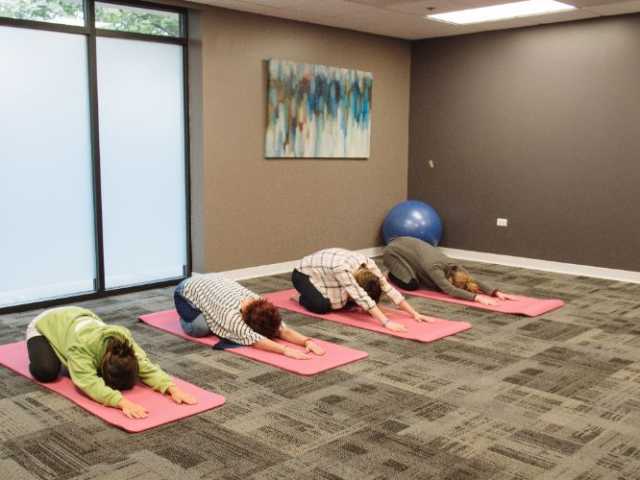
Yoga
Yoga is both a physical and spiritual practice. It includes a flow of movement, breathing techniques, and meditation.