Find Treatment By
Rehabs by Location


Learn
About Us
Recovery.com combines independent research with expert guidance on addiction and mental health treatment. Our mission is to help everyone find the best path to recovery through the most comprehensive, helpful network of treatment providers worldwide.
Advisory Council
Our advisory council brings together leaders in behavioral health, technology, and business. Their diverse expertise ensures our resources and product are innovative, evidence-based, and effective. They guide our mission as accomplished individuals dedicated to improving the landscape of addiction recovery and mental wellness.
Recognizing the Signs of Addiction to Prescription Pain Relievers


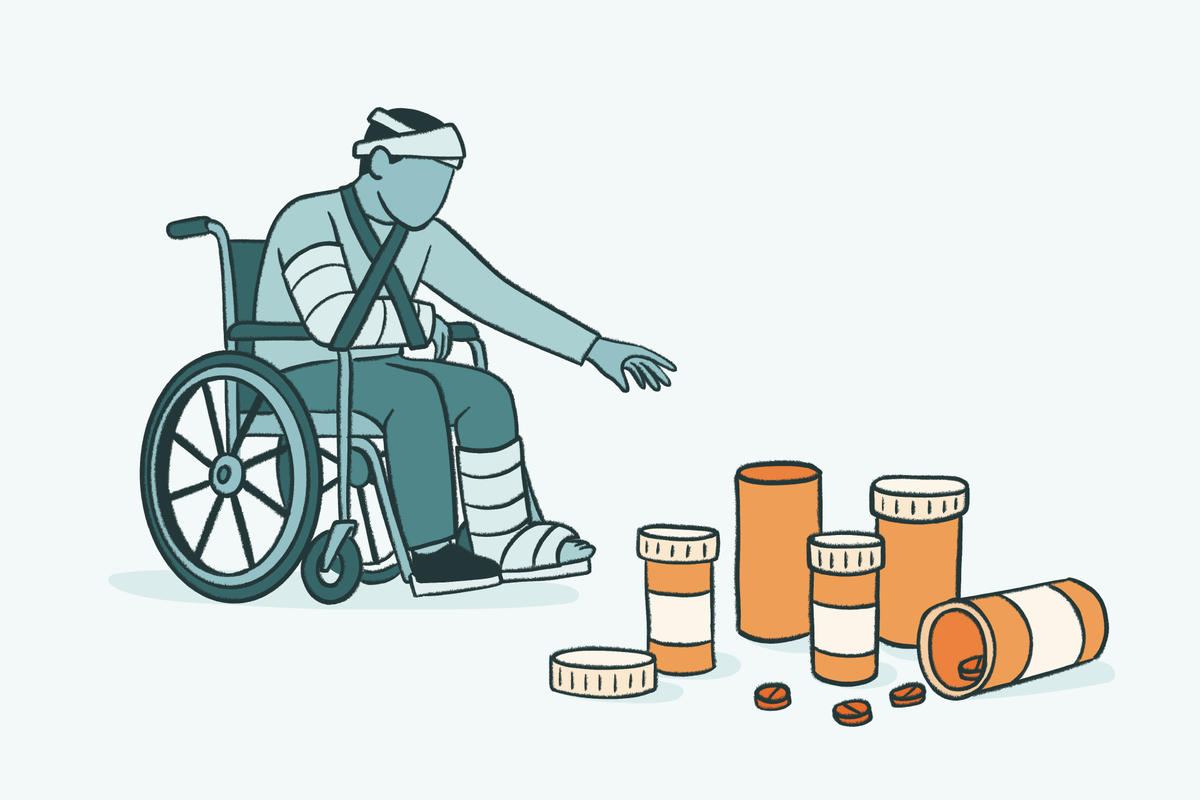
Maybe you started taking pain medication after an injury, surgery, or for a chronic condition. At first, it worked exactly as intended: it helped manage your pain so you could function. But at some point, the medication became less about treating pain and more about feeling okay.
If this sounds familiar to you, you're definitely not alone in this experience. Painkiller addiction affects millions of people who started with legitimate medical prescriptions.
When used as prescribed, pain medications serve an important medical purpose. But their effects on brain chemistry often lead to physical dependence and addiction, even when you follow your doctor's instructions.
Understanding how painkiller addiction develops can help you recognize the signs and know when to get support. We’ll cover the science behind painkiller dependency, how to identify warning signs, and most importantly, how to find effective treatment and maintain your recovery.
What Are Painkillers and How Do They Work?
Painkillers, also called analgesics, are medications designed to reduce or eliminate pain. The most commonly prescribed painkillers belong to a class of drugs called opioids. These include medications like oxycodone (OxyContin), hydrocodone (Vicodin), codeine, morphine, and fentanyl. Healthcare providers also prescribe non-opioid pain medications like acetaminophen and anti-inflammatory drugs, but opioids carry the highest risk for addiction.1
Opioid painkillers work by attaching to specific receptors in your brain, spinal cord, and other parts of your body. When they bind to these opioid receptors, they block pain signals from reaching your brain.2 This is why they're so effective at managing severe pain after surgery, injury, or cancer treatment. Some people also use them to manage chronic pain.
But opioids don't just block pain—they also trigger the release of dopamine in your brain's reward system. Dopamine is the brain chemical responsible for creating feelings of pleasure and well-being, which is why people feel relaxed from taking these medications. Over time, your brain starts to associate painkiller medications with feeling good.
When you use opioids over a period of time, your brain adapts to the presence of these chemicals and starts producing less natural dopamine. At this point, not having opioids in your system starts to feel bad—meaning you need them not just for pain relief, but to feel normal. Unfortunately, this can happen even when you take your medication exactly as prescribed by your doctor.
Why Do People Develop Painkiller Addiction?
A lot of people blame themselves for becoming dependent on prescription painkillers. But the reality is that your brain responds to opioids in predictable, measurable ways that actually have nothing to do with willpower. Learning about these biological processes can help you understand what's going on:
Physical Changes in the Brain
When you take opioid painkillers regularly, your brain chemistry changes. Your natural production of feel-good chemicals and pain-relieving substances is reduced, which creates a cycle where you need the medication to feel okay, not just to manage pain. These changes can happen within just days to weeks of regular use.3
Building a Tolerance
As your body adapts to opioids, you need higher doses to get the same pain relief. This is called tolerance, and it's a normal physical response. However, tolerance can cause you to take more medication than prescribed, which increases your risk of addiction.
Risk Factors
Certain factors increase your likelihood of developing painkiller addiction:
- Genetics (if addiction runs in your family)
- Co-occurring mental health conditions like depression, anxiety, or a history of trauma (including post-traumatic stress disorder)
- Previous problems with drug abuse
- Chronic stress
- Social isolation
Just because you have some of these risk factors for addiction doesn’t necessarily mean you’re bound to become addicted.3 But it does mean it’s a good idea to learn about the pros and cons of prescription painkillers and be extra mindful of your use.
Circumstances
Your environment matters, too. Easy access to medications, peer pressure, or using pain medication to cope with emotional distress can accelerate the path to addiction. Sometimes people continue taking painkillers after their physical pain has healed because stopping causes uncomfortable withdrawal symptoms.
Explore Opioids Treatment Centers
Recognizing the Signs of Painkiller Addiction
Because tolerance sneaks up on you, addiction can be hard to recognize at first. The signs of painkiller addiction usually fall into 3 categories: physical, behavioral, and emotional changes.4
Physical Signs
Your body can show clear signs of developing dependence:
- Withdrawal symptoms like nausea, sweating, muscle aches, or anxiety when medication wears off
- Sleep problems and changes in appetite
- Frequent flu-like symptoms
- Needing higher doses to get the same pain relief
Behavioral Changes
Watch for shifts in how you think about and use your medication:
- Running out of pills early
- Visiting multiple doctors to get additional prescriptions
- Taking medication more frequently than prescribed
- Counting pills obsessively
- Feeling panicked when your supply runs low
- Continuing to take medication even when your original pain has improved
Emotional and Social Signs
Painkiller dependence often affects your mood and relationships.
- Feeling anxious or irritable when you can't take your medication
- Having mood swings based on when you’re taking painkillers
- Losing interest in activities you used to enjoy
- Lying or being secretive about how much medication you’re taking
- Neglecting your responsibilities
- Withdrawing from spending time with family and friends














The Risks and Consequences of Painkiller Misuse
When painkiller drug use moves beyond medical necessity, it can seriously impact your health and disrupt your life. Understanding these risks doesn’t mean you need to panic, but it can help you make informed decisions about your health.
Health Complications
Long-term substance abuse can damage multiple organ systems. Your liver may struggle to process high doses of medication, especially if you mix it with alcohol. Respiratory depression—when your breathing becomes dangerously slow—is a serious risk that can even be life-threatening. Some people develop other complications like chronic constipation, hormonal imbalances, or increased pain sensitivity.
Overdose Risk
Prescription painkillers are involved in thousands of overdose deaths each year. Increasing your tolerance means you’re more likely to keep taking higher doses, pushing your body beyond safe limits. Mixing with alcohol, anxiety medications, or sleep aids dramatically increases opioid overdose risk, even with doses that are considered safe when taken alone.5
Impacts on Your Life
Painkiller dependency can strain your closest relationships as family and friends become concerned about changes in your behavior. Your performance at work can suffer if you’re not thinking clearly or showing up consistently. Spending money on medication and being less productive at work can start to affect you financially. Using narcotic painkillers recreationally is illegal: prescription opioids are a schedule II controlled substance, and possessing them without a prescription can have serious legal consequences.6
While these risks are real, they're also preventable. Early intervention and appropriate treatment can help you regain control and protect your health and relationships.
Getting Help: Treatment Options and Recovery
Recovery from painkiller addiction is entirely possible, and multiple treatment approaches can help you reclaim your life. The most effective treatment plans address both the physical dependence and the underlying factors that contribute to substance use disorders.
#1 Medical Detox and Withdrawal Support
Stopping painkillers abruptly can cause uncomfortable (and potentially unsafe) withdrawals. It’s important to detox under medical supervision to ensure your safety and comfort. While you’re in detox, addiction-specialized health professionals may use medications to ease withdrawal symptoms, as well as monitor your health on a daily basis. This process usually takes at least a few days, depending on the type and amount of medication you've been taking.
#2 Medication-Assisted Treatment
Medications like buprenorphine, methadone, or naltrexone can help manage cravings and withdrawal symptoms while you focus on recovery. These FDA-approved treatments work by either reducing cravings, blocking the effects of opioids, or providing a safer substitute. Your doctor can help you decide if medication-assisted treatment is right for you, and created a personalized recovery plan.
#3 Inpatient and Outpatient Rehab Programs
Residential rehab programs provide 24-hour medical care and intensive therapy, while outpatient treatment programs allow you to maintain work and family responsibilities while receiving treatment. Both settings usually offer some combination of individual and group behavioral therapy, complementary therapies, and support groups via a treatment plan that’s personalized to you.
#4 Therapy and Counseling
After treatment, it’s important to keep working your recovery plan to sustain the changes you began. This can look like continuing to attend sessions with your therapist, exploring alternative therapies you’re interested in, finding new, fulfilling hobbies and interests, and investing in relationships with friends and family who genuinely support your journey.
Supporting Someone with Opioid Use Disorder
If someone you care about is struggling with painkiller addiction, your support can make a big difference in their recovery. Start conversations with compassion rather than confrontation—express specific concerns about behaviors you've observed rather than making accusations. You can do this without enabling by not providing money, making excuses for their behavior, or helping them get more medication.
You can’t force someone into recovery, but with consistent support and strong boundaries, you can help them recognize the need for change.
Get more insight into how to confront your loved one with grace in our conversation guide.
Moving Forward with Confidence
Painkiller addiction can ramp up when we least expect it. Opioid addiction has severe consequences—it’s crucial to nip addictive behaviors in the bud before they turn into something more serious.
If you’re struggling with opioid painkiller abuse, professional support can help you get back on track. Whether it’s detox services, rehab, or therapy and group support, outside help is crucial when dealing with this very addictive medication.
Find an addiction treatment center today to talk to a team member about your options and get started on the journey toward a freer, better life.
FAQs
Physical dependence means your body has adapted to a medication and may experience withdrawal symptoms if you stop taking it. Addiction, or a substance use disorder, involves compulsive drug use despite harmful physical, emotional, or social consequences. A person can be physically dependent on a medication without being addicted, but addiction often includes both behavioral and physical components.
Common warning signs include taking pain medication when you are not in physical pain, using it to cope with emotions, obsessively thinking about your next dose, or needing higher doses to feel the same effects. Changes in sleep, mood, relationships, or risk-taking behaviors can also indicate a developing substance use disorder. Recognizing these signs early can make it easier to seek help.
Yes, addiction can develop even when opioids are taken as prescribed. Over time, the brain can adapt to these medications, increasing tolerance and dependence. This is why ongoing medical monitoring and open communication with a healthcare provider are essential when using prescription pain relievers.
Opioid withdrawal can cause severe symptoms such as intense cravings, dehydration, heart complications, and in some cases life-threatening medical issues. Medically supervised detox helps manage symptoms safely and reduces the risk of relapse or complications. This is especially important for people who have used opioids regularly or at high doses.
Treatment options may include medical detox, inpatient or residential rehab, outpatient therapy, medication-assisted treatment, and peer support groups. The right approach depends on factors like symptom severity, physical health, and personal needs. Recovery often continues beyond formal treatment through ongoing therapy and support.




Our Promise
How Is Recovery.com Different?
We believe everyone deserves access to accurate, unbiased information about mental health and recovery. That's why we have a comprehensive set of treatment providers and don't charge for inclusion. Any center that meets our criteria can list for free. We do not and have never accepted fees for referring someone to a particular center. Providers who advertise with us must be verified by our Research Team and we clearly mark their status as advertisers.
Our goal is to help you choose the best path for your recovery. That begins with information you can trust.