Find Treatment By
Rehabs by Location


Learn
About Us
Recovery.com combines independent research with expert guidance on addiction and mental health treatment. Our mission is to help everyone find the best path to recovery through the most comprehensive, helpful network of treatment providers worldwide.
Advisory Council
Our advisory council brings together leaders in behavioral health, technology, and business. Their diverse expertise ensures our resources and product are innovative, evidence-based, and effective. They guide our mission as accomplished individuals dedicated to improving the landscape of addiction recovery and mental wellness.
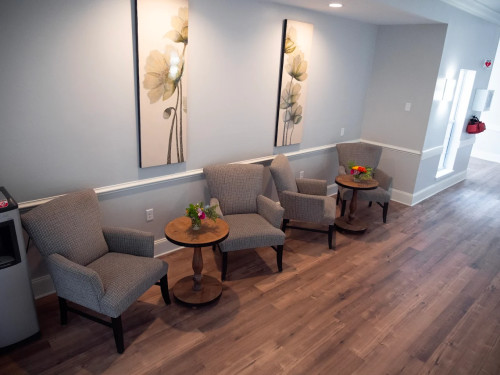
About Coastal Oaks Recovery
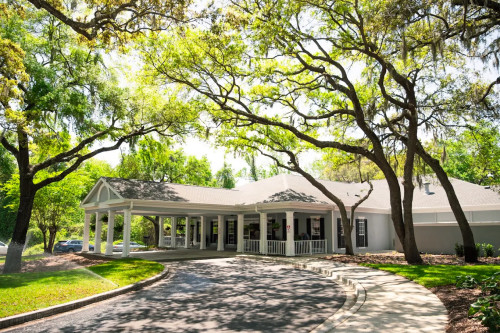
Coastal Oaks focuses entirely on the critical first steps of recovery: medical detox and residential care. Built for adults fighting substance use alongside co-occurring mental health struggles, the program treats addiction as the primary focus rather than a secondary symptom. And they are backed by an admissions and support team that is awake and ready to help 24/7.
Step into a Restorative Space to Heal with Dignity
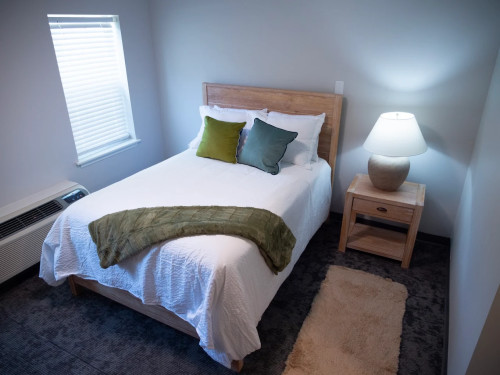
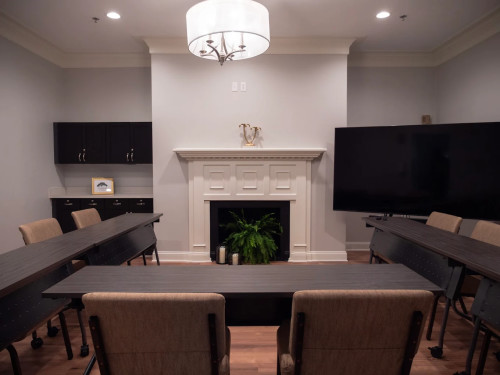
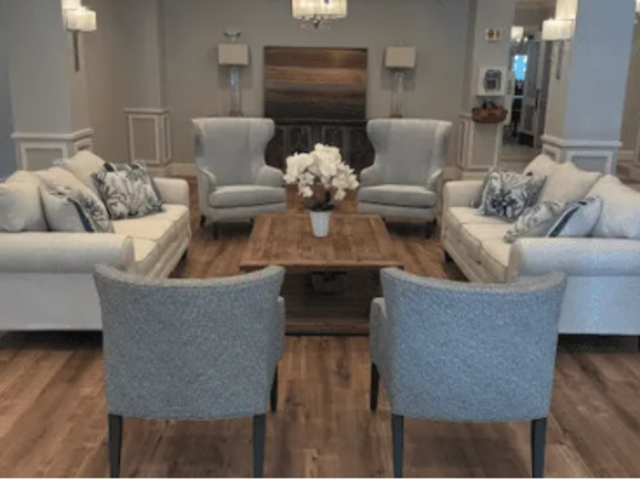
Coastal Oaks designs treatment around each person's physical and emotional reality. Because the early days of sobriety can be difficult, clients are insulated with 24/7 medical oversight and comfortable housing right on the South Carolina coast. The team intentionally eliminates the chaotic distractions of the outside world, even taking the stress out of the financial side by accepting most major insurance plans, and gives clients the space they need to safely rebuild their lives.
Nurture the Body and Mind with Nutrition and Fresh Air
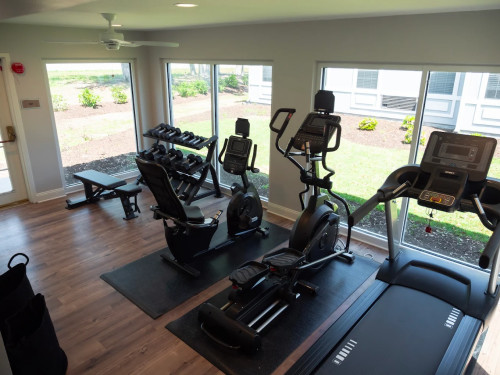
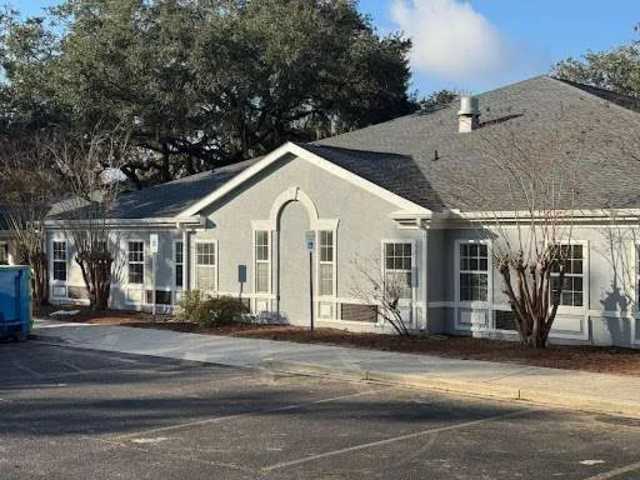
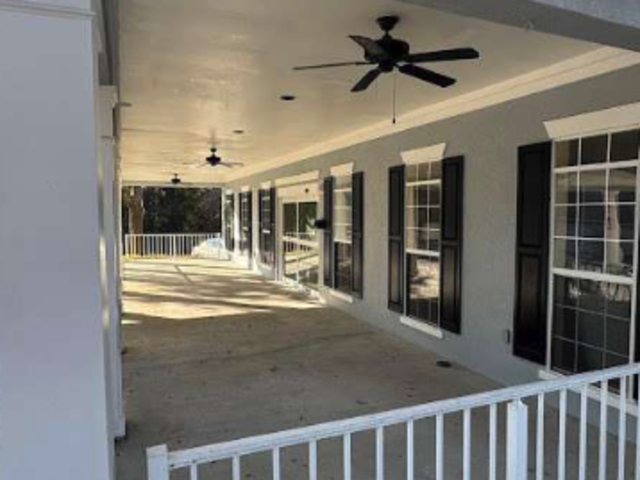
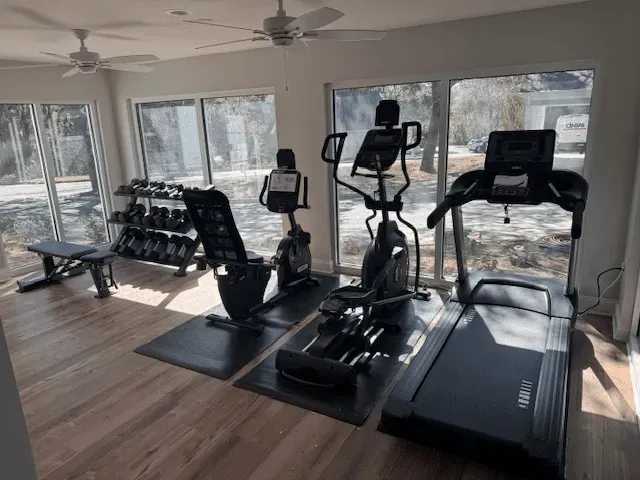
Set right on the shoreline, Coastal Oaks has a calming, seaside setting. Clients enjoy crisp coastal hikes, beach outings, and outdoor meetings, alongside amenities like basketball, volleyball, and cornhole. Inside, the experience is equally as refined, featuring a private room guarantee for all detox clients and a three-meal culinary program overseen daily by a food service team.
Protect Progress with a Step-Down Plan
Coastal Oaks focuses heavily on the "step-down" process, moving clients from residential care into a network of trusted PHP and IOP partnerships across the South, alongside flexible virtual IOP referral options. And their dedicated client relations department stays in consistent communication with alumni to make sure they are thriving, attending therapy, and staying stable.
Highlights from the Center
Insurance Accepted
Co-Occurring Disorders Treatment
Utmost Confidentiality
Addiction Recovery
Center Overview
Insurance Accepted










Recovery.com Verified Listing
Recovery.com verified that the name, location, contact information and license to operate for this treatment provider are valid and up-to-date.
Joint Commission Accredited

Licensed by South Carolina
Recovery.com is an independent, third-party mental health resource. Verification does not imply endorsement and does not guarantee the quality of treatment services.
Meet Your Care Team
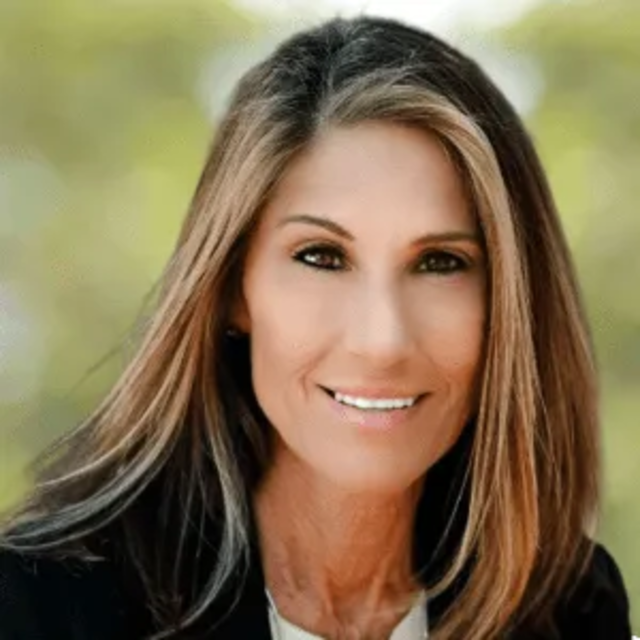
Lisa Michie
VP of Clinical Operations & Outreach
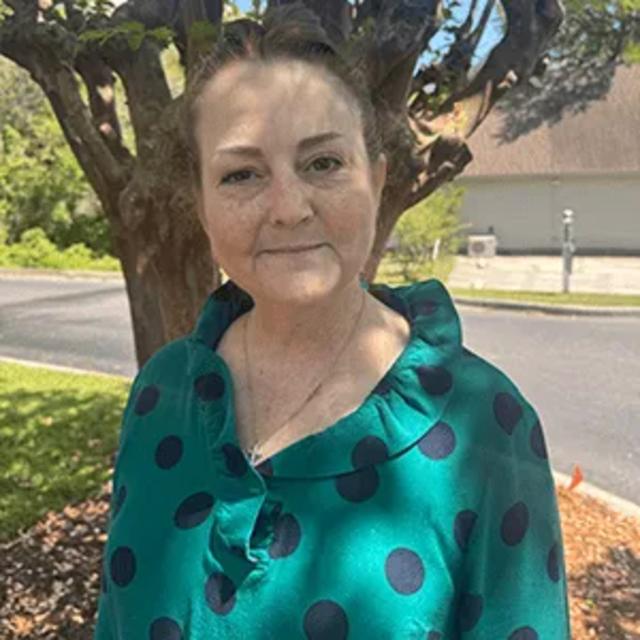
Shelly Perry
Nurse Practitioner
APRN

Lora Solomon
Nurse Practitioner
FNP
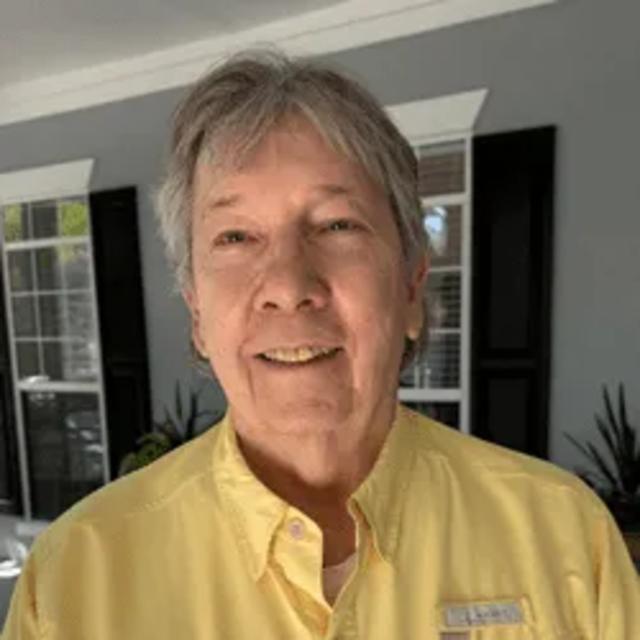
Michael Hall
Chief Medical Officer
MD
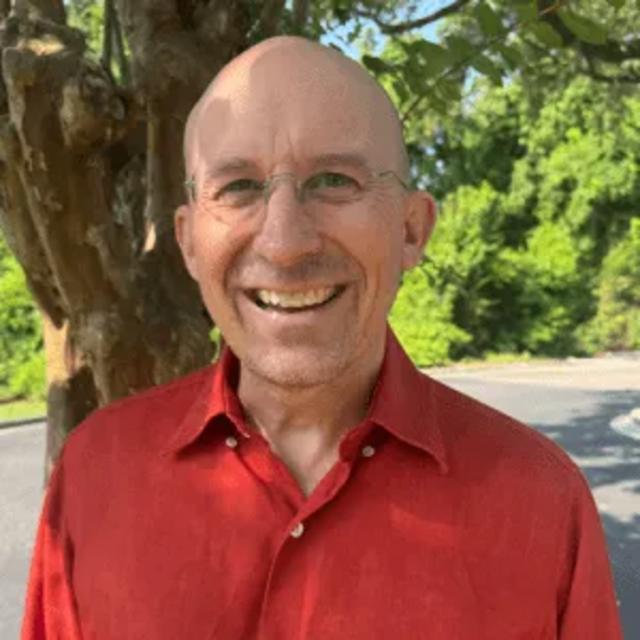
David Walsh
Nurse Practitioner
PMHNP
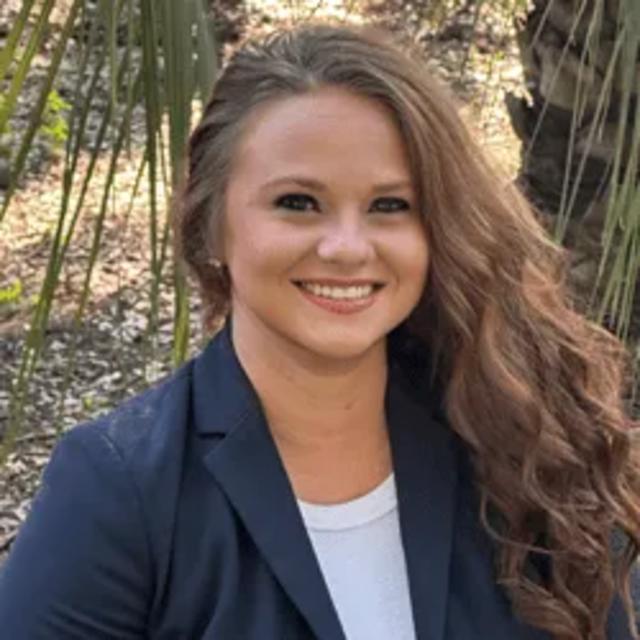
Candis Williams
Director of Nursing
RN
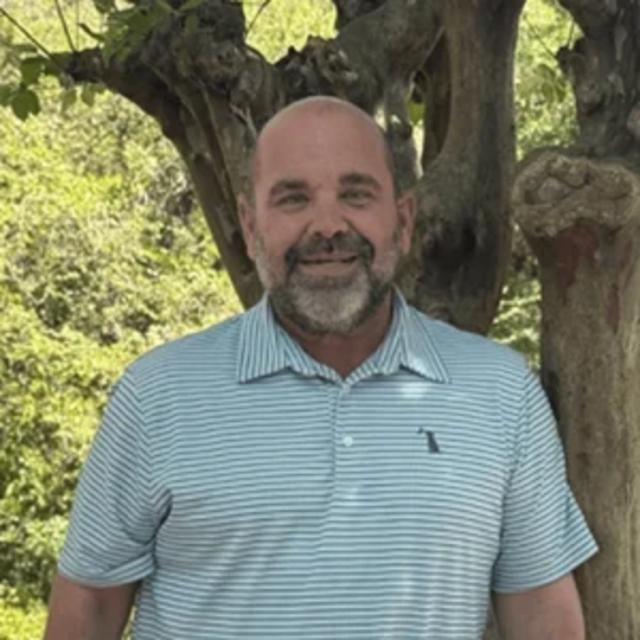
Welby Young
Director of Client Relations
Supportive Medication for Recovery
Medication-Assisted Treatment (MAT) is an evidence-based approach that pairs FDA-approved medications with counseling to treat addiction. The medications are used to reduce cravings, ease withdrawal symptoms, or block the effects of substances. More about MAT
Methadone

Naltrexone
Buprenorphine

Note: Treatment centers offer different forms of MAT—such as oral tablets, dissolvable films, or monthly injections—and their policies can vary based on state regulations, provider preferences, and insurance coverage. Because of these differences, it's best to contact the center directly to learn what options are available and what might be right for your situation.
Your Care Options
Specializations
Who We Treat
Treatment Services
Approaches
Therapies
Languages
Conditions We Treat
Substances We Treat
Care Designed for Your Needs
Personal Amenities
Amenities
Special Considerations
Activities
Learn More About the Center
The Best Drug Detox in South Carolina
Take the fear out of the recovery process by learning what to look for in a high-quality drug detox facility.
Admissions
Discover how simple taking the first step can be by exploring their four-step admissions process.
Meet the Team
Meet the dedicated experts, clinical directors, and specialists who safely guide clients through their recovery journey.
FAQs
Find clear answers to the most pressing questions about insurance coverage, program lengths, and how to involve family.