Find Treatment By
Rehabs by Location


Learn
About Us
Recovery.com combines independent research with expert guidance on addiction and mental health treatment. Our mission is to help everyone find the best path to recovery through the most comprehensive, helpful network of treatment providers worldwide.
Advisory Council
Our advisory council brings together leaders in behavioral health, technology, and business. Their diverse expertise ensures our resources and product are innovative, evidence-based, and effective. They guide our mission as accomplished individuals dedicated to improving the landscape of addiction recovery and mental wellness.

Mental Health Cooperative Nashville
Mental Health Cooperative Nashville
Mental Health Cooperative Nashville
About Mental Health Cooperative Nashville
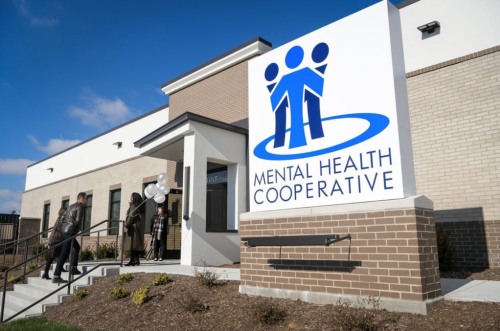
Mental Health Cooperative’s Nashville location provides whole-person mental health care for adults, children, and teens, with fast access and TennCare welcome. For more than 30 years, MHC has helped people across Nashville manage depression, anxiety, substance use, and the challenges that come with them. It all starts with one call. Their care managers listen to consumers’ stories and help connect them with the right care, including detox, outpatient care, psychiatry, medication-assisted treatment, peer support, and primary care, all in one place.
Coordinate Whole-Person Care From the First Call
Consumers don't have to figure it out alone. From their first call, a care manager listens first, then coordinates their mental health, physical health, and everyday needs. If someone needs help with housing, insurance, or getting to appointments, they help with that too. They stay with consumers until things feel manageable.
Experience Everything in One Place
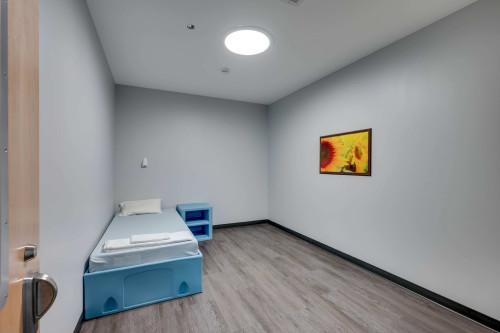
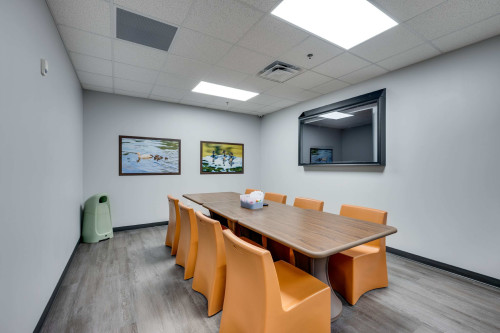
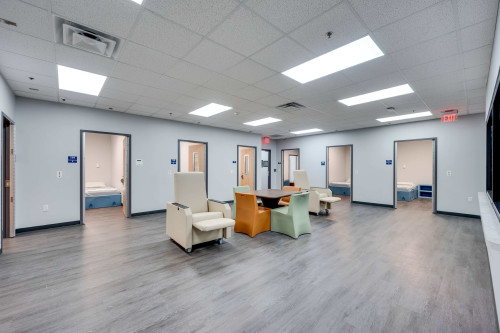
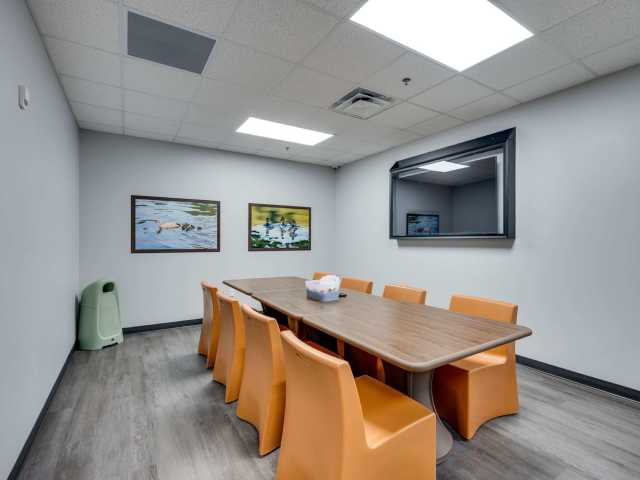
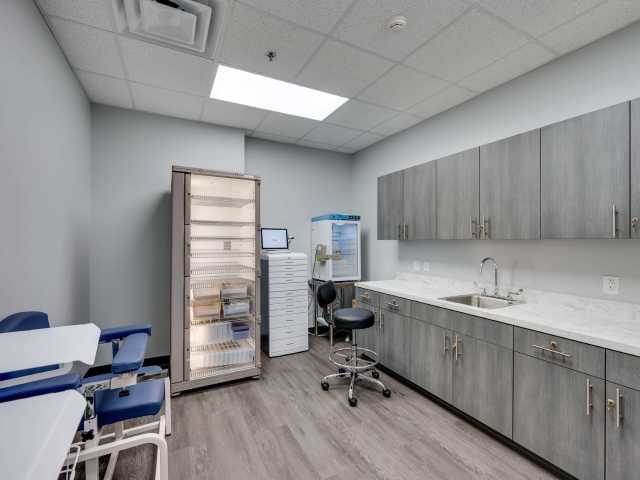
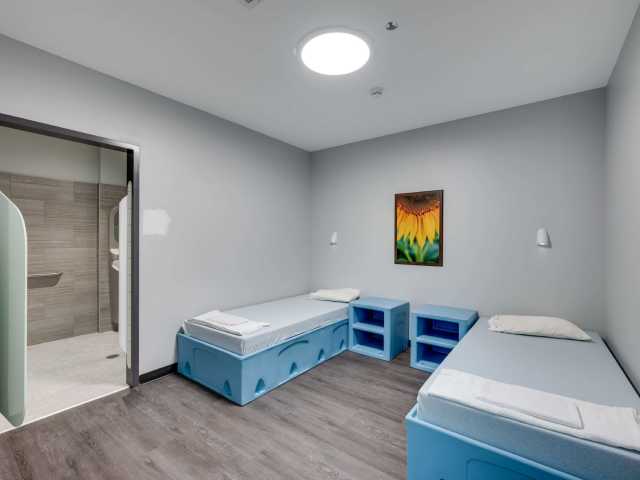
The Nashville campus offers emergency psychiatric and mobile crisis services 24/7, staffed with police and EMS partners. As Davidson County's mobile crisis provider, they’re the team they call. Adults, children and youth, and crisis care each have their own building, and their onsite pharmacy means consumers can pick up a prescription before they leave.
Stay Connected After Crisis or Treatment
Leaving crisis stabilization or finishing a first phase of treatment doesn't mean leaving MHC. A care coordinator stays connected with consumers to help with mental health, physical health, and daily living. For substance use recovery, their medication-assisted treatment clinics combine medication management with therapy and primary care, and peer recovery specialists offer ongoing support. Children, youth, and families can use these services, too.
Highlights from the Center
Insurance Accepted
Licensed for Both Addiction & Mental Health
On-site Medical Detox
Utmost Confidentiality
Center Overview

Insurance Accepted


Recovery.com Verified Listing
Recovery.com verified that the name, location, contact information and license to operate for this treatment provider are valid and up-to-date.
Joint Commission Accredited

Licensed by Tennessee
Recovery.com is an independent, third-party mental health resource. Verification does not imply endorsement and does not guarantee the quality of treatment services.
Supportive Medication for Recovery
Medication-Assisted Treatment (MAT) is an evidence-based approach that pairs FDA-approved medications with counseling to treat addiction. The medications are used to reduce cravings, ease withdrawal symptoms, or block the effects of substances. More about MAT
Methadone

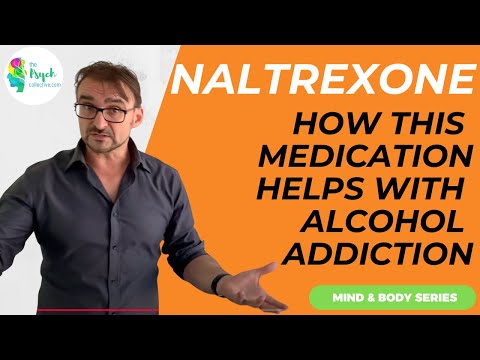
Naltrexone
Buprenorphine


This center prescribes medications for opioid use disorder and also accepts patients receiving MAT prescribed elsewhere.
Note: Treatment centers offer different forms of MAT—such as oral tablets, dissolvable films, or monthly injections—and their policies can vary based on state regulations, provider preferences, and insurance coverage. Because of these differences, it's best to contact the center directly to learn what options are available and what might be right for your situation.
Your Care Options
Specializations
Who We Treat
Treatment Services
Approaches
Therapies
Languages
Conditions We Treat
Substances We Treat
Aftercare
Care Designed for Your Needs
Special Considerations
Smoking and Vaping Policy
Learn More About the Center
How MHC is Changing Mental Health Care
Discover why a leading medical journal calls this nonprofit a national model for treating the community’s most complex clients.
Expanding Access in Rural Tennessee
Learn why rural Tennesseans are 4x more likely to die by suicide than their urban neighbors.
Whole-Person Mental Health Care
Learn why treating only someone’s mental health symptoms often fails.
Referring Clients to MHC Services
Find the phone number, fax line, and referral link needed to connect a client to psychiatric care within 24 hours.