Find Treatment By
Rehabs by Location


Learn
About Us
Recovery.com combines independent research with expert guidance on addiction and mental health treatment. Our mission is to help everyone find the best path to recovery through the most comprehensive, helpful network of treatment providers worldwide.
Advisory Council
Our advisory council brings together leaders in behavioral health, technology, and business. Their diverse expertise ensures our resources and product are innovative, evidence-based, and effective. They guide our mission as accomplished individuals dedicated to improving the landscape of addiction recovery and mental wellness.
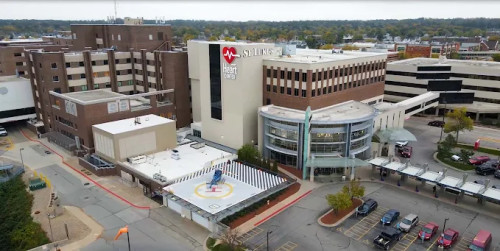
UnityPoint Health - St. Luke's Hospital Cedar Rapids
UnityPoint Health - St. Luke's Hospital Cedar Rapids
UnityPoint Health - St. Luke's Hospital Cedar Rapids
About UnityPoint Health - St. Luke's Hospital Cedar Rapids
At the heart of St. Luke’s Hospital’s behavioral health program is a commitment to making quality mental health treatment available to the Cedar Rapids community. As part of UnityPoint Health, they accept all ages through inpatient and outpatient programs. Their services also extend to residential care facilities and home settings, with financial assistance for underinsured and uninsured community members.
Evidence-Based Paths to Recovery
Therapists use eye movement desensitization and reprocessing (EMDR) and dialectical behavior therapy (DBT), while Seeking Safety groups address trauma and addiction recovery. The chemical dependency program provides assessments, detoxification, stabilization, intensive outpatient treatment (IOP), peer coaching, and medication-assisted treatment (MAT) for alcohol and opioid use disorder.
Specialized Care for Every Stage
Child and adolescent psychiatry specialists conduct evaluations, manage medications, and provide individual and family services for concerns such as ADHD, anger, and anxiety. Outpatient counseling addresses depression, trauma, and relationship difficulties through individual, couples, family, and group therapy. The hospital also operates day treatment (PHP) and dedicated inpatient units for clients who need more intensive treatment.
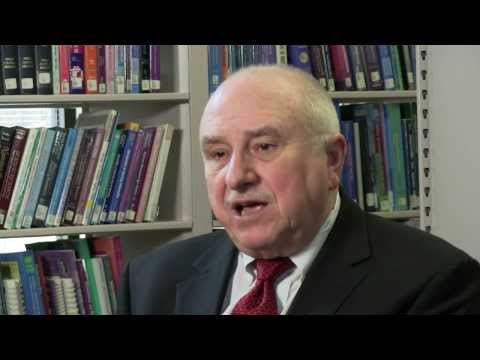
Center Overview
Supportive Medication for Recovery
Medication-Assisted Treatment (MAT) is an evidence-based approach that pairs FDA-approved medications with counseling to treat addiction. The medications are used to reduce cravings, ease withdrawal symptoms, or block the effects of substances. More about MAT
This center offers MAT, but does not list specific medications for treatment. Contact the center for details for specific MAT medications.
Note: Treatment centers offer different forms of MAT—such as oral tablets, dissolvable films, or monthly injections—and their policies can vary based on state regulations, provider preferences, and insurance coverage. Because of these differences, it's best to contact the center directly to learn what options are available and what might be right for your situation.
Insurance Accepted


Cash Pay Rates
Levels of Care

