Find Treatment By
Rehabs by Location


Learn
About Us
Recovery.com combines independent research with expert guidance on addiction and mental health treatment. Our mission is to help everyone find the best path to recovery through the most comprehensive, helpful network of treatment providers worldwide.
Advisory Council
Our advisory council brings together leaders in behavioral health, technology, and business. Their diverse expertise ensures our resources and product are innovative, evidence-based, and effective. They guide our mission as accomplished individuals dedicated to improving the landscape of addiction recovery and mental wellness.
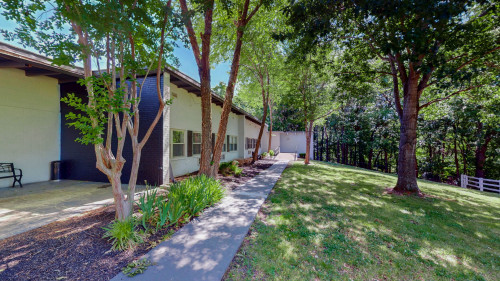

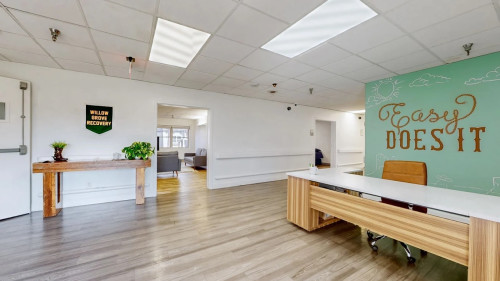
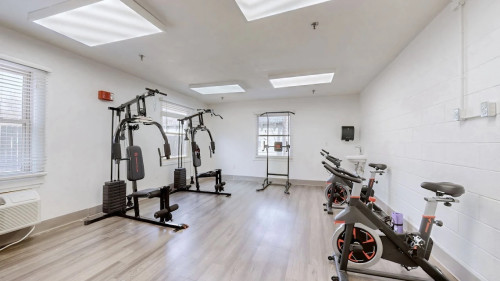
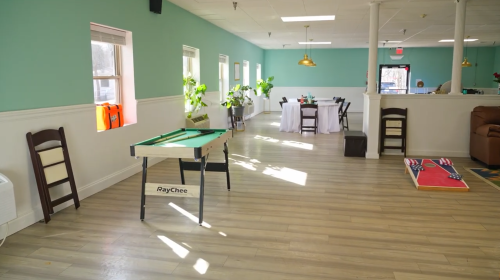
About Willow Grove Recovery
Set on a rural campus in Palmyra, TN, Willow Grove Recovery treats drug and alcohol addiction through 12-step-informed, evidence-based care, blending clinical treatment with days outdoors, gardening, tending goats and chickens, walking the land. Care spans the full continuum, from medical detox and residential treatment through PHP, IOP, and a lifelong alumni program, meeting people wherever they're starting from and staying with them well beyond discharge.
Weather the Storm and Come Out Standing
At Willow Grove Recovery, the willow tree signifies the whole philosophy. Willows bend in the storm without snapping, and that's the kind of resilience the team helps clients rediscover in themselves. Much of the staff is in long-term recovery too, so guidance comes from lived experience. Alongside full clinical care, from detox through residential treatment, healing happens outdoors, through hiking, gardening, and caring for the campus's goats and chickens.
Land Somewhere Calm Enough to Heal
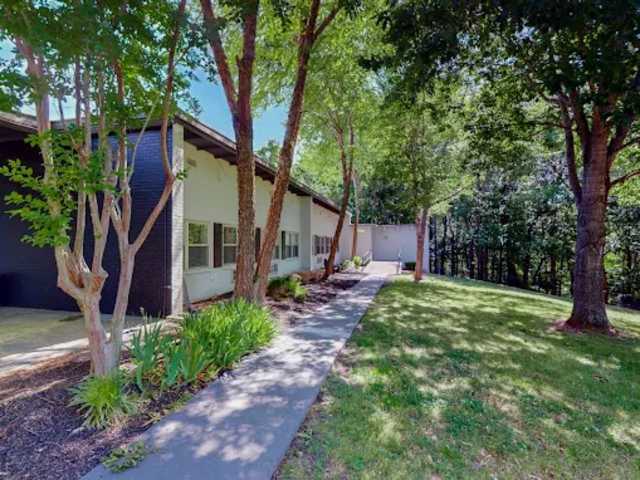
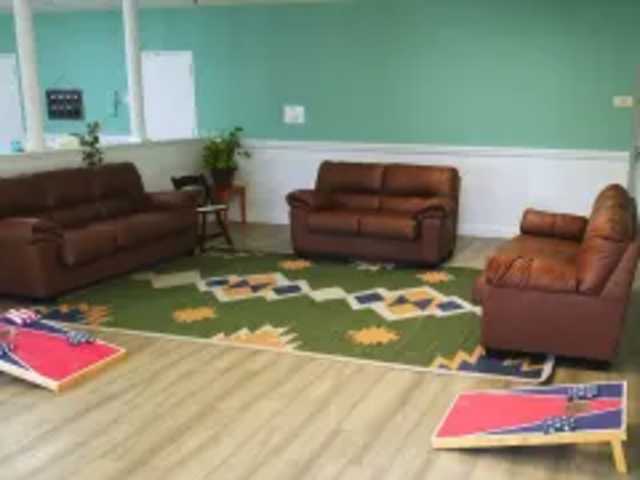
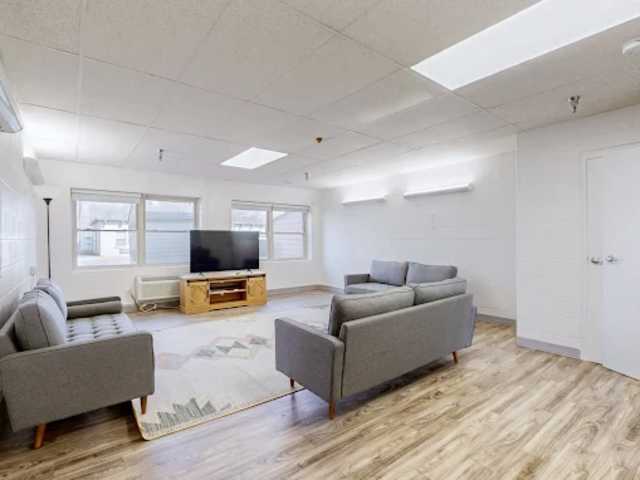
Set in the quiet town of Palmyra, Tennessee, Willow Grove Recovery sits just fifteen minutes from Clarksville and an hour from Nashville, offering a natural setting away from the noise of daily life. The 72-bed campus has semi-private rooms, spacious lounges, and a large dining area where the community gathers. Clients also have access to recreation spaces, including a fitness room, game room, and outdoor sports courts, along with gardens, animals, and trails that make up the campus's rural character.
Keep Showing Up, Even After Leaving
Every graduate has free, lifelong access to the alumni program, whether they finished six weeks or six years ago. Clients stay connected to a community of people through support groups, 12-step workshops, counseling referrals, and events back on the farm and trails. And if things ever get shaky, help is one call away. Reaching out isn't treated as a setback here.

Center Overview
Insurance Accepted





Cash Pay Rates

Recovery.com Verified Listing
Recovery.com verified that the name, location, contact information and license to operate for this treatment provider are valid and up-to-date.

Licensed by Tennessee
Recovery.com is an independent, third-party mental health resource. Verification does not imply endorsement and does not guarantee the quality of treatment services.
Meet Your Care Team
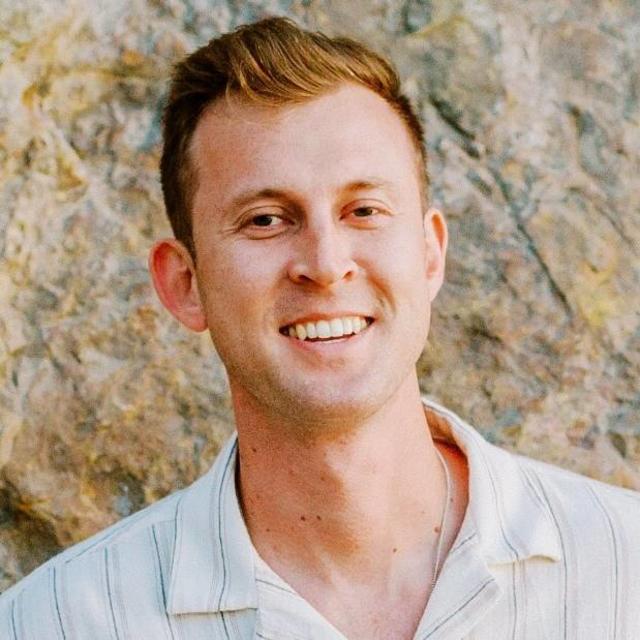
Nick Talmo
Executive Director
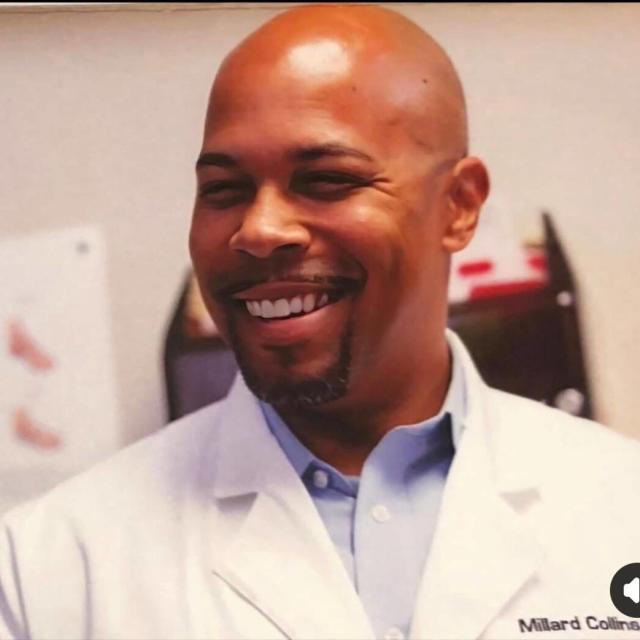
Dr. Millard D. Collins
Medical Director
MD, FAAFP
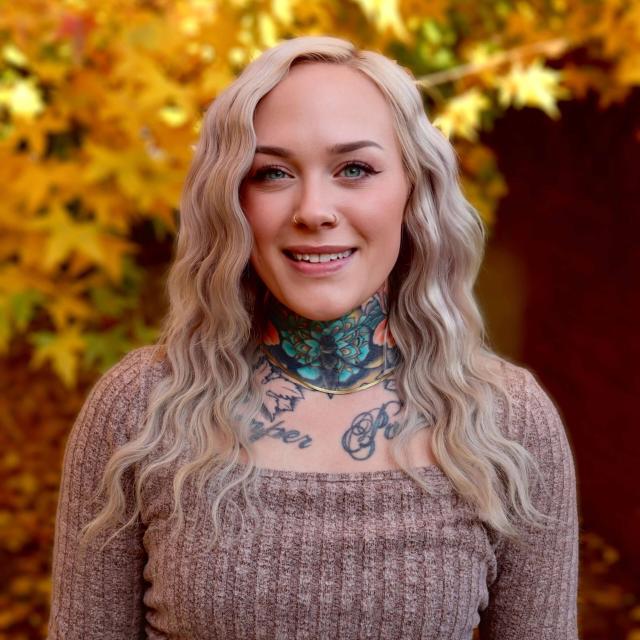
Meredith Hugh
Business Development Representative
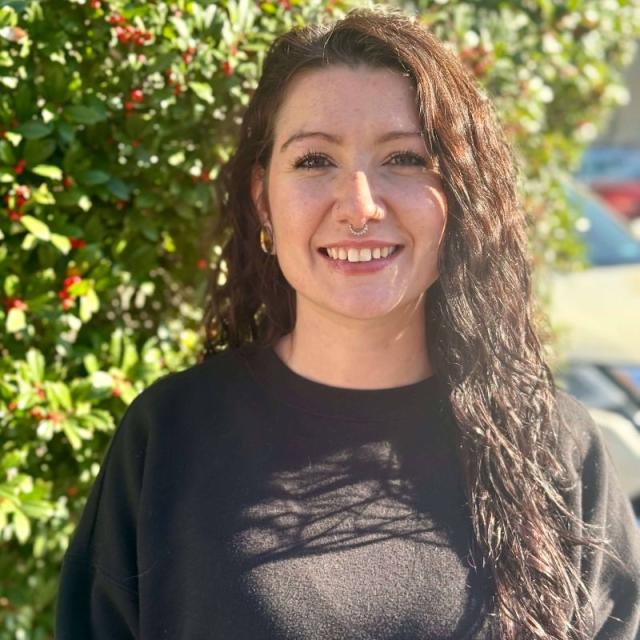
Jessica Harvey
Program Director
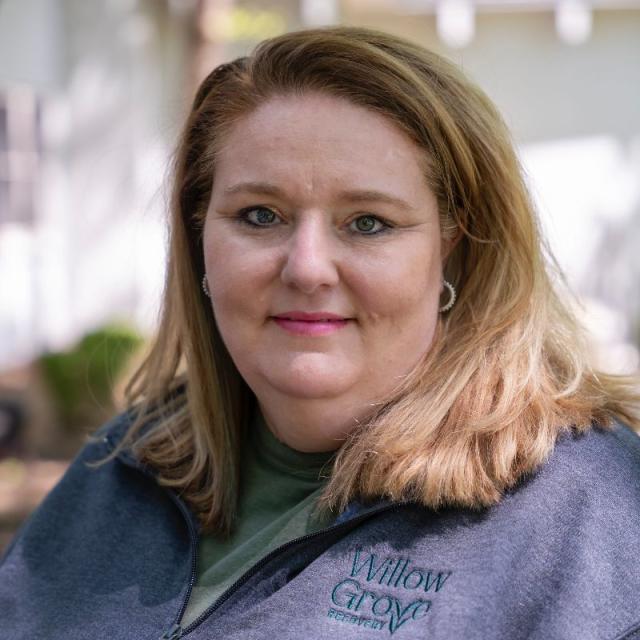
Brandy Simons
Lead Case Manager
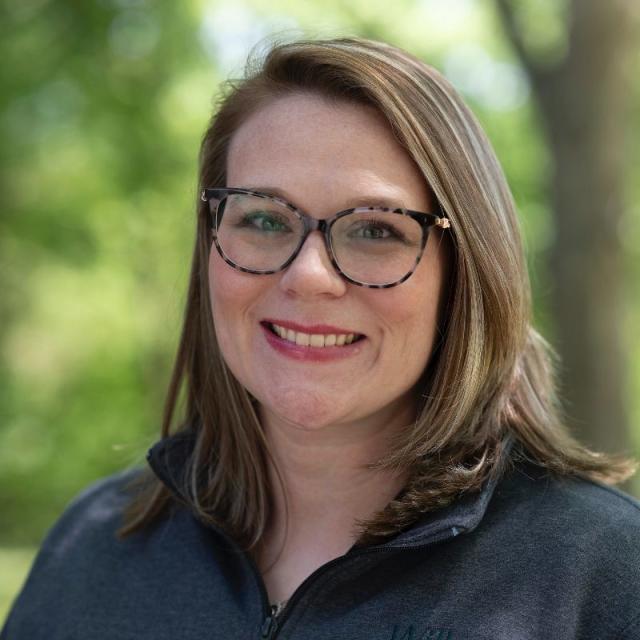
Sara Parker
Director of Nursing
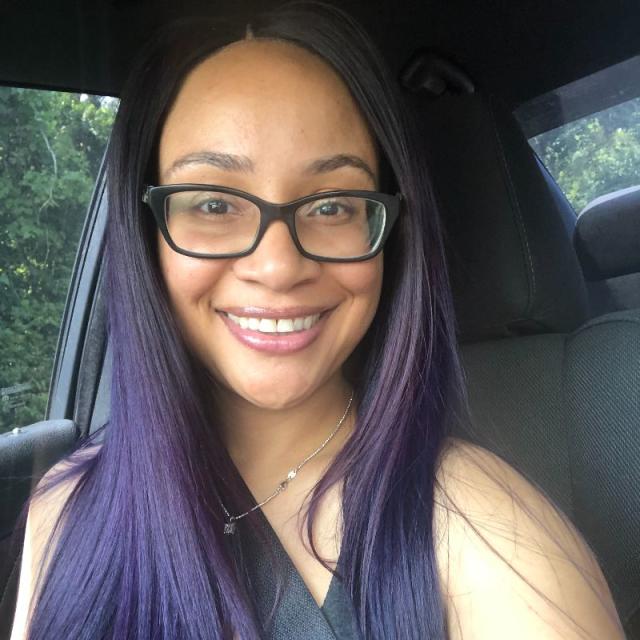
Jasmyne Lyons
Nurse Practitioner
DNP, PMHNP-BC
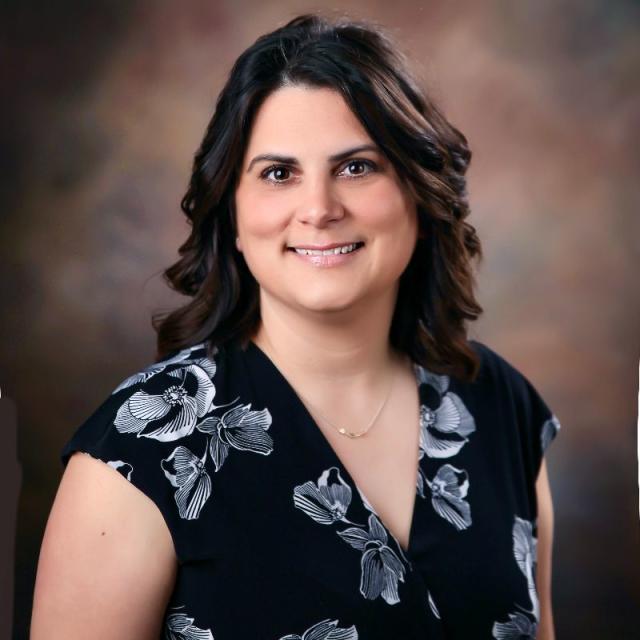
Jennifer L. Taylor
Nurse Practitioner
MSN, APRN, FNP-C

Arianna Newton
Registered Nurse
Leah Kane
Registered Nurse
Abbigail Wainscott
Registered Nurse
Kelly Fiers
Practical Nurse
Maria Bailey
Primary Therapist
Supportive Medication for Recovery
Medication-Assisted Treatment (MAT) is an evidence-based approach that pairs FDA-approved medications with counseling to treat addiction. The medications are used to reduce cravings, ease withdrawal symptoms, or block the effects of substances. More about MAT
Methadone

Naltrexone
Buprenorphine
This center accepts patients receiving MAT prescribed elsewhere for opioid use disorder, but does not prescribe it.
Note: Treatment centers offer different forms of MAT—such as oral tablets, dissolvable films, or monthly injections—and their policies can vary based on state regulations, provider preferences, and insurance coverage. Because of these differences, it's best to contact the center directly to learn what options are available and what might be right for your situation.
Your Care Options
Specializations
Who We Treat
Treatment Services
Approaches
Therapies
Languages
Conditions We Treat
Substances We Treat
Aftercare
Care Designed for Your Needs
Personal Amenities
Amenities
Special Considerations
Activities
Smoking and Vaping Policy
Learn More About the Center
Kratom Banned in Tennessee
Discover why a substance sold as an energy boost at gas stations was pulling patients into full-blown opioid withdrawal.
Is Rehab Different Depending On the Drug?
Find out why detoxing from alcohol can be more dangerous than detoxing from heroin.
Interventions
Meet the interventionist who once staged a surprise intervention at a man's own birthday party.
What Happens After Rehab Ends
Learn why Tennessee has plenty of rehab beds but almost nowhere for people to land afterward.