Find Treatment By
Rehabs by Location


Find Treatment By
Learn
About Us
Recovery.com combines independent research with expert guidance on addiction and mental health treatment. Our mission is to help everyone find the best path to recovery through the most comprehensive, helpful network of treatment providers worldwide.
Advisory Council
Our advisory council brings together leaders in behavioral health, technology, and business. Their diverse expertise ensures our resources and product are innovative, evidence-based, and effective. They guide our mission as accomplished individuals dedicated to improving the landscape of addiction recovery and mental wellness.


Sarvam Jaipur
Treatment Focus
This center treats substance use disorders and mental health conditions. You'll receive individualized care catered to your unique situation and diagnosis, learn practical skills for recovery, and make new connections in a restorative environment.
Primary Level of Care
Offering intensive care with 24/7 monitoring, residential treatment is typically 30 days and can cover multiple levels of care. Length can range from 14 to 90 days typically.
This provider hasn't verified their profile's information. Are you the owner of this center? Claim your listing to better manage your presence on Recovery.com.
Treatment Focus
This center treats substance use disorders and mental health conditions. You'll receive individualized care catered to your unique situation and diagnosis, learn practical skills for recovery, and make new connections in a restorative environment.
Primary Level of Care
Offering intensive care with 24/7 monitoring, residential treatment is typically 30 days and can cover multiple levels of care. Length can range from 14 to 90 days typically.
Private Pay
You pay directly for treatment out of pocket. This approach can offer enhanced privacy and flexibility, without involving insurance. Exact costs vary based on program and length of stay. Contact the center for specific details.
Sarvam Jaipur
Sarvam Jaipur
About Sarvam Jaipur
This psychiatric hospital is an ultra luxury treatment center in the heart of Jaipur. This treatment center provides residential treatment for children, adolescents, young adults, adults, couples and older adults. The residential program is for anyone with mental health disorders or addiction to drugs or alcohol.
Facilities
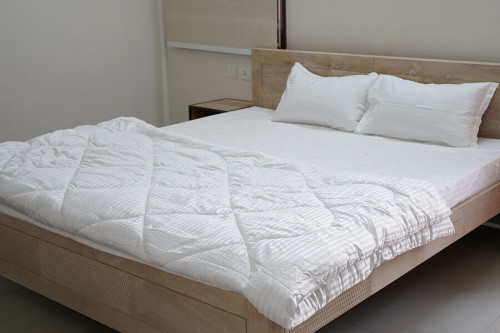
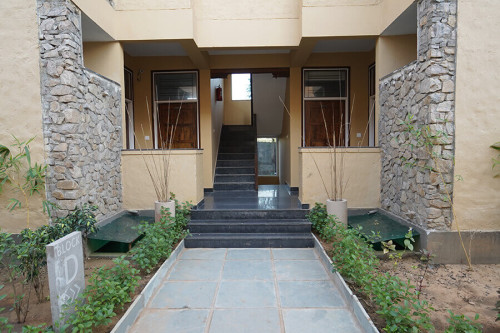
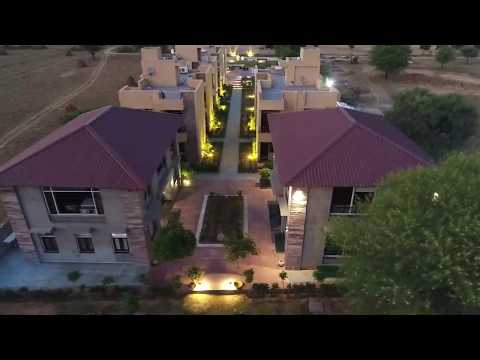
The property is secluded and located away from the hustle of the city. Each patient gets an independent room with personal entry to keep confidentiality if need be. Patients can enjoy swimming in the pool and receiving spa services like massages and facials to help them relax. Sarvam has hired gourmet chefs from nearby hotels to make meals as delicious and nutritious as possible.
Treatment
Each patient receives clinical, medical, psychiatric and 24/7 nursing care. Addiction patients must come to treatment with a family member who will stay for a few days to ensure that the withdrawal process is effective and smooth. The team of clinicians also work with the family members to help them learn to cope and communicate effectively with their loved one in treatment. Medication-assisted therapy can be used if needed to help curb cravings and withdrawal symptoms. Sarvam also uses transcranial magnetic stimulation (TMS) for patients with treatment-resistant depression. Their clinicians specialize in using cognitive behavioral therapy (CBT) to help clients reframe thoughts and beliefs about themselves and the world.
Center Overview
Treatment Focus
This center treats substance use disorders and mental health conditions. You'll receive individualized care catered to your unique situation and diagnosis, learn practical skills for recovery, and make new connections in a restorative environment.
Pricing and Program Length
Estimated Center Costs
The cost listed here (Call for Rates), is an estimate of program cost. Center price can vary based on program and length of stay. Contact the center for more information. Recovery.com strives for price transparency so you can make an informed decision.
Levels of Care


Your Care Options
Specializations
Alcohol
Using alcohol as a coping mechanism, or drinking excessively throughout the week, signals an alcohol use disorder.
Drug Addiction
Drug addiction is the excessive and repetitive use of substances, despite harmful consequences to a person's life, health, and relationships.
Residential
In a residential rehab program, patients live onsite, with access to daily treatment and 24-hour care. An average stay is 30-90 days.
Wellness
Wellness philosophies focus on the physical, mental, and spiritual wellness of each patient, helping them restore purpose with natural remedies.
Who We Treat
Men and Women
Men and women attend treatment for addiction in a co-ed setting, going to therapy groups together to share experiences, struggles, and successes.
Approaches
Evidence-Based
A combination of scientifically rooted therapies and treatments make up evidence-based care, defined by their measured and proven results.
Personalized Treatment
The specific needs, histories, and conditions of individual patients receive personalized, highly relevant care throughout their recovery journey.
Twelve Step
Incorporating spirituality, community, and responsibility, 12-Step philosophies prioritize the guidance of a Higher Power and a continuation of 12-Step practices.
Therapies
1-on-1 Counseling
Patient and therapist meet 1-on-1 to work through difficult emotions and behavioral challenges in a personal, private setting.
Group Therapy
Group therapy brings people together in a supportive setting to share experiences, develop skills, and work toward common goals.
Medication-Assisted Treatment
Combined with behavioral therapy, prescribed medications can enhance treatment by relieving withdrawal symptoms and focus patients on their recovery.
Twelve Step Facilitation
12-Step groups offer a framework for addiction recovery. Members commit to a higher power, recognize their issues, and support each other in the healing process.
Yoga
Yoga is both a physical and spiritual practice. It includes a flow of movement, breathing techniques, and meditation.
Languages
Conditions We Treat
Anger
Although anger itself isn't a disorder, it can get out of hand. If this feeling interferes with your relationships and daily functioning, treatment can help.
Anxiety
Anxiety is a common mental health condition that can include excessive worry, panic attacks, physical tension, and increased blood pressure.
Bipolar
This mental health condition is characterized by extreme mood swings between depression, mania, and remission.
Depression
Symptoms of depression may include fatigue, a sense of numbness, and loss of interest in activities. This condition can range from mild to severe.
Grief and Loss
Grief is a natural reaction to loss, but severe grief can interfere with your ability to function. You can get treatment for this condition.
Obsessive Compulsive Disorder (OCD)
OCD is characterized by intrusive and distressing thoughts that drive repetitive behaviors. This pattern disrupts daily life and relationships.
Personality Disorders
Personality disorders destabilize the way a person thinks, feels, and behaves. If untreated, they can undermine relationships and lead to severe distress.
Post Traumatic Stress Disorder
PTSD is a long-term mental health issue caused by a disturbing event or events. Symptoms include anxiety, dissociation, flashbacks, and intrusive thoughts.
Schizophrenia
Schizophrenia is a chronic mental health condition that can affect thinking, emotions, behavior, and perception of reality.
Substances We Treat
Alcohol
Using alcohol as a coping mechanism, or drinking excessively throughout the week, signals an alcohol use disorder.
Benzodiazepines
Benzodiazepines are prescribed to treat anxiety, insomnia, and seizures. They can be habit-forming and may cause drowsiness, memory problems, and dependence.
Co-Occurring Disorders
A person with multiple mental health diagnoses, such as addiction and depression, has co-occurring disorders also called dual diagnosis.
Cocaine
Cocaine is a stimulant with euphoric effects. Agitation, muscle ticks, psychosis, and heart issues are common symptoms of cocaine use.
Drug Addiction
Drug addiction is the excessive and repetitive use of substances, despite harmful consequences to a person's life, health, and relationships.
Heroin
Heroin is a highly addictive opioid that produces feelings of euphoria and relaxation. Its use carries serious risks, including overdose and dependence.
Marijuana
Marijuana is a psychoactive substance derived from cannabis. It can affect mood, memory, coordination, and perception, with varying effects between individuals.
Methamphetamine
Methamphetamine is a powerful stimulant that increases energy and alertness. Repeated use can lead to addiction and significant physical and mental health risks.
Prescription Drugs
It's possible to develop an addiction to any drug, even prescribed ones. If you crave a medication, or regularly take it more than directed, you may have an addiction.