All CentersMonte Nido Clementine West Nyack

Monte Nido Clementine West Nyack

Eating Disorders

Treatment Focus

You can get treatment for eating disorders at this center, helping you navigate symptoms, build coping tools, and restore your physical health under expert care.

Residential

Primary Level of Care

Offering intensive care with 24/7 monitoring, residential treatment is typically 30 days and can cover multiple levels of care. Length can range from 14 to 90 days typically.

Unclaimed

This provider hasn't verified their profile's information. Are you the owner of this center? Claim your listing to better manage your presence on Recovery.com.

Insurance

Provider's Policy

At Monte Nido, ensuring access to care for as many people as possible is a priority for us. That's why we're in-network with most insurance plans.

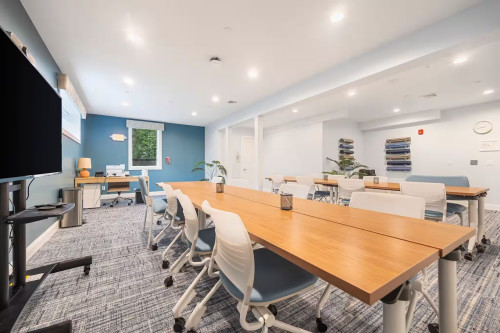
Designed to feel more like a supportive home, Monte Nido Clementine West Nyack provides residential eating disorder treatment for adolescent girls ages 12-17 who need structured daily support outside of a hospital setting. The program works with teens struggling with anorexia, bulimia, binge eating disorder, Avoidant/Restrictive Food Intake Disorder (ARFID), and related mental health challenges, combining clinical care with consistent routines, emotional support, and everyday structure. With shared living space, supervised meals, and a strong focus on peer connection and family involvement, the environment is intended to help teens feel safe, understood, and more connected to the recovery process.

Therapy, Daily Structure, and Academic Support

Treatment at Monte Nido Clementine West Nyack combines individual therapy, group therapy, family therapy, nutrition counseling, psychiatric support, and supervised meals to address both eating disorder symptoms and the emotional challenges that often accompany adolescence. Experiential activities, peer interaction, and structured schedules help residents strengthen coping skills, improve emotional regulation, and build more consistent daily habits. Academic coordination and educational support are also included so teens can stay connected to school while receiving care.

Family Involvement and Continued Support

Family involvement is integrated throughout treatment to help caregivers better understand recovery and support healthier patterns at home. Discharge and aftercare planning are incorporated into the program to support a smoother transition back into everyday life. The residence maintains a calm, predictable daily schedule that encourages emotional safety, accountability, and routine while teens work toward more sustainable recovery. Kosher meal accommodations are also available for residents with religious dietary needs.
Monte Nido Clementine West Nyack thumbnail
AT A GLANCE

Center Overview

Location
259 Sickletown Road, West Nyack, NY 10994 View Map
Part of
network
Primary Focus
You can get treatment for eating disorders at this center, helping you n...

Treatment Focus

You can get treatment for eating disorders at this center, helping you navigate symptoms, build coping tools, and restore your physical health under expert care.

Accreditation
Joint Commission

Joint Commission Accredited

The Joint Commission accreditation is a voluntary, objective process that evaluates and accredits healthcare organizations (like treatment centers) based on performance standards designed to improve quality and safety for patients. To be accredited means the treatment center has been found to meet the Commission's standards for quality and safety in patient care.

Typical Program Length
6 weeks
Founded in 1996
30 years in business
Occupancy
6-15 beds
Conditions We Treat
Anxiety, Depression, Eating Disorders, Obsessive Compulsive Disorder (OCD) +4 More
Substance Use We Treat
Co-Occurring Disorders, Drug Addiction
Monte Nido Clementine West Nyack logo
montenido.com
Are you the owner of this center? Claim it
How to pay

Insurance Accepted

Provider's Policy: At Monte Nido, ensuring access to care for as many people as possible is a priority for us. That's why we're in-network with most insurance plans.
Verify Insurance
Private Pay Option

Cash Pay Rates

Estimated Cash Pay Rate

Center pricing can vary based on program and length of stay. Contact the center for more information. Recovery.com strives for price transparency so you can make an informed decision.

We don't have pricing information for this center. Please contact the center for more information.
Care Options

Levels of Care

Eating disorders interfere with healthy eating habits, potentially causing weight changes, poor mental health, and physical harm. Treatment addresses underlying thoughts and beliefs, aiming to heal relationships with food. Weight restoration and other medical interventions stabilize physical health.
Included
Residential
Residential eating disorder treatment provides intensive medical and therapeutic care in a safe, structured setting with 24/7 monitoring, meal-time support, therapy, and services for weight restoration as needed.
Not included
Outpatient
Not Offered at This Center
Outpatient treatment offers flexible therapeutic and medical care without the need to stay overnight in a hospital or inpatient facility. Outpatient care typically offers a range of therapies and medical interventions individuals can attend alongside daily life.
Not included
Virtual & In-Home Care
Not Offered at This Center
The delivery of therapeutic services utilizing technology such as video conferencing, online messaging or phone calls, allowing for flexibility, comfort and increased access to care.
Included
Co-Occurring Disorders
Conditions like depression, substance use, and trauma can co-occur with eating disorders. Many programs provide co-occurring eating disorder treatment for comprehensive healing.
Treatment

Your Care Options

Specializations

Adolescents

Adolescents

Teens receive the treatment they need for mental health disorders and addiction, with the added support of educational and vocational services.

Co-Occurring Disorders

Co-Occurring Disorders

A person with multiple mental health diagnoses, such as addiction and depression, has co-occurring disorders also called dual diagnosis.

Eating Disorders

Eating Disorders

An eating disorder is a long-term pattern of unhealthy behavior relating to food. Most people with eating disorders have a distorted self-image.

Who We Treat

Adolescents

Adolescents

Teens receive the treatment they need for mental health disorders and addiction, with the added support of educational and vocational services.

Girls

Approaches

Evidence-Based

Evidence-Based

A combination of scientifically rooted therapies and treatments make up evidence-based care, defined by their measured and proven results.

Family Involvement

Family Involvement

Providers involve family in the treatment of their loved one through family therapy, visits, or both–because addiction is a family disease.

Spiritual Emphasis

Spiritual Emphasis

Spirituality connects patients to a higher power and helps strengthen their recovery, hope, and compliance with other treatment modalities.

Wellness

Wellness

Wellness philosophies focus on the physical, mental, and spiritual wellness of each patient, helping them restore purpose with natural remedies.

Therapies

1-on-1 Counseling

1-on-1 Counseling

Patient and therapist meet 1-on-1 to work through difficult emotions and behavioral challenges in a personal, private setting.

Cognitive Behavioral Therapy

Cognitive Behavioral Therapy

Cognitive Behavioral Therapy helps people identify and change unhelpful thought patterns and behaviors that contribute to emotional distress.

Dialectical Behavior Therapy

Dialectical Behavior Therapy

Dialectical Behavior Therapy teaches skills for managing emotions, improving relationships, tolerating distress, and increasing mindfulness.

Experiential Therapy

Experiential Therapy

With this approach, patients heal by doing. Therapists help patients process difficult emotions to speak, using guided activities like art or dance.

Family Therapy

Family Therapy

Family therapy addresses group dynamics within a family system, with a focus on improving communication and interrupting unhealthy relationship patterns.

Group Therapy

Group Therapy

Group therapy brings people together in a supportive setting to share experiences, develop skills, and work toward common goals.

Interpersonal Therapy

Interpersonal Therapy

Interpersonal therapy focuses on improving relationships, communication, and social functioning to support mental health and emotional well-being.

Mindfulness-Based Cognitive Therapy

Mindfulness-Based Cognitive Therapy

MBCT combines mindfulness practices—like meditation—with cognitive therapy techniques to help patients work through negative thought patterns.

Nutrition Counseling

Nutrition Counseling

Nutritious food helps patients heal from within, setting them up for mental and bodily wellness as they learn about healthy eating.

Languages

English

Conditions We Treat

Anxiety

Anxiety

Anxiety is a common mental health condition that can include excessive worry, panic attacks, physical tension, and increased blood pressure.

Depression

Depression

Symptoms of depression may include fatigue, a sense of numbness, and loss of interest in activities. This condition can range from mild to severe.

Eating Disorders

Eating Disorders

An eating disorder is a long-term pattern of unhealthy behavior relating to food. Most people with eating disorders have a distorted self-image.

Obsessive Compulsive Disorder (OCD)

Obsessive Compulsive Disorder (OCD)

OCD is characterized by intrusive and distressing thoughts that drive repetitive behaviors. This pattern disrupts daily life and relationships.

Post Traumatic Stress Disorder

Post Traumatic Stress Disorder

PTSD is a long-term mental health issue caused by a disturbing event or events. Symptoms include anxiety, dissociation, flashbacks, and intrusive thoughts.

Self-Harm

Self-Harm

The act of intentionally harming oneself, also called self-injury, is associated with mental health issues like depression.

Suicidality

Suicidality

With suicidality, a person fantasizes about suicide, or makes a plan to carry it out. This is a serious mental health symptom.

Trauma

Trauma

Some traumatic events are so disturbing that they cause long-term mental health problems. Those ongoing issues can also be referred to as "trauma."

Substances We Treat

Co-Occurring Disorders

Co-Occurring Disorders

A person with multiple mental health diagnoses, such as addiction and depression, has co-occurring disorders also called dual diagnosis.

Drug Addiction

Drug Addiction

Drug addiction is the excessive and repetitive use of substances, despite harmful consequences to a person's life, health, and relationships.

Aftercare

Support Meetings
Alumni Events & Get-Togethers
Private, Online Alumni Groups
Professional Re-entry Support
Experience

Care Designed for Your Needs

Personal Amenities

Air-Conditioned Rooms
Armchair or Sofa
Bathroom Essentials (towels, soap, shampoo)
En Suite Bathroom
Allow Cell Phones
Private or Shared Rooms
Shared Bathroom
View

Special Considerations

Dietary Accommodations
Family Program
Vegetarian
Kosher
Gender-specific groups

Gender-specific groups

Patients in gender-specific groups gain the opportunity to discuss challenges unique to their gender in a comfortable, safe setting conducive to healing.

Other dietary needs (vegan, vegetarian, gluten-free, etc.)
Frequently Asked Questions

Further Research

The following therapies are included: mindfulness-based cognitive therapy, group therapy and more.
West Nyack, New York, United States.
At Monte Nido, ensuring access to care for as many people as possible is a priority for us. That's why we're in-network with most insurance plans.
The typical length is 6 weeks.
Monte Nido Clementine West Nyack provides residential and more.

Explore More

Easily search by condition, location, and other programs tailored to meet your needs.