Mental Health Treatment and Stabilization Center of Sacramento
Treatment Focus
This center treats substance use disorders and mental health conditions. You'll receive individualized care catered to your unique situation and diagnosis, learn practical skills for recovery, and make new connections in a restorative environment.
Primary Level of Care
Offering intensive care with 24/7 monitoring, residential treatment is typically 30 days and can cover multiple levels of care. Length can range from 14 to 90 days typically.
Claimed
Recovery.com has connected directly with this treatment provider to validate the information in their profile.
Treatment Focus
This center treats substance use disorders and mental health conditions. You'll receive individualized care catered to your unique situation and diagnosis, learn practical skills for recovery, and make new connections in a restorative environment.
Primary Level of Care
Offering intensive care with 24/7 monitoring, residential treatment is typically 30 days and can cover multiple levels of care. Length can range from 14 to 90 days typically.
Private Pay
You pay directly for treatment out of pocket. This approach can offer enhanced privacy and flexibility, without involving insurance. Exact costs vary based on program and length of stay. Contact the center for specific details.
Mental Health Treatment and Stabilization Center of Sacramento
About Mental Health Treatment and Stabilization Center of Sacramento
Positioned within a suburban community in Roseville, California, Mental Health Treatment and Stabilization Center of Sacramento provides residential mental health care for adults experiencing acute psychiatric symptoms. The program treats schizophrenia, bipolar disorder, post traumatic stress disorder (PTSD), depression, anxiety, obsessive compulsive disorder (OCD), personality disorders, ADHD, and co-occurring substance use disorders. Staff deliver 24/7 supervision, medication management, structured routines, and crisis stabilization services.
Evidence-Based Clinical Care
Mental Health Treatment and Stabilization Center uses evidence-based therapies to treat mental health and substance use disorders (SUD) at the same time. Clinicians provide cognitive behavioral therapy (CBT) to address harmful thought patterns, dialectical behavior therapy (DBT) to teach emotional regulation, acceptance and commitment therapy (ACT) to build coping skills, and trauma-informed therapy for clients with past traumatic experiences. Treatment plans also include psychotherapy, relapse prevention, motivational interviewing (MI), medication management, and family programming based on each client’s needs.
Residential Setting & Daily Life
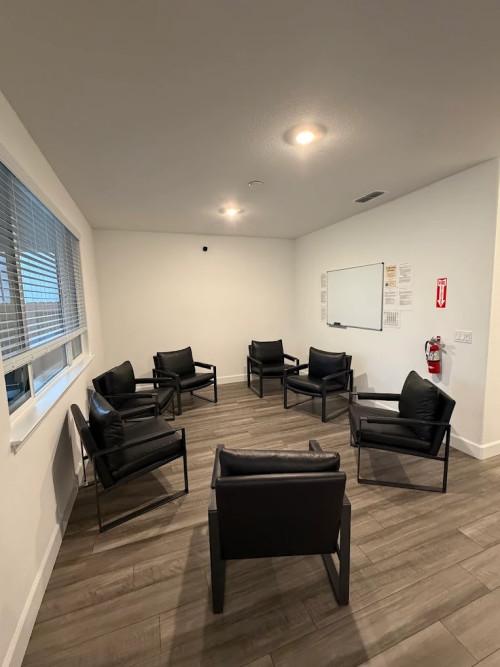
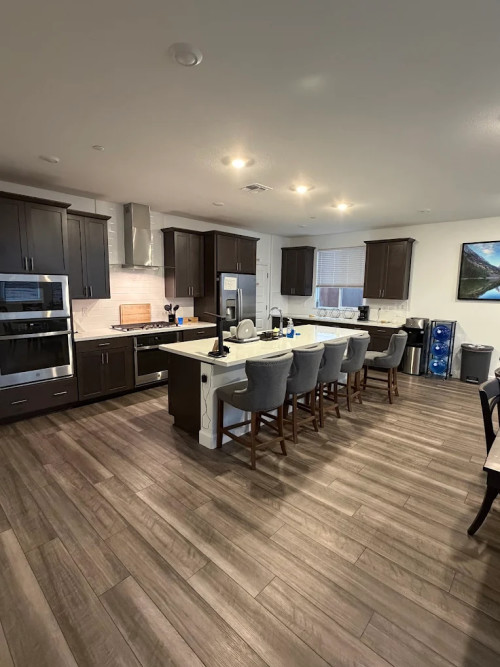
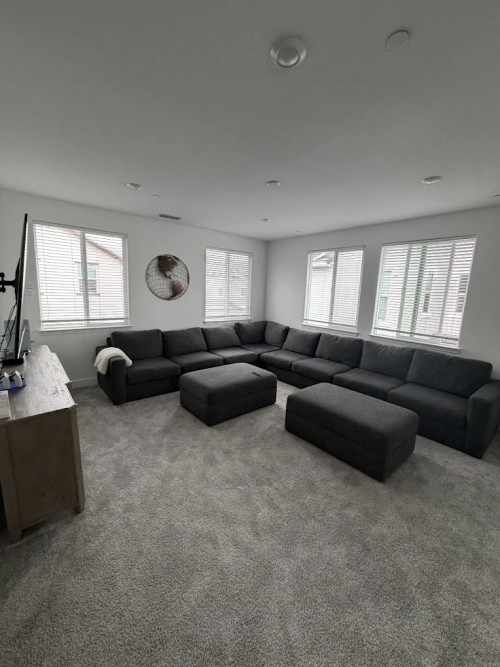
Clients live in a structured residential setting with daily schedules focused on treatment, life skills, and community involvement. Staff guide residents through problem-solving exercises, medication routines, and shared responsibilities within the home. The program also incorporates recreational activities such as music therapy, yoga, fitness training, outdoor activities, and social events to help clients practice daily living skills and maintain routine.
Center Overview

Treatment Focus
This center treats substance use disorders and mental health conditions. You'll receive individualized care catered to your unique situation and diagnosis, learn practical skills for recovery, and make new connections in a restorative environment.
Pricing and Program Length
Estimated Center Costs
Center pricing can vary based on program and length of stay. Contact the center for more information. Recovery.com strives for price transparency so you can make an informed decision.
Levels of Care
Your Care Options
Specializations
ADHD, ADD
ADD and ADHD are neurodevelopmental conditions that affect attention, focus, organization, and impulse control, often impacting daily life, school, work, and relationships.
Anxiety
Anxiety is a common mental health condition that can include excessive worry, panic attacks, physical tension, and increased blood pressure.
Bipolar
This mental health condition is characterized by extreme mood swings between depression, mania, and remission.
Co-Occurring Disorders
A person with multiple mental health diagnoses, such as addiction and depression, has co-occurring disorders also called dual diagnosis.
Depression
Symptoms of depression may include fatigue, a sense of numbness, and loss of interest in activities. This condition can range from mild to severe.
Who We Treat
Men and Women
Men and women attend treatment for addiction in a co-ed setting, going to therapy groups together to share experiences, struggles, and successes.
Approaches
Evidence-Based
A combination of scientifically rooted therapies and treatments make up evidence-based care, defined by their measured and proven results.
Holistic
A non-medicinal, wellness-focused approach that aims to align the mind, body, and spirit for deep and lasting healing.
Individual Treatment
Individual care meets the needs of each patient, using personalized treatment to provide them the most relevant care and greatest chance of success.
Therapies
1-on-1 Counseling
Patient and therapist meet 1-on-1 to work through difficult emotions and behavioral challenges in a personal, private setting.
Acceptance and Commitment Therapy (ACT)
This cognitive behavioral therapy teaches patients to accept challenging feelings and make the appropriate changes to reach personal goals.
Art Therapy
Visual art invites patients to examine the emotions within their work, focusing on the process of creativity and its gentle therapeutic power.
Cognitive Behavioral Therapy
Cognitive Behavioral Therapy helps people identify and change unhelpful thought patterns and behaviors that contribute to emotional distress.
Dialectical Behavior Therapy
Dialectical Behavior Therapy teaches skills for managing emotions, improving relationships, tolerating distress, and increasing mindfulness.
Exposure Therapy
Exposure therapy helps individuals gradually face feared situations or triggers to reduce anxiety and build confidence over time.
Family Therapy
Family therapy addresses group dynamics within a family system, with a focus on improving communication and interrupting unhealthy relationship patterns.
Life Skills
Teaching life skills like cooking, cleaning, clear communication, and even basic math provides a strong foundation for continued recovery.
Mindfulness-Based Cognitive Therapy
MBCT combines mindfulness practices—like meditation—with cognitive therapy techniques to help patients work through negative thought patterns.
Languages
Conditions We Treat
ADHD, ADD
ADD and ADHD are neurodevelopmental conditions that affect attention, focus, organization, and impulse control, often impacting daily life, school, work, and relationships.
Anxiety
Anxiety is a common mental health condition that can include excessive worry, panic attacks, physical tension, and increased blood pressure.
Bipolar
This mental health condition is characterized by extreme mood swings between depression, mania, and remission.
Depression
Symptoms of depression may include fatigue, a sense of numbness, and loss of interest in activities. This condition can range from mild to severe.
Neurodiversity
Neurodiversity recognizes natural variations in how people think, learn, and process information, including conditions such as autism, ADHD, and dyslexia.
Obsessive Compulsive Disorder (OCD)
OCD is characterized by intrusive and distressing thoughts that drive repetitive behaviors. This pattern disrupts daily life and relationships.
Personality Disorders
Personality disorders destabilize the way a person thinks, feels, and behaves. If untreated, they can undermine relationships and lead to severe distress.
Post Traumatic Stress Disorder
PTSD is a long-term mental health issue caused by a disturbing event or events. Symptoms include anxiety, dissociation, flashbacks, and intrusive thoughts.
Schizophrenia
Schizophrenia is a chronic mental health condition that can affect thinking, emotions, behavior, and perception of reality.
Substances We Treat
Alcohol
Using alcohol as a coping mechanism, or drinking excessively throughout the week, signals an alcohol use disorder.
Co-Occurring Disorders
A person with multiple mental health diagnoses, such as addiction and depression, has co-occurring disorders also called dual diagnosis.
Drug Addiction
Drug addiction is the excessive and repetitive use of substances, despite harmful consequences to a person's life, health, and relationships.
Prescription Drugs
It's possible to develop an addiction to any drug, even prescribed ones. If you crave a medication, or regularly take it more than directed, you may have an addiction.