All CentersJohnstown Heights Behavioral Health

Johnstown Heights Behavioral Health

Mental Health

Treatment Focus

This center treats mental health conditions and co-occurring substance use. You receive collaborative, individualized treatment that addresses both issues for whole-person healing.

Residential

Primary Level of Care

Offering intensive care with 24/7 monitoring, residential treatment is typically 30 days and can cover multiple levels of care. Length can range from 14 to 90 days typically.

Unclaimed

This provider hasn't verified their profile's information. Are you the owner of this center? Claim your listing to better manage your presence on Recovery.com.

Insurance

Provider's Policy

Johnstown Heights accepts most commercial insurances as well as Medicare, Medicaid, and Tricare. Our admissions team will communicate with your insurance provider to determine coverage and will provide this information to you prior to admission.

Johnstown Heights aims to provide compassionate care for patients struggling with substance use disorders, mental health disorders, or both (co-occurring disorders). They offer residential programs and intensive outpatient programs (IOP) for patients struggling with addiction, as well as separate programs for patients experiencing anxiety, depression, PTSD and other mental health issues. Level of care is determined during a patient’s initial evaluation. Johnstown also works with most insurance companies.

Types of Therapies and Environment

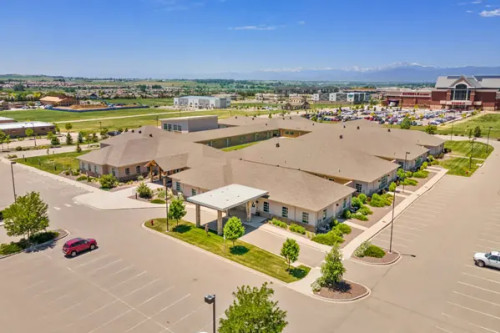
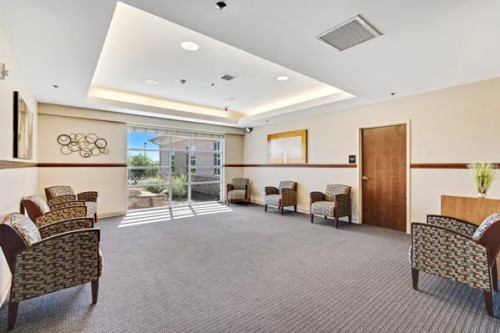
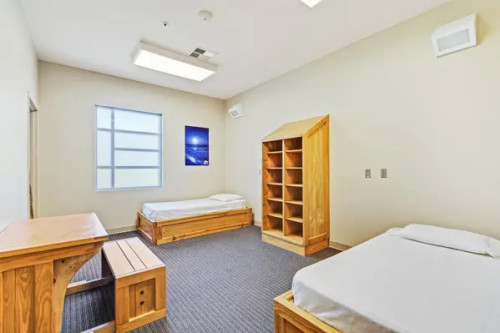
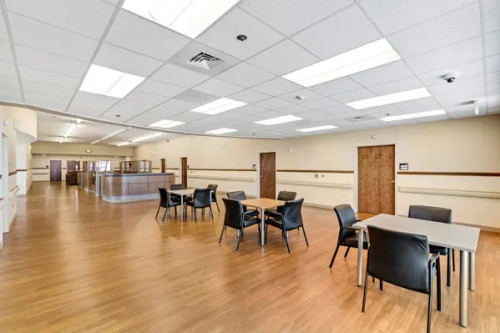
No matter the reason patients come to Johnstown, they all receive psychiatrist-led treatment with evidence-based and recreational therapies. Patients and their families can participate in weekly family therapy sessions which can help all members of the family best support each other. Each patient works with both medical and mental health professionals who assess, stabilize and treat the patient’s conditions. All patients will participate in individual therapy, recreational therapy, and medication management. During individual therapy, counselors help patients address trauma and learn new coping skills. Recreational therapy includes exercise, music and art. This type of therapy gives patients the opportunity to express themselves outside of talk therapy. Johnstown aims to provide a warm, home-like environment for clients. Set on 10 acres, the facility fills with natural light and boasts plenty of outdoor space as well as a gym.

AT A GLANCE

Center Overview

Location
4770 Larimer Pkwy Johnstown, CO 80534 View Map
Part of
network
Primary Focus
This center treats mental health conditions and co-occurring substance u...

Treatment Focus

This center treats mental health conditions and co-occurring substance use. You receive collaborative, individualized treatment that addresses both issues for whole-person healing.

Accreditation
Joint Commission

Joint Commission Accredited

The Joint Commission accreditation is a voluntary, objective process that evaluates and accredits healthcare organizations (like treatment centers) based on performance standards designed to improve quality and safety for patients. To be accredited means the treatment center has been found to meet the Commission's standards for quality and safety in patient care.

Typical Program Length
30+ days
Occupancy
31-50 beds
Conditions We Treat
Anxiety, Depression, Post Traumatic Stress Disorder, Trauma
Substance Use We Treat
Alcohol, Benzodiazepines, Co-Occurring Disorders, Cocaine +9 More
johnstownheights.com
Are you the owner of this center? Claim it
How to pay

Insurance Accepted

Provider's Policy: Johnstown Heights accepts most commercial insurances as well as Medicare, Medicaid, and Tricare. Our admissions team will communicate with your insurance provider to determine coverage and will provide this information to you prior to admission.
Verify Insurance
Private Pay Option

Cash Pay Rates

Estimated Cash Pay Rate

Center pricing can vary based on program and length of stay. Contact the center for more information. Recovery.com strives for price transparency so you can make an informed decision.

We don't have pricing information for this center. Please contact the center for more information.
Care Options

Levels of Care

Mental health care includes a range of services such as counseling, therapy, medication management, and support groups, all designed to address issues from everyday stress and anxiety to more severe conditions like depression and schizophrenia. These practices are essential for helping individuals manage their emotions, improve their relationships, and navigate life's challenges in healthier, more adaptive ways.
Residential
Intensive monitoring and care for conditions like depression, trauma, suicidality, and anxiety. Residential mental health facilities offer a safe setting with activities and structure, plus opportunities to practice life skills and bond with peers.
Intensive Outpatient Program
An intensive outpatient program (IOP) falls between inpatient care and traditional outpatient services, with therapy and skills-building activities designed to support recovery and provide flexibility. IOP is ideal for those needing support but not the 24/7 care of a residential facility.
Outpatient
Outpatient treatment offers flexible therapeutic and medical care without the need to stay overnight in a hospital or inpatient facility. Outpatient care typically offers a range of therapies and medical interventions individuals can attend alongside daily life.
Virtual & In-Home Care
Not Offered at This Center
The delivery of therapeutic services utilizing technology such as video conferencing, online messaging or phone calls, allowing for flexibility, comfort and increased access to care.
Licensed Primary Mental Health
Licensed primary mental health facilities provide specialized care for diagnosing and treating mental health conditions. By offering early intervention and comprehensive services, they promote overall well-being and prevent long-term complications.
Co-Occurring Substance Use
Substance use disorders often occur alongside primary mental health conditions. Programs for co-occurring substance use disorders focus on both conditions, tailoring treatment for comprehensive recovery.
Treatment

Your Care Options

Specializations

Alcohol

Alcohol

Using alcohol as a coping mechanism, or drinking excessively throughout the week, signals an alcohol use disorder.

Drug Addiction

Drug Addiction

Drug addiction is the excessive and repetitive use of substances, despite harmful consequences to a person's life, health, and relationships.

Intensive Outpatient Program

Intensive Outpatient Program

In an IOP, patients live at home or a sober living, but attend treatment typically 9-15 hours a week. Most programs include talk therapy, support groups, and other methods.

Recreation Therapy

Recreation Therapy

In recreation therapy, recovery can be joyful. Patients practice social skills and work through emotional triggers by engaging in fun activities.

Residential

Residential

In a residential rehab program, patients live onsite, with access to daily treatment and 24-hour care. An average stay is 30-90 days.

Who We Treat

Men
Women
Men and Women

Men and Women

Men and women attend treatment for addiction in a co-ed setting, going to therapy groups together to share experiences, struggles, and successes.

Approaches

Evidence-Based

Evidence-Based

A combination of scientifically rooted therapies and treatments make up evidence-based care, defined by their measured and proven results.

Family Involvement

Family Involvement

Providers involve family in the treatment of their loved one through family therapy, visits, or both–because addiction is a family disease.

Personalized Treatment

Personalized Treatment

The specific needs, histories, and conditions of individual patients receive personalized, highly relevant care throughout their recovery journey.

Therapies

1-on-1 Counseling

1-on-1 Counseling

Patient and therapist meet 1-on-1 to work through difficult emotions and behavioral challenges in a personal, private setting.

Family Therapy

Family Therapy

Family therapy addresses group dynamics within a family system, with a focus on improving communication and interrupting unhealthy relationship patterns.

Psychoeducation

Psychoeducation

This method combines treatment with education, teaching patients about different paths toward recovery. This empowers them to make more effective decisions.

Recreation Therapy

Recreation Therapy

In recreation therapy, recovery can be joyful. Patients practice social skills and work through emotional triggers by engaging in fun activities.

Languages

English

Conditions We Treat

Anxiety

Anxiety

Anxiety is a common mental health condition that can include excessive worry, panic attacks, physical tension, and increased blood pressure.

Depression

Depression

Symptoms of depression may include fatigue, a sense of numbness, and loss of interest in activities. This condition can range from mild to severe.

Post Traumatic Stress Disorder

Post Traumatic Stress Disorder

PTSD is a long-term mental health issue caused by a disturbing event or events. Symptoms include anxiety, dissociation, flashbacks, and intrusive thoughts.

Trauma

Trauma

Some traumatic events are so disturbing that they cause long-term mental health problems. Those ongoing issues can also be referred to as "trauma."

Substances We Treat

Alcohol

Alcohol

Using alcohol as a coping mechanism, or drinking excessively throughout the week, signals an alcohol use disorder.

Benzodiazepines

Benzodiazepines

Benzodiazepines are prescribed to treat anxiety and sleep issues. They are highly habit forming, and their abuse can cause mood changes and poor judgement.

Co-Occurring Disorders

Co-Occurring Disorders

A person with multiple mental health diagnoses, such as addiction and depression, has co-occurring disorders also called dual diagnosis.

Cocaine

Cocaine

Cocaine is a stimulant with euphoric effects. Agitation, muscle ticks, psychosis, and heart issues are common symptoms of cocaine abuse.

Drug Addiction

Drug Addiction

Drug addiction is the excessive and repetitive use of substances, despite harmful consequences to a person's life, health, and relationships.

Ecstasy

Ecstasy

Ecstasy is a stimulant that causes intense euphoria and heightened awareness. Abuse of this drug can trigger depression, insomnia, and memory problems.

Heroin

Heroin

Heroin is a highly addictive and illegal opioid. It can cause insomnia, collapsed veins, heart issues, and additional mental health issues.

Marijuana
Methamphetamine

Methamphetamine

Methamphetamine, or meth, increases energy, agitation, and paranoia. Long-term use can result in severe physical and mental health issues.

Aftercare

Outpatient Treatment
Support Meetings
Follow-up Sessions (in-person)
Experience

Care Designed for Your Needs

Personal Amenities

Private or Shared Rooms

Amenities

Fitness Center
Outdoor Lounge

Special Considerations

COVID-19 Measures

Off-Site Activities

Alternative Meetings
AA/NA Meetings
Frequently Asked Questions

Further Research

The following therapies are included: 1-on-1 counseling, family therapy and more.
Johnstown, Colorado, United States.
Johnstown Heights accepts most commercial insurances as well as Medicare, Medicaid, and Tricare. Our admissions team will communicate with your insurance provider to determine coverage and will provide this information to you prior to admission.
The typical length is 30+ days.
Johnstown Heights Behavioral Health provides intensive outpatient program, licensed primary mental health and more.

Explore More

Easily search by condition, location, and other programs tailored to meet your needs.