Find Treatment By
Rehabs by Location


Learn
About Us
Recovery.com combines independent research with expert guidance on addiction and mental health treatment. Our mission is to help everyone find the best path to recovery through the most comprehensive, helpful network of treatment providers worldwide.
Advisory Council
Our advisory council brings together leaders in behavioral health, technology, and business. Their diverse expertise ensures our resources and product are innovative, evidence-based, and effective. They guide our mission as accomplished individuals dedicated to improving the landscape of addiction recovery and mental wellness.


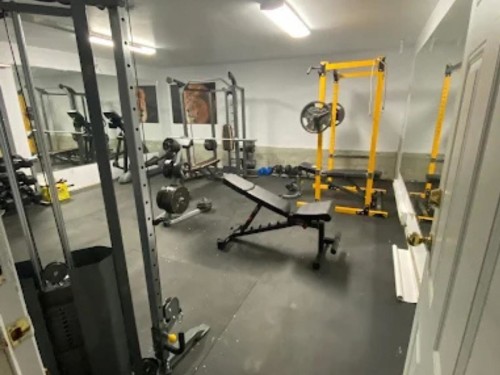


Into Action Recovery - Burnaby
Into Action Recovery - Burnaby
Into Action Recovery - Burnaby
About Into Action Recovery - Burnaby
Since 2012, this program has guided thousands of men toward lasting recovery through a structured approach that combines residential treatment with continued outpatient support. The treatment here doesn’t just help men get sober, it helps them stay accountable and gain the tools to stay steady for good.
Commit to a New Way of Living
Many men arrive after years of trying quick solutions that never create lasting change. Through a recovery journey that has helped thousands before them, they begin the process of healing. With a blend of evidence-based therapies and the guidance of 12-Step principles, they learn how to put recovery into practice. This approach helps them let go of what has been holding them back and become the men they aspire to be.
Create Space for Growth
More than a residence, this is a place where men build the skills needed for a healthier, more balanced life. Shared chef-prepared meals and welcoming gathering spaces create opportunities for connection, helping men step away from isolation and engage with others. With daily responsibilities managed by staff and a consistent routine in place, the environment allows them to focus fully on recovery, personal growth, and long-term well-being.
Strengthen the Foundation for Lasting Success
Optional transitional housing provides a powerful next step between treatment and independent living. Men put their recovery into action by practicing new routines, managing daily responsibilities, and building confidence in their ability to thrive. With ongoing support from a close-knit recovery community and the brotherhood they’ve built, they gain the foundation needed for lasting success.
Center Overview




Recovery.com Verified Listing
Recovery.com verified that the name, location, contact information and license to operate for this treatment provider are valid and up-to-date.
Accreditation Canada Accredited
Recovery.com is an independent, third-party mental health resource. Verification does not imply endorsement and does not guarantee the quality of treatment services.
Meet Your Care Team
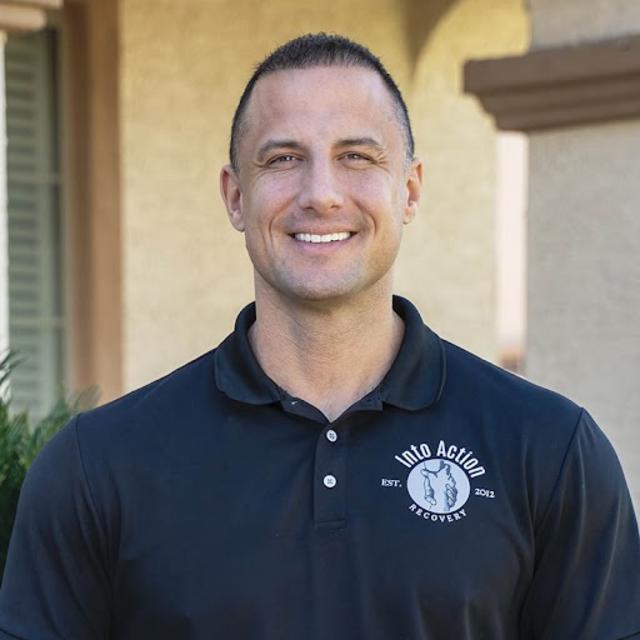
Chris Burwash
Executive Director
ICAS III, CCAC

Anya Schecter
Administrator

Christopher Loughlin
Program Manager
CCAC, ICADC

Zoltan Orban
Compliance Manager
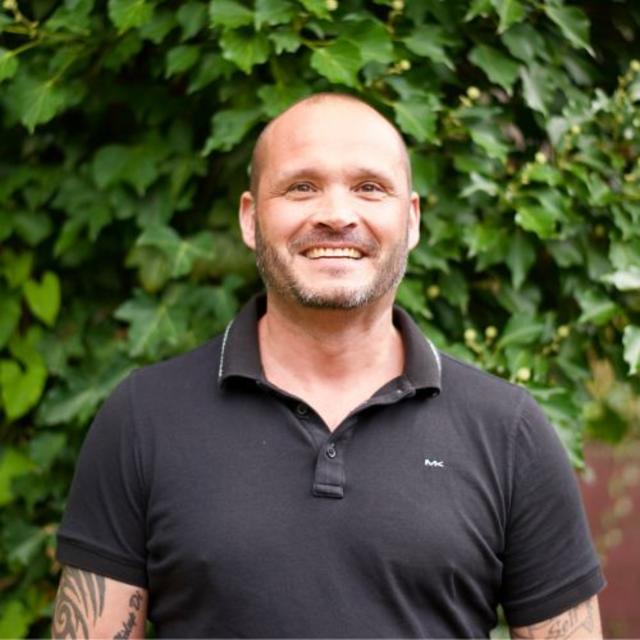
Louis Grant
Intake Coordinator
AAP, CCAC

Mike Schneider
Group Facilitator and Addictions Worker

Gerry Wilce
Step Coach

Achi Thilakeratne
Group Facilitator
Certified Social Service Worker

Zan Gallant
Group Facilitator and Addictions Worker

Eric Renzetti
Support Worker, Personal Trainer

Ben Hicks
Support Worker
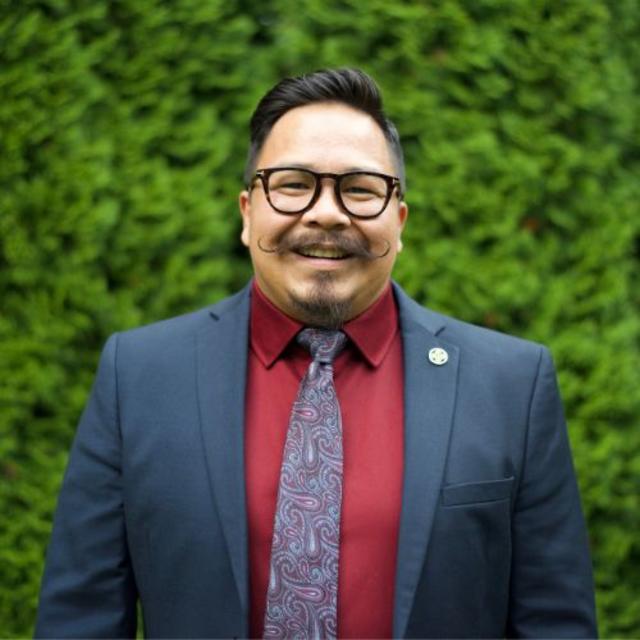
Justin Preston
Support Worker
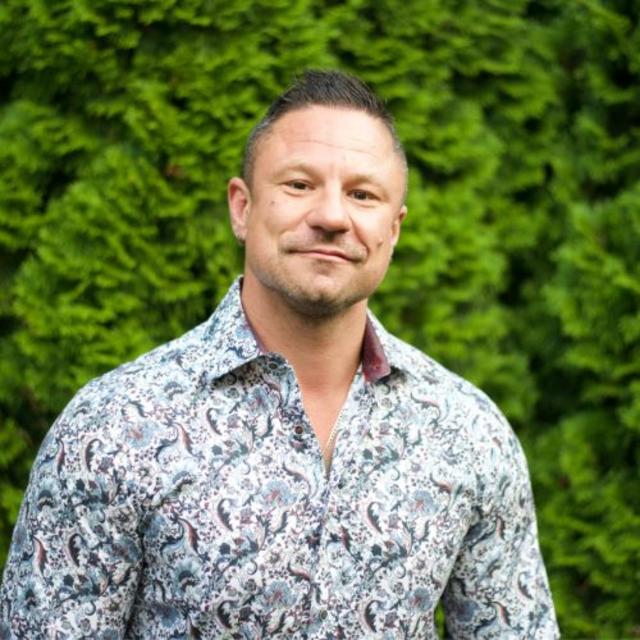
Phil Morgan
Group Facilitator and Support Worker

Travis Hache
House Monitor

Ben Blackman
Registered Professional Counsellor
RPC-C, PCC
Your Care Options
Specializations
Who We Treat
Treatment Services
Approaches
Therapies
Languages
Conditions We Treat
Substances We Treat
Aftercare
Care Designed for Your Needs
Personal Amenities
Amenities
Activities
Off-Site Activities
Learn More About the Center
The Physical Toll of Alcohol
Understand how chronic drinking affects physical health, mental wellbeing, and everyday quality of life.
How Different Drugs Impact Health
Important information about commonly abused substances, their effects, and associated health risks.
Learn How The 12 Steps Help
See how the 12 steps can guide meaningful change and support lifelong sobriety.
The Benefits of Pets in Recovery
Discover how pets can encourage stability, reduce stress, and support long-term sobriety efforts.

