Find Treatment By
Rehabs by Location


Learn
About Us
Recovery.com combines independent research with expert guidance on addiction and mental health treatment. Our mission is to help everyone find the best path to recovery through the most comprehensive, helpful network of treatment providers worldwide.
Advisory Council
Our advisory council brings together leaders in behavioral health, technology, and business. Their diverse expertise ensures our resources and product are innovative, evidence-based, and effective. They guide our mission as accomplished individuals dedicated to improving the landscape of addiction recovery and mental wellness.
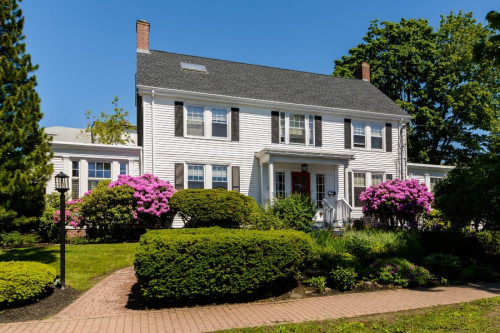


Crossroads for Women - Back Cove Women's Residential Program
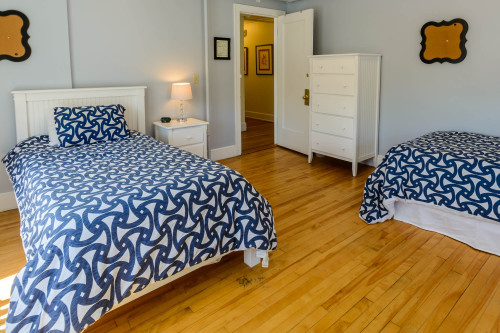
Crossroads for Women - Back Cove Women's Residential Program
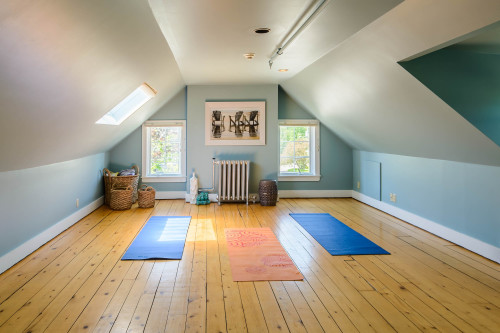
Crossroads for Women - Back Cove Women's Residential Program
About Crossroads for Women - Back Cove Women's Residential Program
With a long history of helping women recover, Crossroads for Women - Back Cove Women’s Residential Program treats addiction, eating disorders, and mental health conditions in one specialized program. Designed specifically for women, the program addresses trauma, low self-esteem, stress, relationship challenges, and other underlying issues that often fuel substance use and disordered eating.
A Balanced Approach to Healing and Recovery
Women begin building meaningful connections in recovery through peer support, 12-Step participation, and family involvement woven throughout treatment. At Back Cove Women’s Residential Program, healing extends far beyond traditional talk therapy. Women reconnect with themselves through yoga, mindfulness, acupuncture, equine therapy, and experiential wellness activities designed to reduce stress, restore confidence, and support emotional healing.
Specialized Dual-Diagnosis Care for Women
Crossroads treats addiction, eating disorders, and mental health conditions together instead of separating them into different tracks of care. Each woman receives individualized support based on her specific needs and recovery goals. Few programs in Maine and New England offer this level of integrated, women-focused treatment.
A Small, Supportive Space for Healing
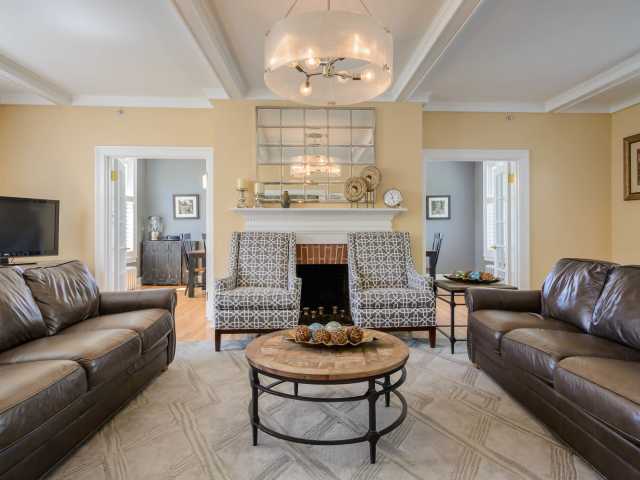
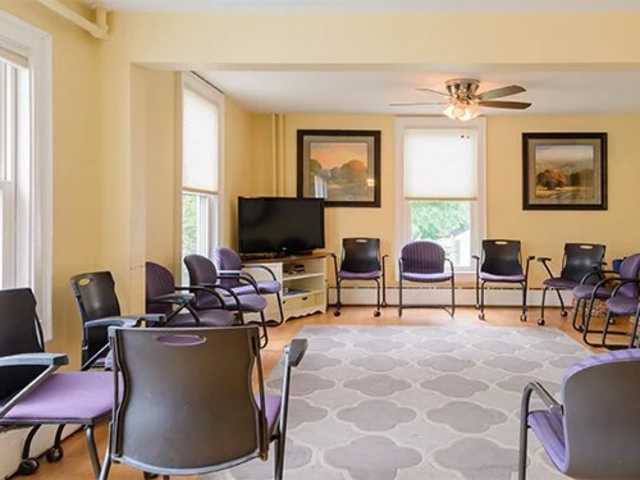
This 10-bed residential setting near Portland’s waterfront gives women space to focus on recovery without the distractions of daily life. Clients can access the Back Cove Trail and nearby outdoor spaces during recreational and wellness activities. The smaller program size helps create a close-knit recovery community with personalized support and a calm, structured environment.
Center Overview

Insurance Accepted










Recovery.com Verified Listing
Recovery.com verified that the name, location, contact information and license to operate for this treatment provider are valid and up-to-date.
CARF Accredited
NAATP Member
Licensed by Maine DHHS
Recovery.com is an independent, third-party mental health resource. Verification does not imply endorsement and does not guarantee the quality of treatment services.
Meet Your Care Team
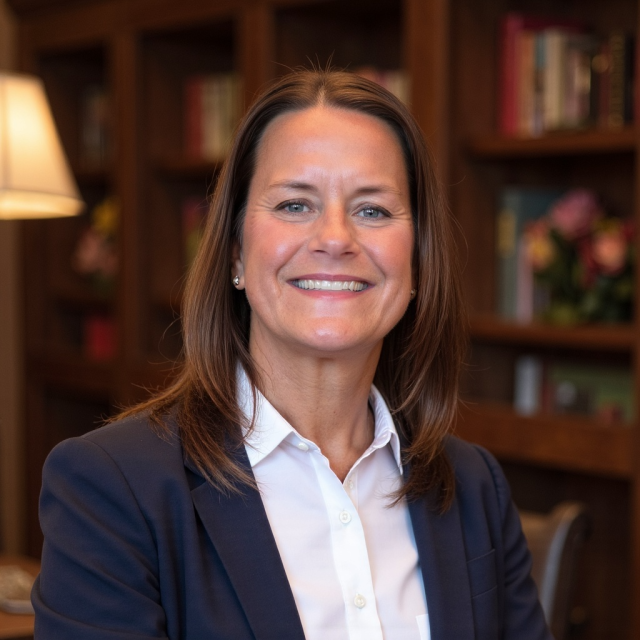
Shannon Trainor
CEO
LCSW, CCS
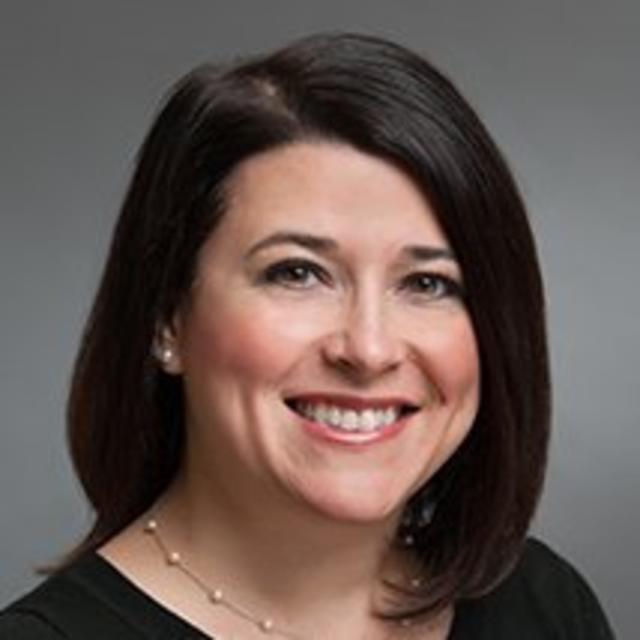
Mary Anne Roy
Chief Clinical Officer
Psy.D., CCS
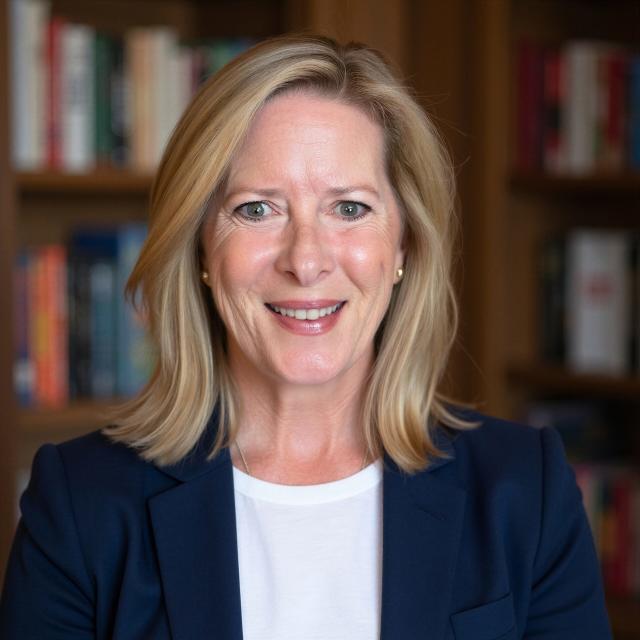
Lesley Rawlings
Chief Marketing & Development Officer

Laura Merten
Director of Compliance and Risk Management
JD
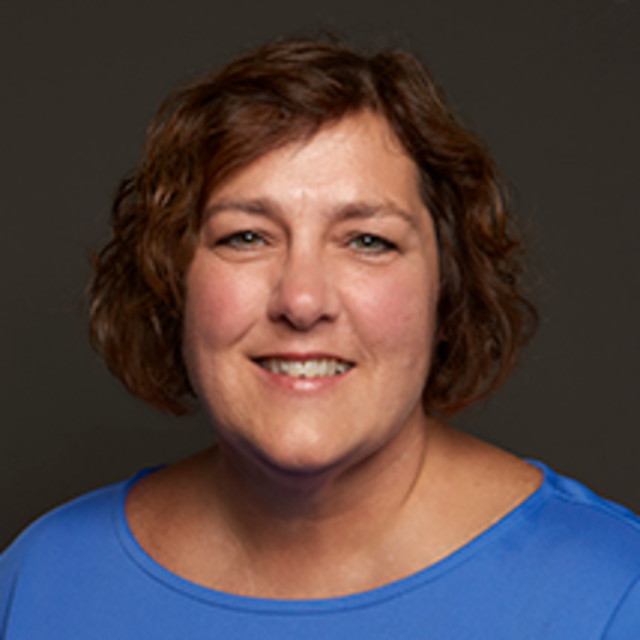
Deborah M. Giacomantonio
Finance Director
CPA

Jonathan C. Fellers
Medical Director
MD
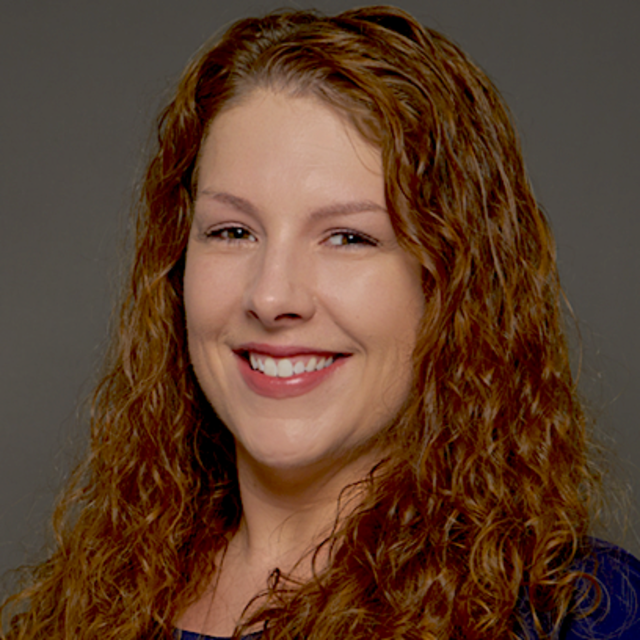
Heather Beaulieu
Programs Nurse
RN
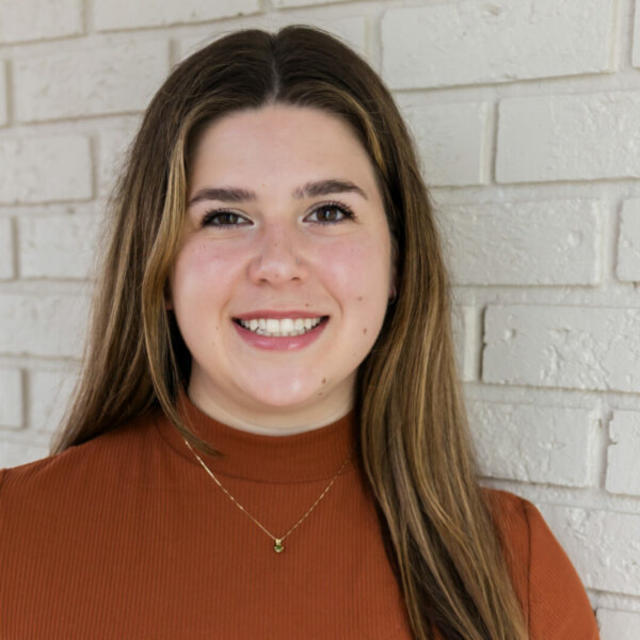
Jamie Jannarone
Registered Dietitian
MS, RDN, LDN
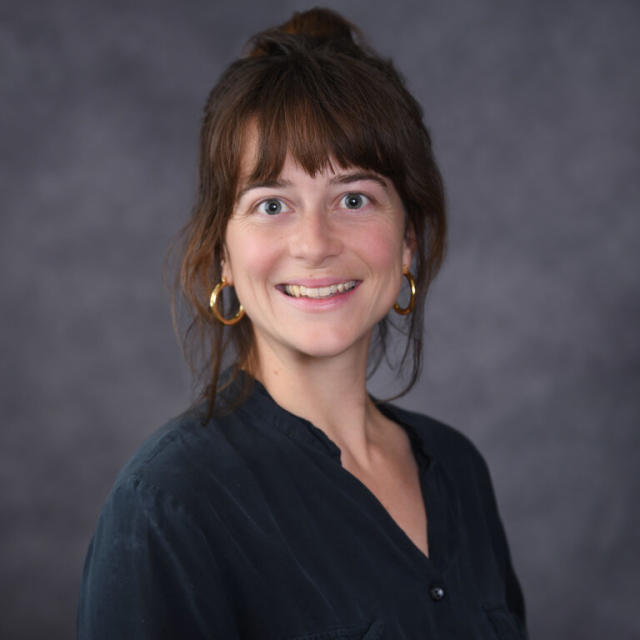
Samara Manges
Advanced Practice Registered Nurse
APRN
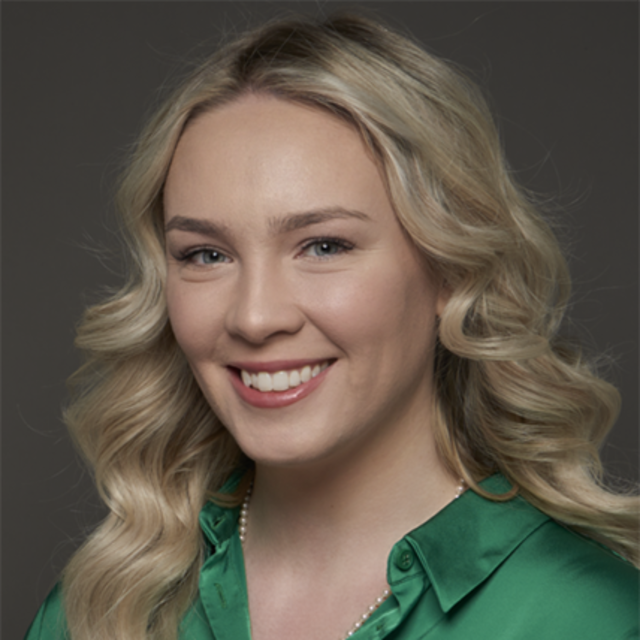
Samantha Alexander
Director of Residential Programs
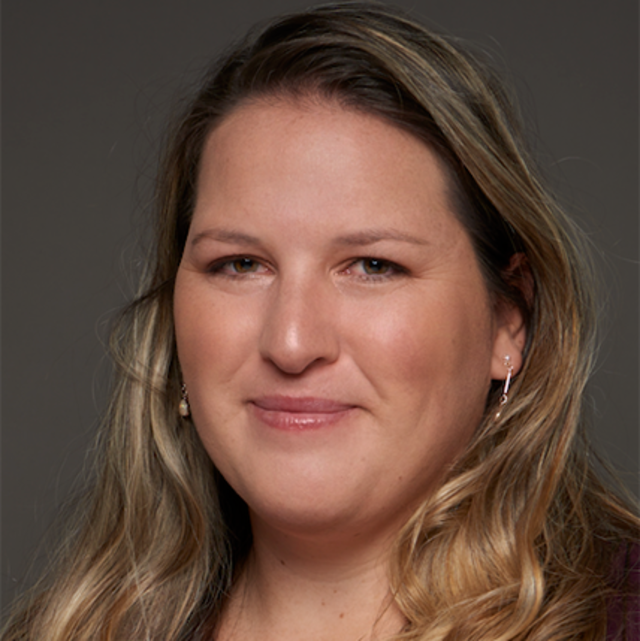
Chloe Brzycki
Director of Admissions
ADCA

Kyla Gladstone
Residential Clinician
LCPC-C
Supportive Medication for Recovery
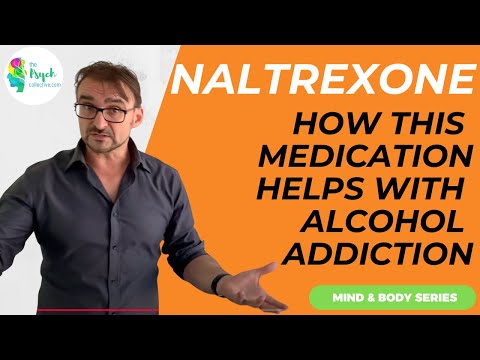
Medication-Assisted Treatment (MAT) is an evidence-based approach that pairs FDA-approved medications with counseling to treat addiction. The medications are used to reduce cravings, ease withdrawal symptoms, or block the effects of substances. More about MAT
Methadone

Naltrexone
Buprenorphine

Note: Treatment centers offer different forms of MAT—such as oral tablets, dissolvable films, or monthly injections—and their policies can vary based on state regulations, provider preferences, and insurance coverage. Because of these differences, it's best to contact the center directly to learn what options are available and what might be right for your situation.
Your Care Options
Specializations
Who We Treat
Treatment Services
Approaches
Therapies
Languages
Conditions We Treat
Substances We Treat
Care Designed for Your Needs
Personal Amenities
Amenities
Activities
Smoking and Vaping Policy
Learn More About the Center
Care Designed for Women
Discover how gender-responsive addiction treatment creates supportive recovery spaces tailored to the unique experiences and challenges of men and women.
How to Pay for Treatment
Read about payment options, accepted insurance plans, financial assistance resources, and guidance for accessing addiction treatment.
Access to Medication-Assisted Treatment
Learn how MAT treatment uses medications like buprenorphine/Suboxone, methadone, and naltrexone alongside counseling to ease withdrawal symptoms.
Engage with Crossroads for Women Through Media
Explore articles, recovery insights, educational resources, and community stories from Crossroads.

