Find Treatment By
Rehabs by Location


Learn
About Us
Recovery.com combines independent research with expert guidance on addiction and mental health treatment. Our mission is to help everyone find the best path to recovery through the most comprehensive, helpful network of treatment providers worldwide.
Advisory Council
Our advisory council brings together leaders in behavioral health, technology, and business. Their diverse expertise ensures our resources and product are innovative, evidence-based, and effective. They guide our mission as accomplished individuals dedicated to improving the landscape of addiction recovery and mental wellness.
What Is ARFID? 10 Expert Answers to the Internet's Most Searched ARFID Questions


Avoidant restrictive food intake disorder, or ARFID, can look like extreme picky eating. But for someone living with it, eating certain foods may trigger intense sensory distress, fear of choking or vomiting, or feel nearly impossible.
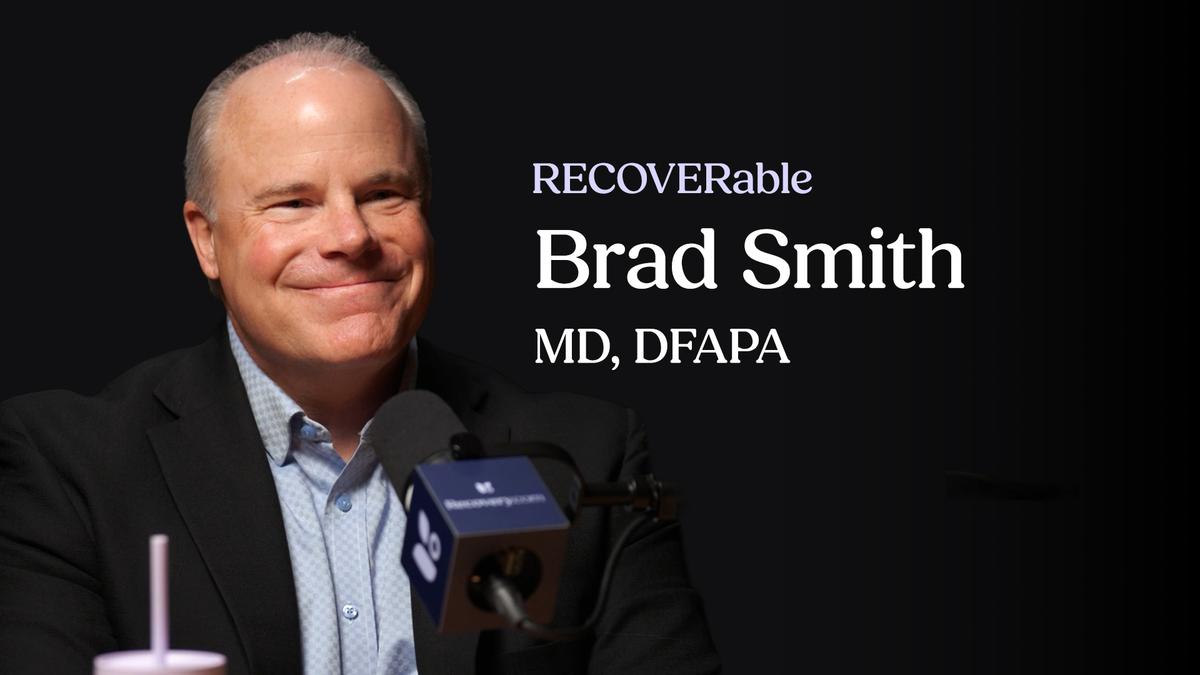
Psychiatrist and eating disorder expert Dr. Brad Smith explains what separates ARFID from ordinary food preferences, why it develops, how serious it can become, and what effective treatment looks like.
1. What Is ARFID?
ARFID is an eating disorder in which food restriction compromises nutrition or daily functioning without being driven by body image concerns.
ARFID stands for avoidant restrictive food intake disorder. Dr. Smith describes it as an eating disorder in which people restrict their food intake to the point that their bodies are no longer receiving the normal nutrition they need.
The absence of body image concerns is an important distinction. Although ARFID and anorexia nervosa can both involve severe restriction and malnutrition, Dr. Smith emphasizes that they are distinct disorders.
Is ARFID Just Picky Eating?
No. Picky eating is common, particularly among children and adolescents, and preferences can change with age. Dr. Smith describes ARFID as picky eating taken to an “exponential extreme.”
In severe cases, he has treated people who were down to only three or four foods they could eat. At that point, getting adequate nutrition can become extremely difficult.
Clinicians also consider whether eating patterns are causing malnutrition or interfering with school, work, relationships, or social activities. Those consequences help distinguish an eating disorder from ordinary food preferences.
Explore Eating Disorders Treatment Centers
2. What Causes ARFID?
ARFID can be driven by sensory sensitivity, fear of negative consequences from eating, or a lack of interest or drive to eat.
Dr. Smith describes three broad patterns.
Some people have extreme sensitivity to tastes or textures. This goes far beyond simply disliking a food. A particular texture may cause intense anxiety or even a panic attack.
Others develop a fear of something bad happening when they eat. Choking, severe vomiting, swallowing problems, or another frightening experience can lead someone to fear that eating will cause the same thing to happen again.
A third group experiences little interest or drive to eat. They may not feel hungry often, think about food much, or slow down enough to eat. Dr. Smith says this form is less well understood.
Can ARFID Develop After Choking or Vomiting?
Yes. Dr. Smith compares this type of ARFID to a trauma response.
Someone who has choked may begin avoiding foods with textures they associate with choking. Someone who experienced severe vomiting may become intensely afraid that eating will trigger another episode.
The avoidance can gradually become more restrictive. A person afraid of choking on solid foods, for example, may begin relying on liquids or shakes because those options feel safer.
3. How Serious Is ARFID?
ARFID can become medically dangerous and even life-threatening, but effective treatment can lead to recovery.
Severe food restriction can deprive the body of both macronutrients and essential vitamins and minerals. Dr. Smith says the physical consequences can resemble those of other restrictive eating disorders.
The cardiovascular system is one major concern. Nutritional deficiencies and electrolyte changes can interfere with the heart's rhythm, while long-term malnutrition can weaken the heart muscle.
The gastrointestinal system can slow down as food intake decreases. Malnutrition can also affect the brain, contributing to brain fog, fatigue, and problems with attention and concentration. Severe complications can include seizures or coma.
ARFID can affect emotional and social healthtoo. People may stop eating with friends or family because meals have become frightening or difficult, leading to isolation and strained relationships.
Can ARFID Require a Feeding Tube?
Yes, in severe cases.
A feeding tube is not a first-line treatment. It may become necessary when someone can no longer get adequate nutrition through eating normally.
Dr. Smith explains that feeding tubes can become an important turning point because restoring nutrition may improve energy, hydration, concentration, and a person's ability to participate in therapy.
It can also give the treatment team time to work progressively on feared foods while making sure the person's nutritional needs are being met.
4. How Is ARFID Diagnosed?
ARFID requires a comprehensive clinical assessment.
There is no blood test, scan, questionnaire, or single numerical cutoff that can definitively diagnose ARFID.
Dr. Smith recommends an assessment from a clinician with eating disorder expertise. That might be a psychologist, therapist, dietitian, psychiatrist, or another appropriately trained professional.
Clinicians look at the person's eating behaviors, physical and nutritional health, psychological factors, and how much their eating difficulties interfere with everyday functioning.
ARFID can sometimes be mistaken for ordinary picky eating or anorexia nervosa, making specialized eating disorder expertise especially valuable.
5. Do You Have to Be Underweight to Have ARFID?
No. A person does not have to fall below a particular BMI or look visibly underweight to have ARFID. Dr. Smith explains that the term "underweight" can be misleading in eating disorder care because what matters is not simply whether someone falls below a specific number.
Instead, clinicians may look at how a person's current weight and nutritional status compare with where their body has typically been. Someone can experience malnutrition, nutritional deficiencies, and other consequences of restrictive eating at different body sizes.
ARFID Can Be Serious at Any Body Size.
Eating disorders do not have a particular "look." Dr. Smith emphasizes that nutritional changes can happen at any size or weight, and people in larger bodies can experience serious medical consequences from an eating disorder.
This is one reason body size alone should not be used to determine whether restrictive eating is concerning. The person's eating behaviors, nutritional health, physical symptoms, and the impact the disorder has on their life are also important considerations.
6. Can People With ARFID Want to Eat but Feel Like They Can’t?
Absolutely. Many people with ARFID want to eat more and enjoy meals with friends and family, but anxiety, sensory sensitivities, or fear can make eating extremely difficult.
Dr. Smith explains that people may recognize how restrictive eating is affecting their health and daily life and genuinely want to change, even when their symptoms make doing so challenging.
How Fear Can Override the Desire to Eat
For some people, eating becomes associated with danger after an experience such as choking, difficulty swallowing, or severe vomiting. Dr. Smith compares this to a trauma response. Someone who has choked, for example, may begin avoiding similar foods because they fear it will happen again.
That fear can become so intense that eating triggers severe anxiety or even a panic attack. The person may want to eat, but their brain has learned to perceive the experience as dangerous.
7. Can ARFID Affect Your Social Life?
Yes, ARFID can significantly interfere with relationships and social activities because so many everyday interactions involve food. Someone may stop going to restaurants, avoid meals with friends, or withdraw from family gatherings because eating around other people has become too difficult.
Dr. Smith explains that this isolation can take an emotional toll. People may experience depression or become discouraged because they cannot participate in activities and relationships the way they once did.
Food Avoidance Can Become Social Avoidance
ARFID does not have to affect only someone's physical health for it to become a serious problem. Dr. Smith identifies impaired social functioning as an important part of the disorder.
A person may have enough "safe foods" to eat at home but still be unable to comfortably eat at a restaurant, attend a dinner, or share a meal with family. Because food plays such a large role in social and cultural life, recovery can involve helping someone regain not only adequate nutrition but also the ability to participate more normally in meals with other people.
8. Who Can Get ARFID, and Is It Related to Autism?
ARFID can affect anyone, at any age or body size. It frequently overlaps with neurodivergence, but having ARFID does not mean someone is autistic.
ARFID gets significant attention in children because childhood nutrition and growth are closely monitored. Pediatric appointments routinely track height, weight, growth patterns, and eating habits, which can make nutritional changes easier to identify. But adults can develop ARFID too.
Eating disorders also cannot be identified by body size alone. Dr. Smith notes that serious nutritional changes and medical consequences can occur across different body sizes and weights.
Does Having ARFID Mean Someone Is Autistic?
No. Autism spectrum disorder and ARFID often co-occur, but one does not automatically indicate the other.
One connection may be sensory sensitivity. Neurodivergent people may be more sensitive to texture, taste, sound, light, or aspects of the eating environment. Those sensitivities can increase susceptibility to some forms of ARFID.
Clinicians may therefore investigate neurodivergence when someone with ARFID has significant sensory sensitivities. But Dr. Smith stresses that many people with ARFID do not have autism.
Obsessive compulsive disorder (OCD) and severe anxiety disorders also commonly overlap with ARFID. Depression and trauma may be factors as well.
9. What Mental Health Conditions Commonly Occur With ARFID?
ARFID can occur alongside several other mental health and neurodevelopmental conditions. Dr. Smith specifically discusses autism spectrum disorder, OCD, and severe anxiety disorders as common areas of overlap. Depression and trauma may also be present.
These relationships can be complicated because another condition may contribute to restrictive eating, while living with ARFID can also affect someone's emotional well-being.
Why Anxiety and OCD Can Overlap With ARFID
The connection becomes easier to understand when looking at the fears and behaviors involved in some forms of ARFID. Someone may become intensely afraid that a food is contaminated, that eating it will make them sick, or that a particular texture could cause them to choke.
Dr. Smith notes that these patterns can sometimes become intertwined with OCD or severe anxiety. For this reason, effective treatment may need to address both the restrictive eating and the mental health symptoms contributing to it.
10. What Does ARFID Treatment Look Like?
Treatment is typically individualized, multidisciplinary, and focused on restoring nutrition while changing restrictive eating behaviors.
Treatment depends on severity. Someone with less severe ARFID might receive outpatient therapy and medical monitoring. More intensive cases may require intensive outpatient, partial hospitalization, residential, or inpatient treatment.
Dr. Smith says treatment works best with a multidisciplinary team because ARFID can involve physical health, nutrition, anxiety, psychiatric symptoms, and behavioral patterns at the same time.
One important approach is exposure with response prevention, a form of cognitive behavioral therapy also used for OCD and severe anxiety. With ARFID, exposure work helps someone gradually face feared foods, textures, sensations, or eating experiences in a systematic way.
That is different from forcing someone to “take one bite.” Dr. Smith warns that a sudden, overwhelming exposure can increase fear. Effective exposure work is progressive and supported, with the goal of making each challenge difficult but manageable.
Recovery also does not mean eating everything. Someone may still dislike or struggle with certain foods while achieving adequate nutrition, eating a much broader variety, and participating normally in meals with friends and family.
Final Thoughts
ARFID can be difficult to recognize, especially when eating challenges are mistaken for picky eating or assumed to be something a person will simply outgrow. But when food avoidance begins affecting nutrition, health, development, relationships, or daily life, it may be time to seek additional support.
With greater awareness and the right treatment approach, people with ARFID can work toward expanding their relationship with food, meeting their nutritional needs, and making eating feel safer and more manageable.
Our Promise
How Is Recovery.com Different?
We believe everyone deserves access to accurate, unbiased information about mental health and recovery. That's why we have a comprehensive set of treatment providers and don't charge for inclusion. Any center that meets our criteria can list for free. We do not and have never accepted fees for referring someone to a particular center. Providers who advertise with us must be verified by our Research Team and we clearly mark their status as advertisers.
Our goal is to help you choose the best path for your recovery. That begins with information you can trust.