Find Treatment By
Rehabs by Location


Learn
About Us
Recovery.com combines independent research with expert guidance on addiction and mental health treatment. Our mission is to help everyone find the best path to recovery through the most comprehensive, helpful network of treatment providers worldwide.
Advisory Council
Our advisory council brings together leaders in behavioral health, technology, and business. Their diverse expertise ensures our resources and product are innovative, evidence-based, and effective. They guide our mission as accomplished individuals dedicated to improving the landscape of addiction recovery and mental wellness.
Can Medication Treat Addiction? 10 Expert Answers On The Internet's Most Searched Opioid Recovery Questions


For decades, addiction treatment has been surrounded by myths, stigma, and misinformation. Few topics spark more debate than medications used to treat opioid addiction. Are they replacing one drug with another? Do they actually work? Can someone taking Suboxone still be considered sober?
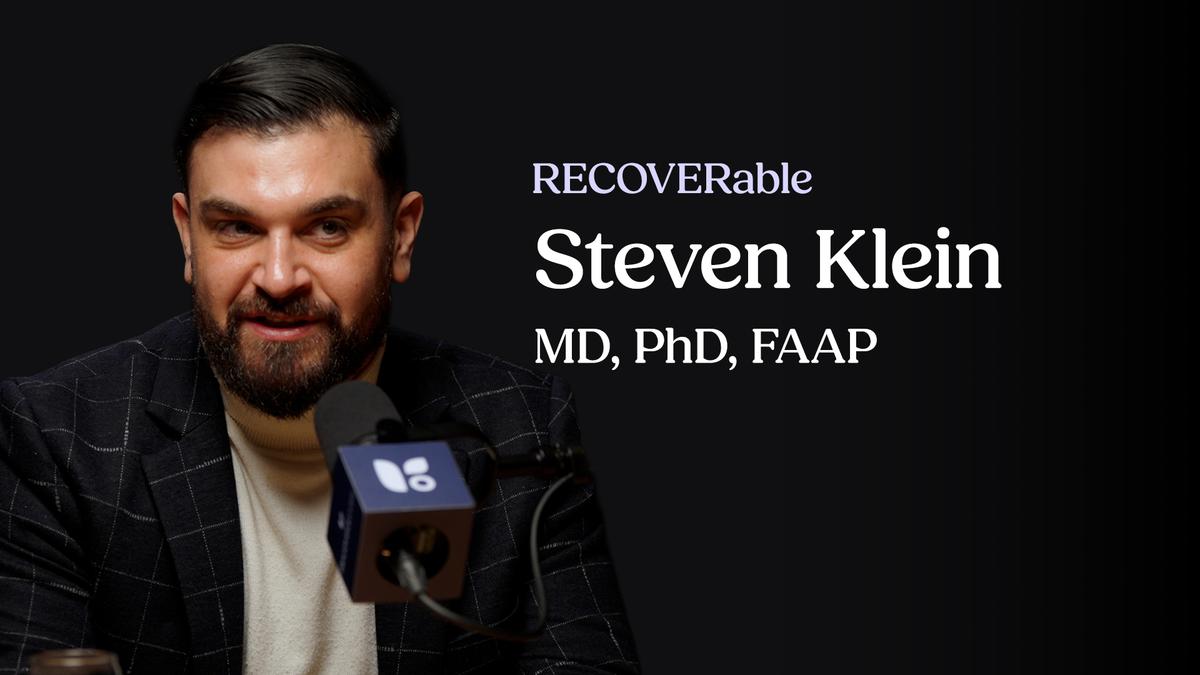
These are some of the internet's most searched questions, and they're exactly what addiction medicine physician Dr. Steven Klein tackles in this episode of Recoverable. Drawing on both his medical expertise and his own lived experience in recovery, Dr. Klein explains why opioid use disorder should be treated like any other serious medical condition, with evidence-based care instead of judgment.
Throughout the conversation, he challenges long-held misconceptions, explains how medications save lives, and reminds listeners that recovery isn't about taking shortcuts. It's about giving people the best chance to reclaim their health, their relationships, and their future.
Here are the biggest questions the episode answers.
1. What Are Medications for Opioid Use Disorder (MOUD)?
MOUD are proven medical treatments, not a last resort.
One of the first misconceptions Dr. Klein addresses is the terminology itself. Many people still use the phrase "medication assisted treatment," or MAT, but today's medical community increasingly uses MOUD, which stands for medications for opioid use disorder. The shift may seem small, but it reflects an important change in how addiction is viewed.
Rather than treating medication as simply an "assist," MOUD recognizes these medications as legitimate medical treatments for a serious disease. Dr. Klein emphasizes that medication is only one piece of recovery. Therapy, peer support, counseling, family involvement, and long-term care all remain essential parts of successful treatment.
Explore Opioids Treatment Centers
What medications are used to treat opioid use disorder?
Dr. Klein explains that there are three primary FDA-approved medications used today:
- Buprenorphine (Suboxone)
- Methadone
- Naltrexone
Each works differently, but all have one shared purpose, reducing overdose deaths and helping people regain stability.
Naltrexone blocks opioid receptors entirely, preventing opioids from producing their usual effects. Buprenorphine partially activates those receptors, reducing withdrawal symptoms and cravings without producing the same dangerous respiratory depression seen with opioids like heroin or fentanyl. Methadone, another effective option, remains widely used through specialized treatment programs.
2. Do Medications for Opioid Use Disorder Actually Work?
The evidence is overwhelming.
If there is one message Dr. Klein returns to repeatedly, it's this, the science is no longer up for debate.
The medications used to treat opioid addiction are among the most effective treatments in all of medicine. Buprenorphine dramatically reduces opioid cravings, lowers overdose risk, and keeps more people engaged in treatment than attempting recovery without medication.
One statistic especially stands out.
Dr. Klein explains that buprenorphine has a Number Needed to Treat (NNT) of roughly 2 to 3. In practical terms, for every two or three people who receive the medication, one experiences a meaningful clinical benefit. Compared to many common medications used across healthcare, those are extraordinary results.
Is the goal simply abstinence?
The answer is more nuanced than many people expect.
Dr. Klein explains that the first goal of treatment isn't simply checking a box labeled "abstinence." The first priority is preventing overdose and saving lives. From there, treatment helps people regain agency, reconnect with family, return to work, and begin addressing the deeper causes of addiction.
He describes agency as the ability to once again make decisions that align with your own values instead of decisions driven by withdrawal or cravings. That shift often marks the beginning of lasting recovery.
3. Is Taking Suboxone Just Replacing One Addiction With Another?
This is one of the biggest myths in addiction treatment.
Few questions generate more controversy online than whether someone taking Suboxone is "really sober."
Dr. Klein doesn't hesitate with his answer.
He believes this stigma keeps people from receiving life-saving treatment. While buprenorphine is technically an opioid, it behaves very differently than heroin or fentanyl. It activates opioid receptors only partially, significantly reducing cravings while making overdose far less likely. More importantly, it allows people to rebuild their lives instead of constantly chasing drugs.
He also points out that no one questions insulin for diabetes or chemotherapy for cancer. Yet addiction medicine is often judged by an entirely different standard because addiction itself remains deeply stigmatized.
Can someone on MOUD still be considered sober?
According to Dr. Klein, absolutely.
He rejects the idea that using evidence-based medication somehow invalidates recovery. Instead, he argues that accepting medical treatment often demonstrates enormous courage.
One of the most memorable moments comes when he connects medication with the first step in recovery.
Accepting help through medication can itself be an acknowledgment that you cannot overcome the disease entirely on your own.
Rather than weakening recovery, medication often creates the stability needed for therapy, relationships, spiritual growth, and lasting behavioral change. It's a tool, not a shortcut.
He continues by describing his patients as "heroic" and "incredibly courageous" for seeking treatment and using every available tool to survive a life-threatening illness.
4. Is Medication Alone Enough to Treat Opioid Addiction?
Medication treats the symptoms, recovery treats the person.
One of the most powerful distinctions Dr. Klein makes is between treating opioid use and treating addiction itself.
Medications like buprenorphine and naltrexone are incredibly effective at reducing cravings, preventing overdose, and helping people stabilize. But addiction rarely begins with the substance. It begins with something much deeper.
As Dr. Klein puts it, "Drugs and alcohol are not the answer, but they make us forget the question."
It's a simple statement that captures the heart of recovery. Drugs temporarily numb emotional pain, trauma, shame, anxiety, or disconnection, but they don't resolve those underlying issues. Once someone is medically stable, the real work begins.
Why do people develop addiction in the first place?
While every person's story is different, Dr. Klein says many addictions share a common thread, disconnection.
Sometimes that disconnection comes from trauma. Sometimes it comes from loneliness, identity struggles, grief, or emotional pain. Other times it's a gradual separation from ourselves, our families, or our sense of purpose.
He explains that addiction often flourishes in the space between who we truly are and who we believe we have to be. Healing means reconnecting those pieces.
That's why therapy, peer support, family involvement, and long-term recovery programs remain essential. Medication creates the stability to do that deeper work, it doesn't replace it.
5. Why Don't More People Use Medications That Save Lives?
Stigma is still one of the biggest barriers.
Despite decades of research proving their effectiveness, medications for opioid use disorder remain underused.
The biggest reason isn't that they don't work.
It's stigma.
Dr. Klein explains that many patients arrive already convinced they'll never take medications like Suboxone because they've heard they're "cheating," "not really sober," or simply replacing one addiction with another. Those beliefs often come from misunderstanding rather than science.
He compares refusing addiction medication because of stigma to refusing chemotherapy for cancer. Both involve serious illnesses. Both have evidence-based treatments. Yet addiction continues to be judged differently because society still treats it as a moral failing instead of a medical condition.
Are injectable medications changing recovery?
One of the most exciting developments discussed in the episode is the growing use of monthly injectable buprenorphine.
Instead of taking medication every day, patients can receive one injection each month. That dramatically simplifies treatment while improving adherence and reducing the daily reminders associated with addiction.
Dr. Klein believes injectables also help shift a patient's identity.
Rather than waking up every morning focused on medication, people are free to focus on rebuilding their lives. Recovery becomes less about managing a prescription and more about reconnecting with family, work, community, and purpose.
What should someone do if they're considering medication?
Dr. Klein's advice is compassionate and practical.
First, recognize the courage it has already taken to reach the point of asking for help. Then connect with a medical professional trained in addiction medicine who can explain every available treatment option.
Whether treatment begins in an outpatient clinic, a residential treatment center, or through a primary care physician, the important thing is simply taking that first step.
He reminds listeners that opioid use disorder is a life-threatening disease, not a character flaw. Like any serious illness, it deserves evidence-based care delivered without shame.
While medications for opioid use disorder remain the gold standard for treating opioid addiction, researchers are exploring whether other medications could complement these proven treatments. One of the most promising areas of research involves GLP-1 medications, drugs originally developed for diabetes and weight loss that may also help reduce cravings and support long-term recovery.
6. Can GLP-1 medications actually help treat addiction?
Early research points to yes, but they're not a standalone solution.
GLP-1 medications were originally developed for type 2 diabetes before becoming widely used for weight management. Researchers soon noticed another trend. Many patients also reported drinking less alcohol, smoking less, and experiencing fewer compulsive behaviors.
Those observations led to promising research. Studies have found about a 40% reduction in opioid cravings and alcohol consumption among participants taking GLP-1 medications. Additional research suggests these medications may also reduce cravings for nicotine and cocaine by targeting the brain's reward circuitry rather than a single substance.
Dr. Klein believes this could represent a major shift in addiction medicine. However, he emphasizes that GLP-1 medications don't replace recovery. They may simply make it easier for people to engage in therapy, peer support, and the work of building long-term recovery by reducing the intensity of cravings.
7. How do GLP-1 medications work for addiction?
They may turn down the volume on cravings.
Most people know GLP-1 medications help regulate blood sugar and slow digestion. But for addiction treatment, Dr. Klein says their greatest impact may be in the brain.
The brain's reward system contains GLP-1 receptors that appear to influence cravings and addictive behaviors. Animal research suggests these medications may help quiet that reward circuitry.
Instead of saying GLP-1 medications eliminate cravings, Dr. Klein compares them to a volume knob that turns down the mental noise. He experienced this first with "food noise," the constant thoughts about eating, dieting, and guilt that consumed his attention before treatment.
He also uses two memorable analogies. Before treatment, much of a person's emotional energy, or "tokens," is spent battling cravings. When those cravings quiet, that energy can be redirected toward recovery, relationships, and meaningful goals.
Perhaps his most powerful comparison is that addiction is like a record playing the same song over and over. GLP-1 medications may "lift the needle off the record" long enough for someone to learn a different song by building healthier habits and coping skills that support lasting recovery.
8. Which addictions could GLP-1 medications help treat?
Researchers are seeing promise across multiple substance use disorders.
One of the most exciting aspects of GLP-1 medications is that they don't appear to target just one addiction. Instead, they may reduce cravings across multiple substances by acting on the brain's reward system.
Dr. Klein points to observational studies involving hundreds of thousands of patients that have found encouraging results for alcohol use disorder, opioid use disorder, nicotine dependence, and cocaine use disorder. The strongest clinical evidence currently exists for alcohol use disorder, but research continues to expand across other substances.
Because these medications appear to influence the brain circuitry involved in craving itself, researchers hope they could become one of the first treatments effective across multiple substance use disorders rather than targeting a single drug.
Could GLP-1 medications also help behavioral addictions?
Possibly, although the research is still in its early stages.
Dr. Klein believes behaviors driven by the brain's dopamine reward system, including gambling and sex addiction, may also respond to GLP-1 medications. He shares that after starting treatment, he gradually lost interest in occasionally stopping at a casino to play blackjack, a change he hadn't intentionally tried to make.
While personal experiences don't prove effectiveness, they are helping researchers explore whether GLP-1 medications could one day play a role in treating behavioral addictions as well.
9. Are GLP-1 medications safe for addiction treatment?
The side effects are usually manageable, but important questions remain.
The most common side effects involve the digestive system, including nausea, vomiting, constipation, and slowed stomach emptying. Dr. Klein says these symptoms are often temporary and can usually be managed with dietary changes or over-the-counter treatments. Because lower doses may be used for addiction treatment than for obesity, side effects may also be less severe.
Some people also worry about depression or suicidal thoughts while taking GLP-1 medications. Dr. Klein says it's difficult to determine whether these symptoms are caused by the medication itself or whether losing a primary coping mechanism allows underlying mental health conditions to surface. Either way, he encourages patients to stay in close communication with their healthcare providers and seek support if their mood changes.
Are GLP-1 medications FDA approved for addiction?
Not yet.
Although the research is promising, the FDA has not approved GLP-1 medications for treating substance use disorders. Physicians can prescribe them "off label," a common practice in addiction medicine when evidence suggests a treatment may benefit patients.
Insurance coverage remains a major obstacle. Most insurers won't cover GLP-1 medications for addiction because that use hasn't been approved by the FDA. Dr. Klein hopes ongoing clinical trials will eventually lead to broader access and insurance coverage for people in recovery.
10. Could GLP-1 medications change the future of addiction treatment?
They may create an opportunity for recovery, not replace it.
Throughout the episode, Dr. Klein emphasizes that medications can reduce cravings, but they can't build recovery on their own. Lasting recovery still requires therapy, healthy relationships, peer support, and new coping skills. GLP-1 medications may simply make it easier to engage in that work by quieting the brain's reward system.
He also believes these medications could help reduce the stigma surrounding addiction. By treating addiction as a disease of the brain rather than a personal failure, GLP-1 medications may change how both healthcare providers and the public think about recovery.
While larger clinical trials are still needed, Dr. Klein is optimistic that GLP-1 medications will become an increasingly important part of addiction treatment. If future studies continue to show positive results, they could eventually be used alongside therapy and other evidence-based medications to help more people achieve lasting recovery.
Final Thoughts
As research continues to evolve, GLP-1 medications may become an important addition to the addiction treatment toolbox, not a replacement for existing therapies. For example, medications for opioid use disorder (MOUD), such as buprenorphine and methadone, remain the gold standard for treating opioid addiction and have saved countless lives by reducing cravings, preventing withdrawal, and lowering the risk of overdose. According to Dr. Steven Klein, GLP-1 medications could one day complement these treatments by helping quiet the brain's reward system and making it easier for people to engage in recovery.
Our Promise
How Is Recovery.com Different?
We believe everyone deserves access to accurate, unbiased information about mental health and recovery. That's why we have a comprehensive set of treatment providers and don't charge for inclusion. Any center that meets our criteria can list for free. We do not and have never accepted fees for referring someone to a particular center. Providers who advertise with us must be verified by our Research Team and we clearly mark their status as advertisers.
Our goal is to help you choose the best path for your recovery. That begins with information you can trust.