Find Treatment By
Rehabs by Location


Learn
About Us
Recovery.com combines independent research with expert guidance on addiction and mental health treatment. Our mission is to help everyone find the best path to recovery through the most comprehensive, helpful network of treatment providers worldwide.
Advisory Council
Our advisory council brings together leaders in behavioral health, technology, and business. Their diverse expertise ensures our resources and product are innovative, evidence-based, and effective. They guide our mission as accomplished individuals dedicated to improving the landscape of addiction recovery and mental wellness.
Fentanyl Miuse and Addiction: Risks and Symptoms


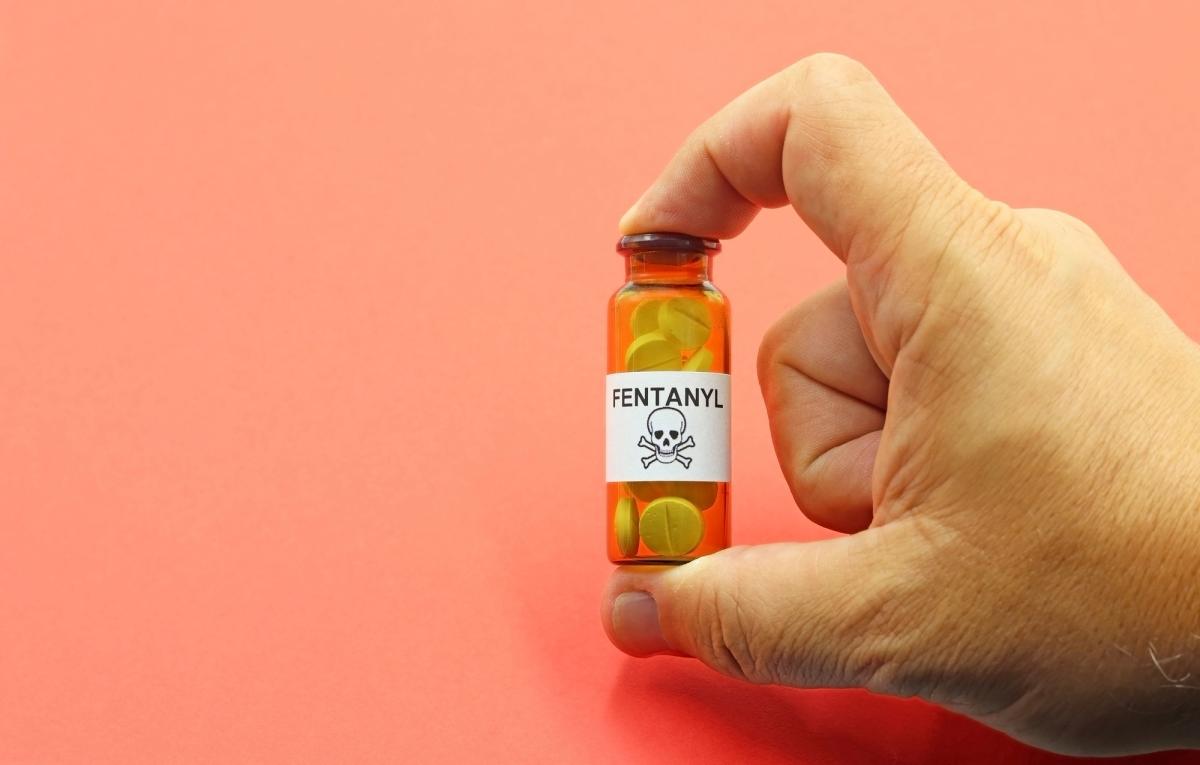
Fentanyl is a highly potent synthetic opioid substance that is 50 times stronger than heroin and 100 times stronger than morphine.1
Prescription fentanyl is often prescribed to treat severe pain, including cancer and post-surgical pain, as well as chronic pain in people who are tolerant to other opioids.2,3 Illicit fentanyl, which is manufactured illegally, is sold both on its own and within other substances, such as cocaine and crack cocaine, heroin, MDMA, counterfeit prescription pills, and methamphetamine, and its inclusion may be unbeknownst to the user.4
Unfortunately, both prescription and illicit fentanyl is often misused for its euphoric and pain-relieving effects, which can result in the development of opioid use disorder (OUD), the clinical term for opioid addiction.1
Effects of Fentanyl Misuse
The immediate, short-term effects of fentanyl misuse can range from being minor to deadly. These effects are similar to those of other opioids and can include:2
- Euphoria.
- Drowsiness.
- Nausea.
- Confusion.
- Constipation.
- Sedation.
- Breathing difficulty.
- Loss of consciousness.
When fentanyl is misused in higher doses and/or over longer periods of time, long-term effects can include:5
- Increased sensitivity to pain (hyperalgesia).
- Slow heart rate and low blood pressure.
- Heart failure.
- Cardiac arrest.
- Increased risk of infection.
- Increased likelihood of developing or exacerbating mental health issues.
Find The Perfect Treatment For You
Answer a few questions and we'll match you with the best options.
What Are You Struggling With?
What Kind of Care Do You Need?
What Insurance Do You Have?
Signs of Fentanyl Addiction
Fentanyl addiction is a chronic, relapsing disorder of the brain that occurs as a result of regular, repeated substance misuse.6 It is characterized by a number of criteria from the Diagnostic and Statistical Manual of Mental Disorders (DSM-5), including but not limited to:7
- Making several efforts or having a strong desire to stop using fentanyl but being unsuccessful at doing so.
- Continuing to use fentanyl despite the persistent social or interpersonal problems it creates.
- Repeatedly using fentanyl in situations where it is physically hazardous to do so.
- Using fentanyl to the extent where major responsibilities at home, work, are school are no longer being fulfilled.
- Experiencing intense cravings or withdrawal symptoms when decreasing or entirely ceasing fentanyl use.
While these points can help provide a stronger understanding of what you or a loved one might be going through, it is critical to seek a professional assessment from a qualified healthcare provider. They can determine the severity of the addiction and provide options for next steps.
Explore Opioids Treatment Centers
Why is Fentanyl So Dangerous?
Fentanyl is dangerous because it is a highly potent opioid, and people who use opioids are at increased risk of misuse, overdose, and addiction.8 Currently, fentanyl is the primary contributor to fatal and nonfatal drug overdoses in the U.S.2,4
It takes just a small amount of fentanyl to overdose. The Drug Enforcement Administration (DEA) reports that a lethal dose of fentanyl is around a mere two milligrams.7 Without testing, it’s nearly impossible to know whether fentanyl is included in an illicitly obtained pill or powder, increasing the potential for a life-threatening opioid overdose.9














Fentanyl Overdose
An overdose is a medical emergency that requires immediate intervention.2 If someone is overdosing, you should call 911 right away.2
Fentanyl overdose symptoms are similar to those of an opioid overdose, and include:10
- Unconsciousness or inability to awaken.
- Slow or shallow breathing or difficulty breathing.
- Choking sounds or gurgling/snoring noises from someone who cannot be awakened.
- Blue or purplish lips or fingernails.
- Small, pinpoint pupils or pupils that don’t react to light.
Naloxone for Fentanyl Overdose
Naloxone (Narcan) is a medication that can rapidly reverse the effects of an opioid overdose; it works by binding to opioid receptors, which blocks the effects of opioids.2 Naloxone must be promptly administered, and someone who is overdosing might require more than one dose for it to be effective.2
Naloxone can sometimes be obtained freely at community-based naloxone programs and syringe exchange programs. It is also available by prescription. Narcan was recently approved for over-the-counter sale and is widely available across the country.
Fentanyl Withdrawal
Repeated use of fentanyl or other opioids can result in dependence, which is a physiological adaptation resulting in withdrawal symptoms after someone abruptly cuts back or stops using an opioid, such as fentanyl.7
Fentanyl withdrawal symptoms are similar to other symptoms of opioid withdrawal and may include:7
- Dysphoric (low) mood or feelings of depression.
- Nausea or vomiting.
- Muscle aches.
- Teary eyes or runny nose.
- Dilated pupils, goosebumps, or sweating.
- Diarrhea.
- Yawning.
- Fever.
- Insomnia.
Medical Detox for Fentanyl
For many people, medical detox is the first step in the recovery process for an opioid use disorder.10 Detox can help you stay as comfortable and safe as possible during withdrawal, help you return to a medically stable and substance-free state, and facilitate your transition to ongoing treatment.11
During medical detox, you may receive different medications, such as buprenorphine, methadone, clonidine, or lofexidine, which can help ease withdrawal symptoms.12 Buprenorphine and methadone can be continued following detox, as well as during and after rehab treatment.13
Treatment for Fentanyl Addiction
The level of addiction treatment that will be best suited for you will be based on a number of factors, such as how long you have used fentanyl and how severe your addiction is.
Inpatient treatment provides 24/7 care in a residential setting. Here, you'll receive medical supervision, individual and group behavioral therapy, and support in a substance-free environment.14 Programs typically last from a few weeks to several months.14
Outpatient treatment, which can be offered at several different levels of intensity (such as partial hospitalization or intensive outpatient programs), allow you to live at home while attending therapy sessions and treatment appointments.14 These options work well for people with strong support systems or those transitioning from inpatient care.14
Supporting a Loved One
Watching someone you love struggle with fentanyl addiction can leave you feeling scared, frustrated, or completely helpless. If that's where you are right now, please know these feelings are valid. Addiction ripples through entire families, but you can offer meaningful support while also taking care of yourself—and taking care of yourself isn't selfish, it's essential.
Start by protecting your own well-being through adequate rest, regular meals, and movement. When you're ready to talk with your loved one, choose a calm moment when they're not under the influence. Speak honestly but without judgment, and really listen to validate their feelings.
Offer practical support like helping research treatment options, driving to appointments, or sitting with them during that first scary phone call. Consider family therapy—it's not just for them, it's for all of you. Professional guidance can help your entire family start healing together.
Harm Reduction Strategies
If you or a loved one are not ready or able to stop using fentanyl right now, that's okay—what matters is keeping you as safe as possible. Here are some harm reduction strategies that can help protect you:
- Always use with a trusted friend who carries naloxone and can get help in an emergency.
- Never use alone (this single step could save your life).
- Avoid mixing fentanyl with alcohol, benzodiazepines, or other depressants, as combining these substances dramatically increases your risk.
Additionally, fentanyl test strips are a simple tool that can give you critical information. They’re inexpensive, easy to use, and provide results in about five minutes. While they can't detect every dangerous substance out there, they can tell you if fentanyl is present, giving you a chance to make a more informed decision about what you're putting in your body.
Start Your Recovery Journey
If you’re ready to find addiction treatment for yourself or a loved one, we’re here to help. Browse top medical detox centers in the US, inpatient addiction treatment facilities, aftercare options, and more to start on the path to recovery. You can search for rehab by insurance carrier, location, amenities, and more for free. Don’t wait. Get help today.
FAQs
Fentanyl is far more potent than heroin or morphine, which means even a very small amount can slow breathing enough to be fatal. Because the line between a “dose” and an overdose is so thin, people often overdose without realizing they’re at risk, especially when fentanyl is mixed into other drugs unknowingly.
Yes. Even when used exactly as prescribed, fentanyl can quickly lead to tolerance and physical dependence due to how powerfully it affects the brain. This risk is higher for people with chronic pain, mental health conditions, or a history of substance use.
Signs can include extreme drowsiness, slowed or shallow breathing, pinpoint pupils, mood changes, secrecy, and continuing to use despite harmful consequences. Psychological symptoms like anxiety, depression, and intense cravings are also common and often worsen over time.
Fentanyl is often added to drugs like heroin, cocaine, or counterfeit pills because it’s inexpensive and increases potency. Many people are exposed without their knowledge, which dramatically raises the risk of accidental overdose even among experienced users.
Evidence shows that medication-assisted treatment combined with therapy offers the best outcomes. Medications like methadone, buprenorphine, or naltrexone can reduce cravings and withdrawal symptoms, while counseling helps address the emotional and behavioral side of recovery.





Our Promise
How Is Recovery.com Different?
We believe everyone deserves access to accurate, unbiased information about mental health and recovery. That's why we have a comprehensive set of treatment providers and don't charge for inclusion. Any center that meets our criteria can list for free. We do not and have never accepted fees for referring someone to a particular center. Providers who advertise with us must be verified by our Research Team and we clearly mark their status as advertisers.
Our goal is to help you choose the best path for your recovery. That begins with information you can trust.