Find Treatment By
Rehabs by Location


Learn
About Us
Recovery.com combines independent research with expert guidance on addiction and mental health treatment. Our mission is to help everyone find the best path to recovery through the most comprehensive, helpful network of treatment providers worldwide.
Advisory Council
Our advisory council brings together leaders in behavioral health, technology, and business. Their diverse expertise ensures our resources and product are innovative, evidence-based, and effective. They guide our mission as accomplished individuals dedicated to improving the landscape of addiction recovery and mental wellness.
Can Ketamine and MDMA Improve Mental Health? 10 Expert Answers on the Internet’s Most Searched Psychedelic Therapy Questions


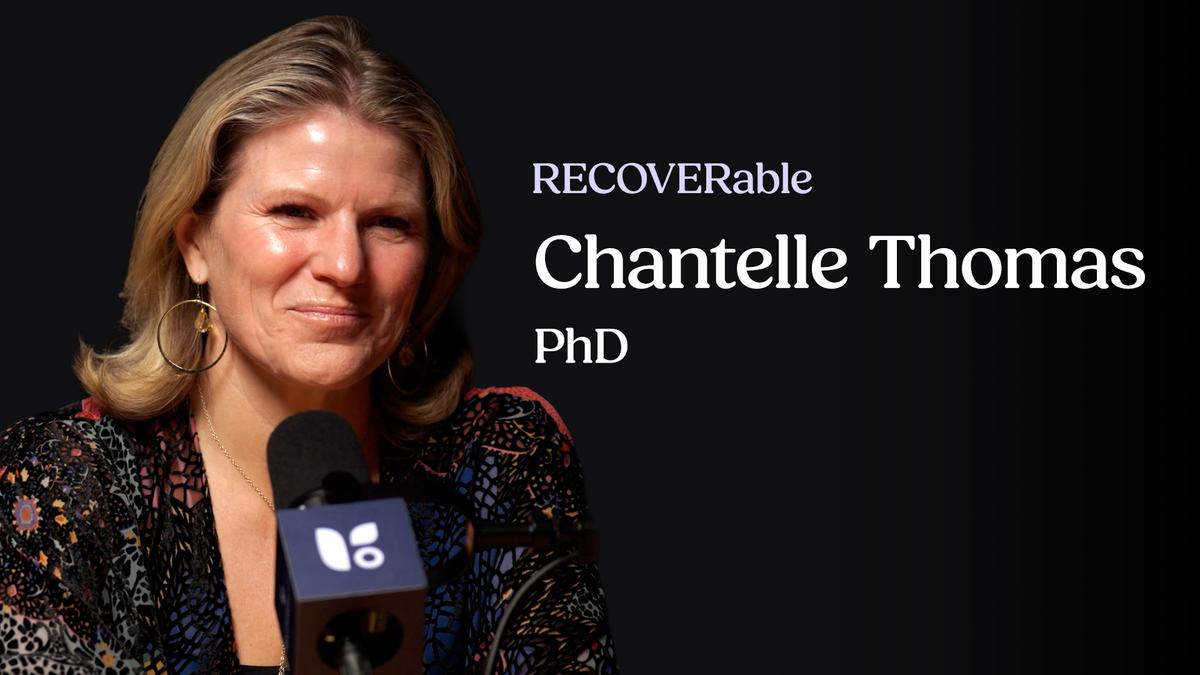
Psychedelic-assisted therapy has generated enormous interest as researchers continue exploring new ways to treat depression, PTSD, and trauma. While ketamine and MDMA have received significant attention, they are often misunderstood, especially when compared to recreational drug use.
In this episode of Recoverable, clinical psychologist and research facilitator Dr. Chantelle Thomas explains how ketamine and MDMA may help some people heal, why therapy is essential to the process, and what anyone considering these treatments should know before getting started.
1. What Is Psychedelic-Assisted Therapy?
It's about much more than the drug.
Psychedelic-assisted therapy combines a psychedelic or psychedelic-like substance with structured psychotherapy. Rather than simply taking a drug, treatment involves careful preparation, medical screening, therapeutic support during the experience, and follow-up care afterward.
Dr. Thomas describes these substances as "nonspecific amplifiers." Instead of creating one predictable effect, they amplify a person's internal world, including thoughts, emotions, memories, and sensations, as well as their external environment.
This is why therapists emphasize set and setting. "Set" refers to a person's mindset, expectations, and emotional state, while "setting" refers to the environment and the people supporting the experience.
How Is Therapeutic Use Different From Recreational Use?
In recreational settings, people may not know exactly what they're taking or how much. Therapy is intentionally different.
Clinical treatment uses carefully measured doses in a controlled environment with trained professionals. Participants are encouraged to focus inward, often using eye shades and music, rather than external stimulation. Preparation beforehand and integration afterward are just as important as the treatment itself.
2. What Is Ketamine-Assisted Therapy?
Ketamine may create a window for healing.
Ketamine is a dissociative anesthetic that has been used medically for decades. More recently, researchers have discovered it can rapidly reduce depressive symptoms, sometimes within hours rather than the weeks traditional antidepressants often require.
Unlike most antidepressants, ketamine primarily affects the brain's glutamate system rather than serotonin.
Dr. Thomas says many people describe depression as a crushing heaviness. Following ketamine treatment, some report feeling lighter, more emotionally present, and mentally clearer.
"It feels like a reset," is one description she frequently hears.
Not everyone responds, however, and relief may last anywhere from several days to several months.
What Is the Difference Between Ketamine Infusions and Ketamine-Assisted Psychotherapy?
Infusion clinics generally focus on ketamine's biological effects, hoping the medication itself reduces depressive symptoms.
Ketamine-assisted psychotherapy (KAP) also uses the person's experience during treatment as part of therapy. Thoughts, emotions, memories, or imagery that emerge become material to explore with a trained therapist.
Afterward comes integration, or the process of making sense of the experience and applying those insights to everyday life. According to Dr. Thomas, this often determines whether improvements are lasting.
Explore Ketamine Therapy Treatment Centers
3. What Conditions Can Ketamine Therapy Treat?
Depression has the strongest research support.
Ketamine has been studied most extensively for depression, particularly treatment-resistant depression. For some people who haven't improved with traditional antidepressants, it offers another option.
Growing research also suggests ketamine may help treat:
- Post-traumatic stress disorder (PTSD)
- Alcohol use disorder
- Cocaine use disorder
- Opioid use disorder
- Trauma-related conditions
Studies have even found reduced cravings and relapse rates when ketamine is combined with addiction treatment.
Research for obsessive-compulsive disorder (OCD) is still limited, despite some clinics advertising ketamine for OCD.
What Does Ketamine Feel Like?
The experience depends on the dose, method of administration, and the individual.
Lower doses may create feelings of warmth, relaxation, floating, vivid imagery, or emotional openness.
Higher doses can temporarily alter a person's perception of time, space, and even their sense of self. Some people revisit autobiographical memories, while others experience abstract imagery or unusual sensory changes.
Dr. Thomas notes that ketamine often produces these altered states with less fear than some classic psychedelics because of its anxiety-reducing effects.
4. What Are the Risks of Ketamine Therapy?
A challenging experience doesn't mean treatment failed.
Ketamine has a relatively strong medical safety profile when used appropriately, but psychological risks remain.
Some people experience difficult emotions or traumatic memories. Others feel disappointed if they don't respond or if the benefits fade quickly.
Dr. Thomas also cautions that ketamine can uncover unresolved trauma that someone may not be prepared to process without therapeutic support.
Another concern is misuse. Someone who experiences dramatic relief may begin chasing the drug's effects instead of using that period of improvement to build lasting psychological change.
How Many Ketamine Treatments Are Needed?
Treatment plans vary.
Many infusion clinics recommend six treatments over two to three weeks to maximize ketamine's antidepressant effects.
Ketamine-assisted psychotherapy may use far fewer sessions, spaced months apart, because the emphasis is on therapeutic processing rather than repeated dosing.
The right schedule depends on the individual, their diagnosis, and the treatment approach.
5. What Is MDMA-Assisted Therapy?
MDMA is paired with intensive trauma therapy.
MDMA-assisted therapy has been studied primarily for PTSD.
Unlike recreational use, clinical research combines MDMA with months of psychotherapy, including extensive preparation, therapist-guided dosing sessions, and follow-up integration.
Dr. Thomas explains that MDMA appears to help people feel safer while confronting traumatic memories. Instead of avoiding painful experiences, participants often develop greater capacity to stay present with them.
That doesn't make the work easy.
Many participants described it as some of the hardest work they'd ever done, but also some of the most meaningful.
Is MDMA-Assisted Therapy Safe?
Although clinical trials have shown promising results, MDMA-assisted therapy has not yet received FDA approval for PTSD treatment.
Participants in research studies undergo extensive medical and psychological screening, including cardiovascular evaluations, medication reviews, and preparation sessions before treatment begins.
Dr. Thomas believes the greatest psychological safety comes from experienced clinicians, thoughtful preparation, strong support systems, and careful integration afterward.
She encourages anyone considering psychedelic-assisted therapy to ask providers important questions, including:
- What happens if treatment doesn't work?
- What support is available afterward?
- How are difficult experiences handled?
- What training do the clinicians have?
These conversations help set realistic expectations and ensure people understand both the benefits and the risks.
6. Is Psilocybin Therapy Safe?
Safety depends on more than the drug.
One of the biggest misconceptions about psychedelic therapy is that it is either completely safe or completely dangerous.
Dr. Thomas argues that the real answer is much more nuanced.
Physically, psilocybin has demonstrated a strong safety profile in carefully controlled research settings among appropriately screened participants. Researchers generally do not consider it toxic to major organs, and studies have found relatively few serious medical complications in healthy individuals.
However, she also notes that certain medical conditions, including cardiovascular issues such as uncontrolled hypertension may increase risk, underscoring why medical screening remains an essential part of responsible psychedelic care.
But psychological safety is another matter.
A psilocybin experience can surface painful memories, intense emotions, existential questions, or experiences that participants find frightening.
Some people describe feelings of ego dissolution, where their normal sense of identity temporarily fades. For some, that experience feels liberating. For others, it can feel terrifying.
Thomas believes these possibilities deserve far more discussion than they often receive.
7. Can Psilocybin Help Treat Addiction?
Researchers are seeing potential, but recovery still takes work.
Clinical trials have investigated psilocybin for nicotine dependence, alcohol use disorder, opioid use disorder, and methamphetamine use disorder. While depression currently has the strongest body of evidence, addiction research continues to expand as scientists explore where psychedelic-assisted care may fit alongside existing treatment approaches.
Dr. Thomas acknowledges that many people report profound experiences that permanently change how they view substances or themselves. However, she stresses that addiction is a complex, deeply ingrained condition that rarely disappears after one transformative experience.
Instead, she describes psychedelic experiences as creating opportunities for change. Recovery still depends on what happens afterward, including behavioral changes, ongoing therapy, community support, and the choices people make once they return to everyday life.
For Thomas, psychedelic compounds may help open a door, but individuals still have to walk through it.
8. What Is Ibogaine?
Ibogaine is a very different compound with different risks.
Although psilocybin receives most of the attention, the episode also explores ibogaine, another psychedelic compound currently generating significant interest for addiction treatment.
Dr. Thomas is careful to explain that ibogaine is not her primary area of expertise, but she summarizes what current research suggests.
Unlike psilocybin, which primarily affects serotonin receptors, ibogaine interacts with multiple neurotransmitter systems, including dopamine, glutamate, opioid receptors, and serotonin.
Researchers are particularly interested in ibogaine because of its potential role in opioid withdrawal.
Thomas explains that some treatment centers outside the United States use ibogaine during medically supervised withdrawal, with reports suggesting it may dramatically shorten or lessen withdrawal symptoms for some individuals.
However, she repeatedly emphasizes that research remains limited, and many of these treatment programs operate outside the U.S. healthcare system.
9. Is Ibogaine Safe?
Potential benefits come with serious medical risks.
If Dr. Thomas urges caution anywhere in the episode, it is when discussing ibogaine.
Unlike psilocybin, ibogaine carries known cardiac risks.
She explains that ibogaine can affect heart rhythm, requiring continuous medical monitoring during treatment. Because of these risks, it should never be viewed as simply another psychedelic experience.
Stories of deaths occurring at poorly monitored retreat centers reinforce the need for careful screening and medical oversight.
Thomas also worries about the lack of consistent regulation outside clinical research settings.
She encourages anyone considering treatment abroad to carefully investigate a program's medical protocols, emergency procedures, staff qualifications, and long-term follow-up before making any decisions.
Rather than recommending that people travel internationally for ibogaine treatment, Thomas believes patients should wait until ongoing U.S. research provides clearer evidence regarding safety and effectiveness.
New research initiatives, including state-funded studies and increased federal interest, suggest ibogaine may receive significantly more scientific attention over the coming years.
10. What Does the Future of Psychedelic Therapy Look Like?
It looks like hope, but with a healthy dose of skepticism.
As public acceptance grows, Dr. Thomas is optimistic about the future of psychedelic research.
She believes these compounds could eventually become valuable tools within mental healthcare, particularly for people who have not responded to conventional treatments.
At the same time, she worries about oversimplification.
Modern healthcare often seeks quick solutions, while psychedelic experiences are anything but simple.
Their effects depend on the individual, their history, the therapeutic environment, and what happens long after the drug itself has left the body.
Dr. Thomas believes reducing these experiences to headlines about miracle cures risks creating unrealistic expectations and ultimately disappointing patients.
Instead, she encourages curiosity.
People interested in psychedelic-assisted therapy should educate themselves from balanced sources, learn about both the potential benefits and the risks, and avoid anyone who presents these compounds as universally safe or universally effective.
Final Thoughts
Research on psilocybin and ibogaine is moving quickly, offering new possibilities for treating depression, addiction, and other mental health conditions. Yet throughout the conversation, Dr. Thomas consistently returns to the same message: these compounds deserve both excitement and caution.
Rather than viewing psychedelics as miracle cures, she encourages people to understand them as powerful tools that require thoughtful preparation, professional guidance, and meaningful integration. The experience itself may open the door, but lasting change depends on what happens after the session ends.
Our Promise
How Is Recovery.com Different?
We believe everyone deserves access to accurate, unbiased information about mental health and recovery. That's why we have a comprehensive set of treatment providers and don't charge for inclusion. Any center that meets our criteria can list for free. We do not and have never accepted fees for referring someone to a particular center. Providers who advertise with us must be verified by our Research Team and we clearly mark their status as advertisers.
Our goal is to help you choose the best path for your recovery. That begins with information you can trust.