Pavillon

Verified Center

This provider's information has been quality-checked by Recovery.com's Research Team for accuracy and completeness, including center verification through appropriate third-party organizations.

Substance Use

Treatment Focus

This center treats substance use disorders and co-occurring mental health conditions. Your treatment plan addresses each condition at once with personalized, compassionate care for comprehensive healing.

Residential

Primary Level of Care

Offering intensive care with 24/7 monitoring, residential treatment is typically 30 days and can cover multiple levels of care. Length can range from 14 to 90 days typically.

4.3
(107)
Insurance

Provider's Policy

Pavillon’s residential program is in-network with Cigna and works with most out-of-network private insurance companies. They do not participate in Medicare, Medicaid, or TRICARE programs.

Pavillon is a private, nonprofit, residential and outpatient substance use disorder treatment center with a mission to bring hope, healing, and lasting recovery to individuals and families who suffer from addictions, and related co-occurring disorders. Whether someone is struggling with alcohol, substances, or a dual diagnosis with mental health issues, the care at Pavillon starts with a medical detox that’s supportive enough to stand on its own. From there, they dive into a 6-week residential program to produce real change, with the option to transition into another six weeks of extended care.

Reconnect with Body, Mind, and Spirit

The real difference at Pavillon is that they don’t treat people like a diagnosis to be solved. They use heavy-hitting clinical expertise and have a very down-to-earth, human way of looking at things. Instead of just trying to stop a habit, the team works on addressing the whole person—body, mind, and spirit. At Pavillon, people start building a life they want to be present for.

Reset in the Foothills

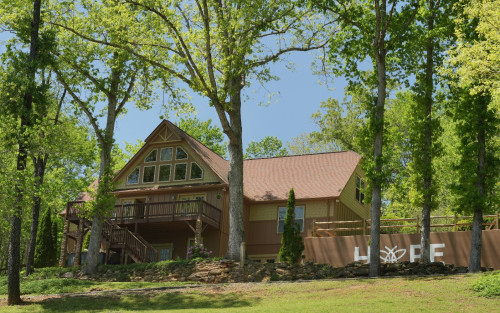
The campus in the Blue Ridge foothills feels like a quiet mountain retreat. Between the executive chef’s famous shrimp and grits and rooms with balconies overlooking a waterfall, the environment supports the hard work of recovery. Clients can hit the trails, get a massage, and bond with a roommate. Everything from their 24-hour smoked meats to meditation in the Serenity Room with their spiritual director helps people get back to themselves.

Always Have a Home Base

Aftercare at Pavillon is for a lifetime, and staying connected starts with virtual check-ins 30 days after leaving to keep that momentum going. For a true reset, alumni can head back to the mountain house after 90 days. It’s a chance to wake up to waterfalls, grab a meal with old friends, and talk with counselors.


Pavillon thumbnail

Highlights from the Center

Highlights

These highlights are provided by and paid for by the center.

  • Nature Lovers

  • Master's Level Therapists

  • 12-Step Approach

  • 100+ Acre Grounds

AT A GLANCE

Center Overview

Location
241 Pavillion Pl., Mill Spring, NC 28756 View Map
Primary Focus
This center treats substance use disorders and co-occurring mental healt...

Treatment Focus

This center treats substance use disorders and co-occurring mental health conditions. Your treatment plan addresses each condition at once with personalized, compassionate care for comprehensive healing.

Accreditation
CARF

CARF Accredited

CARF stands for the Commission on Accreditation of Rehabilitation Facilities. It's an independent, non-profit organization that provides accreditation services for a variety of healthcare services. To be accredited means that the program meets their standards for quality, effectiveness, and person-centered care.

Typical Program Length
42 days
Founded in 1996
30 years in business
Occupancy
50+ beds
Conditions We Treat
ADHD, ADD, Anger, Anxiety, Bipolar +14 More
Substance Use We Treat
Alcohol, Benzodiazepines, Chronic Relapse, Co-Occurring Disorders +13 More
Testimonial
Pavillon is one of the MOST trusted treatment centers I've ever come across for addiction recovery in the mental health industry! I've never been so blown away by the care of their clinical team. I highly recommend them for anyone looking for inpatient, residential care for someone looking to heal from their substance use addiction!
A
Amber
How to pay

Insurance Accepted

Cigna
Not Accepted
Not Accepted
Provider's Policy: Pavillon’s residential program is in-network with Cigna and works with most out-of-network private insurance companies. They do not participate in Medicare, Medicaid, or TRICARE programs.
(888) 603-5331
Private Pay Option

Cash Pay Rates

Estimated Cash Pay Rate

Center pricing can vary based on program and length of stay. Contact the center for more information. Recovery.com strives for price transparency so you can make an informed decision.

If you are not using insurance, the pricing listed below is an estimate of the cash pay rate.
42 days
$34,860
(888) 603-5331
Put the Family Back Together
Addiction often reshapes the whole family’s world. This program gives everyone a seat at the table to unpack the chaos and start healing together. By learning the "why" behind the struggle and practicing healthy boundaries, families can start rebuilding real, lasting trust.
Find a Bridge between Healing and a Life That Sticks
For those navigating relapses or deep trauma, extended care offers a 5:1 counselor ratio and intensive therapies like equine work and weekly psychodrama. Through therapeutic leaves and scheduled re-engagement visits, clients practice real-world skills while staying supported.
Trust a Proven Path
Trust a Proven Path
Pavillon has stuck to the same model for 30 years because it works. Since there are no stockholders to please, every dollar goes right back into scholarships and client care. The clinical team meets people where they are, making decisions based on what’s best for them, not the bottom line.
Walk toward Meaning and Healing
At Pavillon, spirituality is about getting grounded. Whether it’s walking the labyrinth, working with a spiritual director, or finding peace under the trees, clients learn to reconnect with whatever gives them meaning. They define their own higher power and move from feeling empty to feeling plugged back into their lives.

Recovery.com Verified Listing

Recovery.com verified that the name, location, contact information and license to operate for this treatment provider are valid and up-to-date.
CARF Accredited

CARF Accredited

Licensed by North Carolina

Licensed by North Carolina

NAATP Member

NAATP Member

Recovery.com is an independent, third-party mental health resource. Verification does not imply endorsement and does not guarantee the quality of treatment services.

Staff

Meet Your Care Team

Michael Wilkerson

Michael Wilkerson

Medical Director

Brian Coon

Brian Coon

Chief Clinical Officer

Brady Shroer

Brady Shroer

Addiction Psychiatrist

Charlie Dennis

Charlie Dennis

Treatment Services Director
MEDICATION ASSISTED TREATMENT

Supportive Medication for Recovery

Medication-Assisted Treatment (MAT) is an evidence-based approach that pairs FDA-approved medications with counseling to treat addiction. The medications are used to reduce cravings, ease withdrawal symptoms, or block the effects of substances. More about MAT

Methadone

(Dolophine®, Methadose®)
Reduces opioid cravings
Not Available

Naltrexone

(Vivitrol®, Revia®)
Blocks opioid effects
Available

Buprenorphine

(Suboxone®, Subutex®, Sublocade®, Zubsolv®)
Eases opioid withdrawal
Available

Note: Treatment centers offer different forms of MAT—such as oral tablets, dissolvable films, or monthly injections—and their policies can vary based on state regulations, provider preferences, and insurance coverage. Because of these differences, it's best to contact the center directly to learn what options are available and what might be right for your situation.

Treatment

Your Care Options

Specializations

Spiritual Emphasis

Spiritual Emphasis

Spirituality connects patients to a higher power and helps strengthen their recovery, hope, and compliance with other treatment modalities.

Alcohol

Alcohol

Using alcohol as a coping mechanism, or drinking excessively throughout the week, signals an alcohol use disorder.

Detox

Detox

Detox fully and safely removes toxic substances from the body, allowing the next steps in treatment to begin with a clean slate.

Chronic Relapse

Chronic Relapse

Consistent relapse occurs repeatedly, after partial recovery from addiction. This condition requires long-term treatment.

Professionals

Professionals

Busy, high-ranking professionals get the personalized treatment they need with greater accommodations for work, privacy, and outside communication.

Twelve Step

Twelve Step

Incorporating spirituality, community, and responsibility, 12-Step philosophies prioritize the guidance of a Higher Power and a continuation of 12-Step practices.

Gender-Specific

Gender-Specific

Separate treatment for men or women can create strong peer connections and remove barriers related to trauma, shame, and gender-specific nuances.

Young Adults Program

Young Adults Program

Programs for young adults bring teens 18+ together to discuss age-specific challenges, vocational and educational progress, and successes in treatment.

Who We Treat

Men
Women
Older Adults

Older Adults

Addiction and mental health treatment caters to adults 55+ and the age-specific challenges that can come with recovery, wellness, and overall happiness.

Executives

Executives

Executive treatment programs typically directly support the needs of people who manage businesses and may provide flexible schedules and office space to allow work during treatment.

Young Adults

Young Adults

Emerging adults ages 18-25 receive treatment catered to the unique challenges of early adulthood, like college, risky behaviors, and vocational struggles.

Men and Women

Men and Women

Men and women attend treatment for addiction in a co-ed setting, going to therapy groups together to share experiences, struggles, and successes.

Midlife Adults

Midlife Adults

For adults ages 40+, treatment shifts to focus on the unique challenges, blocks, and risk factors of their age group, and unites peers in a similar community.

Professionals

Professionals

Busy, high-ranking professionals get the personalized treatment they need with greater accommodations for work, privacy, and outside communication.

Treatment Services

Concierge Treatment
Detox

Detox

Detox fully and safely removes toxic substances from the body, allowing the next steps in treatment to begin with a clean slate.

Detox (on-site with residential)

Detox (on-site with residential)

This is often the first step of addiction treatment. For many people, it's dangerous to detox without proper medical support.

Intensive Outpatient Program

Intensive Outpatient Program

In an IOP, patients live at home or a sober living, but attend treatment typically 9-15 hours a week. Most programs include talk therapy, support groups, and other methods.

Outpatient

Outpatient

During outpatient rehab, patients attend a structured treatment program while continuing to live at home.

Outpatient Therapy
Prescribes Medications for Alcohol Use Disorder

Prescribes Medications for Alcohol Use Disorder

The provider prescribes medications for addiction treatment, also known as Medication-Assisted Treatment (MAT), for alcohol use.

Prescribes Medications for Opioid Use Disorder

Prescribes Medications for Opioid Use Disorder

The provider prescribes medications for addiction treatment, also known as Medication-Assisted Treatment (MAT), for opioid use.

Residential

Residential

In a residential rehab program, patients live onsite, with access to daily treatment and 24-hour care. An average stay is 30-90 days.

Approaches

Evidence-Based

Evidence-Based

A combination of scientifically rooted therapies and treatments make up evidence-based care, defined by their measured and proven results.

Gender-Specific

Gender-Specific

Separate treatment for men or women can create strong peer connections and remove barriers related to trauma, shame, and gender-specific nuances.

Spiritual Emphasis

Spiritual Emphasis

Spirituality connects patients to a higher power and helps strengthen their recovery, hope, and compliance with other treatment modalities.

Twelve Step

Twelve Step

Incorporating spirituality, community, and responsibility, 12-Step philosophies prioritize the guidance of a Higher Power and a continuation of 12-Step practices.

Therapies

1-on-1 Counseling

1-on-1 Counseling

Patient and therapist meet 1-on-1 to work through difficult emotions and behavioral challenges in a personal, private setting.

1-on-1 Counseling with Clinical Psychologist
Acceptance and Commitment Therapy (ACT)

Acceptance and Commitment Therapy (ACT)

This cognitive behavioral therapy teaches patients to accept challenging feelings and make the appropriate changes to reach personal goals.

Acupuncture
Adventure Therapy

Adventure Therapy

This experiential approach uses the physical and emotional challenges of outdoor activities as tools for personal growth.

Animal Therapy

Animal Therapy

Animals can inspire trust and self-worth. In this experiential therapy, guided interactions are used to improve social skills and emotion regulation.

Art Therapy

Art Therapy

Visual art invites patients to examine the emotions within their work, focusing on the process of creativity and its gentle therapeutic power.

Cognitive Behavioral Therapy
Dialectical Behavior Therapy

Languages

English

Conditions We Treat

ADHD, ADD

ADHD, ADD

ADHD is a common mental health condition caused by dopamine imbalance. Common symptoms include inattention, hyperactivitiy, and impulsivity.

Anger

Anger

Although anger itself isn't a disorder, it can get out of hand. If this feeling interferes with your relationships and daily functioning, treatment can help.

Anxiety

Anxiety

Anxiety is a common mental health condition that can include excessive worry, panic attacks, physical tension, and increased blood pressure.

Bipolar

Bipolar

This mental health condition is characterized by extreme mood swings between depression, mania, and remission.

Burnout

Burnout

Burnout entails mental and physical exhaustion, and leads to a severe lack of fulfillment. This condition is often caused by overwork.

Chronic Pain Management

Chronic Pain Management

Long-term physical pain can have an affect on mental health. Without support, it can also impact your daily life and even lead to addiction.

Codependency

Codependency

Codependency is a pattern of emotional dependence and controlling behavior. It's most common among people with addicted loved ones.

Depression

Depression

Symptoms of depression may include fatigue, a sense of numbness, and loss of interest in activities. This condition can range from mild to severe.

Grief and Loss

Grief and Loss

Grief is a natural reaction to loss, but severe grief can interfere with your ability to function. You can get treatment for this condition.

Substances We Treat

Alcohol

Alcohol

Using alcohol as a coping mechanism, or drinking excessively throughout the week, signals an alcohol use disorder.

Benzodiazepines

Benzodiazepines

Benzodiazepines are prescribed to treat anxiety and sleep issues. They are highly habit forming, and their abuse can cause mood changes and poor judgement.

Chronic Relapse

Chronic Relapse

Consistent relapse occurs repeatedly, after partial recovery from addiction. This condition requires long-term treatment.

Co-Occurring Disorders

Co-Occurring Disorders

A person with multiple mental health diagnoses, such as addiction and depression, has co-occurring disorders also called dual diagnosis.

Cocaine

Cocaine

Cocaine is a stimulant with euphoric effects. Agitation, muscle ticks, psychosis, and heart issues are common symptoms of cocaine abuse.

Drug Addiction

Drug Addiction

Drug addiction is the excessive and repetitive use of substances, despite harmful consequences to a person's life, health, and relationships.

Ecstasy

Ecstasy

Ecstasy is a stimulant that causes intense euphoria and heightened awareness. Abuse of this drug can trigger depression, insomnia, and memory problems.

Heroin

Heroin

Heroin is a highly addictive and illegal opioid. It can cause insomnia, collapsed veins, heart issues, and additional mental health issues.

Ketamine

Aftercare

Drug Screening
Support Meetings
Recovery Retreats
Relapse Prevention Planning
Return Visits
Ability to Call a Counselor
Alumni Events & Get-Togethers
Follow-up Sessions (in-person)
Outpatient Treatment
Experience

Care Designed for Your Needs

Personal Amenities

Air-Conditioned Rooms
En Suite Bathroom
Allow Cell Phones
Private or Shared Rooms
Shared Bathroom

Amenities

Access to Nature
Fitness Center
Gardens
Gourmet Dining
Housekeeping
Laundry Service
Library
Chef-prepared Meals
Outdoor Lounge

Special Considerations

Dietary Accommodations
Healthy Meals are provided

Healthy Meals are provided

Great food meets great treatment, with providers serving healthy meals to restore nutrition, wellbeing, and health.

Family Program
Vegetarian
Young Adults Program

Young Adults Program

Programs for young adults bring teens 18+ together to discuss age-specific challenges, vocational and educational progress, and successes in treatment.

Wheelchair Accessible
Vegan
Gluten-Free
Flexible technology policies

Flexible technology policies

Centers with flexible technology policies allow professionals to stay in touch with work and give patients a greater sense of connection and normalcy.

Activities

Yoga

Yoga

Yoga is both a physical and spiritual practice. It includes a flow of movement, breathing techniques, and meditation.

AA/NA Meetings
Adventure Outings
Games
Hiking
Volleyball
Massage
Movies
Physical Fitness

Off-Site Activities

Bowling
Ropes Course
Swimming
Sightseeing
Hiking
Adventure Outings
Escape Room
Physical Fitness
Water Activities

Off-Site Amenities

Walking Trails
Access to Nature
Pool
Transportation Assistance

Smoking and Vaping Policy

Smoking Not Allowed
Vaping Not Allowed
Frequently Asked Questions

Further Research

While costs may vary due to program length and insurance benefits, it typically costs $34,860/42 days.

The following therapies are included: Cognitive Behavioral Therapy, Dialectical Behavioral Therapy, Motivational Interviewing, Eye Movement Desensitization and Reprocessing , Internal Family Systems, Psychodrama, Relapse Prevention, and more.

Mill Spring, North Carolina, United States.

Pavillon’s residential program is in-network with Cigna and works with most out-of-network private insurance companies. They do not participate in Medicare, Medicaid, or TRICARE programs.

The typical length is 42 days.