Pasadena Villa Great Lakes
Verified Center
This provider's information has been quality-checked by Recovery.com's Research Team for accuracy and completeness, including center verification through appropriate third-party organizations.
Treatment Focus
This center treats mental health conditions and co-occurring substance use. You receive collaborative, individualized treatment that addresses both issues for whole-person healing.
Primary Level of Care
Offering intensive care with 24/7 monitoring, residential treatment is typically 30 days and can cover multiple levels of care. Length can range from 14 to 90 days typically.
Treatment Focus
This center treats mental health conditions and co-occurring substance use. You receive collaborative, individualized treatment that addresses both issues for whole-person healing.
Primary Level of Care
Offering intensive care with 24/7 monitoring, residential treatment is typically 30 days and can cover multiple levels of care. Length can range from 14 to 90 days typically.
Provider's Policy
Pasadena Villa is in-network with Blue Cross Blue Shield of Michigan, Cigna, Aetna, Optum, Priority Health, Quest, and VA CCN. They also work in cooperation with certain insurance companies on an out-of-network basis to help reduce treatment costs and maximize benefits.
Pasadena Villa Great Lakes
About Pasadena Villa Great Lakes
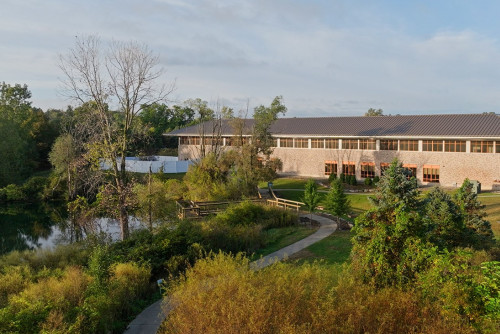
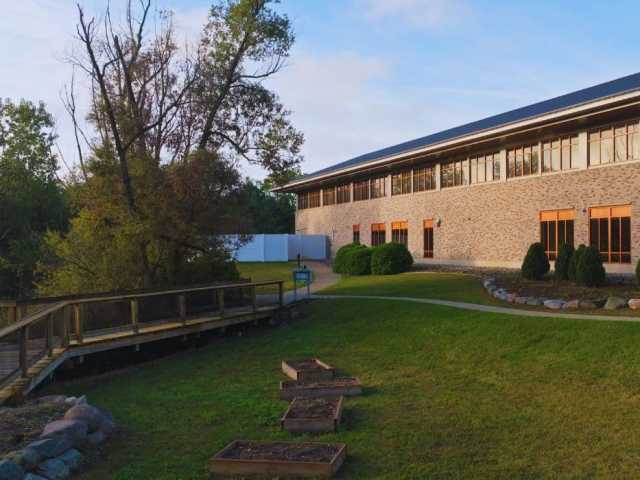
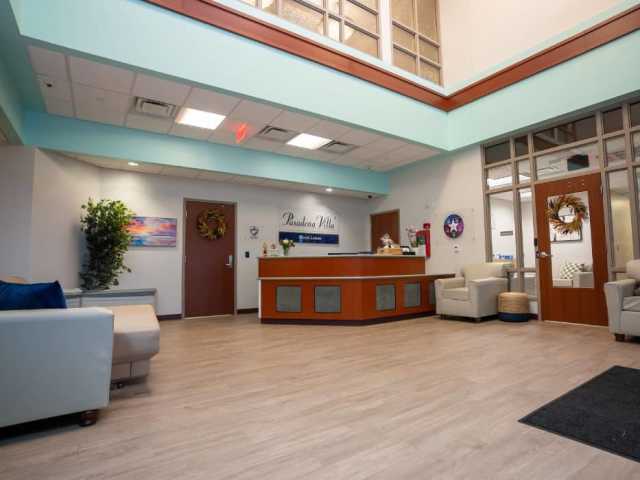
Set in Battle Creek, Michigan, Pasadena Villa Great Lakes provides 24-hour structured residential care, as well as partial hospitalization (PHP) and intensive outpatient (IOP) programs for adults. The campus features a modern aesthetic, water features, and walking trails, creating a calm setting where clients manage complex mental health conditions, including anxiety, trauma, obsessive-compulsive disorder (OCD), and autism spectrum disorder. This environment enables individuals to focus entirely on building vital daily habits and independent living skills.
Practice Skills For Daily Life
The staff uses a proprietary Social Integration Model to blend clinical treatment with real-time social practice, guiding clients as they apply skills in real-life situations. Through cognitive behavioral therapy (CBT), dialectical behavior therapy (DBT), and acceptance and commitment therapy (ACT), clients learn to reframe negative thoughts, regulate intense emotions, clarify personal values, and build practical coping skills for daily life.
Recharge in a Relaxing Setting
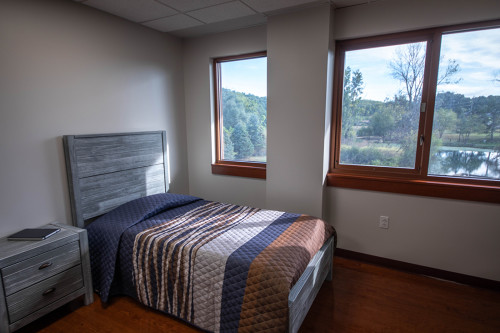
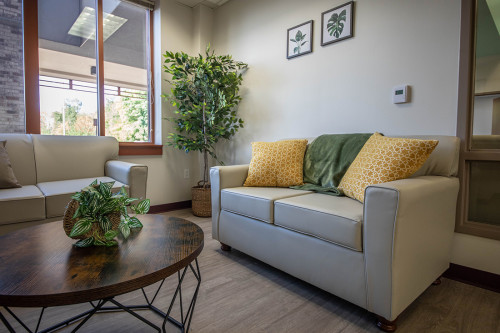
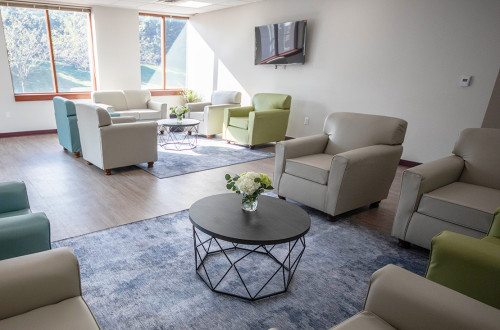
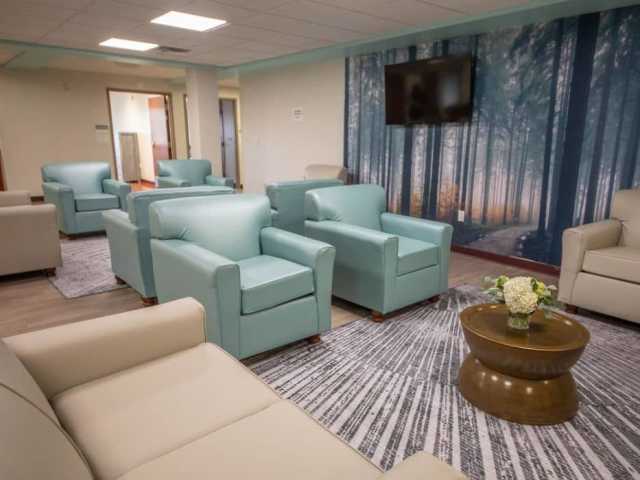
The Great Lakes facility provides modern, comfortable on-site housing for residential clients to ensure a safe, highly structured environment. Indoors, residents have access to a fully equipped fitness center, contemporary dining spaces, and comfortable, quiet lounges designed for recreation, personal reflection, and relaxation between clinical sessions. Outside, the campus features expansive deck seating and peaceful water elements that contribute to a calm atmosphere for healing.
Build Support for the Future
After officially graduating from treatment, clients join an active alumni network to maintain long-term wellness. The Pasadena Villa team hosts weekly peer-led support groups, regional alumni events, and ongoing family programming to reinforce recovery. This enduring connection ensures that once formal clinical care ends, individuals can navigate independent life alongside a permanent, dedicated safety net of peers and professionals who understand their journey.

Center Overview
Treatment Focus
This center treats mental health conditions and co-occurring substance use. You receive collaborative, individualized treatment that addresses both issues for whole-person healing.
Joint Commission Accredited
The Joint Commission accreditation is a voluntary, objective process that evaluates and accredits healthcare organizations (like treatment centers) based on performance standards designed to improve quality and safety for patients. To be accredited means the treatment center has been found to meet the Commission's standards for quality and safety in patient care.
Insurance Accepted


Recovery.com Verified Listing
Recovery.com verified that the name, location, contact information and license to operate for this treatment provider are valid and up-to-date.
Joint Commission Accredited
Licensed by Michigan
Recovery.com is an independent, third-party mental health resource. Verification does not imply endorsement and does not guarantee the quality of treatment services.
Meet Your Care Team
Blaire Zielke
Chief Executive Officer
LMSW, CAADC

John Kupfner
Medical Director
MD

Brigette Sitarski
Assistant Director of Clinical Services
LPC

Lauren LeBlanc
Therapist
LLMSW

Skye Bragagnini
Therapist
LLMSW

Elise Palmer
Therapist
LLPC

Tiffany Malory
Therapist
LPC

Leslie Sutfin
Case Manager

Katlin Hetzel
Recreation Therapist
MSW

Sydney Higgins
Recreation Therapist
CTRS

Ron DeLucas
Recreation Therapist
Your Care Options
Specializations
Bipolar
This mental health condition is characterized by extreme mood swings between depression, mania, and remission.
Co-Occurring Disorders
A person with multiple mental health diagnoses, such as addiction and depression, has co-occurring disorders also called dual diagnosis.
Depression
Symptoms of depression may include fatigue, a sense of numbness, and loss of interest in activities. This condition can range from mild to severe.
Drug Addiction
Drug addiction is the excessive and repetitive use of substances, despite harmful consequences to a person's life, health, and relationships.
Licensed Primary Mental Health
Some primary care providers offer mental health diagnosis and treatment. This can prevent patients from developing more serious conditions.
Who We Treat
Men and Women
Men and women attend treatment for addiction in a co-ed setting, going to therapy groups together to share experiences, struggles, and successes.
Treatment Services
Intensive Inpatient
The highest level of care, medically managed intensive inpatient services provides 24-hour nursing and physician care.
Licensed Primary Mental Health
Some primary care providers offer mental health diagnosis and treatment. This can prevent patients from developing more serious conditions.
Residential
In a residential rehab program, patients live onsite, with access to daily treatment and 24-hour care. An average stay is 30-90 days.
Approaches
Evidence-Based
A combination of scientifically rooted therapies and treatments make up evidence-based care, defined by their measured and proven results.
Personalized Treatment
The specific needs, histories, and conditions of individual patients receive personalized, highly relevant care throughout their recovery journey.
Therapies
1-on-1 Counseling
Patient and therapist meet 1-on-1 to work through difficult emotions and behavioral challenges in a personal, private setting.
Art Therapy
Visual art invites patients to examine the emotions within their work, focusing on the process of creativity and its gentle therapeutic power.
Cognitive Behavioral Therapy
Cognitive Behavioral Therapy helps people identify and change unhelpful thought patterns and behaviors that contribute to emotional distress.
Dialectical Behavior Therapy
Dialectical Behavior Therapy teaches skills for managing emotions, improving relationships, tolerating distress, and increasing mindfulness.
Experiential Therapy
With this approach, patients heal by doing. Therapists help patients process difficult emotions to speak, using guided activities like art or dance.
Family Therapy
Family therapy addresses group dynamics within a family system, with a focus on improving communication and interrupting unhealthy relationship patterns.
Group Therapy
Group therapy brings people together in a supportive setting to share experiences, develop skills, and work toward common goals.
Medication-Assisted Treatment
Combined with behavioral therapy, prescribed medications can enhance treatment by relieving withdrawal symptoms and focus patients on their recovery.
Music Therapy
Singing, performing, and even listening to music can be therapeutic. Music therapy sessions are facilitated by certified counselors.
Languages
Conditions We Treat
ADHD, ADD
ADD and ADHD are neurodevelopmental conditions that affect attention, focus, organization, and impulse control, often impacting daily life, school, work, and relationships.
Anxiety
Anxiety is a common mental health condition that can include excessive worry, panic attacks, physical tension, and increased blood pressure.
Bipolar
This mental health condition is characterized by extreme mood swings between depression, mania, and remission.
Depression
Symptoms of depression may include fatigue, a sense of numbness, and loss of interest in activities. This condition can range from mild to severe.
Neurodiversity
Neurodiversity recognizes natural variations in how people think, learn, and process information, including conditions such as autism, ADHD, and dyslexia.
Post Traumatic Stress Disorder
PTSD is a long-term mental health issue caused by a disturbing event or events. Symptoms include anxiety, dissociation, flashbacks, and intrusive thoughts.
Schizophrenia
Schizophrenia is a chronic mental health condition that can affect thinking, emotions, behavior, and perception of reality.
Trauma
Some traumatic events are so disturbing that they cause long-term mental health problems. Those ongoing issues can also be referred to as "trauma."
Substances We Treat
Alcohol
Using alcohol as a coping mechanism, or drinking excessively throughout the week, signals an alcohol use disorder.
Benzodiazepines
Benzodiazepines are prescribed to treat anxiety, insomnia, and seizures. They can be habit-forming and may cause drowsiness, memory problems, and dependence.
Co-Occurring Disorders
A person with multiple mental health diagnoses, such as addiction and depression, has co-occurring disorders also called dual diagnosis.
Cocaine
Cocaine is a stimulant with euphoric effects. Agitation, muscle ticks, psychosis, and heart issues are common symptoms of cocaine use.
Drug Addiction
Drug addiction is the excessive and repetitive use of substances, despite harmful consequences to a person's life, health, and relationships.
Ecstasy
Ecstasy is a stimulant that causes intense euphoria and heightened awareness. Use of this drug can trigger depression, insomnia, and memory problems.
Heroin
Heroin is a highly addictive opioid that produces feelings of euphoria and relaxation. Its use carries serious risks, including overdose and dependence.
Methamphetamine
Methamphetamine is a powerful stimulant that increases energy and alertness. Repeated use can lead to addiction and significant physical and mental health risks.
Opioids
Opioids produce pain-relief and euphoria, which can lead to addiction. This class of drugs includes prescribed medication and the illegal drug heroin.
Learn More About the Center
Treatment Outcomes
See the Pasadena Village’s recent treatment outcomes.
Beyond Trauma Program
Discover how Pasadena Villa personalized treatment to help women heal from trauma.
Alumni Testimonials
Read testimonials from alumni at Pasadena Villa.
What’s Social Integration?
Pasadena Villa explains what social integration is, why it’s important, and their social integration model of treatment.