All CentersLakeside Behavioral Health - St. Louis

Lakeside Behavioral Health - St. Louis

Mental Health

Treatment Focus

This center treats mental health conditions and co-occurring substance use. You receive collaborative, individualized treatment that addresses both issues for whole-person healing.

Outpatient

Primary Level of Care

Outpatient treatment offers flexible therapeutic and medical care without the need to stay overnight in a hospital or inpatient facility. Some centers offer intensive outpatient program (IOP), which falls between inpatient care and traditional outpatient service.

Unclaimed

This provider hasn't verified their profile's information. Are you the owner of this center? Claim your listing to better manage your presence on Recovery.com.

Insurance

Insurance Accepted

This center accepts insurance, exact cost can vary depending on your plan and deductible.

Designed for people who need consistent, structured outpatient mental health care in their daily lives, Lakeside Behavioral Health provides responsive and accessible services in St. Louis, Missouri. Their clinic is located near major transit routes and South County Mall, making it easier for working professionals to attend psychiatry or therapy appointments without disrupting their day. With same-day or next-day availability, they focus on helping individuals begin care quickly, at the point when support is most needed.

A Connected System That Adjusts With You

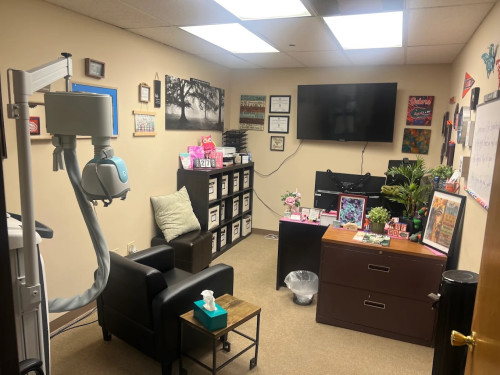
Lakeside Behavioral Health brings outpatient psychiatry, individual therapy, deep transcranial magnetic stimulation (TMS), and a fully virtual intensive outpatient program (IOP) into one coordinated system. Care is not fixed, as providers stay aligned and adjust treatment based on how individuals are progressing week to week. Psychiatry supports medication stability through regular follow-ups, while therapy addresses patterns tied to depression, anxiety, trauma, and obsessive compulsive disorder (OCD) in ways that translate into everyday situations.

Structure, Flexibility, and Ongoing Support

Virtual IOP adds structure through scheduled morning sessions, creating a steady starting point to the day while leaving space for work and responsibilities. The in-person clinic supports evaluations and treatments like deep TMS while also anchoring virtual care across Missouri. For those managing both mental health and substance use, dual diagnosis care is integrated into the same plan. Lakeside Behavioral Health also supports military members and first responders with local access and Tricare-supported care, helping individuals stay engaged in treatment, maintain stability in daily life, and make adjustments to care over time as needed.

AT A GLANCE

Center Overview

Location
4121 Union Rd Suite 201, St. Louis, MO 63129 View Map
Primary Focus
This center treats mental health conditions and co-occurring substance u...

Treatment Focus

This center treats mental health conditions and co-occurring substance use. You receive collaborative, individualized treatment that addresses both issues for whole-person healing.

Accreditation
CARF

CARF Accredited

CARF stands for the Commission on Accreditation of Rehabilitation Facilities. It's an independent, non-profit organization that provides accreditation services for a variety of healthcare services. To be accredited means that the program meets their standards for quality, effectiveness, and person-centered care.

Founded in 2016
10 years in business
Conditions We Treat
ADHD, ADD, Anxiety, Bipolar, Burnout +11 More
Substance Use We Treat
Alcohol, Benzodiazepines, Co-Occurring Disorders, Drug Addiction +5 More
Lakeside Behavioral Health - St. Louis logo
lakesidebh.com
Are you the owner of this center? Claim it
Private Pay Option

Cash Pay Rates

Estimated Cash Pay Rate

Center pricing can vary based on program and length of stay. Contact the center for more information. Recovery.com strives for price transparency so you can make an informed decision.

We don't have pricing information for this center. Please contact the center for more information.
Care Options

Levels of Care

Mental health care includes a range of services such as counseling, therapy, medication management, and support groups, all designed to address issues from everyday stress and anxiety to more severe conditions like depression and schizophrenia. These practices are essential for helping individuals manage their emotions, improve their relationships, and navigate life's challenges in healthier, more adaptive ways.
Not included
Residential
Not Offered at This Center
Intensive monitoring and care for conditions like depression, trauma, suicidality, and anxiety. Residential mental health facilities offer a safe setting with activities and structure, plus opportunities to practice life skills and bond with peers.
Included
Intensive Outpatient Program
An intensive outpatient program (IOP) falls between inpatient care and traditional outpatient services, with therapy and skills-building activities designed to support recovery and provide flexibility. IOP is ideal for those needing support but not the 24/7 care of a residential facility.
Included
Outpatient
Outpatient treatment offers flexible therapeutic and medical care without the need to stay overnight in a hospital or inpatient facility. Outpatient care typically offers a range of therapies and medical interventions individuals can attend alongside daily life.
Included
Virtual & In-Home Care
The delivery of therapeutic services utilizing technology such as video conferencing, online messaging or phone calls, allowing for flexibility, comfort and increased access to care.
Included
Licensed Primary Mental Health
Licensed primary mental health facilities provide specialized care for diagnosing and treating mental health conditions. By offering early intervention and comprehensive services, they promote overall well-being and prevent long-term complications.
Included
Co-Occurring Substance Use
Substance use disorders often occur alongside primary mental health conditions. Programs for co-occurring substance use disorders focus on both conditions, tailoring treatment for comprehensive recovery.
Treatment

Your Care Options

Specializations

Transcranial Magnetic Stimulation

Transcranial Magnetic Stimulation

Localized magnetic pulses stimulate areas of the brain to increase brain activity and reduce abnormal functions.

Co-Occurring Disorders

Co-Occurring Disorders

A person with multiple mental health diagnoses, such as addiction and depression, has co-occurring disorders also called dual diagnosis.

Depression

Depression

Symptoms of depression may include fatigue, a sense of numbness, and loss of interest in activities. This condition can range from mild to severe.

Virtual
Obsessive Compulsive Disorder (OCD)

Obsessive Compulsive Disorder (OCD)

OCD is characterized by intrusive and distressing thoughts that drive repetitive behaviors. This pattern disrupts daily life and relationships.

Who We Treat

Men
Women
Men and Women

Men and Women

Men and women attend treatment for addiction in a co-ed setting, going to therapy groups together to share experiences, struggles, and successes.

Professionals

Professionals

Busy, high-ranking professionals get the personalized treatment they need with greater accommodations for work, privacy, and outside communication.

Veterans

Veterans

Patients who completed active military duty receive specialized treatment focused on trauma, grief, loss, and finding a new work-life balance.

Neurodivergent

Approaches

Bio-Medical

Bio-Medical

A philosophy focusing on the biomechanics behind mental health disorders, using prescribed medications as a supplement to behavioral therapy.

Evidence-Based

Evidence-Based

A combination of scientifically rooted therapies and treatments make up evidence-based care, defined by their measured and proven results.

Individual Treatment

Individual Treatment

Individual care meets the needs of each patient, using personalized treatment to provide them the most relevant care and greatest chance of success.

Trauma Informed

Therapies

1-on-1 Counseling

1-on-1 Counseling

Patient and therapist meet 1-on-1 to work through difficult emotions and behavioral challenges in a personal, private setting.

Cognitive Behavioral Therapy
Dialectical Behavior Therapy
Group Therapy
Transcranial Magnetic Stimulation

Transcranial Magnetic Stimulation

Localized magnetic pulses stimulate areas of the brain to increase brain activity and reduce abnormal functions.

Languages

English

Conditions We Treat

ADHD, ADD

ADHD, ADD

ADHD is a common mental health condition caused by dopamine imbalance. Common symptoms include inattention, hyperactivitiy, and impulsivity.

Anxiety

Anxiety

Anxiety is a common mental health condition that can include excessive worry, panic attacks, physical tension, and increased blood pressure.

Bipolar

Bipolar

This mental health condition is characterized by extreme mood swings between depression, mania, and remission.

Burnout

Burnout

Burnout entails mental and physical exhaustion, and leads to a severe lack of fulfillment. This condition is often caused by overwork.

Chronic Pain Management

Chronic Pain Management

Long-term physical pain can have an affect on mental health. Without support, it can also impact your daily life and even lead to addiction.

Depression

Depression

Symptoms of depression may include fatigue, a sense of numbness, and loss of interest in activities. This condition can range from mild to severe.

Gambling

Gambling

Excessive, repetitive gambling causes financial and interpersonal problems. This addiction can interfere with work, friendships, and familial relationships.

Grief and Loss

Grief and Loss

Grief is a natural reaction to loss, but severe grief can interfere with your ability to function. You can get treatment for this condition.

Neurodiversity

Substances We Treat

Alcohol

Alcohol

Using alcohol as a coping mechanism, or drinking excessively throughout the week, signals an alcohol use disorder.

Benzodiazepines

Benzodiazepines

Benzodiazepines are prescribed to treat anxiety, insomnia, and seizures. They can be habit-forming and may cause drowsiness, memory problems, and dependence.

Co-Occurring Disorders

Co-Occurring Disorders

A person with multiple mental health diagnoses, such as addiction and depression, has co-occurring disorders also called dual diagnosis.

Drug Addiction

Drug Addiction

Drug addiction is the excessive and repetitive use of substances, despite harmful consequences to a person's life, health, and relationships.

Ketamine
Marijuana
Nicotine
Opioids

Opioids

Opioids produce pain-relief and euphoria, which can lead to addiction. This class of drugs includes prescribed medication and the illegal drug heroin.

Smoking Cessation

Smoking Cessation

Quitting smoking—i.e., ceasing to smoke—means giving up smoking nicotine and tobacco products. This process has very important health benefits.

Frequently Asked Questions

Further Research

The following therapies are included: group therapy, 1-on-1 counseling and more.
St. Louis, Missouri, United States.
Lakeside Behavioral Health - St. Louis provides intensive outpatient program, licensed primary mental health and more.

Explore More

Easily search by condition, location, and other programs tailored to meet your needs.