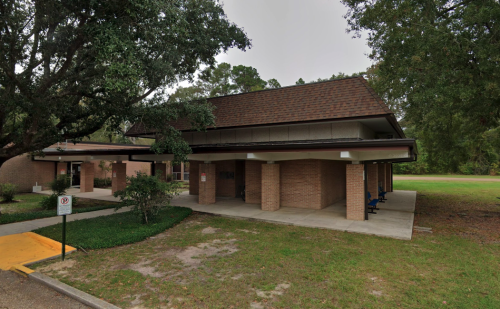
FPHSA Mandeville Behavioral Health Clinic
Treatment Focus
This center treats substance use disorders and mental health conditions. You'll receive individualized care catered to your unique situation and diagnosis, learn practical skills for recovery, and make new connections in a restorative environment.
Primary Level of Care
Outpatient treatment offers flexible therapeutic and medical care without the need to stay overnight in a hospital or inpatient facility. Some centers offer intensive outpatient program (IOP), which falls between inpatient care and traditional outpatient service.
This provider hasn't verified their profile's information. Are you the owner of this center? Claim your listing to better manage your presence on Recovery.com.
Treatment Focus
This center treats substance use disorders and mental health conditions. You'll receive individualized care catered to your unique situation and diagnosis, learn practical skills for recovery, and make new connections in a restorative environment.
Primary Level of Care
Outpatient treatment offers flexible therapeutic and medical care without the need to stay overnight in a hospital or inpatient facility. Some centers offer intensive outpatient program (IOP), which falls between inpatient care and traditional outpatient service.
Provider's Policy
Care is available regardless of ability to pay. Fees are based on household size and income, with eligibility reviewed at intake. Contact the clinic to learn about payment options and how to get started.
FPHSA Mandeville Behavioral Health Clinic
About FPHSA Mandeville Behavioral Health Clinic
Situated near Louisiana Highway 22 in Mandeville, Mandeville Behavioral Health Clinic provides outpatient care for adults and children experiencing mental health conditions and substance use disorder (SUD). It is part of Florida Parishes Human Services Authority (FPHSA), a local public behavioral health authority serving a five-parish region in southeastern Louisiana with community-based mental health, addiction, and developmental disability services. Services address depression, anxiety, trauma, serious mental illness, and addiction through outpatient and intensive outpatient care (IOP). Programming includes assessment, therapy, medication management, and evening addiction groups.
The clinic is open Monday through Friday, 8:00 a.m. to 4:30 p.m., serving residents of western Saint Tammany Parish with mental health and addiction services, including evening groups for addiction treatment.
Build Strength Through Support
Care is delivered through an evidence-based, person-centered approach focused on recovery and daily functioning. Clinicians use individual, group, and family therapy to support emotional health and healthier relationships. Psychiatric medication management and coordinated care address complex needs. Peer support and case management help clients stay connected to services and move forward with confidence.
Remove Barriers to Treatment
Evening addiction groups expand access for individuals balancing work and family commitments. Additional services include medications for opioid use disorder, tobacco cessation, and gambling counseling. The center also offers referrals to higher levels of care and crisis services supporting continuity of care.
Center Overview
Treatment Focus
This center treats substance use disorders and mental health conditions. You'll receive individualized care catered to your unique situation and diagnosis, learn practical skills for recovery, and make new connections in a restorative environment.
CARF Accredited
CARF stands for the Commission on Accreditation of Rehabilitation Facilities. It's an independent, non-profit organization that provides accreditation services for a variety of healthcare services. To be accredited means that the program meets their standards for quality, effectiveness, and person-centered care.

Insurance Accepted
Cash Pay Rates
Estimated Cash Pay Rate
Center pricing can vary based on program and length of stay. Contact the center for more information. Recovery.com strives for price transparency so you can make an informed decision.
Levels of Care
Your Care Options
Specializations
Anxiety
Anxiety is a common mental health condition that can include excessive worry, panic attacks, physical tension, and increased blood pressure.
Co-Occurring Disorders
A person with multiple mental health diagnoses, such as addiction and depression, has co-occurring disorders also called dual diagnosis.
Depression
Symptoms of depression may include fatigue, a sense of numbness, and loss of interest in activities. This condition can range from mild to severe.
Gambling
Excessive, repetitive gambling causes financial and interpersonal problems. This addiction can interfere with work, friendships, and familial relationships.
Opioids
Opioids produce pain-relief and euphoria, which can lead to addiction. This class of drugs includes prescribed medication and the illegal drug heroin.
Who We Treat
Adolescents
Teens receive the treatment they need for mental health disorders and addiction, with the added support of educational and vocational services.
Children
Treatment for children incorporates the psychiatric care they need and education, often led by on-site teachers to keep children on track with school.
Pregnant Women
Addiction and mental health treatment meets the clinical and psychological needs of pregnant women, ensuring they receive optimal care in all areas.
Approaches
Evidence-Based
A combination of scientifically rooted therapies and treatments make up evidence-based care, defined by their measured and proven results.
Individual Treatment
Individual care meets the needs of each patient, using personalized treatment to provide them the most relevant care and greatest chance of success.
Medical
Medical addiction treatment uses approved medications to manage withdrawals and cravings, and to treat contributing mental health conditions.
Therapies
1-on-1 Counseling
Patient and therapist meet 1-on-1 to work through difficult emotions and behavioral challenges in a personal, private setting.
Family Therapy
Family therapy addresses group dynamics within a family system, with a focus on improving communication and interrupting unhealthy relationship patterns.
Life Skills
Teaching life skills like cooking, cleaning, clear communication, and even basic math provides a strong foundation for continued recovery.
Medication-Assisted Treatment
Combined with behavioral therapy, prescribed medications can enhance treatment by relieving withdrawal symptoms and focus patients on their recovery.
Motivational Interviewing
Based on the idea that motivation to change comes from within, providers use a conversational framework to discover personalized methods for change.
Psychoeducation
This method combines treatment with education, teaching patients about different paths toward recovery. This empowers them to make more effective decisions.
Languages
Conditions We Treat
Alcohol
Using alcohol as a coping mechanism, or drinking excessively throughout the week, signals an alcohol use disorder.
Anger
Although anger itself isn't a disorder, it can get out of hand. If this feeling interferes with your relationships and daily functioning, treatment can help.
Anxiety
Anxiety is a common mental health condition that can include excessive worry, panic attacks, physical tension, and increased blood pressure.
Chronic Relapse
Consistent relapse occurs repeatedly, after partial recovery from addiction. This condition requires long-term treatment.
Co-Occurring Disorders
A person with multiple mental health diagnoses, such as addiction and depression, has co-occurring disorders also called dual diagnosis.
Depression
Symptoms of depression may include fatigue, a sense of numbness, and loss of interest in activities. This condition can range from mild to severe.
Drug Addiction
Drug addiction is the excessive and repetitive use of substances, despite harmful consequences to a person's life, health, and relationships.
Gambling
Excessive, repetitive gambling causes financial and interpersonal problems. This addiction can interfere with work, friendships, and familial relationships.
Heroin
Heroin is a highly addictive and illegal opioid. It can cause insomnia, collapsed veins, heart issues, and additional mental health issues.
Aftercare
Care Designed for Your Needs
Special Considerations
Transition Program
Patients in a transition program gradually return to life outside treatment, helping lower chances of relapse and continue care in a less intense setting.