Catalina Family Therapy

Substance Use and Mental Health

Treatment Focus

This center treats substance use disorders and mental health conditions. You'll receive individualized care catered to your unique situation and diagnosis, learn practical skills for recovery, and make new connections in a restorative environment.

Outpatient

Primary Level of Care

Outpatient treatment offers flexible therapeutic and medical care without the need to stay overnight in a hospital or inpatient facility. Some centers offer intensive outpatient program (IOP), which falls between inpatient care and traditional outpatient service.

Claimed

Claimed

Recovery.com has connected directly with this treatment provider to validate the information in their profile.

Insurance

Provider's Policy

We are currently in network with the following insurance providers. Single case agreements available for other providers, contact us for more information. We also accept Medicare, Medi-cal and cash pay clients.

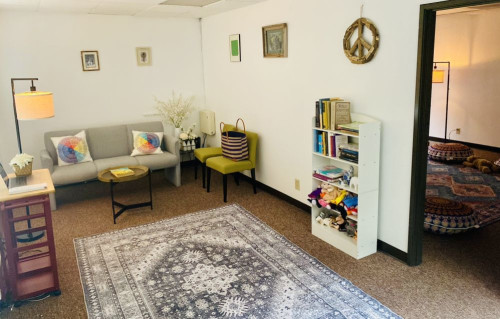
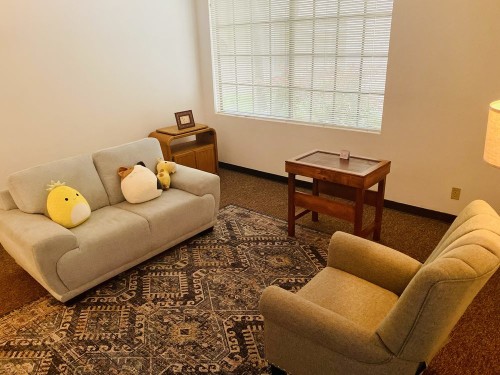
Located in Camarillo, Ventura County, California, Catalina Family Therapy offers mental health support in a calm suburban setting where clients can feel safe, supported, and understood. The center provides care for adolescents, young adults, and families, with a strong focus on building trust, connection, and lasting change.

Care That Strengthens Mind And Relationships

Catalina Family Therapy offers individual, group, and family therapy through structured, short-term intensive outpatient programs (IOP). They support clients facing anxiety, depression, trauma, substance use, and digital addiction. Their approach blends evidence-based and experiential therapies, including equine therapy, mindfulness-based cognitive therapy (MBCT), acceptance and commitment therapy (ACT), attachment-focused care, and existential approaches to help clients better understand their thoughts and emotions.

Short-Term Teen-Focused Support

The Teen IOP typically runs 6–10 weeks and provides consistent, structured support during challenging periods. Therapists work closely with clients and their families to create personalized care plans, helping build coping skills, improve communication, and strengthen relationships while developing tools that can be applied in daily life.

AT A GLANCE

Center Overview

Location
1200 Paseo Camarillo Suite 155, Camarillo, CA 93010 View Map
Primary Focus
This center treats substance use disorders and mental health conditions....

Treatment Focus

This center treats substance use disorders and mental health conditions. You'll receive individualized care catered to your unique situation and diagnosis, learn practical skills for recovery, and make new connections in a restorative environment.

Typical Program Length
6-10 weeks
Conditions We Treat
Anxiety, Depression, Gaming, Internet Addiction +3 More
Substance Use We Treat
Alcohol, Drug Addiction
How to pay

Insurance Accepted

Provider's Policy: We are currently in network with the following insurance providers. Single case agreements available for other providers, contact us for more information. We also accept Medicare, Medi-cal and cash pay clients.
(805) 419-9805
Private Pay Option

Cash Pay Rates

Estimated Cash Pay Rate

Center pricing can vary based on program and length of stay. Contact the center for more information. Recovery.com strives for price transparency so you can make an informed decision.

We don't have pricing information for this center. Please contact the center for more information.
Care Options

Levels of Care

Substance use and mental health issues can occur simultaneously or as primary conditions. Effective treatment explores how mental health conditions contribute to addiction, and vice-versa. Many rehabs treat substance use disorders and mental health conditions with personalized care plans.
Detox
Not Offered at This Center
Typically the initial stage of treatment for substance use, focusing on medically supervised management of withdrawal symptoms.
Residential
Not Offered at This Center
Residential programs for substance use and mental health with structured care and 24/7 monitoring. Treatment takes place on-site, with behavioral health professionals often providing care in group, individual, and family settings.
Sober Living
Not Offered at This Center
Transitional housing designed to support individuals recovering from substance use disorders offering a safe, supportive and structured environment for practicing long-term sobriety, while reintegrating back into daily living.
Intensive Outpatient Program
An intensive outpatient program (IOP) falls between inpatient care and traditional outpatient services, with therapy and skills-building activities designed to support recovery and provide flexibility. IOP is ideal for those needing support but not the 24/7 care of a residential facility.
Outpatient
Outpatient treatment offers flexible therapeutic and medical care without the need to stay overnight in a hospital or inpatient facility. Outpatient care typically offers a range of therapies and medical interventions individuals can attend alongside daily life.
Virtual & In-Home Care
Not Offered at This Center
The delivery of therapeutic services utilizing technology such as video conferencing, online messaging or phone calls, allowing for flexibility, comfort and increased access to care.
Treatment

Your Care Options

Specializations

Adolescents

Adolescents

Teens receive the treatment they need for mental health disorders and addiction, with the added support of educational and vocational services.

Anxiety

Anxiety

Anxiety is a common mental health condition that can include excessive worry, panic attacks, physical tension, and increased blood pressure.

Depression

Depression

Symptoms of depression may include fatigue, a sense of numbness, and loss of interest in activities. This condition can range from mild to severe.

Suicidality

Suicidality

With suicidality, a person fantasizes about suicide, or makes a plan to carry it out. This is a serious mental health symptom.

Trauma

Trauma

Some traumatic events are so disturbing that they cause long-term mental health problems. Those ongoing issues can also be referred to as "trauma."

Who We Treat

Men
Women
Adolescents

Adolescents

Teens receive the treatment they need for mental health disorders and addiction, with the added support of educational and vocational services.

Young Adults

Young Adults

Emerging adults ages 18-25 receive treatment catered to the unique challenges of early adulthood, like college, risky behaviors, and vocational struggles.

Men and Women

Men and Women

Men and women attend treatment for addiction in a co-ed setting, going to therapy groups together to share experiences, struggles, and successes.

Girls
Boys

Approaches

Evidence-Based

Evidence-Based

A combination of scientifically rooted therapies and treatments make up evidence-based care, defined by their measured and proven results.

Family Involvement

Family Involvement

Providers involve family in the treatment of their loved one through family therapy, visits, or both–because addiction is a family disease.

Individual Treatment

Individual Treatment

Individual care meets the needs of each patient, using personalized treatment to provide them the most relevant care and greatest chance of success.

Personalized Treatment

Personalized Treatment

The specific needs, histories, and conditions of individual patients receive personalized, highly relevant care throughout their recovery journey.

Strengths-Based

Strengths-Based

Providers using a strengths-based philosophy focus on the positive traits of their patients, creating a positive feedback loop that grows confidence.

Therapies

1-on-1 Counseling

1-on-1 Counseling

Patient and therapist meet 1-on-1 to work through difficult emotions and behavioral challenges in a personal, private setting.

Acceptance and Commitment Therapy (ACT)

Acceptance and Commitment Therapy (ACT)

This cognitive behavioral therapy teaches patients to accept challenging feelings and make the appropriate changes to reach personal goals.

Biofeedback
Cognitive Behavioral Therapy
Couples Counseling

Couples Counseling

Partners work to improve their communication patterns, using advice from their therapist to better their relationship and make healthy changes.

Equine Therapy

Equine Therapy

Guided interactions with trained horses, their handler, and a therapist can help patients improve their self-esteem, trust, empathy, and social skills.

Eye Movement Therapy (EMDR)

Eye Movement Therapy (EMDR)

Lateral, guided eye movements help reduce the emotional reactions of retelling and reprocessing trauma, allowing intense feelings to dissipate.

Family Therapy

Family Therapy

Family therapy addresses group dynamics within a family system, with a focus on improving communication and interrupting unhealthy relationship patterns.

Mindfulness-Based Cognitive Therapy

Mindfulness-Based Cognitive Therapy

MBCT combines mindfulness practices—like meditation—with cognitive therapy techniques to help patients work through negative thought patterns.

Languages

English

Conditions We Treat

Anxiety

Anxiety

Anxiety is a common mental health condition that can include excessive worry, panic attacks, physical tension, and increased blood pressure.

Depression

Depression

Symptoms of depression may include fatigue, a sense of numbness, and loss of interest in activities. This condition can range from mild to severe.

Gaming

Gaming

Compulsive gaming is most often a problem for children and teens. The disorder can affect physical health, sleep, and the ability to focus at school.

Internet Addiction

Internet Addiction

Internet addiction is common among children teens. This compulsive disorder can damage relationships, school performance, sleep habits, and physical health.

Stress

Stress

Stress is a natural reaction to challenges, and it can even help you adapt. However, chronic stress can cause physical and mental health issues.

Suicidality

Suicidality

With suicidality, a person fantasizes about suicide, or makes a plan to carry it out. This is a serious mental health symptom.

Trauma

Trauma

Some traumatic events are so disturbing that they cause long-term mental health problems. Those ongoing issues can also be referred to as "trauma."

Substances We Treat

Alcohol

Alcohol

Using alcohol as a coping mechanism, or drinking excessively throughout the week, signals an alcohol use disorder.

Drug Addiction

Drug Addiction

Drug addiction is the excessive and repetitive use of substances, despite harmful consequences to a person's life, health, and relationships.

Frequently Asked Questions

Further Research

The following therapies are included: mindfulness-based cognitive therapy, 1-on-1 counseling and more.
Camarillo, California, United States.
We are currently in network with the following insurance providers. Single case agreements available for other providers, contact us for more information. We also accept Medicare, Medi-cal and cash pay clients.
The typical length is 6-10 weeks.
Catalina Family Therapy provides intensive outpatient program, outpatient and more.

Explore More

Easily search by condition, location, and other programs tailored to meet your needs.