All CentersArkansas Department of Human Services

Arkansas Department of Human Services

Substance Use and Mental Health

Treatment Focus

This center treats substance use disorders and mental health conditions. You'll receive individualized care catered to your unique situation and diagnosis, learn practical skills for recovery, and make new connections in a restorative environment.

Outpatient

Primary Level of Care

Outpatient treatment offers flexible therapeutic and medical care without the need to stay overnight in a hospital or inpatient facility. Some centers offer intensive outpatient program (IOP), which falls between inpatient care and traditional outpatient service.

3.1
(24)
Unclaimed

This provider hasn't verified their profile's information. Are you the owner of this center? Claim your listing to better manage your presence on Recovery.com.

Insurance

Provider's Policy

For individuals enrolled in both Medicare and Medicaid, Medicare is designated as the primary payer, while Medicaid provides secondary coverage as the payer of last resort.

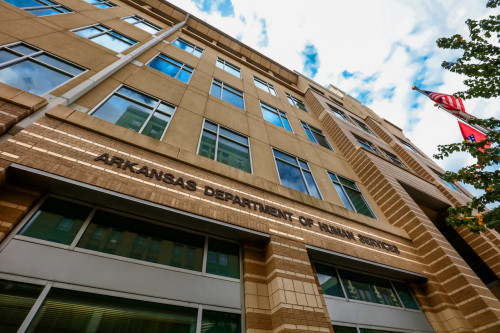
Just steps from the historic Arkansas State Capitol, this center helps people of all ages facing emotional, behavioral, and substance-related challenges. It offers outpatient, inpatient, and crisis care, with special focus on trauma, neurodevelopmental disorders, co-occurring conditions, and serious mental illness. These services were constituted under divisions like Behavioral Health, Youth and Family Services, and Developmental Disabilities and Aging Division.

Build Strength Through Support

Their approach is trauma-informed and person-centered, using therapies like cognitive behavioral therapy (CBT), dialectical behavior therapy (DBT), and medication-assisted treatment (MAT). Family therapy and peer support are also essential part of the care, helping people feel seen and supported.

Access Care That Connects

Clients benefit from unique programs like school-based mental health, crisis stabilization units, and Save AR Students, which brings prevention and recovery tools into schools. The center also offers early intervention for autism and developmental delays, and coordinates care for older adults with dementia through specialized aging services.

Arkansas Department of Human Services thumbnail
AT A GLANCE

Center Overview

Location
Donaghey Plaza, P.O. Box 1437, Little Rock, AR 72203 View Map
Primary Focus
This center treats substance use disorders and mental health conditions....

Treatment Focus

This center treats substance use disorders and mental health conditions. You'll receive individualized care catered to your unique situation and diagnosis, learn practical skills for recovery, and make new connections in a restorative environment.

Founded in 1971
55 years in business
Conditions We Treat
Anxiety, Chronic Pain Management, Depression, Neurodiversity +2 More
Substance Use We Treat
Alcohol, Co-Occurring Disorders, Drug Addiction, Heroin +4 More
Arkansas Department of Human Services logo
humanservices.arkansas.gov
Are you the owner of this center? Claim it
How to pay

Insurance Accepted

Provider's Policy: For individuals enrolled in both Medicare and Medicaid, Medicare is designated as the primary payer, while Medicaid provides secondary coverage as the payer of last resort.
(501) 686-9164
Private Pay Option

Cash Pay Rates

Estimated Cash Pay Rate

Center pricing can vary based on program and length of stay. Contact the center for more information. Recovery.com strives for price transparency so you can make an informed decision.

We don't have pricing information for this center. Please contact the center for more information.
Care Options

Levels of Care

Substance use and mental health issues can occur simultaneously or as primary conditions. Effective treatment explores how mental health conditions contribute to addiction, and vice-versa. Many rehabs treat substance use disorders and mental health conditions with personalized care plans.
Included
Residential
Residential programs for substance use and mental health with structured care and 24/7 monitoring. Treatment takes place on-site, with behavioral health professionals often providing care in group, individual, and family settings.
Not included
Sober Living
Not Offered at This Center
Transitional housing designed to support individuals recovering from substance use disorders offering a safe, supportive and structured environment for practicing long-term sobriety, while reintegrating back into daily living.
Included
Intensive Outpatient Program
An intensive outpatient program (IOP) falls between inpatient care and traditional outpatient services, with therapy and skills-building activities designed to support recovery and provide flexibility. IOP is ideal for those needing support but not the 24/7 care of a residential facility.
Included
Outpatient
Outpatient treatment offers flexible therapeutic and medical care without the need to stay overnight in a hospital or inpatient facility. Outpatient care typically offers a range of therapies and medical interventions individuals can attend alongside daily life.
Not included
Virtual & In-Home Care
Not Offered at This Center
The delivery of therapeutic services utilizing technology such as video conferencing, online messaging or phone calls, allowing for flexibility, comfort and increased access to care.
Included
Intensive Inpatient
The highest level of care, medically managed with 24-hour nursing and physician care in a residential or medically-based setting, and can include any combination of medication, counseling and therapy.
Included
Licensed Primary Mental Health
Some primary care providers offer mental health diagnosis and treatment. This can prevent patients from developing more serious conditions.
Included
Co-Occurring Disorders
Substance use and mental health can occur simultaneously as co-occurring disorders. Treatment for co-occurring disorders involves therapy and other personalized interventions to address both conditions.
Treatment

Your Care Options

Specializations

Older Adults

Older Adults

Addiction and mental health treatment caters to adults 55+ and the age-specific challenges that can come with recovery, wellness, and overall happiness.

Adolescents

Adolescents

Teens receive the treatment they need for mental health disorders and addiction, with the added support of educational and vocational services.

Depression

Depression

Symptoms of depression may include fatigue, a sense of numbness, and loss of interest in activities. This condition can range from mild to severe.

Drug Addiction

Drug Addiction

Drug addiction is the excessive and repetitive use of substances, despite harmful consequences to a person's life, health, and relationships.

Neurodiversity

Who We Treat

Men
Women
Older Adults

Older Adults

Addiction and mental health treatment caters to adults 55+ and the age-specific challenges that can come with recovery, wellness, and overall happiness.

Adolescents

Adolescents

Teens receive the treatment they need for mental health disorders and addiction, with the added support of educational and vocational services.

Children

Children

Treatment for children incorporates the psychiatric care they need and education, often led by on-site teachers to keep children on track with school.

Men and Women

Men and Women

Men and women attend treatment for addiction in a co-ed setting, going to therapy groups together to share experiences, struggles, and successes.

Girls
Boys
Neurodivergent

Approaches

Individual Treatment

Individual Treatment

Individual care meets the needs of each patient, using personalized treatment to provide them the most relevant care and greatest chance of success.

Medical

Medical

Medical addiction treatment uses approved medications to manage withdrawals and cravings, and to treat contributing mental health conditions.

Therapies

1-on-1 Counseling

1-on-1 Counseling

Patient and therapist meet 1-on-1 to work through difficult emotions and behavioral challenges in a personal, private setting.

Cognitive Behavioral Therapy
Dialectical Behavior Therapy
Family Therapy

Family Therapy

Family therapy addresses group dynamics within a family system, with a focus on improving communication and interrupting unhealthy relationship patterns.

Group Therapy
Life Skills

Life Skills

Teaching life skills like cooking, cleaning, clear communication, and even basic math provides a strong foundation for continued recovery.

Medication-Assisted Treatment

Medication-Assisted Treatment

Combined with behavioral therapy, prescribed medications can enhance treatment by relieving withdrawal symptoms and focus patients on their recovery.

Trauma-Specific Therapy

Trauma-Specific Therapy

This form of talk therapy addresses any childhood trauma at the root of a patient's current diagnosis.

Languages

English

Conditions We Treat

Anxiety

Anxiety

Anxiety is a common mental health condition that can include excessive worry, panic attacks, physical tension, and increased blood pressure.

Chronic Pain Management

Chronic Pain Management

Long-term physical pain can have an affect on mental health. Without support, it can also impact your daily life and even lead to addiction.

Depression

Depression

Symptoms of depression may include fatigue, a sense of numbness, and loss of interest in activities. This condition can range from mild to severe.

Neurodiversity
Post Traumatic Stress Disorder

Post Traumatic Stress Disorder

PTSD is a long-term mental health issue caused by a disturbing event or events. Symptoms include anxiety, dissociation, flashbacks, and intrusive thoughts.

Trauma

Trauma

Some traumatic events are so disturbing that they cause long-term mental health problems. Those ongoing issues can also be referred to as "trauma."

Substances We Treat

Alcohol

Alcohol

Using alcohol as a coping mechanism, or drinking excessively throughout the week, signals an alcohol use disorder.

Co-Occurring Disorders

Co-Occurring Disorders

A person with multiple mental health diagnoses, such as addiction and depression, has co-occurring disorders also called dual diagnosis.

Drug Addiction

Drug Addiction

Drug addiction is the excessive and repetitive use of substances, despite harmful consequences to a person's life, health, and relationships.

Heroin

Heroin

Heroin is a highly addictive and illegal opioid. It can cause insomnia, collapsed veins, heart issues, and additional mental health issues.

Methamphetamine

Methamphetamine

Methamphetamine, or meth, increases energy, agitation, and paranoia. Long-term use can result in severe physical and mental health issues.

Opioids

Opioids

Opioids produce pain-relief and euphoria, which can lead to addiction. This class of drugs includes prescribed medication and the illegal drug heroin.

Prescription Drugs

Prescription Drugs

It's possible to abuse any drug, even prescribed ones. If you crave a medication, or regularly take it more than directed, you may have an addiction.

Smoking Cessation

Smoking Cessation

Quitting smoking—i.e., ceasing to smoke—means giving up smoking nicotine and tobacco products. This process has very important health benefits.

Aftercare

Support Meetings
Experience

Care Designed for Your Needs

Special Considerations

Justice Involved
Clients Who Have Experienced Domestic Violence
Clients Who Have Experienced Sexual Abuse
Clients With Alzheimer or Dementia

Smoking and Vaping Policy

Smoking Not Allowed
Vaping Not Allowed
Frequently Asked Questions

Further Research

The following therapies are included: group therapy, 1-on-1 counseling and more.
Little Rock, Arkansas, United States.
For individuals enrolled in both Medicare and Medicaid, Medicare is designated as the primary payer, while Medicaid provides secondary coverage as the payer of last resort.
Arkansas Department of Human Services provides intensive inpatient, intensive outpatient program and more.

Explore More

Easily search by condition, location, and other programs tailored to meet your needs.