Alsana Monterey PHP/IOP
Treatment Focus
You can get treatment for eating disorders at this center, helping you navigate symptoms, build coping tools, and restore your physical health under expert care.
Primary Level of Care
Outpatient treatment offers flexible therapeutic and medical care without the need to stay overnight in a hospital or inpatient facility. Some centers offer intensive outpatient program (IOP), which falls between inpatient care and traditional outpatient service.
Claimed
Recovery.com has connected directly with this treatment provider to validate the information in their profile.
Treatment Focus
You can get treatment for eating disorders at this center, helping you navigate symptoms, build coping tools, and restore your physical health under expert care.
Primary Level of Care
Outpatient treatment offers flexible therapeutic and medical care without the need to stay overnight in a hospital or inpatient facility. Some centers offer intensive outpatient program (IOP), which falls between inpatient care and traditional outpatient service.
Provider's Policy
Alsana is a preferred in-network provider for all major insurance companies.
Alsana Monterey PHP/IOP
About Alsana Monterey PHP/IOP
The eating disorder programs at Alsana are for adults who are looking to maintain independence, yet get serious about their recovery. They offer flexible program options so that their clients can focus on healing while also working, going to school and spending time with loved ones.
Differences Between Programs
The partial hospitalization program structure requires 8 hours of attendance per day, 1 individual counseling per week, 1 nutrition session per week, 1 psychiatry session per week and 4 group sessions per day. The intensive outpatient program is structured to be less intense with 4 hours of programming per day, 1 individual counseling session per week, 1 nutrition session per week and 2 group sessions per day.
Early Intervention and Relapse Prevention
Alsana believes that their outpatient programs are perfectly suited for people who are showing signs of eating disorders. They believe that treating the eating disorder before it becomes out of control will help strengthen the clients’ results. While outpatient care is good early intervention, it is also good for relapse support. Alsana offers 2 week programs that are specifically intended for clients who are relapsing.
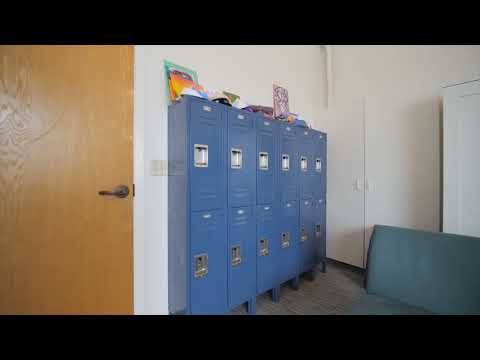
Center Overview

Treatment Focus
You can get treatment for eating disorders at this center, helping you navigate symptoms, build coping tools, and restore your physical health under expert care.
Joint Commission Accredited
The Joint Commission accreditation is a voluntary, objective process that evaluates and accredits healthcare organizations (like treatment centers) based on performance standards designed to improve quality and safety for patients. To be accredited means the treatment center has been found to meet the Commission's standards for quality and safety in patient care.
Insurance Accepted
Cash Pay Rates
Estimated Cash Pay Rate
Center pricing can vary based on program and length of stay. Contact the center for more information. Recovery.com strives for price transparency so you can make an informed decision.
Levels of Care
Your Care Options
Specializations
Co-Occurring Disorders
A person with multiple mental health diagnoses, such as addiction and depression, has co-occurring disorders also called dual diagnosis.
Eating Disorders
An eating disorder is a long-term pattern of unhealthy behavior relating to food. Most people with eating disorders have a distorted self-image.
Trauma
Some traumatic events are so disturbing that they cause long-term mental health problems. Those ongoing issues can also be referred to as "trauma."
Who We Treat
LGBTQ+
Addiction and mental illnesses in the LGBTQ+ community must be treated with an affirming, safe, and relevant approach, which many centers provide.
Approaches
Evidence-Based
A combination of scientifically rooted therapies and treatments make up evidence-based care, defined by their measured and proven results.
Experiential
Expressive tools and therapies help patients process past situations, learn more about themselves, and find healing through action.
Family Involvement
Providers involve family in the treatment of their loved one through family therapy, visits, or both–because addiction is a family disease.
Individual Treatment
Individual care meets the needs of each patient, using personalized treatment to provide them the most relevant care and greatest chance of success.
Therapies
1-on-1 Counseling
Patient and therapist meet 1-on-1 to work through difficult emotions and behavioral challenges in a personal, private setting.
Art Therapy
Visual art invites patients to examine the emotions within their work, focusing on the process of creativity and its gentle therapeutic power.
Experiential Therapy
With this approach, patients heal by doing. Therapists help patients process difficult emotions to speak, using guided activities like art or dance.
Eye Movement Therapy (EMDR)
Lateral, guided eye movements help reduce the emotional reactions of retelling and reprocessing trauma, allowing intense feelings to dissipate.
Family Therapy
Family therapy addresses group dynamics within a family system, with a focus on improving communication and interrupting unhealthy relationship patterns.
Nutrition Counseling
Nutritious food helps patients heal from within, setting them up for mental and bodily wellness as they learn about healthy eating.
Languages
Conditions We Treat
Anxiety
Anxiety is a common mental health condition that can include excessive worry, panic attacks, physical tension, and increased blood pressure.
Depression
Symptoms of depression may include fatigue, a sense of numbness, and loss of interest in activities. This condition can range from mild to severe.
Eating Disorders
An eating disorder is a long-term pattern of unhealthy behavior relating to food. Most people with eating disorders have a distorted self-image.
Trauma
Some traumatic events are so disturbing that they cause long-term mental health problems. Those ongoing issues can also be referred to as "trauma."
Substances We Treat
Co-Occurring Disorders
A person with multiple mental health diagnoses, such as addiction and depression, has co-occurring disorders also called dual diagnosis.
Aftercare
Care Designed for Your Needs
Personal Amenities
Amenities
Special Considerations
Healthy Meals are provided
Great food meets great treatment, with providers serving healthy meals to restore nutrition, wellbeing, and health.
LGBTQ group
Group therapy unites LGBTQ+ patients in a safe and culturally competent setting, encouraging peer support under the expert leadership of a therapist.
Activities
Yoga
Yoga is both a physical and spiritual practice. It includes a flow of movement, breathing techniques, and meditation.