Magnolia Creek
Verified Center
This provider's information has been quality-checked by Recovery.com's Research Team for accuracy and completeness, including center verification through appropriate third-party organizations.
Treatment Focus
You can get treatment for eating disorders at this center, helping you navigate symptoms, build coping tools, and restore your physical health under expert care.
Primary Level of Care
Offering intensive care with 24/7 monitoring, residential treatment is typically 30 days and can cover multiple levels of care. Length can range from 14 to 90 days typically.
Treatment Focus
You can get treatment for eating disorders at this center, helping you navigate symptoms, build coping tools, and restore your physical health under expert care.
Primary Level of Care
Offering intensive care with 24/7 monitoring, residential treatment is typically 30 days and can cover multiple levels of care. Length can range from 14 to 90 days typically.
Provider's Policy
Magnolia Creek accepts most major medical/behavioral health insurances and treatment rates vary based on the level of care.
About Magnolia Creek
Specializing in eating disorder treatment for women and girls ages 12 and older, this program offers residential and partial hospitalization (PHP) levels of care in a supportive, female-focused environment. Separate adolescent and adult programming allows treatment to be tailored to each stage of life, while teens receive academic support to help them stay engaged with school during treatment.
Build Confidence Around Food
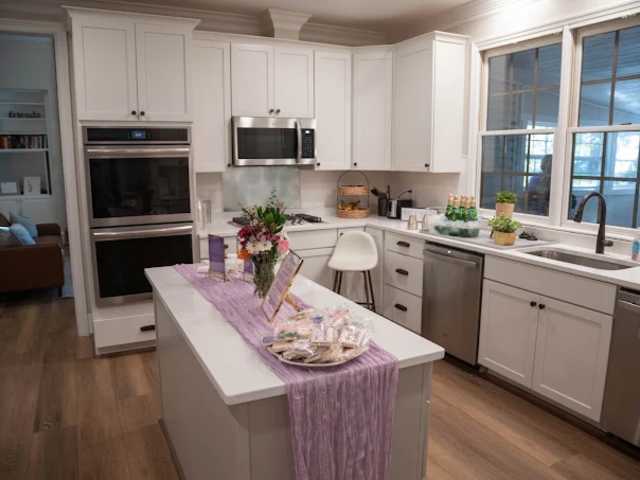
A standout feature is their Care Through Culinary™ program, a hands-on approach that helps clients build confidence around food through meal preparation and shared dining experiences. Beyond traditional talk therapy, clients engage in experiential therapies such as horticultural therapy, animal-assisted activities, outdoor recreation, and yoga, while family programming helps strengthen support systems. The program also treats co-occurring mental health conditions, including anxiety and depression, as well as substance use disorders alongside eating disorders.
Measuring Meaningful Progress
The program emphasizes continuity across levels of care, allowing clients to step down from residential treatment to PHP within the same treatment setting. Progress is tracked through routine outcomes monitoring, helping clinicians measure changes in eating disorder symptoms and overall wellbeing throughout treatment.
Recovery Surrounded by Nature
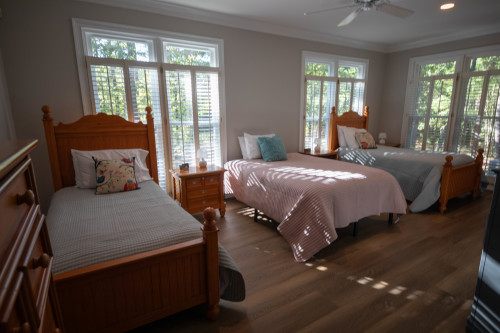
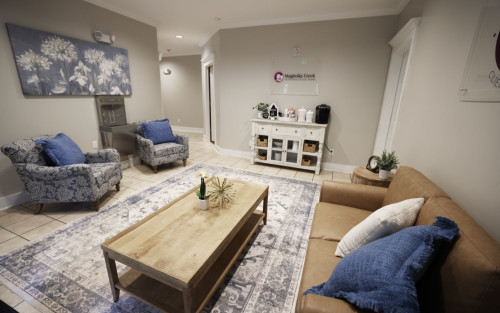
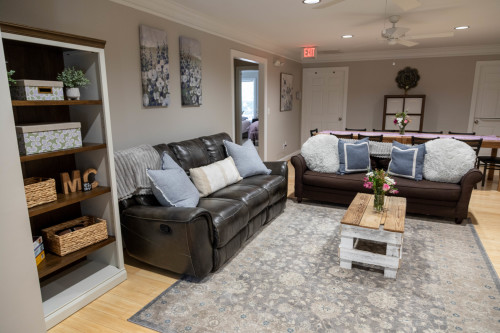
Set on 36 acres in Alabama, the campus offers a private retreat-like setting for treatment. Separate accommodations for adolescents and adults support age-specific programming, while the program's intimate size allows for personalized care and a close-knit community. Wooded grounds, gardens, and scenic outdoor spaces create a calm environment focused on recovery.

Center Overview
Treatment Focus
You can get treatment for eating disorders at this center, helping you navigate symptoms, build coping tools, and restore your physical health under expert care.
Joint Commission Accredited
The Joint Commission accreditation is a voluntary, objective process that evaluates and accredits healthcare organizations (like treatment centers) based on performance standards designed to improve quality and safety for patients. To be accredited means the treatment center has been found to meet the Commission's standards for quality and safety in patient care.
Insurance Accepted
Cash Pay Rates

Estimated Cash Pay Rate
Center pricing can vary based on program and length of stay. Contact the center for more information. Recovery.com strives for price transparency so you can make an informed decision.


Recovery.com Verified Listing
Recovery.com verified that the name, location, contact information and license to operate for this treatment provider are valid and up-to-date.

Joint Commission Accredited

Licensed by Alabama
Recovery.com is an independent, third-party mental health resource. Verification does not imply endorsement and does not guarantee the quality of treatment services.
Meet Your Care Team

Chrissy Hall
CEO
LCSW

Dr. Tom Scales
Medical Director
MD

Tammy Beasley
Director of Nutrition Programming
MS, RDN, CEDS-C

Leslie Plaia
Executive Director
M.Ed, LPC, CEDS-C

Dylan Carson
Director of Nutrition
MS, RD, CEDS

Kim LaBarge
Director of Clinical Services
MS, NCC, LPCC-S

Alycia Aldieri
AVP of Admissions

Stefan Glamp
Director of Alum Services

Dr. Danielle Hagood
Clinical Director
MD

Terrica Vincent
Nurse Practitioner
CRNP

Tanya Gooden
Nurse Practitioner
WHNP-BC, PMHNP-BC

Lily Langley
Registered Dietitian
MS, RDN, LDN

Samantha Patterson
Clinical Program Coordinator
MS

Kelly Moore
Primary Therapist

Rachel Cannon
Primary Therapist
MS, LMFT

Kelsey Byrd
Primary Therapist

Madison Delaney
Family Therapist
MS, LMFTA

Taylor Helms
Alumni Relations Coordinator

Chef Clif Holt
Chef

Jenna Stanley
Teen Program Administrator

Heath Hagood
Facilities Manager
Your Care Options
Specializations
Eating Disorders
An eating disorder is a long-term pattern of unhealthy behavior relating to food. Most people with eating disorders have a distorted self-image.
Who We Treat
Adolescents
Teens receive the treatment they need for mental health disorders and addiction, with the added support of educational and vocational services.
Women only
Women attend treatment in a gender-specific facility, with treatment delivered in a safe, nourishing, and supportive environment for greater comfort.
Treatment Services
Day Treatment
Also commonly called PHP, patients may live at home or in a recovery residence while following an intensive treatment program. Most have a weekly schedule of M–F and 4 to 6 hours per day.
Outpatient
During outpatient rehab, patients attend a structured treatment program while continuing to live at home.
Outpatient Therapy
Outpatient therapy offers scheduled counseling and treatment sessions without requiring an overnight stay or residential care.
Residential
In a residential rehab program, patients live onsite, with access to daily treatment and 24-hour care. An average stay is 30-90 days.
Approaches
Evidence-Based
A combination of scientifically rooted therapies and treatments make up evidence-based care, defined by their measured and proven results.
Gender-Specific
Separate treatment for men or women can create strong peer connections and remove barriers related to trauma, shame, and gender-specific nuances.
Individual Treatment
Individual care meets the needs of each patient, using personalized treatment to provide them the most relevant care and greatest chance of success.
Therapies
Acceptance and Commitment Therapy (ACT)
This cognitive behavioral therapy teaches patients to accept challenging feelings and make the appropriate changes to reach personal goals.
Animal Therapy
Animals can inspire trust and self-worth. In this experiential therapy, guided interactions are used to improve social skills and emotion regulation.
Art Therapy
Visual art invites patients to examine the emotions within their work, focusing on the process of creativity and its gentle therapeutic power.
Equine Therapy
Guided interactions with trained horses, their handler, and a therapist can help patients improve their self-esteem, trust, empathy, and social skills.
Experiential Therapy
With this approach, patients heal by doing. Therapists help patients process difficult emotions to speak, using guided activities like art or dance.
Eye Movement Therapy (EMDR)
Lateral, guided eye movements help reduce the emotional reactions of retelling and reprocessing trauma, allowing intense feelings to dissipate.
Family Therapy
Family therapy addresses group dynamics within a family system, with a focus on improving communication and interrupting unhealthy relationship patterns.
Group Therapy
Group therapy brings people together in a supportive setting to share experiences, develop skills, and work toward common goals.
Horticultural Therapy
Horticultural therapy uses gardening and plant-based activities to support emotional well-being, skill development, and personal growth.
Languages
Conditions We Treat
Anxiety
Anxiety is a common mental health condition that can include excessive worry, panic attacks, physical tension, and increased blood pressure.
Depression
Symptoms of depression may include fatigue, a sense of numbness, and loss of interest in activities. This condition can range from mild to severe.
Eating Disorders
An eating disorder is a long-term pattern of unhealthy behavior relating to food. Most people with eating disorders have a distorted self-image.
Personality Disorders
Personality disorders destabilize the way a person thinks, feels, and behaves. If untreated, they can undermine relationships and lead to severe distress.
Self-Harm
The act of intentionally harming oneself, also called self-injury, is associated with mental health issues like depression.
Trauma
Some traumatic events are so disturbing that they cause long-term mental health problems. Those ongoing issues can also be referred to as "trauma."
Substances We Treat
Co-Occurring Disorders
A person with multiple mental health diagnoses, such as addiction and depression, has co-occurring disorders also called dual diagnosis.
Aftercare
Care Designed for Your Needs
Personal Amenities
Amenities
Special Considerations
Flexible technology policies
Centers with flexible technology policies allow professionals to stay in touch with work and give patients a greater sense of connection and normalcy.
Gender-specific groups
Patients in gender-specific groups gain the opportunity to discuss challenges unique to their gender in a comfortable, safe setting conducive to healing.
Activities
Yoga
Yoga is both a physical and spiritual practice. It includes a flow of movement, breathing techniques, and meditation.
Learn More About the Center
What They Treat
Discover what Magnolia Creek treats alongside eating disorders like anxiety, depression, trauma, OCD, and substance use disorders through integrated, whole-person care.
Measuring Meaningful Progress
Learn how this program tracks outcomes throughout treatment, helping measure improvements in eating disorder symptoms, mental health, and overall wellbeing.
Quiet Countryside Campus
Explore their 36 Acres Campus with separate homes for adolescents and adult women.
Multiple Levels of Support
Learn how women can transition between levels of care while remaining connected to the same treatment team and support system.