All CentersZentralinstitut für Seelische Gesundheit

Zentralinstitut für Seelische Gesundheit

Substance Use and Mental Health

Treatment Focus

This center treats substance use disorders and mental health conditions. You'll receive individualized care catered to your unique situation and diagnosis, learn practical skills for recovery, and make new connections in a restorative environment.

Hospital

Primary Level of Care

Provides 24/7 medical supervision and intensive treatment in a clinical setting for individuals in crisis or with acute needs, focusing on stabilization and immediate safety

3.3
(193)
Unclaimed

This provider hasn't verified their profile's information. Are you the owner of this center? Claim your listing to better manage your presence on Recovery.com.

Private Pay

Private Pay

You pay directly for treatment out of pocket. This approach can offer enhanced privacy and flexibility, without involving insurance. Exact costs vary based on program and length of stay. Contact the center for specific details.

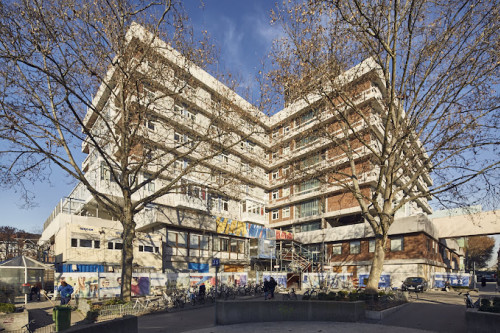
Located near Luisenring in Mannheim, the Zentralinstitut für Seelische Gesundheit (ZI) provides inpatient and outpatient care for all ages, addressing a wide range of mental health, neurological, and substance use conditions. ZI integrates traditional psychotherapies with cutting-edge research and treatment techniques as part of a comprehensive treatment approach. Clients traveling via public transportation enjoy convenient access via tram or bus, with multiple stations within a 2 block radius of the hospital.

Inpatient

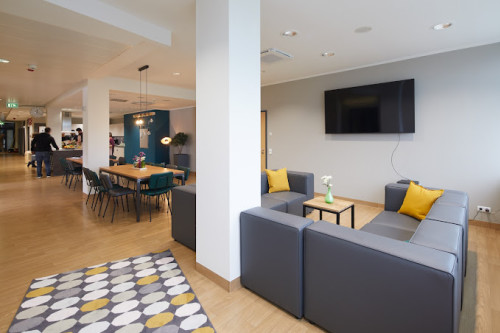
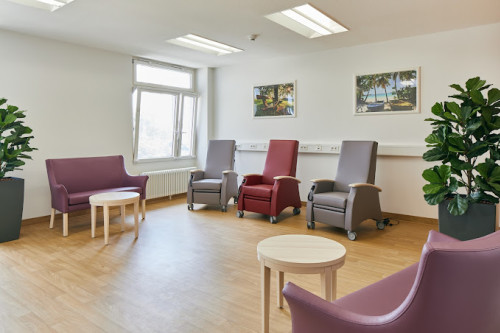
Clients in inpatient treatment can enjoy access to lounges, TVs, a fitness center, vending machines, pastoral care, and visiting hours for loved ones. A separate wing for children and teens allows them to continue schooling during treatment. ZI also provides 24/7 emergency services and a dedicated crisis care unit.

Outpatient

A multidisciplinary team provides psychotherapy, medication management, and specialty services, including sleep, occupational therapy, and electroconvulsive therapy (ECT) clinics. Outpatient hours are 8:30 AM - 5 PM, Monday to Friday.

Psychotherapy Options

Cognitive Behavioral Therapy (CBT)Dialectical Behavioral Therapy (DBT)Dialectical Behavioral Therapy for Addiction (DBT-S)Acceptance and Commitment Therapy (ACT)Interpersonal Therapy (IPT)Cognitive Behavioral Analysis System of Psychotherapy (CBASP)Metacognitive Therapy (MCT)

Zentralinstitut für Seelische Gesundheit  thumbnail
AT A GLANCE

Center Overview

Location
J5, 68159 Mannheim, Germany View Map
Primary Focus
This center treats substance use disorders and mental health conditions....

Treatment Focus

This center treats substance use disorders and mental health conditions. You'll receive individualized care catered to your unique situation and diagnosis, learn practical skills for recovery, and make new connections in a restorative environment.

Typical Program Length
10+ days
Founded in 1975
51 years in business
Conditions We Treat
ADHD, ADD, Anger, Anxiety, Bipolar +13 More
Substance Use We Treat
Alcohol, Benzodiazepines, Chronic Relapse, Co-Occurring Disorders +10 More
zi-mannheim.de
Are you the owner of this center? Claim it
Private Pay Option

Cash Pay Rates

Estimated Cash Pay Rate

Center pricing can vary based on program and length of stay. Contact the center for more information. Recovery.com strives for price transparency so you can make an informed decision.

We don't have pricing information for this center. Please contact the center for more information.
Care Options

Levels of Care

Substance use and mental health issues can occur simultaneously or as primary conditions. Effective treatment explores how mental health conditions contribute to addiction, and vice-versa. Many rehabs treat substance use disorders and mental health conditions with personalized care plans.
Included
Residential
Residential programs for substance use and mental health with structured care and 24/7 monitoring. Treatment takes place on-site, with behavioral health professionals often providing care in group, individual, and family settings.
Not included
Sober Living
Not Offered at This Center
Transitional housing designed to support individuals recovering from substance use disorders offering a safe, supportive and structured environment for practicing long-term sobriety, while reintegrating back into daily living.
Included
Outpatient
Outpatient treatment offers flexible therapeutic and medical care without the need to stay overnight in a hospital or inpatient facility. Outpatient care typically offers a range of therapies and medical interventions individuals can attend alongside daily life.
Not included
Virtual & In-Home Care
Not Offered at This Center
The delivery of therapeutic services utilizing technology such as video conferencing, online messaging or phone calls, allowing for flexibility, comfort and increased access to care.
Included
Intensive Inpatient
The highest level of care, medically managed with 24-hour nursing and physician care in a residential or medically-based setting, and can include any combination of medication, counseling and therapy.
Included
Licensed Primary Mental Health
Some primary care providers offer mental health diagnosis and treatment. This can prevent patients from developing more serious conditions.
Included
Co-Occurring Disorders
Substance use and mental health can occur simultaneously as co-occurring disorders. Treatment for co-occurring disorders involves therapy and other personalized interventions to address both conditions.
Treatment

Your Care Options

Specializations

Adolescents

Adolescents

Teens receive the treatment they need for mental health disorders and addiction, with the added support of educational and vocational services.

Children

Children

Treatment for children incorporates the psychiatric care they need and education, often led by on-site teachers to keep children on track with school.

Depression

Depression

Symptoms of depression may include fatigue, a sense of numbness, and loss of interest in activities. This condition can range from mild to severe.

Who We Treat

Men
Women
Older Adults

Older Adults

Addiction and mental health treatment caters to adults 55+ and the age-specific challenges that can come with recovery, wellness, and overall happiness.

Adolescents

Adolescents

Teens receive the treatment they need for mental health disorders and addiction, with the added support of educational and vocational services.

Children

Children

Treatment for children incorporates the psychiatric care they need and education, often led by on-site teachers to keep children on track with school.

Men and Women

Men and Women

Men and women attend treatment for addiction in a co-ed setting, going to therapy groups together to share experiences, struggles, and successes.

Girls
Boys
Neurodivergent

Approaches

Bio-Medical

Bio-Medical

A philosophy focusing on the biomechanics behind mental health disorders, using prescribed medications as a supplement to behavioral therapy.

Evidence-Based

Evidence-Based

A combination of scientifically rooted therapies and treatments make up evidence-based care, defined by their measured and proven results.

Individual Treatment

Individual Treatment

Individual care meets the needs of each patient, using personalized treatment to provide them the most relevant care and greatest chance of success.

Medical

Medical

Medical addiction treatment uses approved medications to manage withdrawals and cravings, and to treat contributing mental health conditions.

Therapies

1-on-1 Counseling

1-on-1 Counseling

Patient and therapist meet 1-on-1 to work through difficult emotions and behavioral challenges in a personal, private setting.

Acceptance and Commitment Therapy (ACT)

Acceptance and Commitment Therapy (ACT)

This cognitive behavioral therapy teaches patients to accept challenging feelings and make the appropriate changes to reach personal goals.

Cognitive Behavioral Therapy

Cognitive Behavioral Therapy

Cognitive Behavioral Therapy helps people identify and change unhelpful thought patterns and behaviors that contribute to emotional distress.

Dialectical Behavior Therapy

Dialectical Behavior Therapy

Dialectical Behavior Therapy teaches skills for managing emotions, improving relationships, tolerating distress, and increasing mindfulness.

Group Therapy

Group Therapy

Group therapy brings people together in a supportive setting to share experiences, develop skills, and work toward common goals.

Interpersonal Therapy

Interpersonal Therapy

Interpersonal therapy focuses on improving relationships, communication, and social functioning to support mental health and emotional well-being.

Pastoral Counseling

Pastoral Counseling

Based on religious principles, this branch of counseling combines spirituality with psychotherapy.

Psychoeducation

Psychoeducation

This method combines treatment with education, teaching patients about different paths toward recovery. This empowers them to make more effective decisions.

Languages

German

Conditions We Treat

ADHD, ADD

ADHD, ADD

ADD and ADHD are neurodevelopmental conditions that affect attention, focus, organization, and impulse control, often impacting daily life, school, work, and relationships.

Anger

Anger

Although anger itself isn't a disorder, it can get out of hand. If this feeling interferes with your relationships and daily functioning, treatment can help.

Anxiety

Anxiety

Anxiety is a common mental health condition that can include excessive worry, panic attacks, physical tension, and increased blood pressure.

Bipolar

Bipolar

This mental health condition is characterized by extreme mood swings between depression, mania, and remission.

Chronic Pain Management

Chronic Pain Management

Long-term physical pain can have an affect on mental health. Without support, it can also impact your daily life and even lead to addiction.

Depression

Depression

Symptoms of depression may include fatigue, a sense of numbness, and loss of interest in activities. This condition can range from mild to severe.

Gambling

Gambling

Gambling involves risking money or valuables on uncertain outcomes. Problem gambling can lead to financial difficulties, emotional distress, and relationship challenges.

Internet Addiction

Internet Addiction

Internet addiction involves excessive online activity that interferes with daily responsibilities, relationships, mental health, or overall quality of life.

Neurodiversity

Neurodiversity

Neurodiversity recognizes natural variations in how people think, learn, and process information, including conditions such as autism, ADHD, and dyslexia.

Substances We Treat

Alcohol

Alcohol

Using alcohol as a coping mechanism, or drinking excessively throughout the week, signals an alcohol use disorder.

Benzodiazepines

Benzodiazepines

Benzodiazepines are prescribed to treat anxiety, insomnia, and seizures. They can be habit-forming and may cause drowsiness, memory problems, and dependence.

Chronic Relapse

Chronic Relapse

Consistent relapse occurs repeatedly, after partial recovery from addiction. This condition requires long-term treatment.

Co-Occurring Disorders

Co-Occurring Disorders

A person with multiple mental health diagnoses, such as addiction and depression, has co-occurring disorders also called dual diagnosis.

Cocaine

Cocaine

Cocaine is a stimulant with euphoric effects. Agitation, muscle ticks, psychosis, and heart issues are common symptoms of cocaine use.

Drug Addiction

Drug Addiction

Drug addiction is the excessive and repetitive use of substances, despite harmful consequences to a person's life, health, and relationships.

Ecstasy

Ecstasy

Ecstasy is a stimulant that causes intense euphoria and heightened awareness. Use of this drug can trigger depression, insomnia, and memory problems.

Heroin

Heroin

Heroin is a highly addictive opioid that produces feelings of euphoria and relaxation. Its use carries serious risks, including overdose and dependence.

Marijuana

Marijuana

Marijuana is a psychoactive substance derived from cannabis. It can affect mood, memory, coordination, and perception, with varying effects between individuals.

Aftercare

Outpatient Treatment
Experience

Care Designed for Your Needs

Personal Amenities

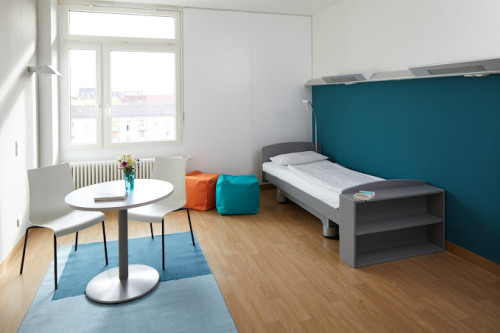
Private or Shared Rooms
Shared Bathroom

Amenities

Fitness Center
Outdoor Lounge
TV
Frequently Asked Questions

Further Research

The following therapies are included: group therapy, 1-on-1 counseling and more.
Mannheim, Germany.
The typical length is 10+ days.
Zentralinstitut für Seelische Gesundheit provides intensive inpatient, licensed primary mental health and more.

Explore More

Easily search by condition, location, and other programs tailored to meet your needs.