All CentersFlatirons Recovery - Denver

Flatirons Recovery - Denver

Substance Use

Treatment Focus

This center treats substance use disorders and co-occurring mental health conditions. Your treatment plan addresses each condition at once with personalized, compassionate care for comprehensive healing.

Outpatient

Primary Level of Care

Outpatient treatment offers flexible therapeutic and medical care without the need to stay overnight in a hospital or inpatient facility. Some centers offer intensive outpatient program (IOP), which falls between inpatient care and traditional outpatient service.

5.0
(16)
Claimed

Claimed

Recovery.com has connected directly with this treatment provider to validate the information in their profile.

Insurance

Provider's Policy

Flatirons works with most major private insurance carriers. They do NOT accept Medicare, Medicaid, or any state funded insurances.

Set in the Union Square part of Lakewood, Flatirons Recovery is a safe retreat for people on a journey to heal from substance use, mental health disorders, or dual diagnosis. Flatirons understands the challenges that come with seeking treatment while managing the demands of everyday life. That’s why they offer day treatment (partial hospitalization or PHP) and intensive outpatient programs (IOP), with a recovery residence available for clients who need it.

Discover Transformative Therapies

Flatirons Recovery’s core holistic treatments include mindfulness-based therapy to improve emotional regulation, gender-specific programs to address challenges unique to men and women, and the CRAFT program to empower families to support loved ones in recovery. Day treatment includes 6 hours per day and IOP 3 hours per day of individual therapy, group therapy, psychiatry, and more.

Develop a Strong Foundation with Mindfulness

In addition to traditional cognitive-behavioral techniques, Flatirons Recovery uses a mindfulness-based approach that emphasizes staying present and aware. Techniques include meditation, yoga, and biofeedback. These methods reduce stress, improve emotional regulation, and enhance coping mechanisms, making them essential for reducing the risk of relapse and improving overall well-being.

Take a Real-World Approach to Recovery

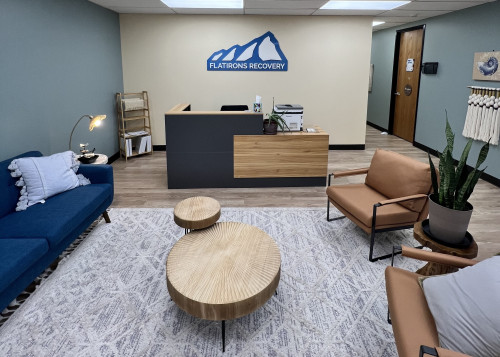
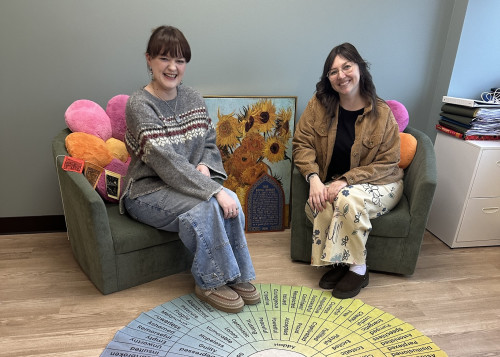
Flatirons’ program is structured to emulate a healthy, thriving life in long-term recovery. This means clients are out and about daily, and spend time in both of Flatirons’ locations: a healing office space for clinical and therapeutic work, and a cozy modern ranch house where clients focus on self-care, nourishment, and community-building. Beyond the time on the ranch, clients can expect a focus on sober fun, with outings such as hikes, rock climbing, paddleboarding, frisbee golf, visiting museums, bowling, sporting events, and gatherings with sober-living facilities.

AT A GLANCE

Center Overview

Location
12136 W. Bayaud Ave., Ste. 360, Lakewood, CO 80228 View Map
Primary Focus
This center treats substance use disorders and co-occurring mental healt...

Treatment Focus

This center treats substance use disorders and co-occurring mental health conditions. Your treatment plan addresses each condition at once with personalized, compassionate care for comprehensive healing.

Conditions We Treat
ADHD, ADD, Anger, Anxiety, Bipolar +6 More
Substance Use We Treat
Alcohol, Benzodiazepines, Chronic Relapse, Co-Occurring Disorders +8 More
How to pay

Insurance Accepted

BlueCross BlueShield
All Centers in Colorado
United Healthcare
United Healthcare
All Centers in Colorado
Medicaid
Medicaid(Not Accepted)
Medicare
Medicare(Not Accepted)
Provider's Policy: Flatirons works with most major private insurance carriers. They do NOT accept Medicare, Medicaid, or any state funded insurances.
Verify Insurance
Private Pay Option

Cash Pay Rates

Estimated Cash Pay Rate

Center pricing can vary based on program and length of stay. Contact the center for more information. Recovery.com strives for price transparency so you can make an informed decision.

We don't have pricing information for this center. Please contact the center for more information.
Staff

Meet Your Care Team

Mark Oberg

Mark Oberg

Co-Founder & CEO

LPC, LAC

Rachael Uris,

Rachael Uris,

Co-Founder & Director of Community Outreach

MA

Anya Garvey

Anya Garvey

Clinical Supervisor

LPC

Dr. Brian K. Wise

Dr. Brian K. Wise

Medical Director

MD, MPH, ABIHM, ABoIM

Benefit from Weekly Individual Therapy
At Flatirons Recovery, clients engage in a weekly, 1-hour individual therapy session in order to develop more insight into the behavioral patterns and other factors that influence their substance use. Clients also develop the ability to take appropriate action to begin the healing process. Topics addressed often include trauma, grief, habitual patterns, outdated core beliefs, family dynamics, self-esteem, communication, relationships, and healthy boundaries.
Heal Wounds Underlying Addiction
Flatirons’ dual-diagnosis programs address the whole person—not just the addiction but its roots. Their trained clinicians provide a full mental assessment and develop a treatment plan for each client with depression, anxiety, post-traumatic stress disorder (PTSD), or trauma. Clients are invited, though never forced, to explore the roots of their addiction through trauma therapies such as eye movement desensitization and reprocessing (EMDR).
Explore Alternative Therapies
Flatirons offers a variety of alternative therapies. Acupuncture helps reduce withdrawal symptoms, while massage therapy promotes relaxation. Nutritional therapy restores deficiencies caused by substance use and supports brain function. Safe, evidence-based herbal remedies can aid detoxification and the body’s natural healing processes. Art and music therapy provide outlets for self-expression and emotional release, while equine therapy builds trust, empathy, and emotional growth.
Help Prevent Relapse with Aftercare
Flatirons Recovery gives clients a higher chance of maintaining long-term recovery through continued services once treatment concludes. Their clinical team tailors aftercare programs for each client that can include ongoing 1-on-1 therapy sessions, medication management, case management, 12-Step meetings, biweekly alumni meetups, quarterly alumni events, sober housing, and continued holistic practices like yoga and meditation.
Care Options

Levels of Care

Everyone's recovery journey is unique. Whether it looks like residential rehab for 30 days, an outpatient program, or virtual therapy, you can find a level of care that fits your needs.
Detox
Not Offered at This Center
Typically the initial stage of treatment for substance use, focusing on medically supervised management of withdrawal symptoms.
Residential Rehab
Not Offered at This Center
Offering intensive care with 24/7 monitoring, residential substance use treatment is typically 30 days. Length can range from 14 to 90 days.
Sober Living
Not Offered at This Center
Transitional housing designed to support individuals recovering from substance use disorders offering a safe, supportive and structured environment for practicing long-term sobriety, while reintegrating back into daily living.
Day Treatment
In a PHP, patients live at home but follow an intensive schedule of treatment. Most programs require you to be on-site for about 40 hours per week.
Intensive Outpatient Program
An intensive outpatient program (IOP) falls between inpatient care and traditional outpatient services, with therapy and skills-building activities designed to support recovery and provide flexibility. IOP is ideal for those needing support but not the 24/7 care of a residential facility.
Outpatient
Outpatient treatment offers flexible therapeutic and medical care without the need to stay overnight in a hospital or inpatient facility. Outpatient care typically offers a range of therapies and medical interventions individuals can attend alongside daily life.
Virtual & In-Home Care
Not Offered at This Center
The delivery of therapeutic services utilizing technology such as video conferencing, online messaging or phone calls, allowing for flexibility, comfort and increased access to care.
Co-Occurring Mental Health
Treatment for co-occurring mental health disorders, which affect the majority of individuals diagnosed, integrates care for mental health conditions with primary substance use. Personalized care plans are crafted to effectively address each condition simultaneously, optimizing the healing process.
Treatment

Your Care Options

Specializations

Alcohol

Alcohol

Using alcohol as a coping mechanism, or drinking excessively throughout the week, signals an alcohol use disorder.

Cocaine

Cocaine

Cocaine is a stimulant with euphoric effects. Agitation, muscle ticks, psychosis, and heart issues are common symptoms of cocaine abuse.

Heroin

Heroin

Heroin is a highly addictive and illegal opioid. It can cause insomnia, collapsed veins, heart issues, and additional mental health issues.

Holistic

Holistic

A non-medicinal, wellness-focused approach that aims to align the mind, body, and spirit for deep and lasting healing.

Prescription Drugs

Prescription Drugs

It's possible to abuse any drug, even prescribed ones. If you crave a medication, or regularly take it more than directed, you may have an addiction.

Who We Treat

Men
Women
Young Adults

Young Adults

Emerging adults ages 18-25 receive treatment catered to the unique challenges of early adulthood, like college, risky behaviors, and vocational struggles.

LGBTQ+

LGBTQ+

Addiction and mental illnesses in the LGBTQ+ community must be treated with an affirming, safe, and relevant approach, which many centers provide.

Men and Women

Men and Women

Men and women attend treatment for addiction in a co-ed setting, going to therapy groups together to share experiences, struggles, and successes.

Midlife Adults

Midlife Adults

For adults ages 40+, treatment shifts to focus on the unique challenges, blocks, and risk factors of their age group, and unites peers in a similar community.

Approaches

Evidence-Based

Evidence-Based

A combination of scientifically rooted therapies and treatments make up evidence-based care, defined by their measured and proven results.

Holistic

Holistic

A non-medicinal, wellness-focused approach that aims to align the mind, body, and spirit for deep and lasting healing.

Personalized Treatment

Personalized Treatment

The specific needs, histories, and conditions of individual patients receive personalized, highly relevant care throughout their recovery journey.

Wellness

Wellness

Wellness philosophies focus on the physical, mental, and spiritual wellness of each patient, helping them restore purpose with natural remedies.

Therapies

1-on-1 Counseling

1-on-1 Counseling

Patient and therapist meet 1-on-1 to work through difficult emotions and behavioral challenges in a personal, private setting.

1-on-1 Counseling with Clinical Psychologist
Acceptance and Commitment Therapy (ACT)

Acceptance and Commitment Therapy (ACT)

This cognitive behavioral therapy teaches patients to accept challenging feelings and make the appropriate changes to reach personal goals.

Acupuncture
Adventure Therapy

Adventure Therapy

This experiential approach uses the physical and emotional challenges of outdoor activities as tools for personal growth.

Art Therapy

Art Therapy

Visual art invites patients to examine the emotions within their work, focusing on the process of creativity and its gentle therapeutic power.

Cognitive Behavioral Therapy
Eye Movement Therapy (EMDR)

Eye Movement Therapy (EMDR)

Lateral, guided eye movements help reduce the emotional reactions of retelling and reprocessing trauma, allowing intense feelings to dissipate.

Family Therapy

Family Therapy

Family therapy addresses group dynamics within a family system, with a focus on improving communication and interrupting unhealthy relationship patterns.

Languages

English

Conditions We Treat

ADHD, ADD

ADHD, ADD

ADHD is a common mental health condition caused by dopamine imbalance. Common symptoms include inattention, hyperactivitiy, and impulsivity.

Anger

Anger

Although anger itself isn't a disorder, it can get out of hand. If this feeling interferes with your relationships and daily functioning, treatment can help.

Anxiety

Anxiety

Anxiety is a common mental health condition that can include excessive worry, panic attacks, physical tension, and increased blood pressure.

Bipolar

Bipolar

This mental health condition is characterized by extreme mood swings between depression, mania, and remission.

Codependency

Codependency

Codependency is a pattern of emotional dependence and controlling behavior. It's most common among people with addicted loved ones.

Depression

Depression

Symptoms of depression may include fatigue, a sense of numbness, and loss of interest in activities. This condition can range from mild to severe.

Grief and Loss

Grief and Loss

Grief is a natural reaction to loss, but severe grief can interfere with your ability to function. You can get treatment for this condition.

Post Traumatic Stress Disorder

Post Traumatic Stress Disorder

PTSD is a long-term mental health issue caused by a disturbing event or events. Symptoms include anxiety, dissociation, flashbacks, and intrusive thoughts.

Stress

Stress

Stress is a natural reaction to challenges, and it can even help you adapt. However, chronic stress can cause physical and mental health issues.

Substances We Treat

Alcohol

Alcohol

Using alcohol as a coping mechanism, or drinking excessively throughout the week, signals an alcohol use disorder.

Benzodiazepines

Benzodiazepines

Benzodiazepines are prescribed to treat anxiety and sleep issues. They are highly habit forming, and their abuse can cause mood changes and poor judgement.

Chronic Relapse

Chronic Relapse

Consistent relapse occurs repeatedly, after partial recovery from addiction. This condition requires long-term treatment.

Co-Occurring Disorders

Co-Occurring Disorders

A person with multiple mental health diagnoses, such as addiction and depression, has co-occurring disorders also called dual diagnosis.

Cocaine

Cocaine

Cocaine is a stimulant with euphoric effects. Agitation, muscle ticks, psychosis, and heart issues are common symptoms of cocaine abuse.

Drug Addiction

Drug Addiction

Drug addiction is the excessive and repetitive use of substances, despite harmful consequences to a person's life, health, and relationships.

Heroin

Heroin

Heroin is a highly addictive and illegal opioid. It can cause insomnia, collapsed veins, heart issues, and additional mental health issues.

Marijuana
Methamphetamine

Methamphetamine

Methamphetamine, or meth, increases energy, agitation, and paranoia. Long-term use can result in severe physical and mental health issues.

Aftercare

Family Follow-up Counseling
Support Meetings
Follow-up Sessions (online)
Relapse Prevention Planning
Ability to Call a Counselor
Alumni Events & Get-Togethers
Follow-up Sessions (in-person)
Outpatient Treatment
Private, Online Alumni Groups
Experience

Care Designed for Your Needs

Special Considerations

Dietary Accommodations
Wheelchair Accessible

Activities

AA/NA Meetings
Alternative Meetings
Frequently Asked Questions

Further Research

The following therapies are included: acupuncture, mindfulness-based cognitive therapy and more.
Lakewood, Colorado, United States.
Flatirons works with most major private insurance carriers. They do NOT accept Medicare, Medicaid, or any state funded insurances.
Flatirons Recovery - Denver provides day treatment, intensive outpatient program and more.

Explore More

Easily search by condition, location, and other programs tailored to meet your needs.