Dallas Detox and Mental Health Center

Verified Center

This provider's information has been quality-checked by Recovery.com's Research Team for accuracy and completeness, including center verification through appropriate third-party organizations.

Substance Use and Mental Health

Treatment Focus

This center treats substance use disorders and mental health conditions. You'll receive individualized care catered to your unique situation and diagnosis, learn practical skills for recovery, and make new connections in a restorative environment.

Residential

Primary Level of Care

Offering intensive care with 24/7 monitoring, residential treatment is typically 30 days and can cover multiple levels of care. Length can range from 14 to 90 days typically.

4.2
(101)
Insurance

Provider's Policy

We accept most major insurance plans and are dedicated to making the admissions process as seamless as possible.

Located west of Fort Worth, Dallas Detox & Mental Health Center provides evidence-based, supportive clinical care for those seeking recovery from substance use, primary mental health, and co-occurring disorders. Their client-to-counselor ratio allows for one-on-one time and personalized treatment plans, creating a recovery experience that is as restorative as it is effective. They also provide specialized tracks tailored to the unique life experiences of professionals, veterans, first responders, and young adults.

Combine Evidence-Based & Holistic Therapies

DDC understands that each client’s recovery journey is unique, so they handcraft individualized treatment plans. Whether addressing substance use disorders, co-occurring conditions, or primary mental health challenges, they deliver treatment built on proven therapeutic methods like cognitive behavioral therapy (CBT), dialectical behavior therapy (DBT), eye movement desensitization and reprocessing (EMDR), and family therapy. They combine these with more active, hands-on methods, including work with horses to build trust and reduce stress outside of a therapist’s office.

Heal in a Peaceful, Supportive Environment

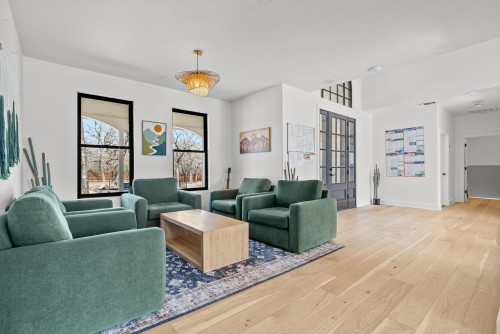
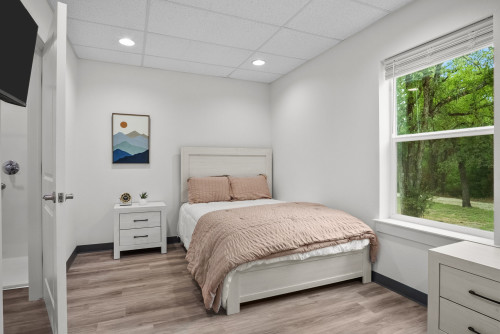
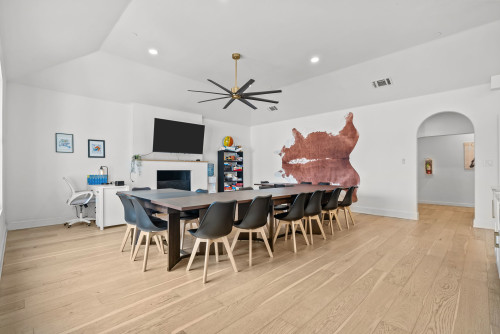
Surrounded by acres of greenery, each of DDC’s three co-ed residences has a home-like feel and welcomes 16–20 clients. The campus includes an outdoor pool and fire pit, fitness equipment, lounges and mindfulness zones, and holistic spa services. Clients stay in private or semi-private, gender-specific rooms with flat-screen TVs, share bathrooms with organic toiletries, and enjoy housekeeping and laundry service. Meals are prepared by staff and occasionally ordered in.

Protect Progress with Aftercare & Alumni Support

Dallas Detox Center provides the clinical safety net and peer community clients need to navigate early recovery with confidence. Through ongoing psychiatric check-ins, medication management, and personalized coaching sessions, aftercare helps the coping mechanisms developed during inpatient care become a sustainable, substance-free lifestyle. Clients also receive lifetime access to a private, peer-led community of alumni, and families receive ongoing support as well.

Highlights from the Center

Highlights

These highlights are provided by and paid for by the center.

  • Pool

  • Licensed for Both Addiction & Mental Health

  • Trauma-Informed Care

  • Private Rooms Available

AT A GLANCE

Center Overview

Location
100 Mariah Drive, Weatherford, Texas 76087 View Map
Part of
network
Primary Focus
This center treats substance use disorders and mental health conditions....

Treatment Focus

This center treats substance use disorders and mental health conditions. You'll receive individualized care catered to your unique situation and diagnosis, learn practical skills for recovery, and make new connections in a restorative environment.

Accreditation
Joint Commission

Joint Commission Accredited

The Joint Commission accreditation is a voluntary, objective process that evaluates and accredits healthcare organizations (like treatment centers) based on performance standards designed to improve quality and safety for patients. To be accredited means the treatment center has been found to meet the Commission's standards for quality and safety in patient care.

Conditions We Treat
Anxiety, Bipolar, Depression, Personality Disorders +2 More
Substance Use We Treat
Alcohol, Benzodiazepines, Co-Occurring Disorders, Cocaine +5 More
How to pay

Insurance Accepted

BlueCross BlueShield
All Centers in Texas
United Healthcare
United Healthcare
All Centers in Texas
Carelon Behavioral Health
All Centers in Texas
Provider's Policy: We accept most major insurance plans and are dedicated to making the admissions process as seamless as possible.
(817) 616-6395
Private Pay Option

Cash Pay Rates

Estimated Cash Pay Rate

Center pricing can vary based on program and length of stay. Contact the center for more information. Recovery.com strives for price transparency so you can make an informed decision.

We don't have pricing information for this center. Please contact the center for more information.

Luxury rehab centers offer a unique blend of luxurious amenities and high-quality treatment. From private suites to gourmet dining, personal trainers to spa treatments, these facilities provide a high level of comfort and discretion.

Top 50 Rehabs in the World
Explore All Luxury Treatment Centers
Staff

Meet Your Care Team

Antoine Gross Sr

Antoine Gross Sr

Director of Clinical Services (Mental Health Program)

Deborah Wade

Deborah Wade

Director of Nursing

Eric Stutes

Eric Stutes

Director of Clinical Services (Substance Abuse Program)

LCDC

Samuel Lee

Samuel Lee

Director of Operations

Stabilize & Heal Mental Health
Clients with primary mental health conditions like anxiety, depression, bipolar, and trauma disorders receive 24/7, live-in care. Experienced in treating high-acuity cases, DDC ensures every client receives the stabilization and therapeutic tools necessary to regain control of their life in a safe environment with more intensive support than outpatient therapy.
Receive Care Relevant to Age, Profession, or Gender
Recognizing that recovery needs differ across professions and identities, DDC offers specialized tracks for distinct populations. Business leaders receive discreet care for burnout, while veterans and first responders engage in trauma-informed care for frontline stress. Young adults and students build life skills, while men and women access gender-specific spaces addressing specific emotional and social barriers.
Treat Addiction & Co-Occurring Disorders Simultaneously
DDC treats addiction and co-occurring mental health conditions as one interconnected challenge, not separate issues. Clients engage in integrated care where detox, medication management, and therapy work together. This approach helps break cycles of self-medication, building emotional resilience and equipping clients to manage mental health without returning to substance use.
Experience Safe, Medically Supervised Detox
DDC provides the medical oversight needed to navigate withdrawal safely. They use specialized detoxification protocols for alcohol, opioids, and prescription drugs, preparing clients physically and mentally for residential treatment. Clients are supervised 24/7 and given FDA-approved medications to minimize physical pain and cravings, creating a manageable, safe start to their wellness journey.
Care Options

Levels of Care

Substance use and mental health issues can occur simultaneously or as primary conditions. Effective treatment explores how mental health conditions contribute to addiction, and vice-versa. Many rehabs treat substance use disorders and mental health conditions with personalized care plans.
Included
Detox
Typically the initial stage of treatment for substance use, focusing on medically supervised management of withdrawal symptoms.
Included
Residential
Residential programs for substance use and mental health with structured care and 24/7 monitoring. Treatment takes place on-site, with behavioral health professionals often providing care in group, individual, and family settings.
Not included
Sober Living
Not Offered at This Center
Transitional housing designed to support individuals recovering from substance use disorders offering a safe, supportive and structured environment for practicing long-term sobriety, while reintegrating back into daily living.
Not included
Outpatient
Not Offered at This Center
Outpatient treatment offers flexible therapeutic and medical care without the need to stay overnight in a hospital or inpatient facility. Outpatient care typically offers a range of therapies and medical interventions individuals can attend alongside daily life.
Not included
Virtual & In-Home Care
Not Offered at This Center
The delivery of therapeutic services utilizing technology such as video conferencing, online messaging or phone calls, allowing for flexibility, comfort and increased access to care.
Included
Co-Occurring Disorders
Substance use and mental health can occur simultaneously as co-occurring disorders. Treatment for co-occurring disorders involves therapy and other personalized interventions to address both conditions.
Treatment

Your Care Options

Specializations

Alcohol

Alcohol

Using alcohol as a coping mechanism, or drinking excessively throughout the week, signals an alcohol use disorder.

Anxiety

Anxiety

Anxiety is a common mental health condition that can include excessive worry, panic attacks, physical tension, and increased blood pressure.

Detox

Detox

Detox fully and safely removes toxic substances from the body, allowing the next steps in treatment to begin with a clean slate.

Bipolar

Bipolar

This mental health condition is characterized by extreme mood swings between depression, mania, and remission.

Co-Occurring Disorders

Co-Occurring Disorders

A person with multiple mental health diagnoses, such as addiction and depression, has co-occurring disorders also called dual diagnosis.

Depression

Depression

Symptoms of depression may include fatigue, a sense of numbness, and loss of interest in activities. This condition can range from mild to severe.

Residential

Residential

In a residential rehab program, patients live onsite, with access to daily treatment and 24-hour care. An average stay is 30-90 days.

Trauma

Trauma

Some traumatic events are so disturbing that they cause long-term mental health problems. Those ongoing issues can also be referred to as "trauma."

Who We Treat

Men
Women
Young Adults

Young Adults

Emerging adults ages 18-25 receive treatment catered to the unique challenges of early adulthood, like college, risky behaviors, and vocational struggles.

Men and Women

Men and Women

Men and women attend treatment for addiction in a co-ed setting, going to therapy groups together to share experiences, struggles, and successes.

Professionals

Professionals

Busy, high-ranking professionals get the personalized treatment they need with greater accommodations for work, privacy, and outside communication.

Veterans

Veterans

Patients who completed active military duty receive specialized treatment focused on trauma, grief, loss, and finding a new work-life balance.

Approaches

Evidence-Based

Evidence-Based

A combination of scientifically rooted therapies and treatments make up evidence-based care, defined by their measured and proven results.

Gender-Specific

Gender-Specific

Separate treatment for men or women can create strong peer connections and remove barriers related to trauma, shame, and gender-specific nuances.

Holistic

Holistic

A non-medicinal, wellness-focused approach that aims to align the mind, body, and spirit for deep and lasting healing.

Individual Treatment

Individual Treatment

Individual care meets the needs of each patient, using personalized treatment to provide them the most relevant care and greatest chance of success.

Personalized Treatment

Personalized Treatment

The specific needs, histories, and conditions of individual patients receive personalized, highly relevant care throughout their recovery journey.

Therapies

1-on-1 Counseling

1-on-1 Counseling

Patient and therapist meet 1-on-1 to work through difficult emotions and behavioral challenges in a personal, private setting.

Art Therapy

Art Therapy

Visual art invites patients to examine the emotions within their work, focusing on the process of creativity and its gentle therapeutic power.

Cognitive Behavioral Therapy

Cognitive Behavioral Therapy

Cognitive Behavioral Therapy helps people identify and change unhelpful thought patterns and behaviors that contribute to emotional distress.

Dialectical Behavior Therapy

Dialectical Behavior Therapy

Dialectical Behavior Therapy teaches skills for managing emotions, improving relationships, tolerating distress, and increasing mindfulness.

Equine Therapy

Equine Therapy

Guided interactions with trained horses, their handler, and a therapist can help patients improve their self-esteem, trust, empathy, and social skills.

Eye Movement Therapy (EMDR)

Eye Movement Therapy (EMDR)

Lateral, guided eye movements help reduce the emotional reactions of retelling and reprocessing trauma, allowing intense feelings to dissipate.

Group Therapy

Group Therapy

Group therapy brings people together in a supportive setting to share experiences, develop skills, and work toward common goals.

Medication-Assisted Treatment

Medication-Assisted Treatment

Combined with behavioral therapy, prescribed medications can enhance treatment by relieving withdrawal symptoms and focus patients on their recovery.

Rational Emotive Behavior Therapy

Rational Emotive Behavior Therapy

A type of cognitive therapy that identifies negative self-defeating thoughts and behaviors, rewriting beliefs to be positive, empowering, and present.

Languages

English

Conditions We Treat

Anxiety

Anxiety

Anxiety is a common mental health condition that can include excessive worry, panic attacks, physical tension, and increased blood pressure.

Bipolar

Bipolar

This mental health condition is characterized by extreme mood swings between depression, mania, and remission.

Depression

Depression

Symptoms of depression may include fatigue, a sense of numbness, and loss of interest in activities. This condition can range from mild to severe.

Personality Disorders

Personality Disorders

Personality disorders destabilize the way a person thinks, feels, and behaves. If untreated, they can undermine relationships and lead to severe distress.

Post Traumatic Stress Disorder

Post Traumatic Stress Disorder

PTSD is a long-term mental health issue caused by a disturbing event or events. Symptoms include anxiety, dissociation, flashbacks, and intrusive thoughts.

Trauma

Trauma

Some traumatic events are so disturbing that they cause long-term mental health problems. Those ongoing issues can also be referred to as "trauma."

Substances We Treat

Alcohol

Alcohol

Using alcohol as a coping mechanism, or drinking excessively throughout the week, signals an alcohol use disorder.

Benzodiazepines

Benzodiazepines

Benzodiazepines are prescribed to treat anxiety, insomnia, and seizures. They can be habit-forming and may cause drowsiness, memory problems, and dependence.

Co-Occurring Disorders

Co-Occurring Disorders

A person with multiple mental health diagnoses, such as addiction and depression, has co-occurring disorders also called dual diagnosis.

Cocaine

Cocaine

Cocaine is a stimulant with euphoric effects. Agitation, muscle ticks, psychosis, and heart issues are common symptoms of cocaine use.

Drug Addiction

Drug Addiction

Drug addiction is the excessive and repetitive use of substances, despite harmful consequences to a person's life, health, and relationships.

Heroin

Heroin

Heroin is a highly addictive opioid that produces feelings of euphoria and relaxation. Its use carries serious risks, including overdose and dependence.

Methamphetamine

Methamphetamine

Methamphetamine is a powerful stimulant that increases energy and alertness. Repeated use can lead to addiction and significant physical and mental health risks.

Opioids

Opioids

Opioids produce pain-relief and euphoria, which can lead to addiction. This class of drugs includes prescribed medication and the illegal drug heroin.

Prescription Drugs

Prescription Drugs

It's possible to develop an addiction to any drug, even prescribed ones. If you crave a medication, or regularly take it more than directed, you may have an addiction.

Experience

Care Designed for Your Needs

Personal Amenities

Air-Conditioned Rooms
Chef-prepared Meals
Private or Shared Rooms
Luxury

Amenities

Access to Nature
Gardens
Gourmet Dining
Internet
Outdoor Lounge

Special Considerations

Flexible technology policies

Flexible technology policies

Centers with flexible technology policies allow professionals to stay in touch with work and give patients a greater sense of connection and normalcy.

Dietary Accommodations
Healthy Meals are provided

Healthy Meals are provided

Great food meets great treatment, with providers serving healthy meals to restore nutrition, wellbeing, and health.

Frequently Asked Questions

Further Research

While costs may vary due to program length and insurance benefits, it typically costs Estimated Cash Pay Rate.
The following therapies are included: group therapy, 1-on-1 counseling and more.
Weatherford, Texas, United States.
We accept most major insurance plans and are dedicated to making the admissions process as seamless as possible.
Yes, they offer detox.
Dallas Detox and Mental Health Center provides detox, residential and more.