Find Treatment By
Rehabs by Location


Learn
About Us
Recovery.com combines independent research with expert guidance on addiction and mental health treatment. Our mission is to help everyone find the best path to recovery through the most comprehensive, helpful network of treatment providers worldwide.
Advisory Council
Our advisory council brings together leaders in behavioral health, technology, and business. Their diverse expertise ensures our resources and product are innovative, evidence-based, and effective. They guide our mission as accomplished individuals dedicated to improving the landscape of addiction recovery and mental wellness.
Cocaine Overdose: Signs, Symptoms, & What to Do




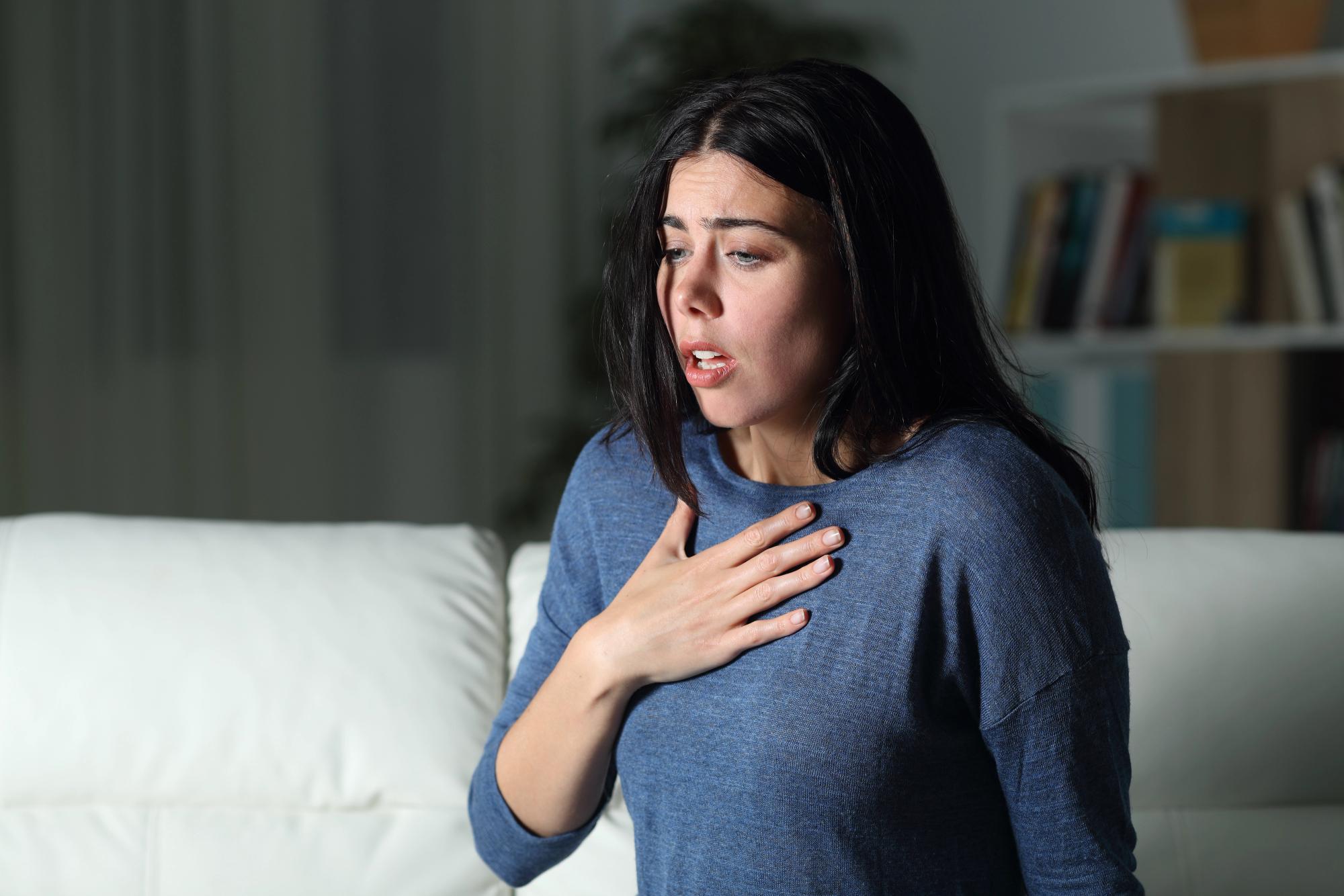
If you or someone you love is overdosing on cocaine, call 911 immediately.
Cocaine, an illicit and highly addictive stimulant substance, can have widely variable effects on an individual that can sometimes be unpredictable. As a consequence, it can be hard to know how much is too much for any given person. Overdosing on any drug, including cocaine, is always considered a medical emergency.1
What to Do if Someone Is Overdosing on Cocaine
Cocaine-involved overdoses are on the rise and can appear as (and quickly become) a medical emergency. If you think someone is overdosing on cocaine, do not hesitate – call 911 right away.2 If there is any possibility opioids were involved (meaning if the person has lost consciousness and is not breathing, for example) administer naloxone immediately and remain with the person until help arrives.2
A Note About Naloxone
Naloxone, which is sold in different forms under various brand names including Narcan, Kloxxado, and Evzio, is a medication that can reverse the effects of an opioid overdose.3 Narcan, which is one of the most popular opioid overdose reversal drugs on the market, can be purchased without a prescription in most major pharmacies throughout the United States.3
Given the rise of polysubstance overdose in the United States, there is significant potential that street substances like cocaine may be taken in conjunction with opioids like fentanyl, both with and without the person being aware of it.4 Therefore, if you have access to naloxone and believe opioids were involved in a cocaine overdose, administer it right away after calling 911.5 Naloxone will not cause harm to someone who does not have opioids in their system, however it can potentially save their life if they do.5
Find The Perfect Treatment For You
Answer a few questions and we'll match you with the best options.
What Are You Struggling With?
What Kind of Care Do You Need?
What Insurance Do You Have?
Signs of a Cocaine Overdose
There are some common signs that someone who is overdosing on stimulants like cocaine may exhibit. Some of these include, but are not limited to, the following:1
- Headache
- Vomiting or diarrhea
- Tremors
- Irregular breathing
- High blood pressure
- High body temperature
- Blurred vision
- Paranoia
- Extreme sweating
- Severe agitation, restlessness, confusion
Potentially life-threatening effects can also occur, including cardiac arrest, seizure, and respiratory failure.1
Can You Die From a Cocaine Overdose?
Yes, you can die from a cocaine overdose.1 In fact, the Centers for Disease Control and Prevention reported an estimated 22,174 cocaine overdose deaths in the United States in 2024.6
An overdose occurs when there is more of a substance in the body than the body can properly process.2 The exact effects of a drug overdose depends on many factors, including the type of drug that is present in the body at the time.
Explore Cocaine Treatment Centers
Risk Factors for Cocaine Overdose
Cocaine can have serious effects on the body, many of which can contribute to overdose and prove fatal.1 Some of the most common factors that increase one’s risk of overdosing on drugs like cocaine include, but are not limited to, the following:1,7
- Route of administration (e.g., smoked, snorted, injected, etc.)
- Consuming large amounts of the substance at a time
- Having a tolerance to cocaine
- The presence of underlying physical and health conditions
- Using more than one substance at a time
While these factors increase the likelihood of a cocaine overdose, it is important to be aware that any amount of cocaine consumption can be fatal.5
Dangers of Cocaine Mixed with Fentanyl
In 2023, nearly more than 20,000 of the 80,391 fatal drug overdoses in the United States were due to cocaine.6 Within that same year, an estimated 48,422 people died due to synthetic opioid overdoses, such as fentanyl.6
The use of more than one substance, or polysubstance use, is common.4 In many cases, combined opioid and cocaine use is intentional, with the individual either co-administering the drugs simultaneously or using opioids and stimulants at different times.4 In some cases, drug dealers mix fentanyl or other synthetic opioids into other drugs they are trying to sell, either accidentally while preparing drugs for sale or purposefully.4
The combined use of a stimulant like cocaine and an opioid like fentanyl, which can suppress breathing, creates highly unpredictable possibilities, as their simultaneous use can modify or mask effects of one another, increasing the likelihood of overdose.4













Treatment for Cocaine Addiction
If you or someone you love has a cocaine addiction, know that you are not alone. You do not need to remain trapped in an endless cycle of misuse, as there are treatment options available that can help you reclaim control of your life.
There are several levels of care that can meet you where you are at in the recovery process. Depending on your needs and overall treatment goals, you may be a good fit for one or more of the following programming options:
- Medical Detox
- Inpatient treatment
- Partial hospitalization programs
- Intensive outpatient programs
- Outpatient treatment
Once you have completed your course of care, you can continue to grow in your recovery with additional support, such as that offered through aftercare and sober living.
Get Help For Yourself or A Loved One Today
If you’re ready to find addiction treatment for yourself or a loved one, we’re here to help. Browse top medical detox centers in the US, inpatient addiction treatment facilities, aftercare options, and more to start on the path to recovery. You can search for rehab by insurance carrier, location, amenities, and more for free. Don’t wait. Get help today.
FAQs
Yes; accidental overdoses are common because the purity of street cocaine is unpredictable, and users may not know how strong the drug or any added substances (like fentanyl) are, greatly increasing the risk of a toxic reaction.
Yes; even if someone survives an overdose, they may face lasting damage to the heart, brain, or other organs, increased risk of future overdose, and mental health challenges. Getting help for cocaine use disorder can reduce these risks and improve long-term health outcomes.
Before a full overdose, people may show symptoms like extreme anxiety or panic, restlessness, profuse sweating, nausea, vomiting, head pain, dizziness, or a feeling that something is very wrong. These early warning signs mean immediate help is needed.
No. There isn’t a direct antidote that reverses cocaine’s effects the way naloxone does for opioids. Medical care focuses on stabilizing breathing and circulation and treating complications such as seizures or heart problems. However, if the cocaine is contaminated with opioids, naloxone may help with the opioid component.
Yes — even first-time use can cause an overdose because of unpredictable purity, dose strength, and personal sensitivity.





Our Promise
How Is Recovery.com Different?
We believe everyone deserves access to accurate, unbiased information about mental health and recovery. That's why we have a comprehensive set of treatment providers and don't charge for inclusion. Any center that meets our criteria can list for free. We do not and have never accepted fees for referring someone to a particular center. Providers who advertise with us must be verified by our Research Team and we clearly mark their status as advertisers.
Our goal is to help you choose the best path for your recovery. That begins with information you can trust.