Find Treatment By
Rehabs by Location


Learn
About Us
Recovery.com combines independent research with expert guidance on addiction and mental health treatment. Our mission is to help everyone find the best path to recovery through the most comprehensive, helpful network of treatment providers worldwide.
Advisory Council
Our advisory council brings together leaders in behavioral health, technology, and business. Their diverse expertise ensures our resources and product are innovative, evidence-based, and effective. They guide our mission as accomplished individuals dedicated to improving the landscape of addiction recovery and mental wellness.
Benzodiazepine Overdose: Signs, Risk Factors, and Treatment




If someone is overdosing on benzodiazepines or any other substance, call 911 immediately. If available, administer naloxone as quickly as possible and try to keep the person awake.* Lay them on their side to keep their airway clear and prevent choking and wait until emergency services arrive.
*Naloxone does not reverse a benzodiazepine overdose on its own, but it should still be given if available. Most benzodiazepine overdoses involve other substances, especially opioids. While naloxone won’t cause harm, it could be life-saving if opioids are involved.
Benzodiazepines are a class of medications known as central nervous system (CNS) depressants, which are often prescribed for various medical purposes, but they can also be misused.1 Misusing benzodiazepines, especially using them in combination with other substances such as opioids or alcohol, can increase your risk of overdose.1
According to the Centers for Disease Control and Prevention (CDC), benzo overdose has become an emerging public health problem. For example, emergency department visits due to benzodiazepine overdose increased from 2019 to 2020, including those involving opioids (34.4%) and without opioids (21%).2 From April to June 2019, and April to June 2020, prescription and illicit benzodiazepine overdose deaths increased by 21.8% and 519.6%, respectively.2
Due to the potential for overdose, it’s important to understand how benzos work and what to do if you or someone around you is experiencing an overdose. This article will help you understand the risk factors and symptoms of benzodiazepine overdose and treatment options for benzodiazepine addiction.
What Are Benzodiazepines?
Benzodiazepines, sometimes referred to as simply “benzos,” are Schedule IV substances under the Controlled Substances Act, which means they have a low potential for misuse and dependence; however, people can still misuse them.1,3
Benzodiazepines have sedative-hypnotic, muscle relaxant, anticonvulsant, and anti-anxiety effects by enhancing the effects of GABA in the brain.4 They can cause depressant effects on the central nervous system, which means that they slow down your brain activity and can therefore reduce anxiety and induce sleep.1
While benzodiazepines are often prescribed to treat anxiety and insomnia, they may also be used to treat other conditions, such as withdrawal from alcohol and other substances, or as an adjunct to anesthesia.4
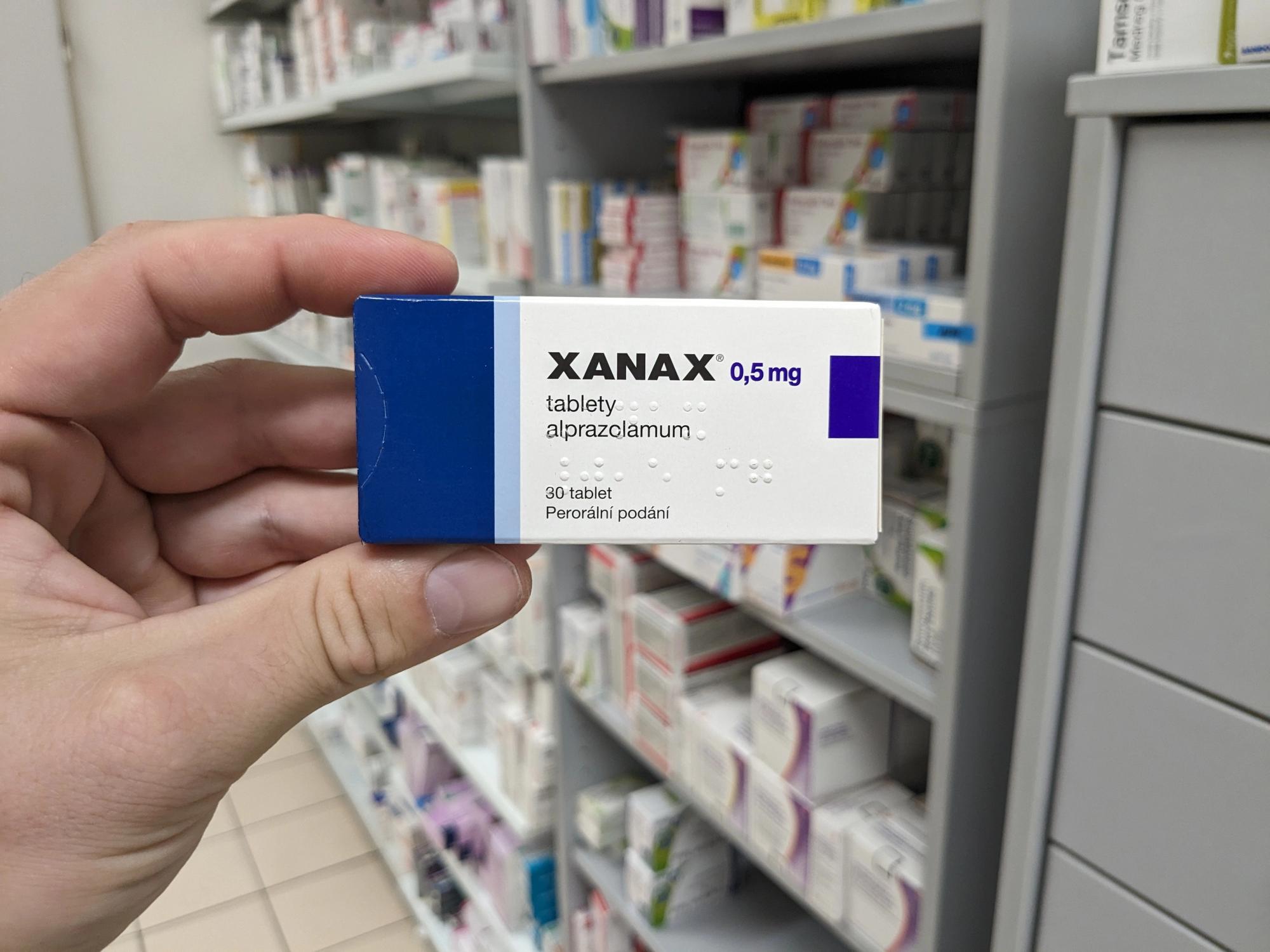
Although there are many benzodiazepines on the market, common brand names of benzodiazepines include:1,4
Benzodiazepines look like and typically come as capsules or tablets, but some are also available as injectable preparations or as syrups.4 Benzodiazepines are only legally available by prescription, but people who misuse them may obtain them by getting multiple prescriptions from different doctors, forging prescriptions, or buying diverted pharmaceutical products on the illicit market.1,4 People typically misuse benzos by swallowing the tablets or capsules, or crushing or opening them up and snorting the powder.1
The misuse of benzodiazepines is common among people who also misuse heroin and cocaine. People who misuse opioids may also misuse benzodiazepines to increase feelings of euphoria.1
Find The Perfect Treatment For You
Answer a few questions and we'll match you with the best options.
What Are You Struggling With?
What Kind of Care Do You Need?
What Insurance Do You Have?
Can You Overdose on Benzodiazepines?
Yes, you can overdose on benzodiazepines, particularly if you take high doses or combine them with other CNS depressants like alcohol or opioids.4 A drug overdose means that the ingestion of a substance or co-ingestion of more than one substance at a time has overwhelmed your body and caused adverse, and potentially life-threatening, effects.1
Explore Benzodiazepines Treatment Centers
Signs of Benzodiazepine Overdose
The typical clinical presentation of a benzodiazepine overdose include the following signs:1
- Slurred speech.
- Extreme drowsiness.
- Confusion.
- Impaired coordination.
- Decreased reflexes.
- Respiratory depression.
- Coma.
- Possible death.
Overdose due to the use of benzodiazepines alone is not typically fatal, but can cause adverse effects.4 Most lethal overdoses are due to the combination of benzodiazepines with other substances, especially other CNS depressants like alcohol or opioids.4














Benzodiazepine Overdose Risk Factors
Mixing benzos with opioids and alcohol is a serious overdose risk factor, which can cause severe sedation, slowed breathing, hypotension, coma, and death.1 Mixing or misusing multiple substances, also known as polysubstance misuse, can be dangerous because this practice can lead to stronger or unpredictable effects and potentially cause death.5 This also applies to combining alcohol or opioids with prescription drugs and medications that you receive from a doctor.5
Additionally, if you use street or illicit drugs, you can never be sure what substances you’re taking. Drugs that you buy illegally may have been mixed or cut with other substances like fentanyl, without your knowledge, and this can increase your risk of overdose.5
Benzodiazepines and Opioids
Research has shown that people who are prescribed or misuse benzos and opioids at the same time are at higher risk for overdose and overdose-related death.6
If you use these two substances together, you should know the risk factors associated with opioid overdose to help avoid a potentially harmful combination of benzos and opioids, which could result in overdose:7
- Having sleep-disordered breathing, such as sleep apnea, which can increase the risk of respiratory depression.
- Having renal (kidney) or hepatic (liver) insufficiency.
- Being older than 65.
- Having a mental health condition.
- Having a substance use disorder.
- Having had a previous overdose.
Overdose can also be a particular risk when people who have been abstinent (haven’t used a substance) for a certain period, and then resume using the same amount as they did before they quit.
Treatment for Benzodiazepine Overdose
An overdose is a medical emergency. If you suspect an overdose, even if you’re not sure if it is, it’s important to call 911 right away. You could save a person’s life.5 In addition, you should:5
- Keep the person awake and breathing.
- Lay them on their side to prevent choking.
- Stay with the person until emergency services have arrived.
Treatment for an overdose isn’t done in the context of formal addiction treatment but is provided in a hospital and/or by emergency services.8
People will typically receive supportive care in an emergency room setting, which can include intubation to help manage breathing and other services to help them become medically stable.8 The prognosis for someone who has overdosed can depend on how quickly they receive medical attention from qualified healthcare professionals.8
How to Find Benzodiazepine Addiction Treatment Near You
After an overdose, and after completing a detox and withdrawal management program, it’s important for people to continue addiction treatment.8 Addiction treatment can include a variety of components depending on your needs, like behavioral therapy, medication management, and mutual support groups.7
Due to safety concerns and the risk of suicide, which is especially high in people who use benzodiazepines and alcohol or opioids together, the Substance Abuse and Mental Health Services Administration (SAMHSA) advises hospitalization or some form of 24-hour care for people who are withdrawing from benzodiazepines.9
Undergoing benzodiazepine withdrawal without medical supervision is not advised because of the risk of serious and potentially life-threatening medical complications such as seizures, delirium, an increased risk of falls, and myocardial infarction (heart attack) in the elderly.9 Being monitored by qualified healthcare providers during this time can help keep you safe.
If you or someone you care about is struggling with benzodiazepine addiction or has experienced a benzodiazepine overdose, it’s important to know that help is available. It’s never too late to seek treatment.
Find Treatment Centers for Benzodiazepine Misuse and Overdose Recovery
Recovering from benzodiazepine misuse or an overdose often requires professional, ongoing care, especially if other substances like opioids or alcohol are involved. Recovery.com makes it easy to find treatment centers that offer medical detox, inpatient rehab, and outpatient programs tailored to your needs. Explore trusted options near you and take the first step toward safer, long-term recovery today.
FAQs
Yes, you can overdose on benzodiazepines, especially if you take high doses or mix them with other central nervous system depressants like opioids or alcohol. While benzodiazepines alone are less likely to cause fatal overdose, combining them with other substances significantly increases the risk of slowed breathing, coma, and death. The Centers for Disease Control and Prevention reports rising overdose deaths involving both prescription and illicit benzodiazepines.
Common signs include extreme drowsiness, confusion, ataxia or poor coordination, slowed reflexes, and trouble breathing. In severe cases, a person may become unresponsive or fall into a coma. Any suspected overdose is a medical emergency and requires immediate attention by calling 911.
Benzodiazepines, opioids, and alcohol all depress the central nervous system, which controls breathing and heart rate. When taken together, their effects can compound, leading to severe respiratory depression and a much higher risk of fatal overdose. Research shows that people who use opioids and benzodiazepines at the same time face significantly increased overdose risk.
Call 911 immediately if you suspect an overdose. While waiting for emergency services, try to keep the person awake, monitor their breathing, and place them on their side to prevent choking. Quick medical intervention and emergency medicine, such as that offered in a hospital setting, can greatly improve outcomes.
Yes, withdrawing from benzodiazepines without medical supervision can be dangerous and, in some cases, life-threatening. Symptoms may include seizures, severe anxiety, delirium, and other complications, especially for people who have used high doses or combined substances. Medical detox and ongoing treatment can provide safer support during withdrawal and recovery.

Our Promise
How Is Recovery.com Different?
We believe everyone deserves access to accurate, unbiased information about mental health and recovery. That's why we have a comprehensive set of treatment providers and don't charge for inclusion. Any center that meets our criteria can list for free. We do not and have never accepted fees for referring someone to a particular center. Providers who advertise with us must be verified by our Research Team and we clearly mark their status as advertisers.
Our goal is to help you choose the best path for your recovery. That begins with information you can trust.