Find Treatment By
Rehabs by Location


Learn
About Us
Recovery.com combines independent research with expert guidance on addiction and mental health treatment. Our mission is to help everyone find the best path to recovery through the most comprehensive, helpful network of treatment providers worldwide.
Advisory Council
Our advisory council brings together leaders in behavioral health, technology, and business. Their diverse expertise ensures our resources and product are innovative, evidence-based, and effective. They guide our mission as accomplished individuals dedicated to improving the landscape of addiction recovery and mental wellness.
Workit Health Oklahoma
About Workit Health Oklahoma
Connecting adults from Oklahoma City and Tulsa to smaller and rural communities, Workit Health delivers medication treatment and recovery support fully online across all 77 counties. Oklahoma-licensed clinicians treat opioid and alcohol use disorders and kratom or 7-OH dependence, with support for co-occurring anxiety, depression, and insomnia. They follow a harm-reduction approach, support different alcohol recovery goals, and do not require 12-step participation.
Access Treatment Through One Virtual Program
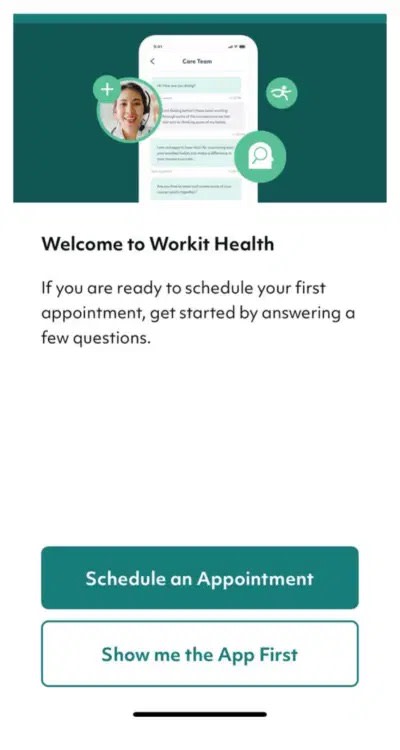
Clients sign up through the Workit app and typically meet an Illinois-licensed prescriber by video within 1 to 2 days. The clinician reviews their needs and goals and can start medication at the first visit when appropriate. They prescribe Suboxone for opioid use disorder or kratom and 7-OH dependence. For alcohol use disorder, they may prescribe acamprosate to support abstinence or naltrexone, including the Sinclair Method for clients who want to reduce their drinking. Clients fill prescriptions at their local pharmacy.
Build Recovery Skills Between Visits
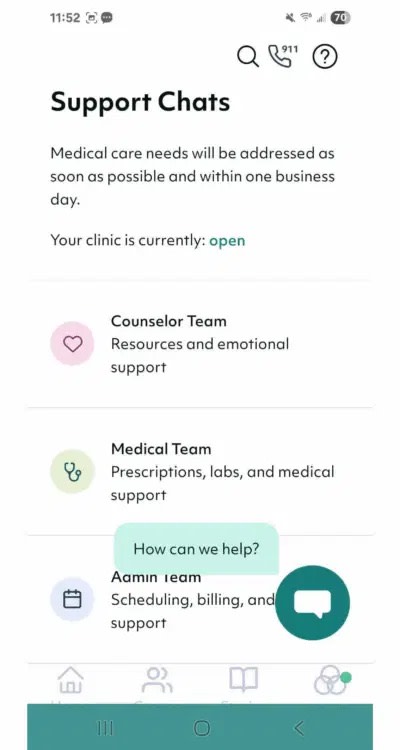
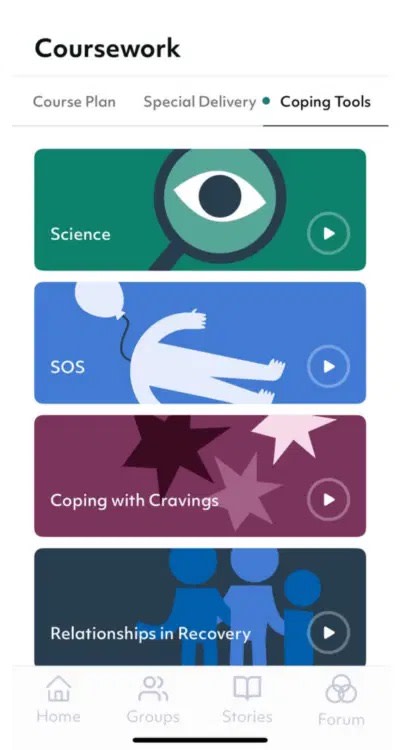
Clients meet their care team monthly to review medication and progress. Between visits, they can message the team, join guided recovery groups, connect with peers, and complete self-paced courses using cognitive behavioral therapy (CBT), dialectical behavior therapy (DBT), motivational interviewing (MI), mindfulness, and relapse prevention. A kratom-specific forum offers added peer support, and clients can complete remote drug screening when required. All care takes place online, allowing clients to continue treatment anywhere in Oklahoma.
Center Overview
Supportive Medication for Recovery
Medication-Assisted Treatment (MAT) is an evidence-based approach that pairs FDA-approved medications with counseling to treat addiction. The medications are used to reduce cravings, ease withdrawal symptoms, or block the effects of substances. More about MAT
Methadone

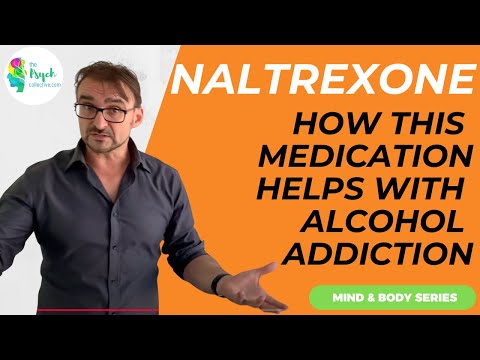
Naltrexone
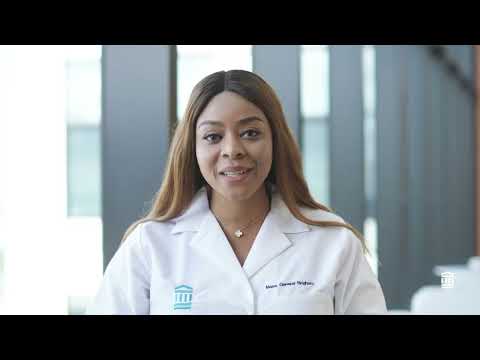
Buprenorphine
Note: Treatment centers offer different forms of MAT—such as oral tablets, dissolvable films, or monthly injections—and their policies can vary based on state regulations, provider preferences, and insurance coverage. Because of these differences, it's best to contact the center directly to learn what options are available and what might be right for your situation.
Insurance Accepted





Cash Pay Rates
Levels of Care

