Salyer Counseling Group
Treatment Focus
This center treats mental health conditions and co-occurring substance use. You receive collaborative, individualized treatment that addresses both issues for whole-person healing.
Primary Level of Care
Delivers regular one-on-one sessions focused on emotional support, coping strategies, and goal-setting, fostering long-term healing and personal development in an outpatient setting.
Claimed
Recovery.com has connected directly with this treatment provider to validate the information in their profile.
Treatment Focus
This center treats mental health conditions and co-occurring substance use. You receive collaborative, individualized treatment that addresses both issues for whole-person healing.
Primary Level of Care
Delivers regular one-on-one sessions focused on emotional support, coping strategies, and goal-setting, fostering long-term healing and personal development in an outpatient setting.
Provider's Policy
The practice accepts several in-network insurance plans and offers sliding scale and discounted rates through supervised therapists for eligible clients.
About Salyer Counseling Group
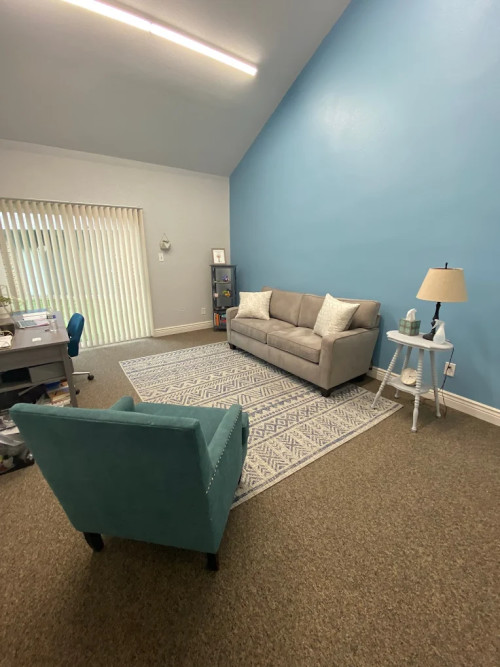
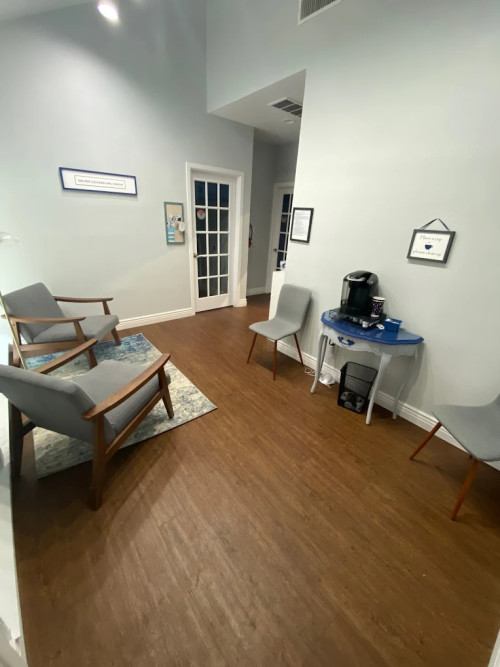
In the heart of the Dallas-Fort Worth, the women-owned and women-led Salyer Counseling Group is staffed entirely by licensed therapists who provide care in both English and Spanish. The practice treats adults, teens, and children dealing with trauma, anxiety, depression, addiction, and related mental health concerns, with both in-person and online therapy available. Trauma care is grounded in acceptance and commitment therapy (ACT), alongside other evidence-based approaches.
Teen and Child Counseling Services
Counseling for children and teens is built around therapy models and skill-building exercises that are taught through games, art, and activity-based learning, making the work both age-appropriate and engaging. Play Therapy is commonly used for children ages 3-12, using toys, creative activities, and expressive play as the main vehicle for therapeutic work. Each child's treatment begins with a parent intake appointment, moves into weekly individual sessions, and includes ongoing parent check-ins throughout the process so caregivers stay informed.
Anxiety and Depression Treatment
Anxiety and depression treatment both extend to clients who find it difficult to leave the house, offering online therapy and adjusting office accommodations when concerns are raised ahead of a session. Depression treatment accounts for how differently the condition presents from person to person, whether short-lived, tied to a life event, seasonal, or long-standing. The practice applies EMDR as a primary treatment tool across both conditions, alongside CBT and DBT.
Center Overview

Treatment Focus
This center treats mental health conditions and co-occurring substance use. You receive collaborative, individualized treatment that addresses both issues for whole-person healing.
Insurance Accepted
Pricing and Program Length
Estimated Center Costs
The cost listed here ($75 to $125 per session), is an estimate of program cost. Center price can vary based on program and length of stay. Contact the center for more information. Recovery.com strives for price transparency so you can make an informed decision.
Levels of Care
Your Care Options
Specializations
Adolescents
Teens receive the treatment they need for mental health disorders and addiction, with the added support of educational and vocational services.
Children
Treatment for children incorporates the psychiatric care they need and education, often led by on-site teachers to keep children on track with school.
Anxiety
Anxiety is a common mental health condition that can include excessive worry, panic attacks, physical tension, and increased blood pressure.
Depression
Symptoms of depression may include fatigue, a sense of numbness, and loss of interest in activities. This condition can range from mild to severe.
Trauma
Some traumatic events are so disturbing that they cause long-term mental health problems. Those ongoing issues can also be referred to as "trauma."
Who We Treat
Adolescents
Teens receive the treatment they need for mental health disorders and addiction, with the added support of educational and vocational services.
Children
Treatment for children incorporates the psychiatric care they need and education, often led by on-site teachers to keep children on track with school.
Men and Women
Men and women attend treatment for addiction in a co-ed setting, going to therapy groups together to share experiences, struggles, and successes.
Approaches
Family Involvement
Providers involve family in the treatment of their loved one through family therapy, visits, or both–because addiction is a family disease.
Therapies
1-on-1 Counseling
Patient and therapist meet 1-on-1 to work through difficult emotions and behavioral challenges in a personal, private setting.
Art Therapy
Visual art invites patients to examine the emotions within their work, focusing on the process of creativity and its gentle therapeutic power.
Couples Counseling
Partners work to improve their communication patterns, using advice from their therapist to better their relationship and make healthy changes.
Eye Movement Therapy (EMDR)
Lateral, guided eye movements help reduce the emotional reactions of retelling and reprocessing trauma, allowing intense feelings to dissipate.
Family Therapy
Family therapy addresses group dynamics within a family system, with a focus on improving communication and interrupting unhealthy relationship patterns.
Motivational Interviewing
Based on the idea that motivation to change comes from within, providers use a conversational framework to discover personalized methods for change.
Languages
Conditions We Treat
Anxiety
Anxiety is a common mental health condition that can include excessive worry, panic attacks, physical tension, and increased blood pressure.
Depression
Symptoms of depression may include fatigue, a sense of numbness, and loss of interest in activities. This condition can range from mild to severe.
Grief and Loss
Grief is a natural reaction to loss, but severe grief can interfere with your ability to function. You can get treatment for this condition.
Personality Disorders
Personality disorders destabilize the way a person thinks, feels, and behaves. If untreated, they can undermine relationships and lead to severe distress.
Post Traumatic Stress Disorder
PTSD is a long-term mental health issue caused by a disturbing event or events. Symptoms include anxiety, dissociation, flashbacks, and intrusive thoughts.
Stress
Stress is a natural reaction to challenges, and it can even help you adapt. However, chronic stress can cause physical and mental health issues.
Trauma
Some traumatic events are so disturbing that they cause long-term mental health problems. Those ongoing issues can also be referred to as "trauma."
Substances We Treat
Alcohol
Using alcohol as a coping mechanism, or drinking excessively throughout the week, signals an alcohol use disorder.
Co-Occurring Disorders
A person with multiple mental health diagnoses, such as addiction and depression, has co-occurring disorders also called dual diagnosis.
Drug Addiction
Drug addiction is the excessive and repetitive use of substances, despite harmful consequences to a person's life, health, and relationships.