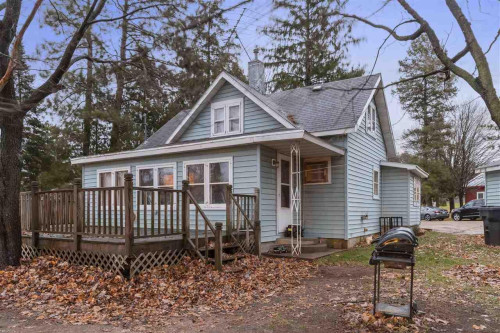
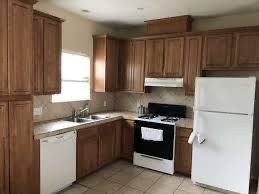
Impact WI - The Lotus House
Treatment Focus
This center primarily treats substance use disorders, helping you stabilize, create relapse-prevention plans, and connect to compassionate support.
Primary Level of Care
Transitional housing designed to support individuals recovering from substance use disorders offering a safe, supportive and structured environment for practicing long-term sobriety, while reintegrating back into daily living.
This provider hasn't verified their profile's information. Are you the owner of this center? Claim your listing to better manage your presence on Recovery.com.
Treatment Focus
This center primarily treats substance use disorders, helping you stabilize, create relapse-prevention plans, and connect to compassionate support.
Primary Level of Care
Transitional housing designed to support individuals recovering from substance use disorders offering a safe, supportive and structured environment for practicing long-term sobriety, while reintegrating back into daily living.
Private Pay
You pay directly for treatment out of pocket. This approach can offer enhanced privacy and flexibility, without involving insurance. Exact costs vary based on program and length of stay. Contact the center for specific details.
Impact WI - The Lotus House
About Impact WI - The Lotus House
Built on the belief that structure, honesty, and shared responsibility can change the course of someone’s life, this home offers men a steady place to reset and rebuild after substance use. Impact WI - The Lotus house is designed for those new to recovery who need clear expectations and consistent support, using a rule-based environment to help residents regain stability and direction.
Structure and Accountability
Life in the home follows a clear set of house rules that guide daily behavior and decision-making. New residents begin with a structured level of supervision, including early curfews, restricted movement, and required approval for activities outside of work or recovery meetings. These boundaries help reduce distractions and create space for new habits to take hold. Residents attend multiple recovery meetings each week, stay connected with their sponsor, and track how they spend their time. The Lotus House uses a point and privilege system that allows men to earn more independence as they demonstrate responsibility. The program takes a firm but practical approach to relapse. Residents are not removed for relapse alone, but for dishonesty, reinforcing trust and accountability within the home.
Daily Routines and Responsibilities
Daily life feels structured but familiar, centered around routines that mirror real-world expectations. Residents wake up early, complete chores like cleaning or yard work, and share responsibility for maintaining the household. Phone use, visitors, and time outside the home are earned as trust builds over time. As residents progress, they begin working, attending school, or volunteering while continuing to meet program expectations. The Lotus House serves as a bridge between treatment and independent living, helping men build consistency, follow through on commitments, and develop habits that support long-term recovery.
Center Overview
Support Focus
This center primarily supports substance use disorders, helping you stabilize, create relapse-prevention plans, and connect to compassionate support.

Pricing and Program Length
Estimated Center Costs
The cost listed here ($586/Month), is an estimate of program cost. Center price can vary based on program and length of stay. Contact the center for more information. Recovery.com strives for price transparency so you can make an informed decision.
Levels of Care
Your Care Options
Specializations
Drug Addiction
Drug addiction is the excessive and repetitive use of substances, despite harmful consequences to a person's life, health, and relationships.
Sober Living
These structured living environments help people transition out of rehab. Residents have more freedom than they do during rehab, but still follow certain rules.
Who We Support
Approaches
Evidence-Based
A combination of scientifically rooted therapies and treatments make up evidence-based care, defined by their measured and proven results.
Therapies
Life Skills
Teaching life skills like cooking, cleaning, clear communication, and even basic math provides a strong foundation for continued recovery.
Languages
Substances We Support
Alcohol
Using alcohol as a coping mechanism, or drinking excessively throughout the week, signals an alcohol use disorder.
Benzodiazepines
Benzodiazepines are prescribed to treat anxiety and sleep issues. They are highly habit forming, and their use can cause mood changes and poor judgement.
Cocaine
Cocaine is a stimulant with euphoric effects. Agitation, muscle ticks, psychosis, and heart issues are common symptoms of cocaine use.
Drug Addiction
Drug addiction is the excessive and repetitive use of substances, despite harmful consequences to a person's life, health, and relationships.
Heroin
Heroin is a highly addictive and illegal opioid. It can cause insomnia, collapsed veins, heart issues, and additional mental health issues.
Methamphetamine
Methamphetamine, or meth, increases energy, agitation, and paranoia. Long-term use can result in severe physical and mental health issues.
Opioids
Opioids produce pain-relief and euphoria, which can lead to addiction. This class of drugs includes prescribed medication and the illegal drug heroin.
Prescription Drugs
It's possible to develop an addiction to any drug, even prescribed ones. If you crave a medication, or regularly take it more than directed, you may have an addiction.
Synthetic Drugs
Synthetic drugs are made in a lab, unlike plant-based drugs like mushrooms. Most synthetic drugs are either stimulants or synthetic cannabinoids.