Find Treatment By
Rehabs by Location


Find Treatment By
Learn
About Us
Recovery.com combines independent research with expert guidance on addiction and mental health treatment. Our mission is to help everyone find the best path to recovery through the most comprehensive, helpful network of treatment providers worldwide.
Advisory Council
Our advisory council brings together leaders in behavioral health, technology, and business. Their diverse expertise ensures our resources and product are innovative, evidence-based, and effective. They guide our mission as accomplished individuals dedicated to improving the landscape of addiction recovery and mental wellness.
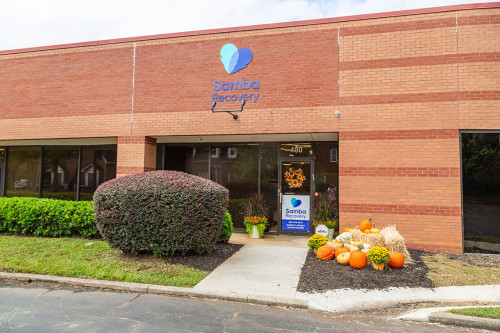
Samba Recovery Peachtree
Verified Center
This provider's information has been quality-checked by Recovery.com's Research Team for accuracy and completeness, including center verification through appropriate third-party organizations.
Treatment Focus
This center primarily treats substance use disorders, helping you stabilize, create relapse-prevention plans, and connect to compassionate support.
Primary Level of Care
Outpatient treatment offers flexible therapeutic and medical care without the need to stay overnight in a hospital or inpatient facility. Some centers offer intensive outpatient program (IOP), which falls between inpatient care and traditional outpatient service.
Treatment Focus
This center primarily treats substance use disorders, helping you stabilize, create relapse-prevention plans, and connect to compassionate support.
Primary Level of Care
Outpatient treatment offers flexible therapeutic and medical care without the need to stay overnight in a hospital or inpatient facility. Some centers offer intensive outpatient program (IOP), which falls between inpatient care and traditional outpatient service.
Provider's Policy
We are in-network with Aetna, Alliant, Anthem, BlueCross BlueShield, Cigna, Optum, and VACCN. We are out-of-network with United Healthcare.
Samba Recovery Peachtree
Samba Recovery Peachtree
About Samba Recovery Peachtree
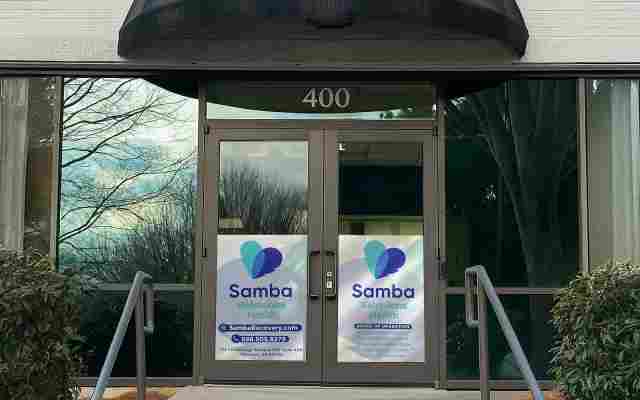
Samba Recovery is an outpatient drug and alcohol rehab designed for people who want serious clinical support while still sleeping at home and staying connected to real life. They treat substance use issues involving drugs and alcohol, with a full range of outpatient levels of care—outpatient detox, PHP, IOP, and OP—so clients can start with more structure and step down as they get steadier.
Trade “Getting By” for Getting Better
Samba’s approach is simple: they focus on the whole person, not just a diagnosis. Their team provides supportive care that helps clients feel steadier day to day, build confidence, and bounce back from hard seasons. Instead of using a one-size-fits-all plan, they work to help each client reconnect with their strengths and move toward real wellness.
Feel Comfortable while Doing the Work
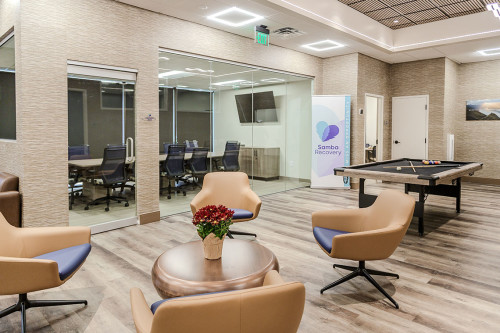
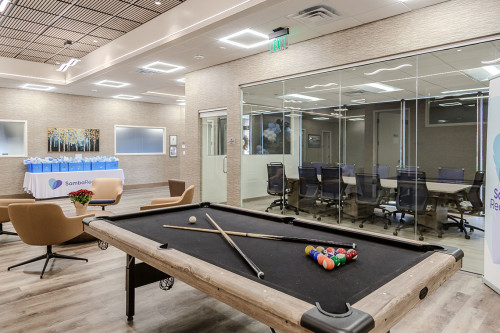
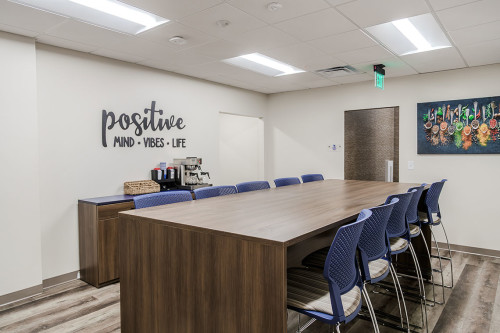
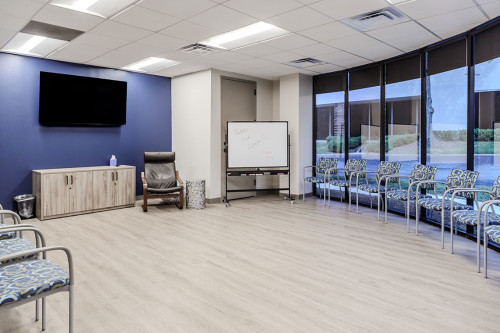
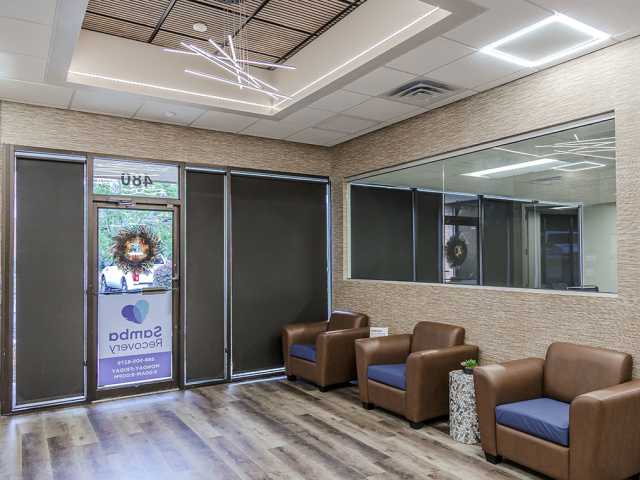
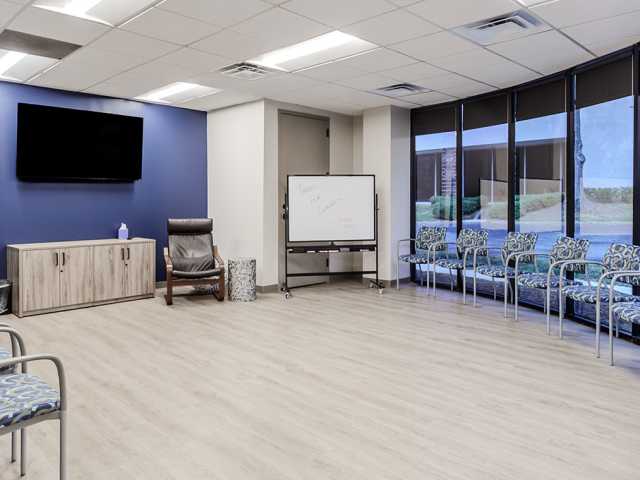
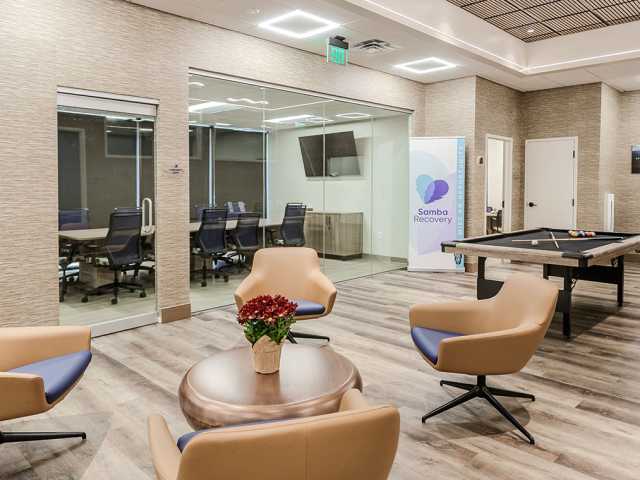
At Samba, there are couches and a TV for downtime, a pool table for easy conversation, and an open, separate space that gives people room to breathe. They also keep the day-to-day stuff simple with a kitchenette stocked with snack staples like bagels, sandwich fixings, and grab-and-go options so clients can stay focused. And the team builds in real-life fun and community through activities like bowling, potlucks, and outings as well.
Choose Connection over Isolation after Treatment
Alumni get ongoing access to peer support meetings, monthly sober events, and group outings (from hikes and volunteer days to movie nights and holiday parties). They also keep everyone plugged in through the Samba Recovery alumni facebook group and the Samba Recovery App, which has a full events calendar and notifications so alumni can show up and stay involved.
Highlights from the Center
Highlights
These highlights are provided by and paid for by the center.
Insurance Accepted
Beach Access
Tech Friendly
12-Step Approach
Addiction Recovery
Center Overview
Treatment Focus
This center primarily treats substance use disorders, helping you stabilize, create relapse-prevention plans, and connect to compassionate support.
Joint Commission Accredited
The Joint Commission accreditation is a voluntary, objective process that evaluates and accredits healthcare organizations (like treatment centers) based on performance standards designed to improve quality and safety for patients. To be accredited means the treatment center has been found to meet the Commission's standards for quality and safety in patient care.

Insurance Accepted







Recovery.com Verified Listing
Recovery.com verified that the name, location, contact information and license to operate for this treatment provider are valid and up-to-date.
Licensed by Georgia
Joint Commission Accredited
Recovery.com is an independent, third-party mental health resource. Verification does not imply endorsement and does not guarantee the quality of treatment services.
Meet Your Care Team

Dr. Saleem Bulu
Therapist
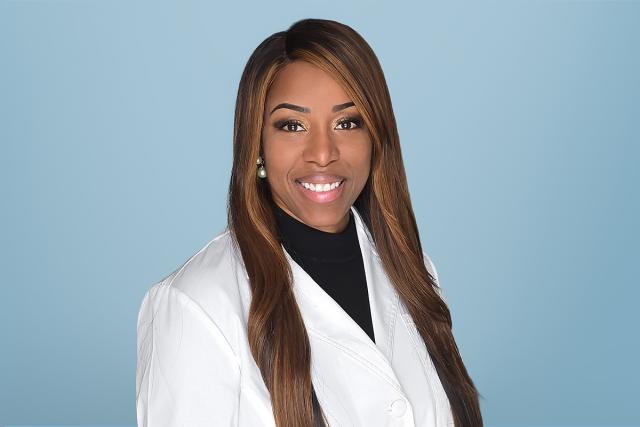
Erica Bolar
Nurse Practitioner
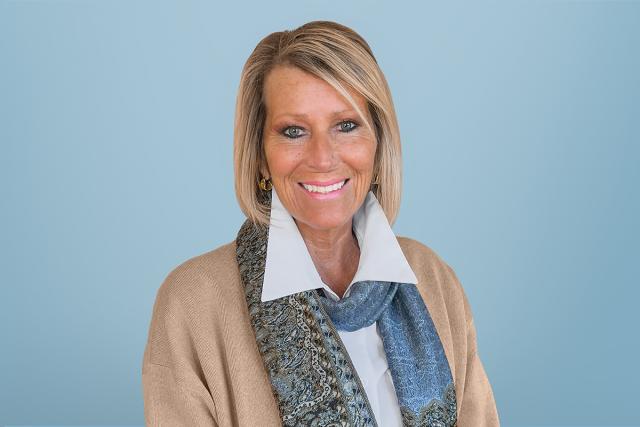
Jenifer Moon
Therapist
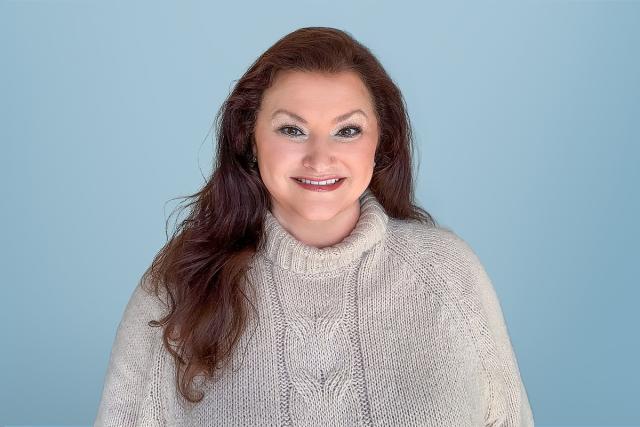
Lisa Ramer
Executive Director
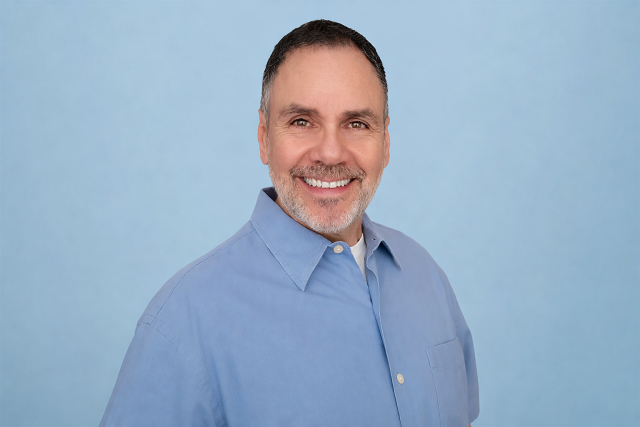
Ray Pacheco
Therapist
Supportive Medication for Recovery
Medication-Assisted Treatment (MAT) is an evidence-based approach that pairs FDA-approved medications with counseling to treat addiction. The medications are used to reduce cravings, ease withdrawal symptoms, or block the effects of substances. More about MAT
Methadone

Naltrexone
Buprenorphine

Note: Treatment centers offer different forms of MAT—such as oral tablets, dissolvable films, or monthly injections—and their policies can vary based on state regulations, provider preferences, and insurance coverage. Because of these differences, it's best to contact the center directly to learn what options are available and what might be right for your situation.
Your Care Options
Specializations
Alcohol
Using alcohol as a coping mechanism, or drinking excessively throughout the week, signals an alcohol use disorder.
Detox
Detox fully and safely removes toxic substances from the body, allowing the next steps in treatment to begin with a clean slate.
Co-Occurring Disorders
A person with multiple mental health diagnoses, such as addiction and depression, has co-occurring disorders also called dual diagnosis.
Intensive Outpatient Program
In an IOP, patients live at home or a sober living, but attend treatment typically 9-15 hours a week. Most programs include talk therapy, support groups, and other methods.
Medication-Assisted Treatment
Combined with behavioral therapy, prescribed medications can enhance treatment by relieving withdrawal symptoms and focus patients on their recovery.
Opioids
Opioids produce pain-relief and euphoria, which can lead to addiction. This class of drugs includes prescribed medication and the illegal drug heroin.
Outpatient
During outpatient rehab, patients attend a structured treatment program while continuing to live at home.
Who We Treat
Men and Women
Men and women attend treatment for addiction in a co-ed setting, going to therapy groups together to share experiences, struggles, and successes.
Treatment Services
Day Treatment
In a PHP, patients live at home but follow an intensive schedule of treatment. Most programs require you to be on-site for about 40 hours per week.
Detox
Detox fully and safely removes toxic substances from the body, allowing the next steps in treatment to begin with a clean slate.
Intensive Outpatient Program
In an IOP, patients live at home or a sober living, but attend treatment typically 9-15 hours a week. Most programs include talk therapy, support groups, and other methods.
Outpatient
During outpatient rehab, patients attend a structured treatment program while continuing to live at home.
Prescribes Medications for Opioid Use Disorder
The provider prescribes medications for addiction treatment, also known as Medication-Assisted Treatment (MAT), for opioid use.
Approaches
Evidence-Based
A combination of scientifically rooted therapies and treatments make up evidence-based care, defined by their measured and proven results.
Personalized Treatment
The specific needs, histories, and conditions of individual patients receive personalized, highly relevant care throughout their recovery journey.
Twelve Step
Incorporating spirituality, community, and responsibility, 12-Step philosophies prioritize the guidance of a Higher Power and a continuation of 12-Step practices.
Therapies
1-on-1 Counseling
Patient and therapist meet 1-on-1 to work through difficult emotions and behavioral challenges in a personal, private setting.
Acceptance and Commitment Therapy (ACT)
This cognitive behavioral therapy teaches patients to accept challenging feelings and make the appropriate changes to reach personal goals.
Experiential Therapy
With this approach, patients heal by doing. Therapists help patients process difficult emotions to speak, using guided activities like art or dance.
Eye Movement Therapy (EMDR)
Lateral, guided eye movements help reduce the emotional reactions of retelling and reprocessing trauma, allowing intense feelings to dissipate.
Family Therapy
Family therapy addresses group dynamics within a family system, with a focus on improving communication and interrupting unhealthy relationship patterns.
Life Skills
Teaching life skills like cooking, cleaning, clear communication, and even basic math provides a strong foundation for continued recovery.
Languages
Substances We Treat
Alcohol
Using alcohol as a coping mechanism, or drinking excessively throughout the week, signals an alcohol use disorder.
Benzodiazepines
Benzodiazepines are prescribed to treat anxiety and sleep issues. They are highly habit forming, and their abuse can cause mood changes and poor judgement.
Cocaine
Cocaine is a stimulant with euphoric effects. Agitation, muscle ticks, psychosis, and heart issues are common symptoms of cocaine abuse.
Drug Addiction
Drug addiction is the excessive and repetitive use of substances, despite harmful consequences to a person's life, health, and relationships.
Heroin
Heroin is a highly addictive and illegal opioid. It can cause insomnia, collapsed veins, heart issues, and additional mental health issues.
Methamphetamine
Methamphetamine, or meth, increases energy, agitation, and paranoia. Long-term use can result in severe physical and mental health issues.
Opioids
Opioids produce pain-relief and euphoria, which can lead to addiction. This class of drugs includes prescribed medication and the illegal drug heroin.
Prescription Drugs
It's possible to abuse any drug, even prescribed ones. If you crave a medication, or regularly take it more than directed, you may have an addiction.
Aftercare
Care Designed for Your Needs
Personal Amenities
Special Considerations
Smoking and Vaping Policy
Learn More About the Center
Visualization Techniques for Sobriety
Visualize a sober future with practical exercises that can help manage cravings, reduce stress, and motivate.
Setting Boundaries in Relationships after Addiction
Set healthier boundaries after addiction with clear strategies that protect progress and make relationships feel safer.
Why Relapse is a Part of Recovery
Reframe relapse as feedback and learn how to spot the early warning stages and adjust the plan accordingly.
Benefits of Outdoor Activities in Recovery
Step outside and support recovery with outdoor activities that lower stress, boost mood, and build resilience.